

Commentary
Judy Dempsey
{
  "authors": [
    "Judy Dempsey"
  ],
  "type": "commentary",
  "blog": "Strategic Europe",
  "centerAffiliationAll": "",
  "centers": [
    "Carnegie Endowment for International Peace",
    "Carnegie Europe"
  ],
  "collections": [],
  "englishNewsletterAll": "",
  "nonEnglishNewsletterAll": "",
  "primaryCenter": "Carnegie Europe",
  "programAffiliation": "",
  "programs": [],
  "projects": [],
  "regions": [
    "Europe"
  ],
  "topics": [
    "EU"
  ]
}
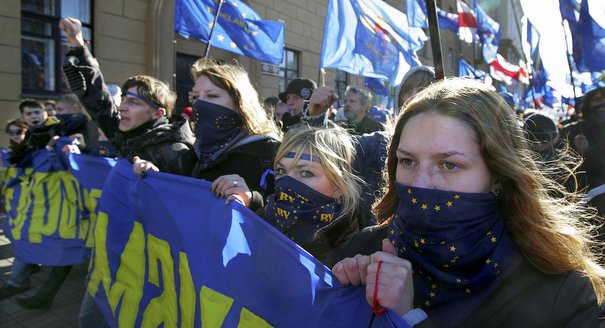
Source: Getty
Judy Dempsey interviews Jerzy Pomianowski, executive director of the European Endowment for Democracy.
This past week, Catherine Ashton, the EU’s foreign policy chief, appointed Jerzy Pomianowski to become the first executive director of the new European Endowment for Democracy (EED).
It will be an independent foundation based in Brussels.
It may seem strange that the EU needs such an organization to promote human rights and civil society in its eastern and southern neighborhood. Doesn’t it already provide financial support to non-governmental organizations and educational institutions? And isn’t the EU’s raison d’être to promote democracy?
Furthermore, there are many other European advocacy groups working in Ukraine and Moldova, Georgia and Morocco—to name just a few of the countries that are part of the EU’s neighborhood and to whom the EED will reach out.
Member states, particularly Germany, are active in these countries, too. The main political parties have foundations that are specifically focused on democracy-building. So why the EED? What can it do that the EU or other advocacy groups cannot do?
In an exclusive interview with Jerzy Pomianowski, a Polish career diplomat who is currently undersecretary of state at the foreign ministry in Warsaw, I discussed the European Endowment for Democracy.
There was a lot of reluctance to the idea at first from member states, institutions, and non-governmental organizations. The name is not accidental. We saw what the U.S. National Endowment for Democracy (NED) did in Central Europe before and after the fall of communism. The example of the NED, the degree of flexibility and its record especially during the transformation in Eastern Europe was absolutely positive and is a success. Because the NED has a strong record, it was often asked if Europe needed a similar institution. It does.
The first priority of EED is to support small, new unregistered groups. One of the conditions for receiving funds from the EU is that the money should be allocated to registered groups, which in some countries means that they have to have been approved by the regime. Also, many European foundations are project based. They cannot provide core funding.
Let me give you an example. You have to find a way to get people out of the internet into the public political space. These are people who dream about doing something. We have to draw them out. Of course, it is very sensitive. But at the same time, this is about promoting the values of Europe. The EED is about responding to anyone who believes in civil society; we want to make sure that he or she will not remain alone. We want to help them.
[Polish foreign minister Radek] Sikorski proposed the idea just after the collapse of the democratic process in Belarus in December 2010. And then the Arab Spring happened. The timing was just so important. We could see the need, the urgency for something like the EED.
It is true that the EU institutions have a lot of money. But they are very cautious about spending it. They have to think of the taxpayers. When it comes to applying for funds and getting them agreed and getting them disbursed, it is a highly bureaucratic and administrative process.
That is a weakness and strength. The strength is the monitoring aspect and effectiveness in spending. But the weakness is that obtaining the funds through the system is not possible overnight. So we asked—how can we add to the existing instruments? How can we add flexibility?
Democracy is not something you can export. You have to go there and you have to listen. If you are in a listening mode, people will speak.
The social media has changed the world. In the old days, you had a crowd with one speaker. The crowd wanted to respond. Now with the internet you have thousands of people, many of them speaking. It is very difficult to put yourself into a listening mode. But it is necessary. You have to go there and you have to listen.
We have 6 million euro from the Commission for operating costs and 10 million euro from the member states for projects. That is a decent budget.
Germany is still missing, but it gave lots of support in the initial stages. We are still waiting for its financial support. I’m sure it will come. Spain, Italy, France, Germany, Britain, all have yet to give funding. But all say they will provide the support. Denmark, Sweden, the Netherlands, Slovakia, Estonia, Belgium, Bulgaria, Lithuania—actually all the new member states have agreed to contribute. And Switzerland.
Yes. They are wondering what the EED will lead to. But they are not negative. If you compare the support for democracy with the resources given to development cooperation, the former is much, much smaller. You just look at the sheer quantity of NGOs and consultants and big agencies for development projects. We are talking about billions of euros and thousands and thousands of people. It’s a huge market. My impression is that they will welcome a new friend.
Yes, definitely. Europe has a historic and strategic duty to do this. The promotion of democratic values is our role. It is what defines us. Democracy does not live in isolation. We cannot build walls on our borders. That would be very damaging and we shouldn’t go down that path. It is the historic mission of Poland and other countries in the region to share our experience of freedom.

Nonresident Senior Fellow, Carnegie Europe
Judy Dempsey is a nonresident senior fellow at Carnegie Europe
Recent Work
Judy Dempsey
Judy Dempsey

Trump is distracted and Ukraine wants Europe to step up. The continent’s leaders must find their voice and assert it in talks with Russia.

Alissa de Carbonnel

Mounting economic strain and battlefield losses will not necessarily make the Kremlin less dangerous. They could instead push Moscow toward a more aggressive hybrid campaign designed to test NATO’s Eastern flank, exploit allied hesitation, and fracture European resolve.

Maksym Beznosiuk

Over the past ten years, NATO has held almost as many summits as it did during the entirety of the Cold War. Are they still useful, or is it time to stop holding annual meetings?

Rym Momtaz, ed.
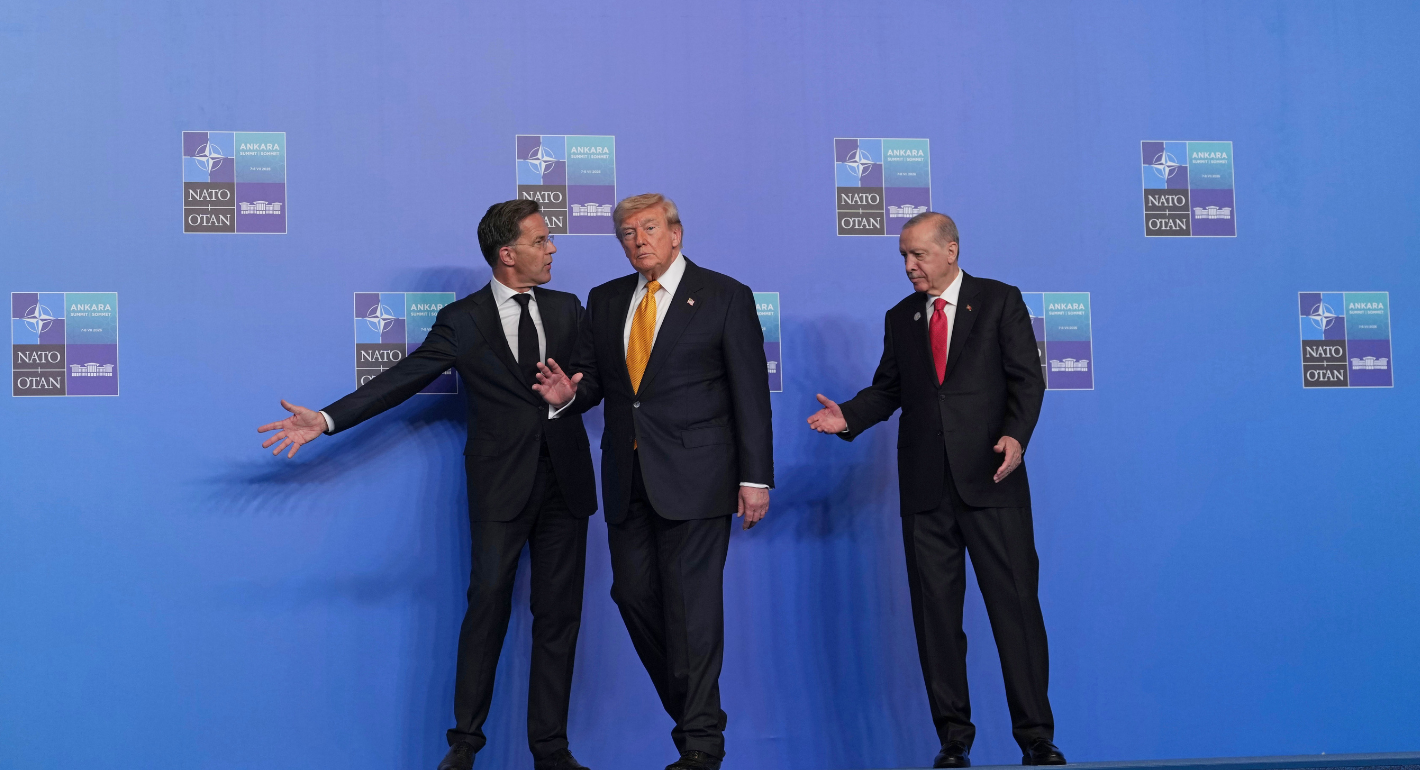
Nearly a year and a half after Europeans leaned into sucking up to Trump, the strategy has produced some benefits when it comes to Ukraine.
Rym Momtaz
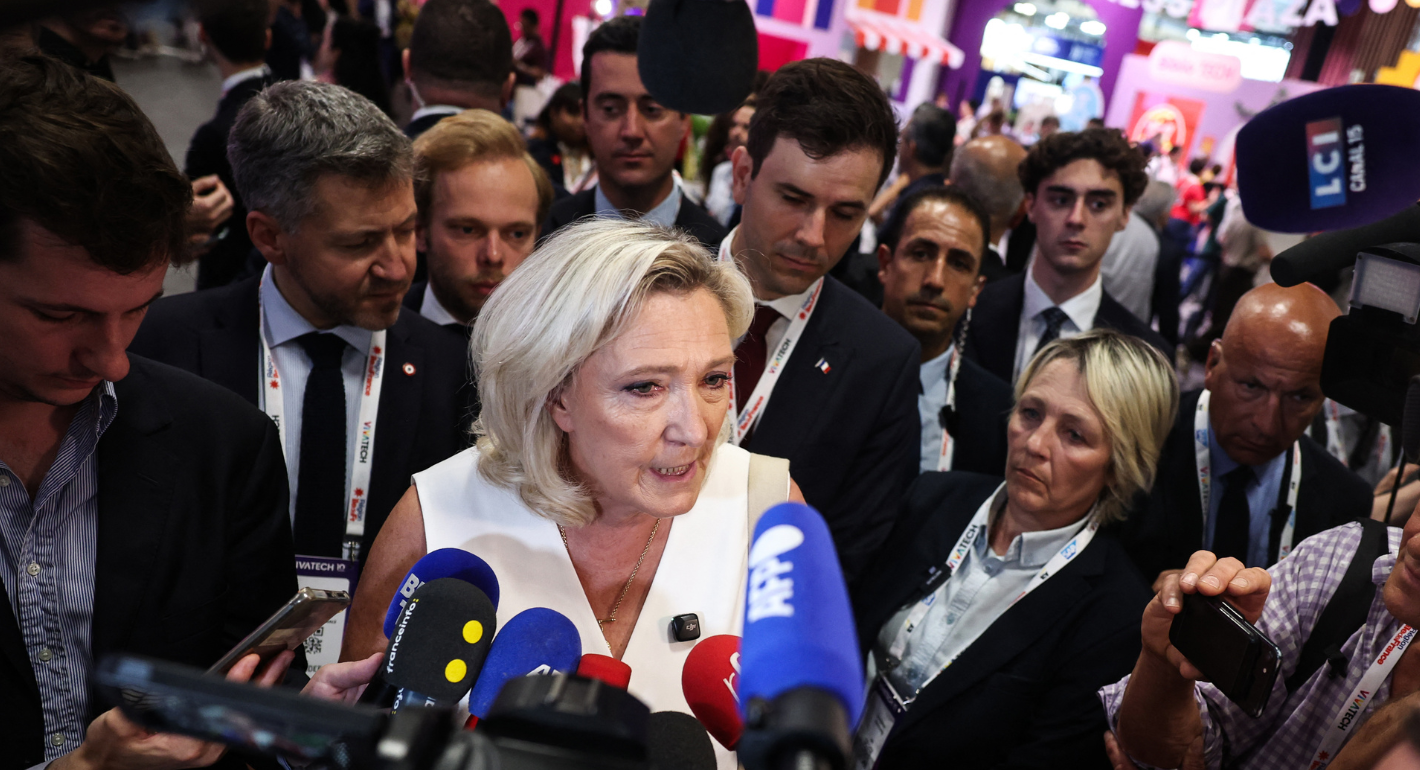
Far-right leader Marine Le Pen can—and will—run in France’s next presidential election. What does the outcome of her appeal against a 2025 embezzlement conviction mean for the country’s political future?
Catherine Fieschi