

Commentary
Judy Dempsey
{
  "authors": [
    "Judy Dempsey"
  ],
  "type": "commentary",
  "blog": "Strategic Europe",
  "centerAffiliationAll": "",
  "centers": [
    "Carnegie Endowment for International Peace",
    "Carnegie Europe"
  ],
  "collections": [
    "EU Integration and Enlargement",
    "Brexit and UK Politics"
  ],
  "englishNewsletterAll": "",
  "nonEnglishNewsletterAll": "",
  "primaryCenter": "Carnegie Europe",
  "programAffiliation": "",
  "programs": [],
  "projects": [],
  "regions": [
    "Europe",
    "Western Europe",
    "United Kingdom"
  ],
  "topics": [
    "EU",
    "Political Reform"
  ]
}
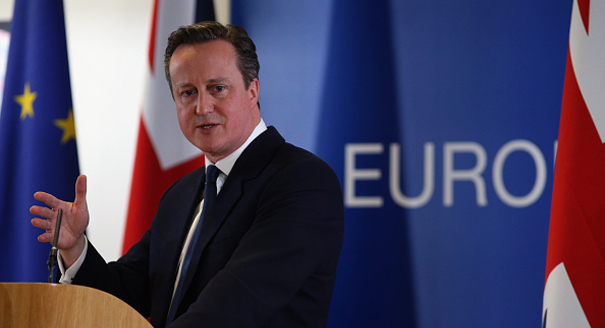
Source: Getty
European leaders can now pick and choose what sort of EU they want, after they made huge concessions to Britain.
The agreement reached during the late evening of February 19 between Britain and the other 27 EU member states was aimed at preventing the country from quitting the union. The British people will now decide in a referendum on June 23 if the deal their prime minister extracted will persuade them to remain in or leave the EU.
Either way, the concessions ceded to British Prime Minister David Cameron have not been lost on populist or Euroskeptic leaders across Europe. A precedent has been set. The populists have the bit between their teeth.
Following the wide-ranging concessions Cameron secured from the EU on issues ranging from migrant welfare payments to financial services, the temptation for populist leaders to blackmail the EU will be difficult to resist. Indeed, it’s hard not to conclude that after the British deal, the EU is becoming a free-for-all.
Certainly, if the British voted to leave the union, the EU would be terribly weakened. Most leaders of the other EU member states know that. The only glimmer of hope from a Brexit vote is that it just might convince the majority of EU countries to opt for a tighter, more integrated Europe. That seems a pipe dream given the Euroskeptic mood in several countries, particularly in Central Europe. National sovereignty and the renationalization of asylum and refugee policy, and even foreign policy, is the order of the day.
As it is, many European governments are unwilling to understand that an integrated Europe would give the EU the political and economic clout it needs. Somehow they believe that a disaggregated Europe with the trappings of the free movement of labor, capital, and services is enough.
Forget the complex security, defense, and foreign policy challenges the EU is facing. Forget the refugee crisis, which is not going to go away. Forget too the fact that the EU is going to have to deal with a Russia intent at worst on destabilizing, at best on weakening, the EU through its propaganda machine and its attempts to woo back Germany. Forget also the fact that the Middle East is going to exert a fundamental influence on how Europe deals with migrants, refugees, demographic changes, and instability for some time to come.
All of these issues affect every member of the EU. But none of these issues figured in the concessions made to Britain. Brexit or not, Cameron has obtained from the EU almost everything he wanted. The most important is that Britain will not support an ever-closer union.
One of Cameron’s Conservative predecessors as prime minister, Margaret Thatcher, who abhorred Brussels, would have been proud of him because the deal is about Britain being a part of the EU with the minimum of obligations. For Cameron, it is also about being a member of an EU that would focus on competition and trade, with restrictions for migrants, but not on political or economic integration, even though the EU desperately needs integration to deal with immigration.
Angela Merkel, the German chancellor, and especially German Finance Minister Wolfgang Schäuble must surely realize the impact the deal with Britain will have on the EU’s future. Marine Le Pen, who is the leader of France’s far-right National Front and is running for president in the 2017 election, has already seized on the compromises the EU made with Cameron. “[The National Front] will follow closely the British referendum campaign, which it considers very healthy and democratic, and it will fight with determination for the popular and national sovereignty of France,” she said.
In short, the threat of Brexit forced the EU to make concessions. The National Front is now playing with the idea of a so-called Frexit, or a French departure from the eurozone. That shows the fragility of one of the founding members of the EU.
Yet those committed to keeping the EU project on track through establishing a two-speed Europe can take some solace from the final text of the deal with Britain. “Treaty provisions also allow for the non-participation of one or more Member States in actions intended to further the objectives of the Union, notably through the establishment of enhanced cooperations,” the agreement stated. “Such processes make possible different paths of integration for different Member States, allowing those that want to deepen integration to move ahead, whilst respecting the rights of those which do not want to take such a course.”
However, a two-speed Europe will be possible only with France and Germany working much more closely together. As it is, they differ on many issues concerning Europe’s future, especially how to strengthen the eurozone.
No progress on political or economic integration can be expected until after the French presidential election that will take place in 2017. By then, it will be time for Germans to vote for a new federal parliament. In the interim, more time gained for Euroskeptics. More time lost for integrationists.

Nonresident Senior Fellow, Carnegie Europe
Judy Dempsey is a nonresident senior fellow at Carnegie Europe
Recent Work
Judy Dempsey
Judy Dempsey
Carnegie does not take institutional positions on public policy issues; the views represented herein are those of the author(s) and do not necessarily reflect the views of Carnegie, its staff, or its trustees.

As we close out another season of Strategic Europe, it is worth taking stock of the deep shifts underway.

Rym Momtaz
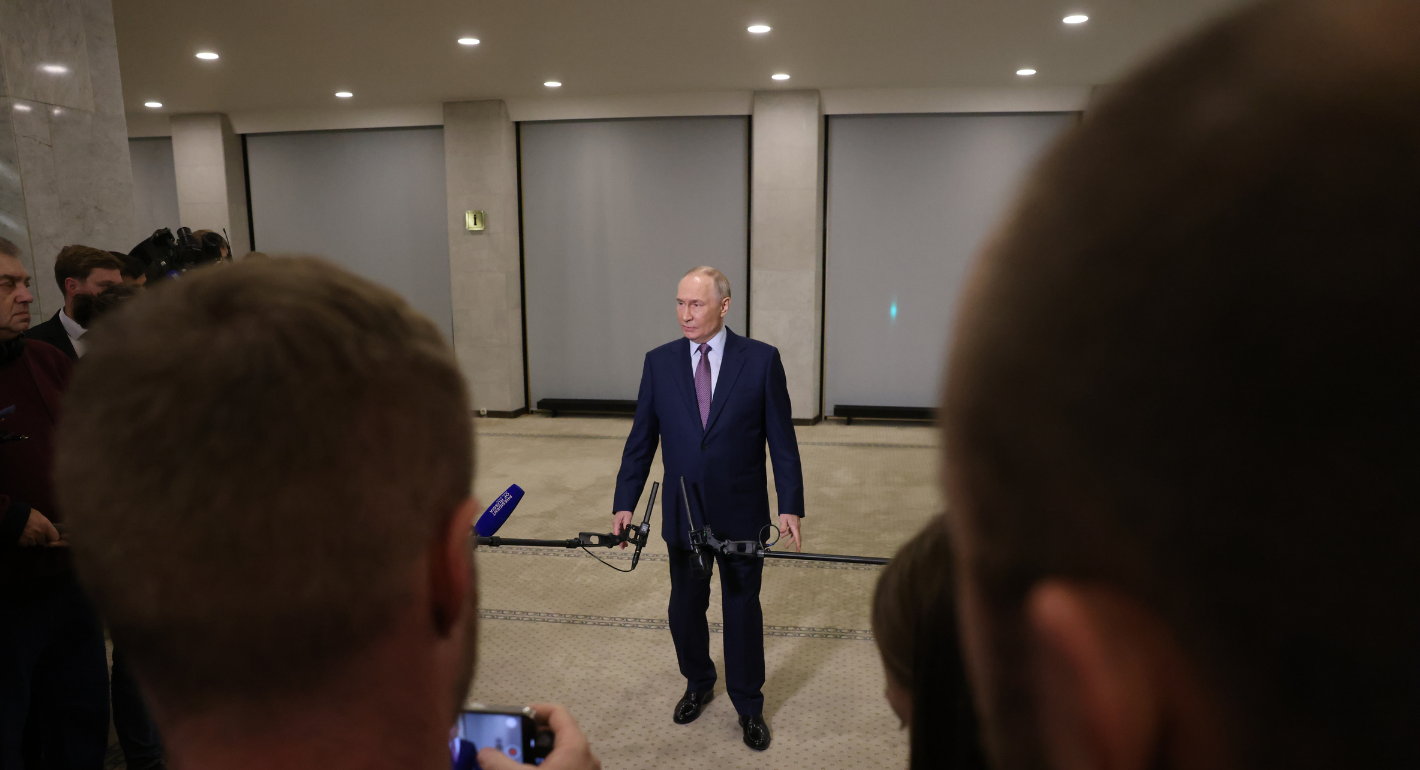
The EU had to compromise to adopt a twenty-first sanctions package against Russia, exposing growing cracks in the union’s resolve. Is this latest, weaker round worth it to keep pressure on Moscow?
Rym Momtaz, ed.
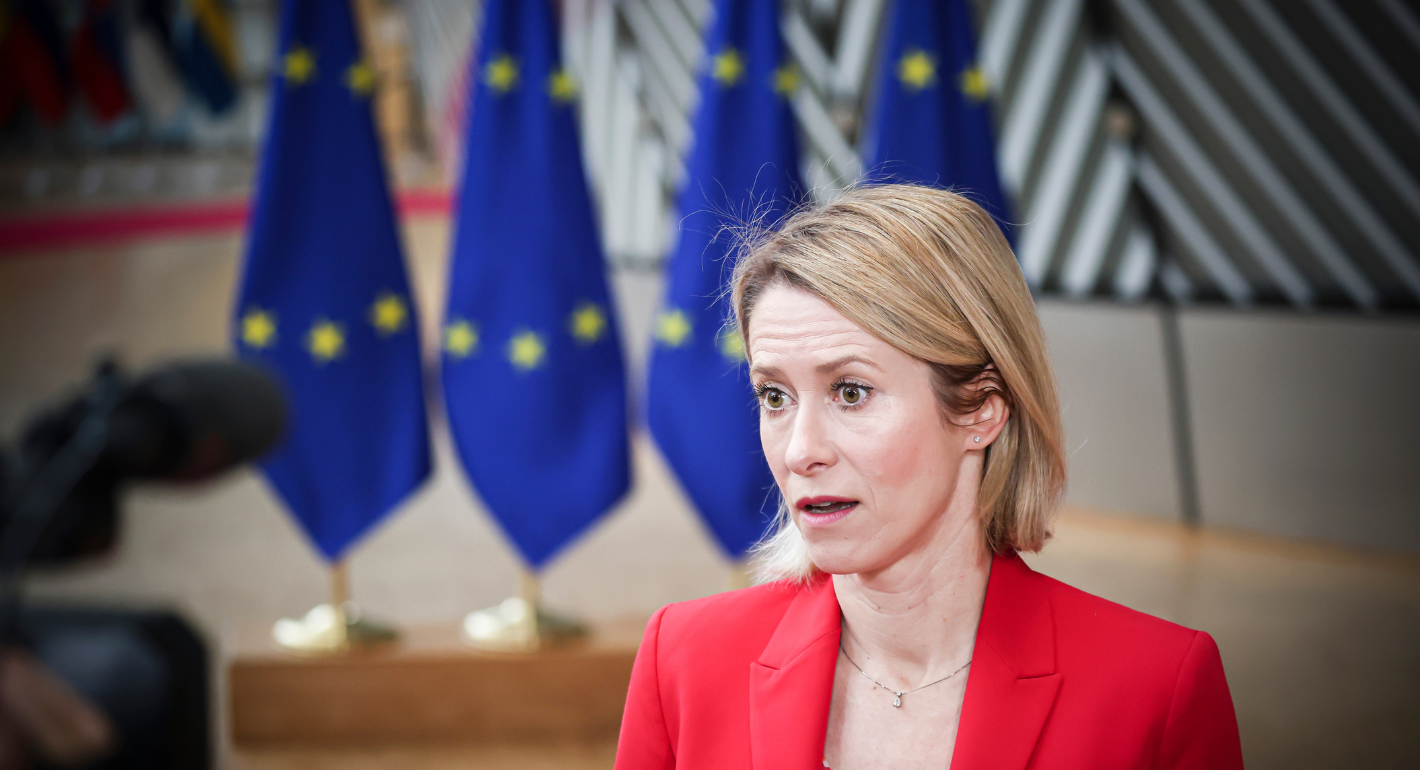
Trump is distracted and Ukraine wants Europe to step up. The continent’s leaders must find their voice and assert it in talks with Russia.

Alissa de Carbonnel

Mounting economic strain and battlefield losses will not necessarily make the Kremlin less dangerous. They could instead push Moscow toward a more aggressive hybrid campaign designed to test NATO’s Eastern flank, exploit allied hesitation, and fracture European resolve.

Maksym Beznosiuk

Over the past ten years, NATO has held almost as many summits as it did during the entirety of the Cold War. Are they still useful, or is it time to stop holding annual meetings?
Rym Momtaz, ed.