

Q&A
Raluca Csernatoni, Sinan Ülgen
{
  "authors": [
    "Sinan Ülgen"
  ],
  "type": "commentary",
  "blog": "Strategic Europe",
  "centerAffiliationAll": "",
  "centers": [
    "Carnegie Endowment for International Peace",
    "Carnegie Europe"
  ],
  "collections": [],
  "englishNewsletterAll": "",
  "nonEnglishNewsletterAll": "",
  "primaryCenter": "Carnegie Europe",
  "programAffiliation": "",
  "programs": [],
  "projects": [],
  "regions": [
    "Europe",
    "Western Europe"
  ],
  "topics": [
    "Foreign Policy",
    "EU"
  ]
}
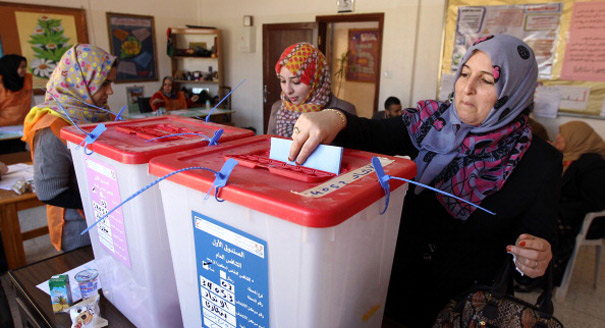
Source: Getty
The introduction of resilience as a key tenet of EU foreign policy should help streamline the EU’s philosophy of engagement with its close neighborhood.
The EU global strategy released in June 2016 has devised a smart way forward to overcome the dichotomy between democracy and stability that has tended to bedevil the EU’s approach to its neighborhood. By devising the new notion of resilience, the strategy should allow European policymakers to move beyond this flawed binary view. But to be effective in practice, this conceptual shift must be much more closely defined.
For long the EU had been accused of promoting stability rather than democracy in its relations with political leaders in its neighborhood. This approach meant prioritizing formal engagement with these states, including the continuation of trade privileges and financial assistance, despite a lack of progress on democratic standards. The argument was that the EU could not afford for these countries to be exposed to growing instability as it would immediately affect the safety and security of EU members. Of particular concern was migration.
A brief window of optimism was ushered in by the onset of an ill-fated Arab Spring. To the extent that these societal dynamics would move the Southern neighborhood countries toward better democratic standards, the EU could finally move away from its untenable position of protecting stability and advancing democracy at the same time.
To be fair, the EU was not the only international actor that had eventually decided to implement a policy based on diplomatic realism. The United States was perhaps even more firmly in this unenviable position. And just like the EU, the United States espoused the optimism of the Arab Spring to declare that it would henceforth support democracy regardless of its potential impact on the short-term stability of partner nations. The stability vs. democracy conundrum was a false one—or at least, so went the argument.
The optimism was to be short-lived. The failure of democratic advances in most of the Arab Spring countries has once again exposed Western nations to a stark reality of how little scope there was for short-term, top-down gains on the democracy front. Democracy promotion will be a generational affair. In the meantime, the cause of stability made a rather flashy return with the refugee crisis, which has singularly focused the minds of European policymakers on the consequences of losing stability in the near neighborhood.
The new EU global strategy seems to have firmly taken stock of the end of this era of democratic optimism with its “back to the future” implications for Europe’s engagement with its neighborhood. Indeed, Europe seemed in danger of going back to the perennial stability vs. democracy dichotomy.
This is where the global strategy breaks new ground, by defining and introducing the concept of resilience. The strategy defines resilience as “the ability of states and societies to reform, thus withstanding and recovering from internal and external crises.” The strategy underlines that “resilience is a broader concept, encompassing all individuals and the whole of society. A resilient society featuring democracy, trust in institutions, and sustainable development lies at the heart of a resilient state.”
This concept can allow EU policymakers to sidestep the inconclusive and eventually counterproductive argument about the balance between stability and democracy. The introduction of third-party resilience as a guiding principle of EU external action should be welcomed as conceptual leap that should help streamline the EU’s philosophy of engagement with its close neighborhood.
Yet as with all conceptual advances, this novelty should and will trigger a debate on its practical aspects. How will this goal shape the design and implementation of EU external policies? The threat is too wide an interpretation of resilience as an engagement strategy. Indeed, with some imagination, every bit of EU action in the future can be claimed to serve the cause of resilience. All the more so because resilience is viewed as an overarching framework that includes states, civil society, and even individuals.
In that sense, the embraced aim of resilience can lead to a blurring of goals. In the past, when democracy building was a priority aim of the EU’s engagement strategy, it was relatively easier to classify and therefore decide on policies. It was clear, for instance, that to be granted more advanced trading, privileged partner nations would be asked to demonstrate their commitment to democratic reforms.
Now, with resilience, such decisions may be less clear-cut. Can a new and more ambitious trade agreement with a democratically regressive regime be defended on the grounds that it will advance the resilience of the partner society? Some difficult questions now await European policymakers, who will have to define in more concrete terms the implications of this conceptual leap.

Senior Fellow, Carnegie Europe
Sinan Ülgen is a senior fellow at Carnegie Europe in Brussels, where his research focuses on Turkish foreign policy, transatlantic relations, international trade, economic security, and digital policy.
Recent Work

Raluca Csernatoni, Sinan Ülgen

Catherine Hoeffler, Sinan Ülgen
Carnegie does not take institutional positions on public policy issues; the views represented herein are those of the author(s) and do not necessarily reflect the views of Carnegie, its staff, or its trustees.
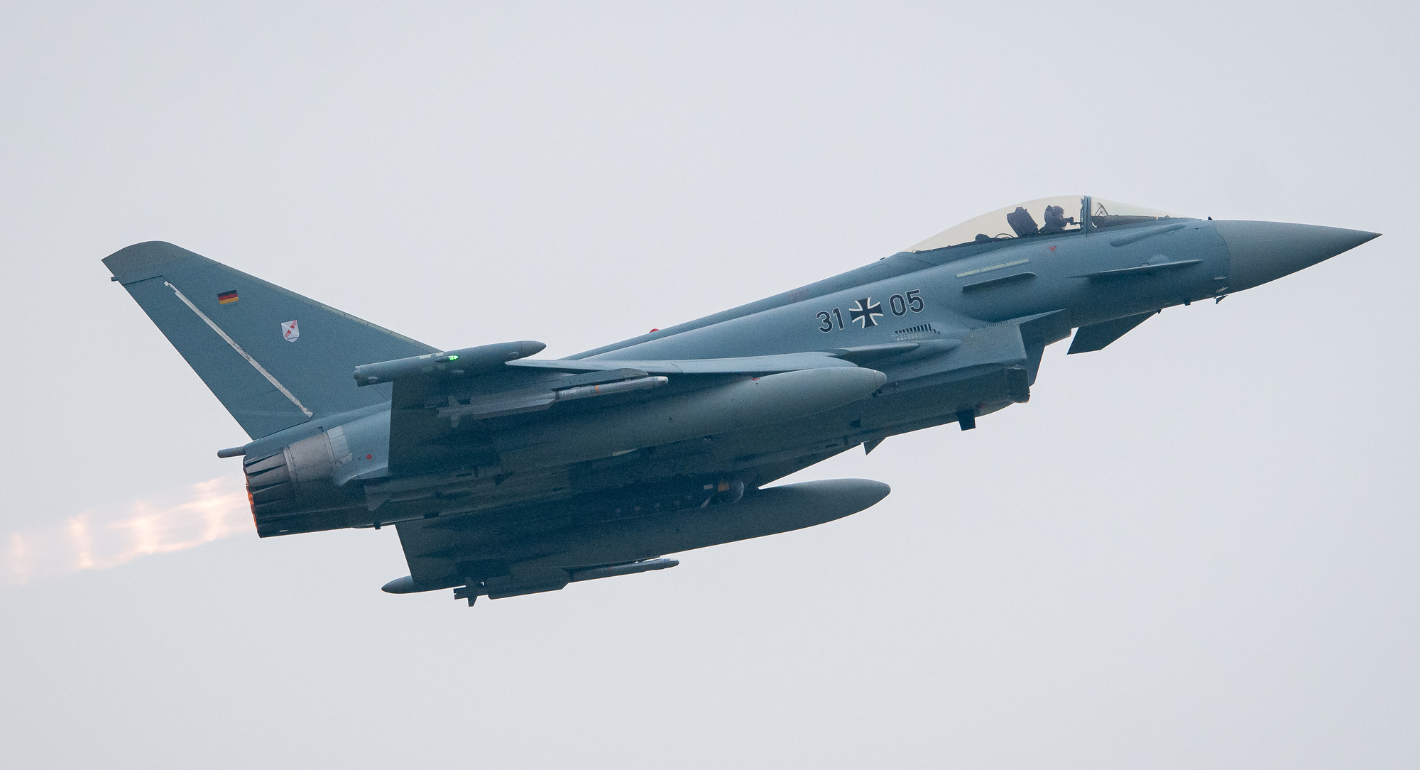
France and Germany’s failure to agree on the Future Combat Air System (FCAS) raises questions about European defense. Amid industrial rivalries and competing strategic cultures, what does the future of European military industrial projects look like?

Rym Momtaz, ed.
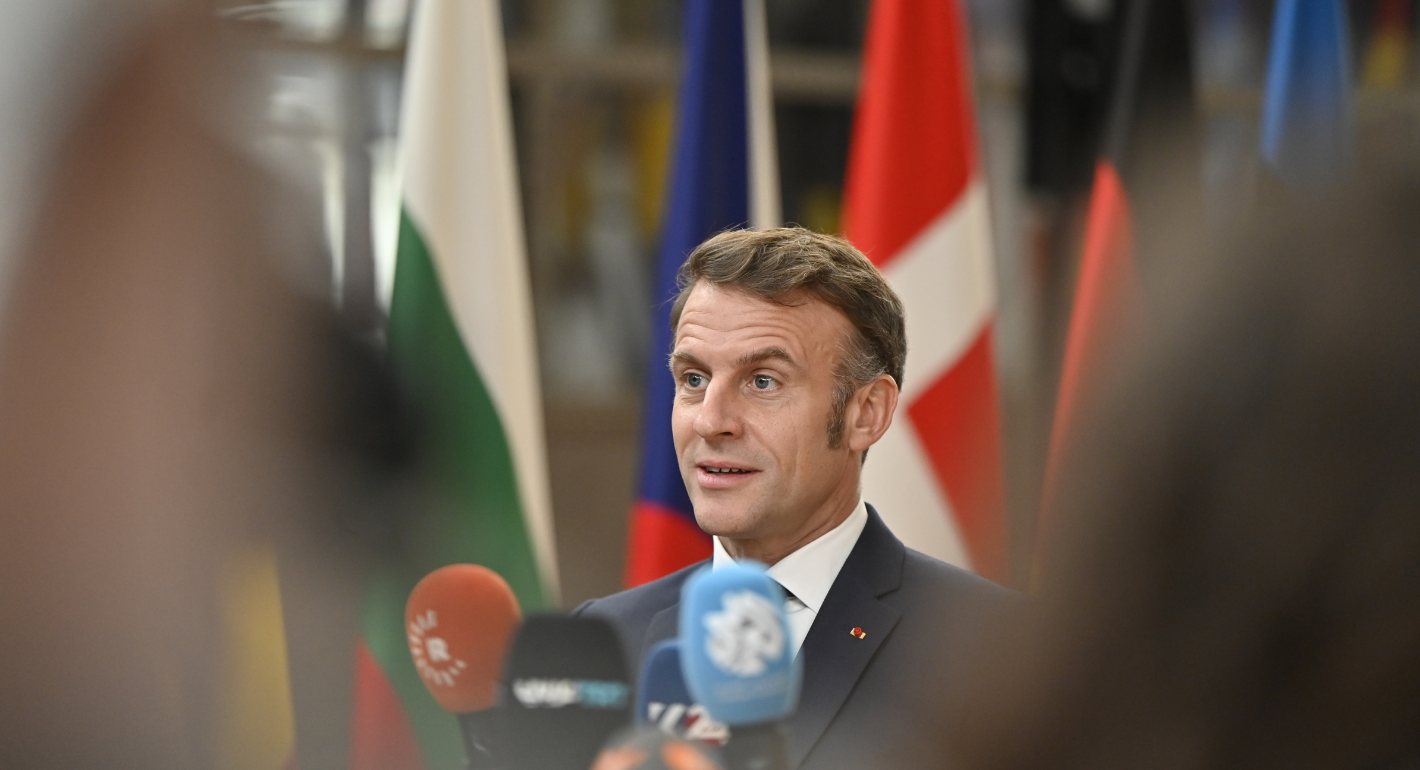
France has stopped clinging to notions of being a great power and is embracing the middle power moment. But Emmanuel Macron has his work cut out if he is to secure his country’s global standing before his term in office ends.
Rym Momtaz
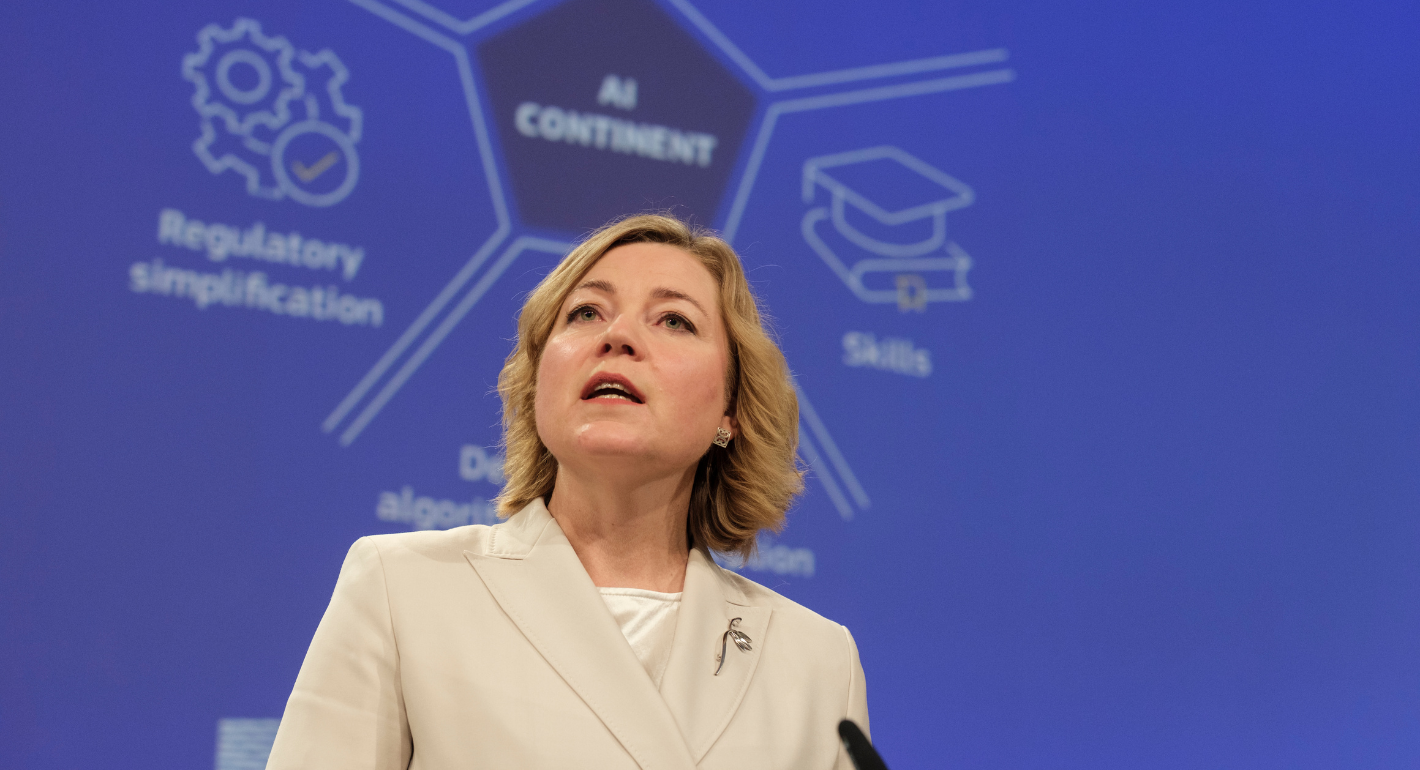
Integrating AI into the workplace will increase job insecurity, fundamentally reshaping labor markets. To anticipate and manage this transition, the EU must build public trust, provide training infrastructures, and establish social protections.

Amanda Coakley
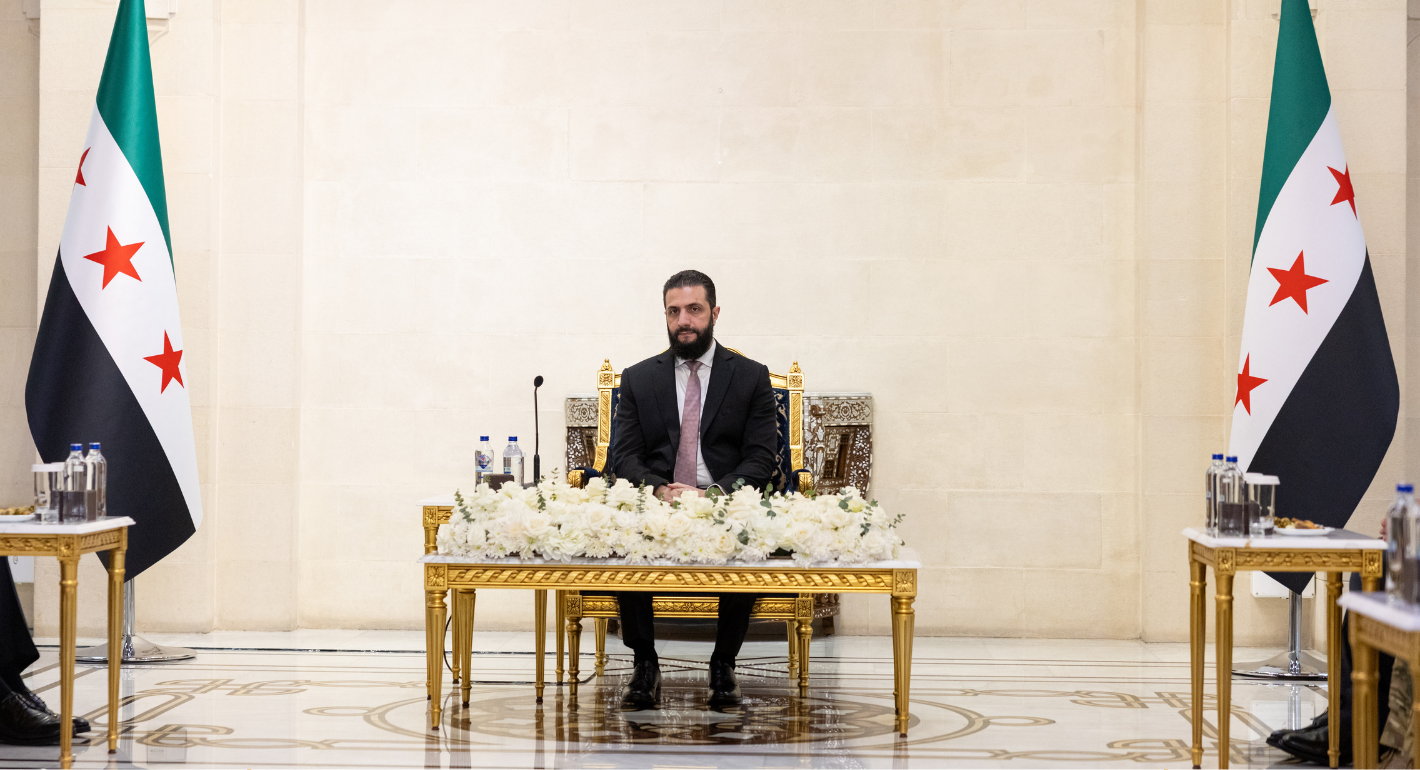
Europe’s interests in Syria extend beyond migration management, yet the EU trails behind other players in the country’s post-Assad reconstruction. To boost its influence in Damascus, the union must upgrade its commitment to ensuring regional stability.


Bianka Speidl, Hanga Horváth-Sántha
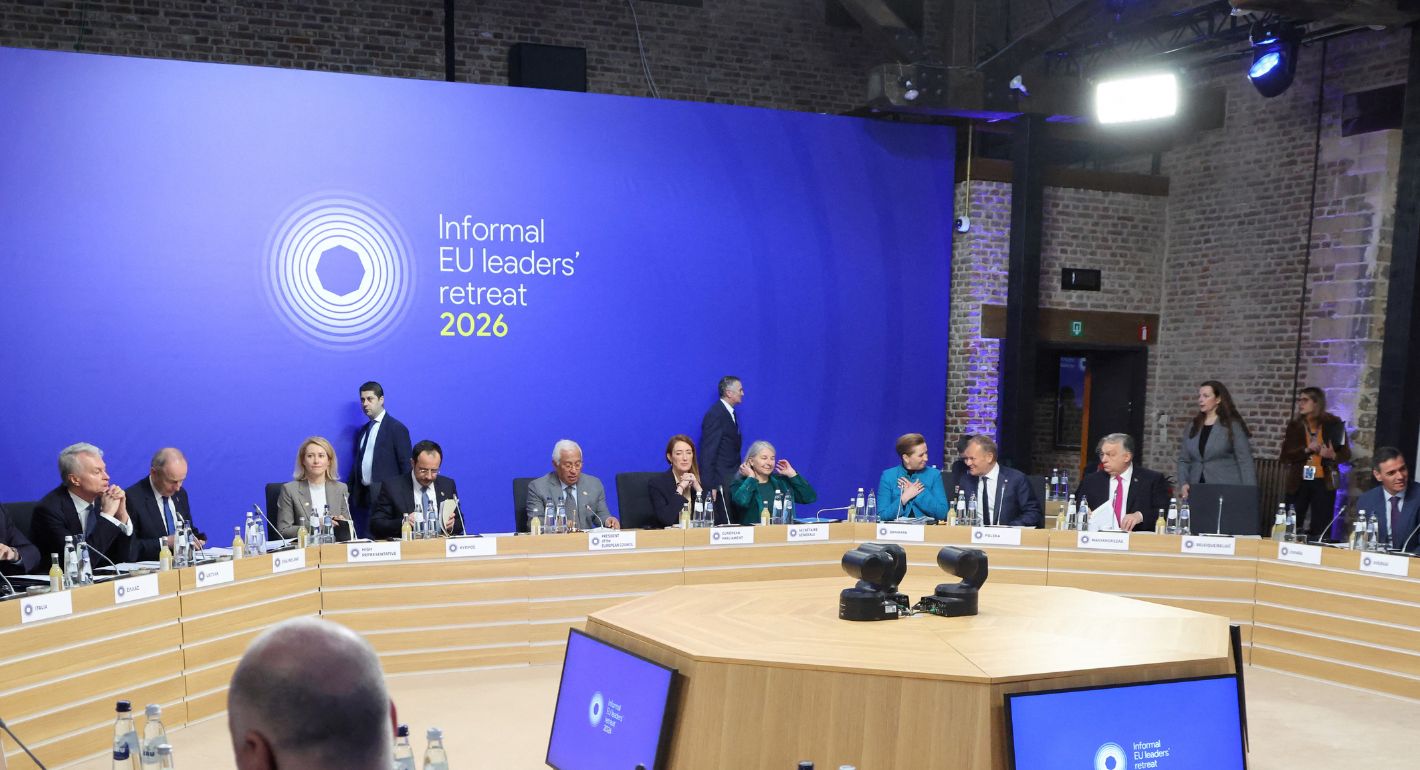
EU member states clash over how to boost the union’s competitiveness: Some want to favor European industries in public procurement, while others worry this could deter foreign investment. So, can the EU simultaneously attract global capital and reduce dependencies?
Rym Momtaz, ed.