

Commentary
The EU is putting together a new security strategy to meet today’s myriad challenges. But for any proposal to be effective, the union needs to grapple with its identity and ambitions.
Pierre Vimont
{
  "authors": [
    "Heather A. Conley"
  ],
  "type": "commentary",
  "blog": "Strategic Europe",
  "centerAffiliationAll": "",
  "centers": [
    "Carnegie Endowment for International Peace",
    "Carnegie Europe"
  ],
  "collections": [],
  "englishNewsletterAll": "",
  "nonEnglishNewsletterAll": "",
  "primaryCenter": "Carnegie Europe",
  "programAffiliation": "",
  "programs": [],
  "projects": [],
  "regions": [
    "North America",
    "United States"
  ],
  "topics": [
    "Foreign Policy"
  ]
}
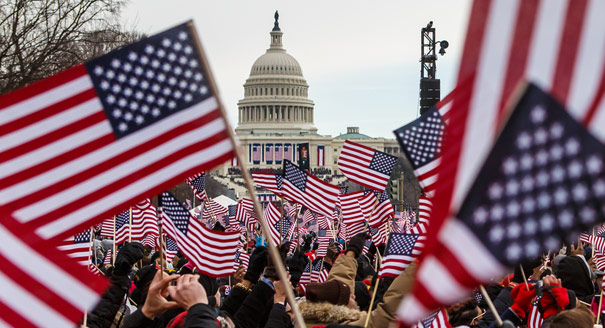
Source: Getty
Many Americans now openly question the most basic tenets of U.S. foreign policy, from free trade to the defense of the international liberal order.
This is the question that I am asked by nearly every European guest who visits my office in Washington, DC. It is no small irony that when not answering Europeans’ questions about the United States, I am explaining what is happening in Europe to confused Americans, an equally distressing task. So, perhaps the best question to ask is: What is happening to the transatlantic community?
Before answering this question, I must properly identify myself: I am a member of the Washington think tank establishment; a product of an elite bubble; a small contributor to the so-called Washington foreign policy playbook; and now, I am told, a member of the blob—an unflattering description that lumps all establishment, foreign policy, and journalistic voices together in an unidentifiable and largely useless entity.
The proper identification of my voice is important, because what I believe is happening in the United States is the rejection of the foreign policy establishment—by both the political Left and the Right—as well as a repudiation of whatever comes out of the elites’ mouths. While this appears to be an anti-intellectual movement, I don’t believe it is. I believe it is a complete breakdown of trust and confidence in the elites.
For decades, foreign policy elites used acronym-filled vocabulary and complex policy to describe a world that is typically only accessible to and understood by other members of the establishment. Thousands of lofty op-eds, speeches, and news conferences explained why a particular U.S. policy was right, important, or urgent. But the scenes unfolding on America’s televisions, in American newspaper headlines, and in American families told a very different story.
U.S. policy hasn’t worked out the way the elites said it would. Long ago, if a U.S. president, secretary of state, secretary of defense, or member of Congress said something related to foreign and security policy, it was taken as rock-solid credible and messaged by trusted media. No longer. A former U.S. president tells the American people that weapons of mass destruction in Iraq were a cause for war, only to be told there were no such weapons. A mission to ensure that another attack like those on September 11, 2001, cannot be hatched in Afghanistan has turned into the longest war in U.S. history, with a lack of public understanding of whether the United States has accomplished its original mission.
A president likens the self-proclaimed Islamic State to a “[junior varsity] team” and says that a Syrian leader “must go,” but five years later, the former is not accurate and the latter has not happened. It is no wonder that the American people question what the elites say and that these doubts are amplified by social media. We, the establishment, have lost the trust and confidence of the American people.
I don’t believe the Washington foreign policy community fully recognizes the revolution that has occurred—despite the dramatic entrance of Republican presidential nominee Donald Trump as the great political disrupter. But many appreciate that something has perhaps irrevocably changed. The most basic tenets of U.S. foreign policy—free trade and the defense of the international liberal order and of the international alliance system that the United States created—are now openly questioned by many Americans.
Free trade?
Many American workers have not felt the benefits of an international trading system they were told would benefit them. If one country invades another or creates islands in the sea and declares them as its territory, why must it always be the U.S. military that deals with these problems? Why do Americans build roads and hospitals in other countries but not in their own? Why does the United States have to spend U.S. taxpayer dollars to defend other countries when these countries don’t spend enough money to defend themselves?
These questions are real, and they deserve open and honest answers. Speeches and comments by U.S. government officials have not yet adapted: officials continue to use talking points that were applicable a decade ago, hoping that if they repeat them often enough and time elapses, they may become true. The elites must recognize that their policies, their decisions—in successive Republican or Democratic administrations—are being actively rejected. American leaders have not listened or effectively responded to voices that say trade, immigration, and alliances like NATO are not good things for the United States.
Meanwhile, European leaders are finding it more difficult to silence the growing number of voices that say trade, immigration, the EU, and allies like the United States are not good things.
There is an uncomfortable silence in the foreign policy establishment. The elites prepare to give their standard answers to why all these things are necessary and important but realize that their answers are inadequate to today’s political reality of rejection.
Globalization—not unlike the Industrial Revolution—has unleashed positive forces of extraordinary technological innovation and communication. Communities can relate to and debate with one another globally like never before. It is the era, in the words of former U.S. national security adviser Zbigniew Brzezinski, of the great global political awakening, particularly in emerging and developing countries.
But globalization has also unleashed disruptive and negative forces in advanced Western countries, forces that have disturbed the West’s shared understanding of the world, of sovereignty, and of communities. Liberating and terrifying, globalization pulsates fear and lack of control, which fuels the Western instinct to take control of sovereignty and build walls to keep others out.
Rather than see the world as a positive opportunity to promote Western ideals of free trade and liberalism—the core strength of the transatlantic community—the world looks increasingly threatening to this community. The instinctive policy response to fear is to protect workers and borders.
The political disruption that both Europe and the United States are experiencing is an ominous warning. The old ways of a top-down, elite-driven foreign policy construct that lacks democratic legitimacy have been discounted. The transatlantic community needs new foreign policy approaches that are more publicly accessible, nimble to circumstances, and regionally adapted. A new and honest conversation with citizens is required to rebuild trust and confidence in institutions and leaders. For if fear is the foundation of illiberalism, trust is the foundation for a more promising future.
Heather A. Conley is senior vice president for Europe, Eurasia, and the Arctic at the Center for Strategic and International Studies in Washington, DC. These views are her own.
Heather A. Conley
Carnegie does not take institutional positions on public policy issues; the views represented herein are those of the author(s) and do not necessarily reflect the views of Carnegie, its staff, or its trustees.

The EU is putting together a new security strategy to meet today’s myriad challenges. But for any proposal to be effective, the union needs to grapple with its identity and ambitions.

Pierre Vimont
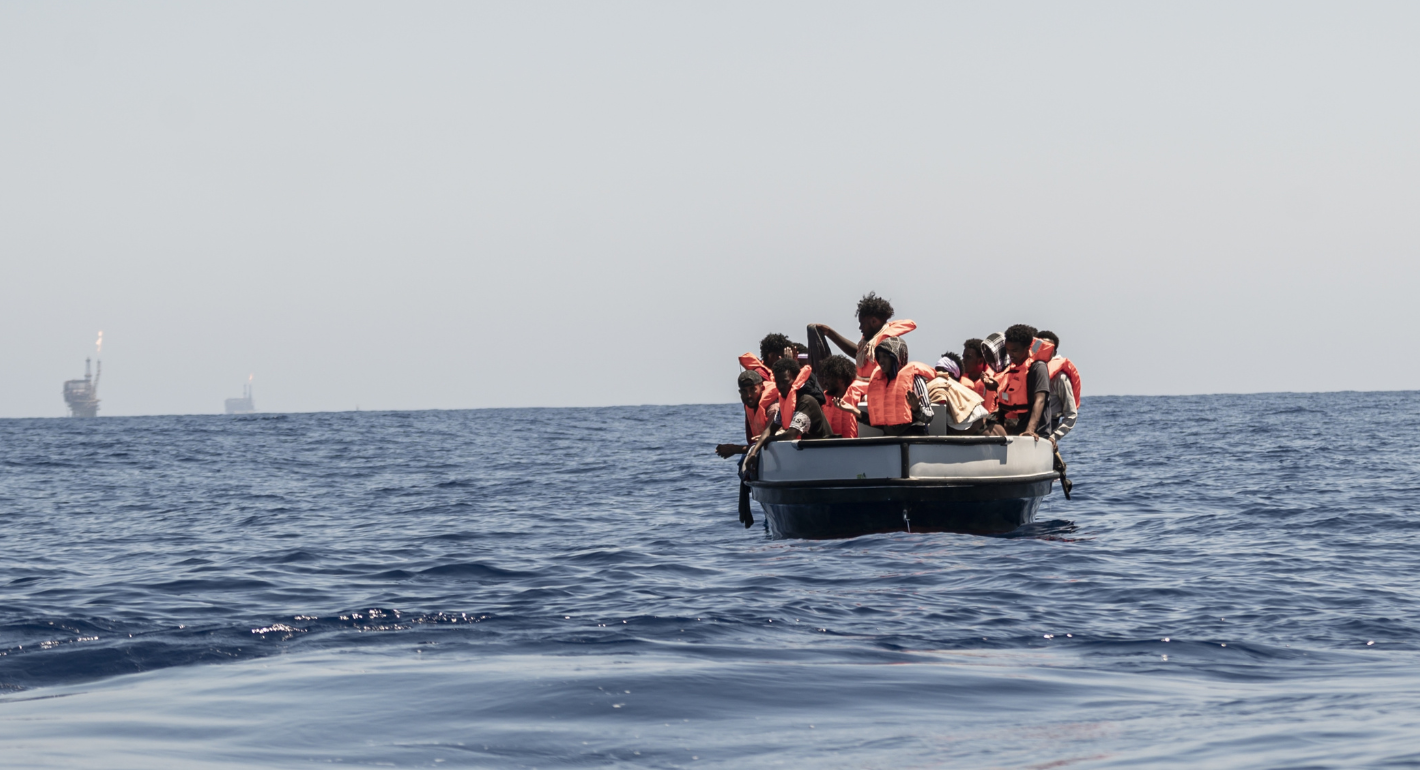
The EU’s new migration policy is not suited to today’s realities. With climate change increasingly becoming a driver of displacement, Europe needs to rethink its deterrence-focused approach.

Shana Tabak
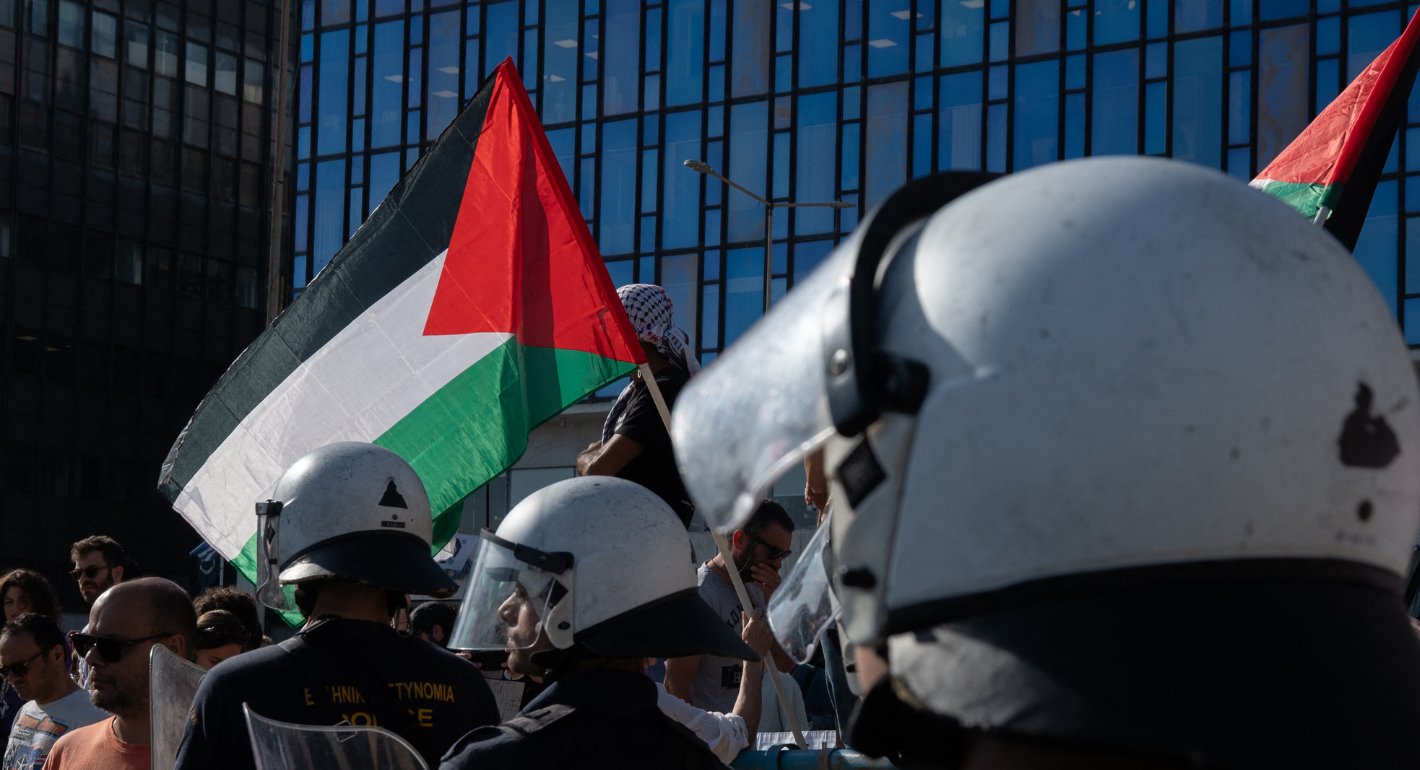
The battle over free speech has taken center stage since U.S. Vice President JD Vance accused Europe of censorship. From travel bans to social media regulation, especially around the Israel-Palestine conflict, are liberal democratic governments weaponizing free speech?

Rym Momtaz, ed.
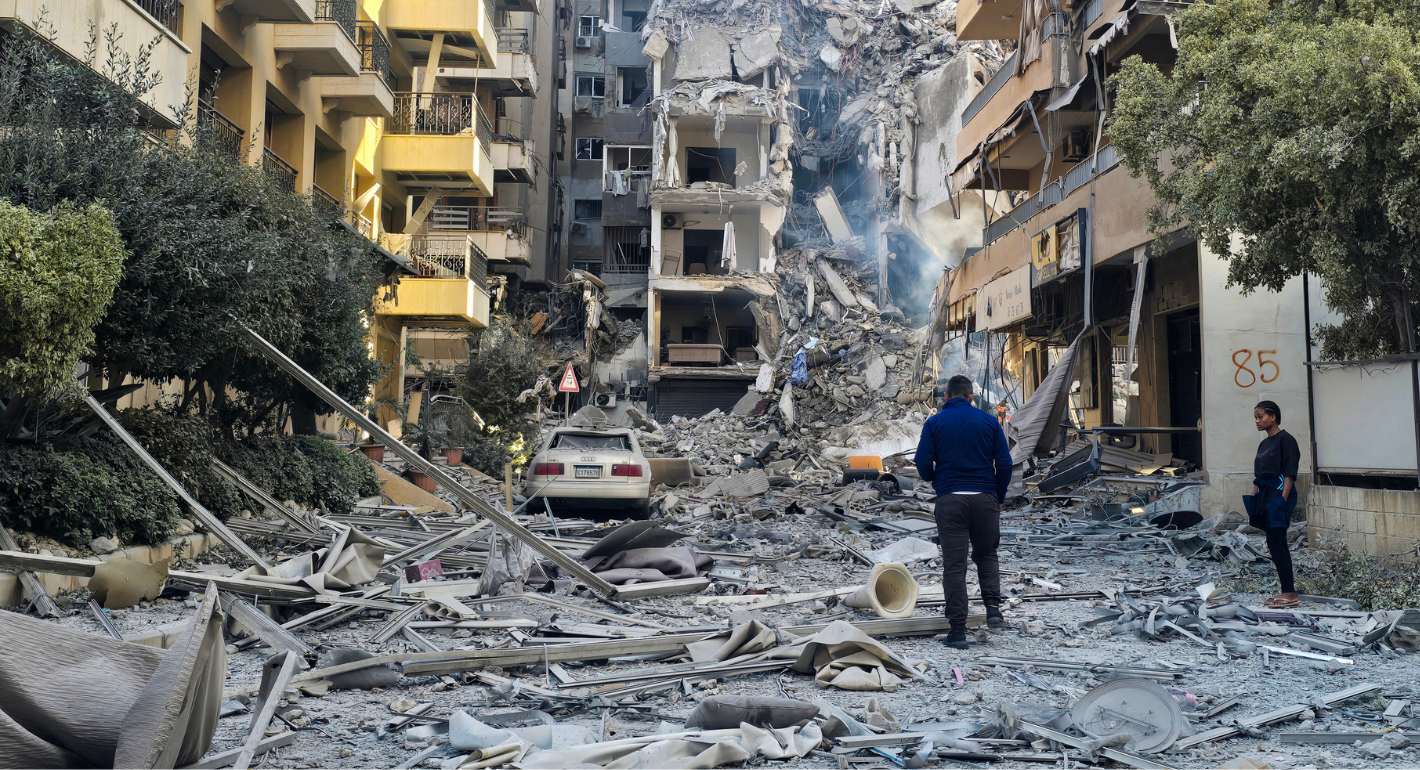
Europe seems to have accepted its sidelining in the Middle East. The EU must reassert its support for the international rules-based order and step up engagement.
Rym Momtaz
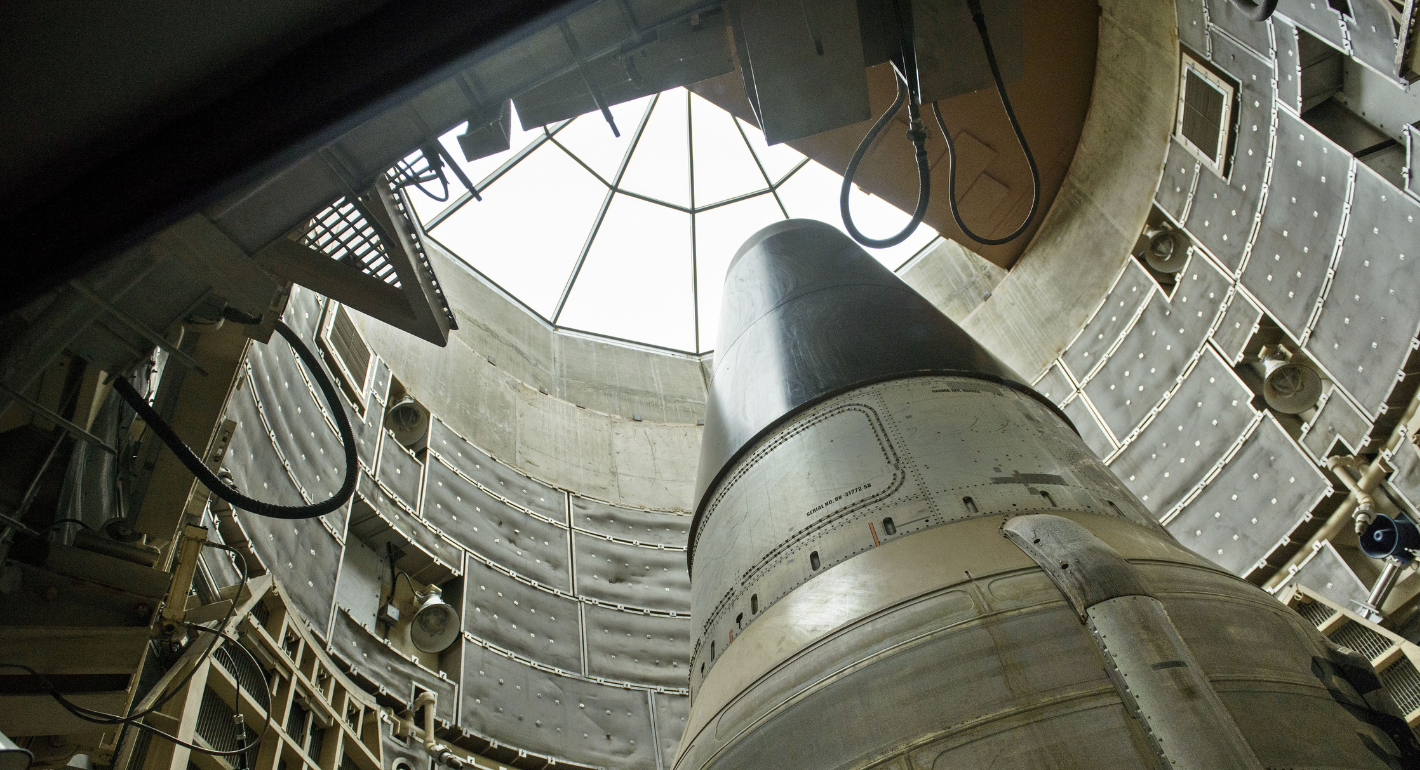
Amid uncertainty caused by the Iran war, the global drive for nonproliferation has stalled. With Europe diplomatically marginalized and countries reassessing their nuclear options, efforts to curb the spread of nuclear weapons risk becoming irrelevant.

Jane Darby Menton