

Commentary
In Ukraine, Gaza, and Iran, AI warfare has come to dominate, with barely any oversight or accountability. Europe must lead the charge on the responsible use of new military technologies.
Raluca Csernatoni
{
  "authors": [
    "Daniel Keohane"
  ],
  "type": "commentary",
  "blog": "Strategic Europe",
  "centerAffiliationAll": "",
  "centers": [
    "Carnegie Endowment for International Peace",
    "Carnegie Europe"
  ],
  "collections": [],
  "englishNewsletterAll": "",
  "nonEnglishNewsletterAll": "",
  "primaryCenter": "Carnegie Europe",
  "programAffiliation": "",
  "programs": [],
  "projects": [],
  "regions": [
    "Europe",
    "Western Europe"
  ],
  "topics": [
    "Security",
    "Military",
    "EU"
  ]
}
Source: Getty
The idea of an EU army is a federalist pipe dream. Much more important is for European leaders to explain what EU military cooperation is ultimately for.
Explaining EU defense policy is not easy. But poor communication by the Brussels-based institutions plays into the hands of Euroskeptics and can damage public trust in union policies. In particular, there is no more misleading or damaging phrase than “European army.”
Federalist politicians, like European Commission President Jean-Claude Juncker, often declare their support for this idea. But like Vladimir and Estragon in Samuel Beckett’s Waiting for Godot, they will wait for an eternity before an EU army becomes a reality.
There can be no European army without a European state. And a federal superstate is not in the cards. Those who propose a Euro-army may think that they are furthering their federalist fantasies, but it is not a credible solution to today’s security challenges. If anything, it is easily perceived as either an evil plot or a useless distraction—or both.
Current EU plans to strengthen defense policy will not create a common European army or an intergovernmental military alliance. EU defense policy is not even a real defense policy. The EU does not defend its territory from attacks by external states, as NATO does. Instead, what is commonly called EU defense policy is the military component of EU international security policies.
The challenge for EU institutions to better explain their military efforts is considerable but not insurmountable. Apart from the general need to stop confusing an intergovernmental security policy with an integrationist project, there are five specific things Brussels should do.
The first is to develop a Team EU approach to communication. So far, different institutions have given mixed messages on defense. One week Juncker calls for an EU army; another week the EU’s foreign policy chief, Federica Mogherini, says that it is not on the agenda. This needs to stop.
The second is to redefine the EU’s so-called defense policy as EU military cooperation. The EU institutions are trying to create a system to help their member governments cooperate more closely on military matters. Essentially, this means enabling governments to spend their sparse defense euros more efficiently—which would benefit both soldiers and taxpayers as well as NATO, because 22 countries are members of both the union and the alliance—and to deploy together on international military operations if needed. But that is all.
The third priority is to stress the institutions’ ability to be superpartners to EU member governments, rather than a desire for the union to become a superpower. National governments are in charge of EU military policies, and those policies are voluntary. Armed forces will remain national, and governments decide how they spend their defense budgets, whether (and how) they wish to cooperate with others, and whether they want to participate in EU operations. For their part, the EU institutions will never win a best-actor award at the Oscars for international security, but they could become a best supporting actor.
The fourth is to sell the product, not the process. Too many press conferences and official documents describe meetings or proposals. For example, on December 15, EU heads of state and government rubber-stamped a package of three separate military plans. Few outside Brussels cared. What most citizens would like to know is what the concrete results of all this EU activity are. There are some good stories to tell. National governments have sent military ships to EU search-and-rescue missions in the Mediterranean that have helped save hundreds of thousands of lives since early 2015. But this story has been hidden by the cacophony of perpetual meetings and proposals.
The fifth task is to use plain English. The proliferation of Euro-jargon and bureaucratic streams of consciousness is a general problem in official EU statements, regardless of the policy area. Even for experts—let alone the general public—these documents can be impenetrable. Using plain English would help avoid misunderstandings not only in the English-speaking world but also among the many Europeans for whom English is their second language. To get their messages across to a wider public, the EU institutions should regularly produce short explanatory documents that follow the six rules in George Orwell’s Politics and the English Language (alongside those long official documents that seem to take inspiration from James Joyce’s Ulysses).
Perhaps the most important challenge of all is to explain what EU military cooperation is ultimately for. The aim of EU foreign and security policies is to replace the law of force with the force of law. The EU, after all, has always been a peace project founded on democratic values and respect for laws, and wants a world order based on the rule of law. Like UN peacekeeping, implementing international law sometimes requires the use of military force.
Military cooperation through the EU helps European governments contribute more to international security. At the behest of the UN, the EU has been able to quickly respond to some crises, such as in the Democratic Republic of the Congo in 2003 and the Darfur conflict in 2008–2009, when the union protected over 400,000 refugees and displaced people fleeing into Chad.
The EU responded rapidly to the Russian-Georgian War in 2008 to shore up a ceasefire. Since 2008, a counterpiracy operation in the waters off Somalia has dramatically reduced the number of attacks on World Food Program and Eurasian maritime trade ships. In sum, EU military operations are deployed to enforce international law.
Federalist politicians are entitled to continue arguing for their fantasy European army. But the Brussels-based institutions would be wiser to focus on explaining what EU military cooperation is and does. This is especially important now, to counter populist anti-EU propaganda in Europe and explain the value of EU military cooperation to the outside world—particularly to the incoming administration of U.S. President-elect Donald Trump.
Those waiting for a European army can instead take solace from Beckett’s advice: “Ever tried. Ever failed. No matter. Try Again. Fail again. Fail better.”
Daniel Keohane is a senior researcher at the Center for Security Studies at ETH Zürich.
Daniel Keohane
Carnegie does not take institutional positions on public policy issues; the views represented herein are those of the author(s) and do not necessarily reflect the views of Carnegie, its staff, or its trustees.
In Ukraine, Gaza, and Iran, AI warfare has come to dominate, with barely any oversight or accountability. Europe must lead the charge on the responsible use of new military technologies.

Raluca Csernatoni
Montenegro and Albania are frontrunners for EU enlargement in the Western Balkans, but they can’t just sit back and wait. To meet their 2030 accession ambitions, they must make a strong positive case.


Dimitar Bechev, Iliriana Gjoni
Donald Trump has repeatedly bashed NATO and European allies, threatening to annex Canada and Greenland and deploring their lack of enthusiasm for his war of choice in Iran. Is this latest round of abuse the final straw?

Rym Momtaz, ed.
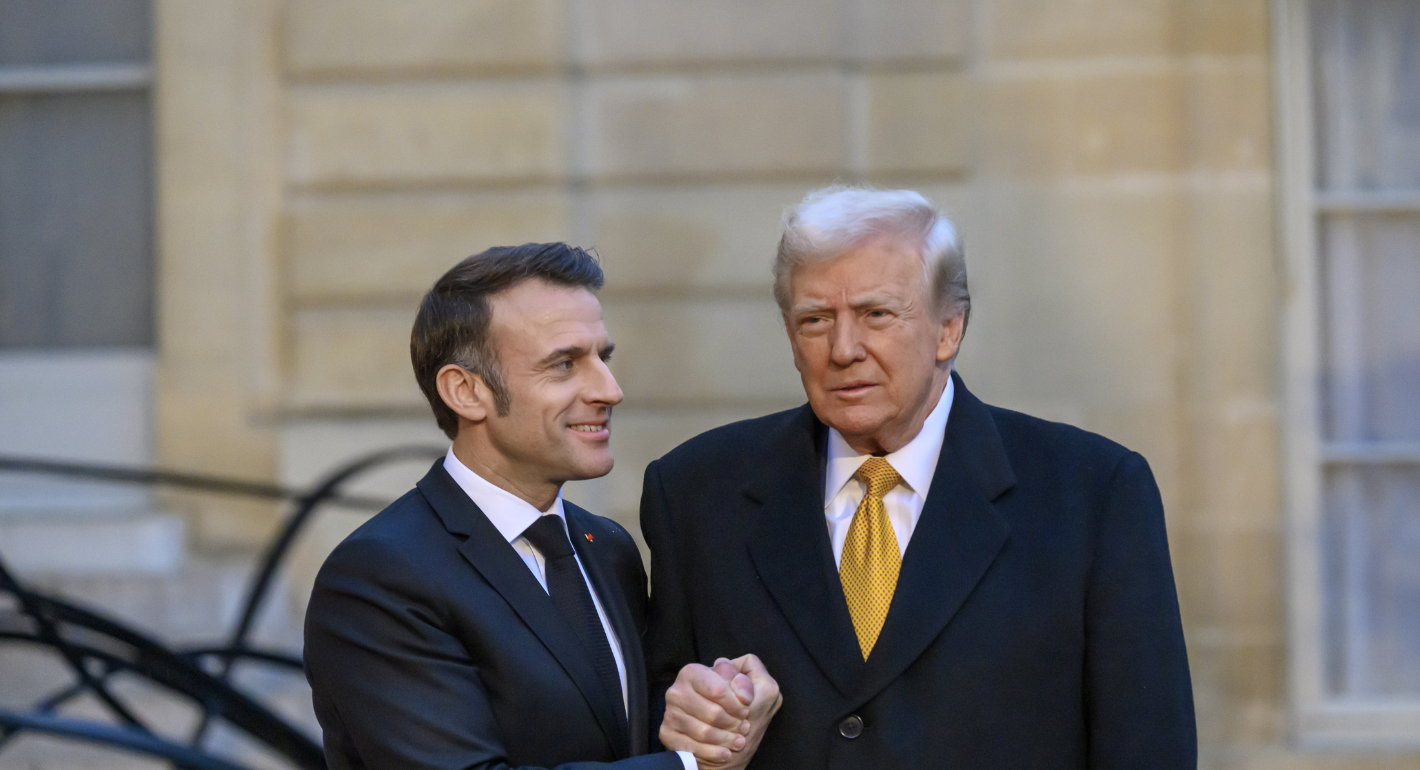
Donald Trump’s repudiation of NATO goes against the Make America Great Again vision of a U.S.-centered foreign policy. If the goal is to preserve the alliance by boosting Europe’s commitments, leaning into France’s vision is the most America First way forward.
Rym Momtaz
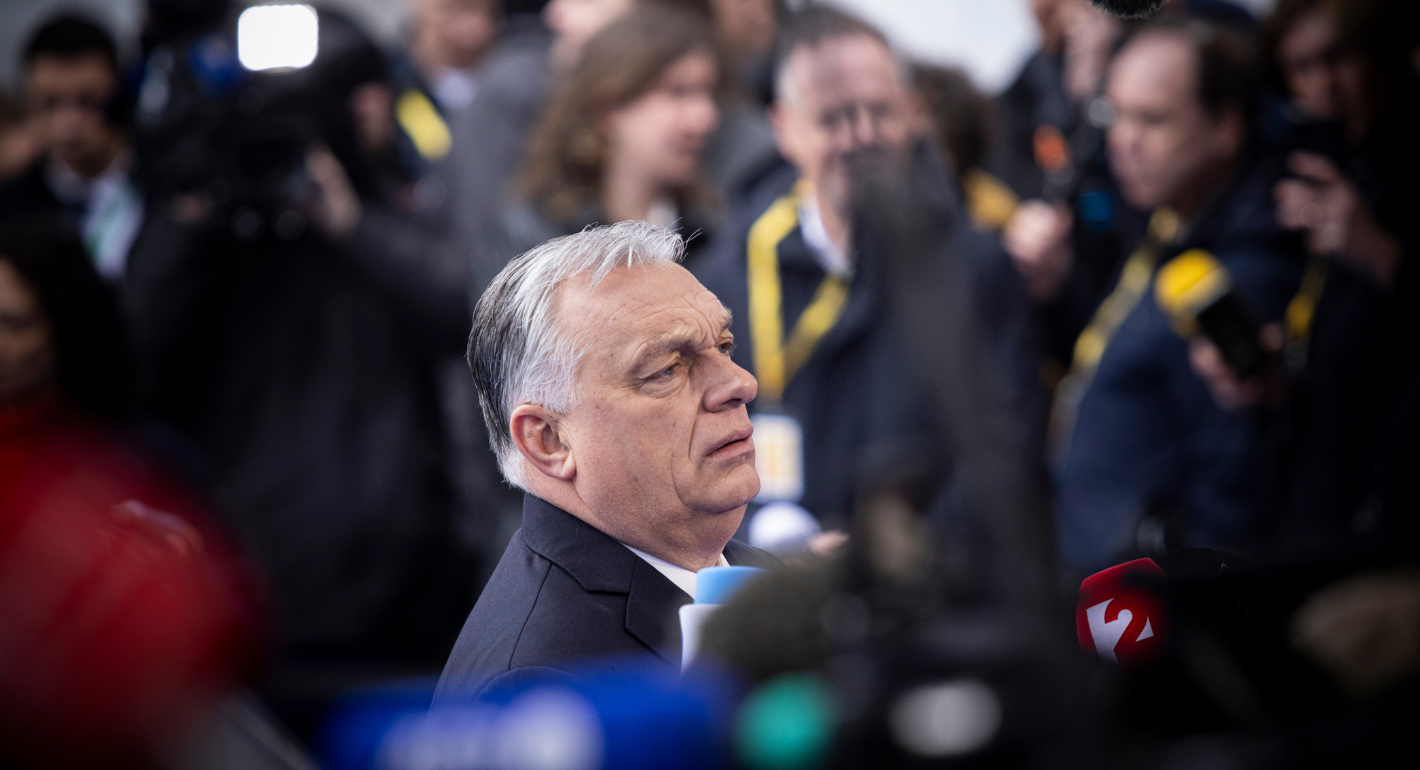
Hungarians head to the polls on April 12 for an election of national and European consequence. Three different outcomes are on the cards, each with their own implications for the EU.

Zsuzsanna Szelényi