

Commentary
Defense tech innovations will be at the heart of Europe’s new security strategy. But so far, Brussels has been making moves without a broader plan, undermining readiness and credibility.
Raluca Csernatoni
{
  "authors": [
    "Lisa Aronsson",
    "Frances G. Burwell"
  ],
  "type": "commentary",
  "blog": "Strategic Europe",
  "centerAffiliationAll": "",
  "centers": [
    "Carnegie Endowment for International Peace",
    "Carnegie Europe"
  ],
  "collections": [
    "Brexit and UK Politics"
  ],
  "englishNewsletterAll": "",
  "nonEnglishNewsletterAll": "",
  "primaryCenter": "Carnegie Endowment for International Peace",
  "programAffiliation": "",
  "programs": [],
  "projects": [],
  "regions": [
    "Western Europe",
    "United Kingdom",
    "Europe"
  ],
  "topics": [
    "Security",
    "EU"
  ]
}
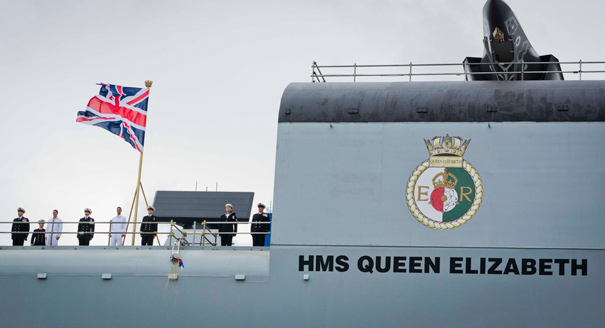
Source: Getty
Both London and Brussels have a strong interest in starting work now to forge a defense partnership for the time when Britain has left the European Union.
With the Brexit negotiations under way, it is time to begin planning for a future defense partnership between the UK and the EU. Such a relationship is essential for British and European security and is a necessary foundation for UK Prime Minister Theresa May’s ambitious plan for a “Global Britain.”
NATO will remain the cornerstone of British defense policy. The UK has committed to the alliance’s target of spending at least 2 percent of GDP on defense and made major investments in defense capabilities, including commitments to operate Queen Elizabeth–class aircraft carriers and buy the P-8 Poseidon maritime patrol aircraft. Britain has emerged as a leader of NATO’s forward presence in Central Europe. NATO alone, however, is not sufficient to meet the challenges facing Europe—and Britain—today.
Nor can the UK count on the United States to underpin a global Britain. The bilateral relationship with Washington will remain very important, but the United States, a behemoth, is focused on global priorities while European allies, including the UK, have narrower geographic interests and struggle to keep up on interoperability, technical capacities, and sheer firepower. London may be tempted to bet on an Atlantic future for its industry, but opportunities will remain limited. The U.S. objection to sharing technology is enduring and will likely grow as new technologies, such as artificial intelligence, make their way into defense.
This all makes the EU an important defense partner for the UK. The threat landscape in Europe is changing, blurring the lines between traditional defense and emerging security challenges. The EU has a broader set of tools than NATO does, and can be useful on migration, border security, humanitarian crises, cybersecurity, energy, and other hybrid challenges. The EU has launched its European Defense Action Plan, which includes a European Defense Fund to support multinational cooperation in developing capabilities and boosting research and development. The UK has a strong interest in helping shape the EU’s research and development agenda and pushing for more capability and deployability among European forces.
The EU also has an interest in a close post-Brexit defense and security partnership with the UK. The EU global strategy unveiled in June 2016 sets out an ambition to achieve “strategic autonomy” and project stability and resilience in the union’s near abroad. The EU needs all the defense capability it can get, and according to RAND, the UK contributes roughly a quarter of that collective capability. It will remain available in NATO and coalitions, but losing it in the EU would deal a blow to that organization’s credibility.
The first step in building a foundation for a future UK-EU defense partnership is to protect it from sour politics over Britain’s exit deal. Assuming a UK-EU dialogue can move forward, London and Brussels must address three questions.
First, can post-Brexit Britain still influence the EU’s strategic outlook? The EU faces an uphill battle to establish credibility in defense, and an outright rejection of the British perspective will not help the EU’s case. While sometimes perceived as a block on EU defense policy, the UK helps the union focus on a broad, global agenda and has fought tirelessly to reduce duplication and improve EU-NATO cooperation. The UK also reminds its European partners of the importance of investing in deployable and relevant assets. The EU won’t give Britain a seat at the table after Brexit, but it would be wise to continue taking British views seriously.
Second, how might the UK contribute to future EU military operations? The UK has discounted EU operations in the past but will want to be part of future missions when British national interests are at stake. Yet, the UK after Brexit will not have a voice on when or where the EU might launch a mission. Even if it decides to contribute forces, London may not have a say on major decisions about the operation. This must be resolved, along with nearer-term operational questions about continuing the command at Northwood, UK, for Operation Atalanta, the EU’s counterpiracy mission off the coast of Somalia, and the British contribution to the EU battle group scheduled for 2019.
Third, how might the UK participate in the EU defense market? The European Defense Agency (EDA) has struggled to shape acquisitions or requirements but is beginning to make a difference to the industrial landscape by supporting collaborative projects. A new arrangement with some access for Britain in the EDA—perhaps through an association arrangement—would be in everyone’s interests. Without this, there is a risk that the UK will be left outside the tent on major European equipment programs.
The UK’s 2015 Strategic Defense and Security Review concluded that Britain must be “international by design.” Post-Brexit Britain will depend on NATO, on the special relationship with the United States, and on bilateral ties with key partners, like France and Germany. The UK should not lose sight of the importance of the EU, however, as a major security actor in Europe and an emerging defense player. Obstacles to a credible EU defense remain, but a political rift that damages cooperation in this vital area will be very costly for both sides.
Lisa Aronsson is a nonresident senior fellow at the Atlantic Council. Frances G. Burwell is a distinguished fellow at the Atlantic Council.
Lisa Aronsson

Frances G. Burwell
Carnegie does not take institutional positions on public policy issues; the views represented herein are those of the author(s) and do not necessarily reflect the views of Carnegie, its staff, or its trustees.

Defense tech innovations will be at the heart of Europe’s new security strategy. But so far, Brussels has been making moves without a broader plan, undermining readiness and credibility.

Raluca Csernatoni

When the U.S.-Iran memorandum of understanding was announced, the UK, France, Germany, and Italy declared their readiness to help demine the Strait of Hormuz and lift nuclear sanctions on Tehran. But does Europe need new tools to recover a diplomatic role?

Rym Momtaz, ed.
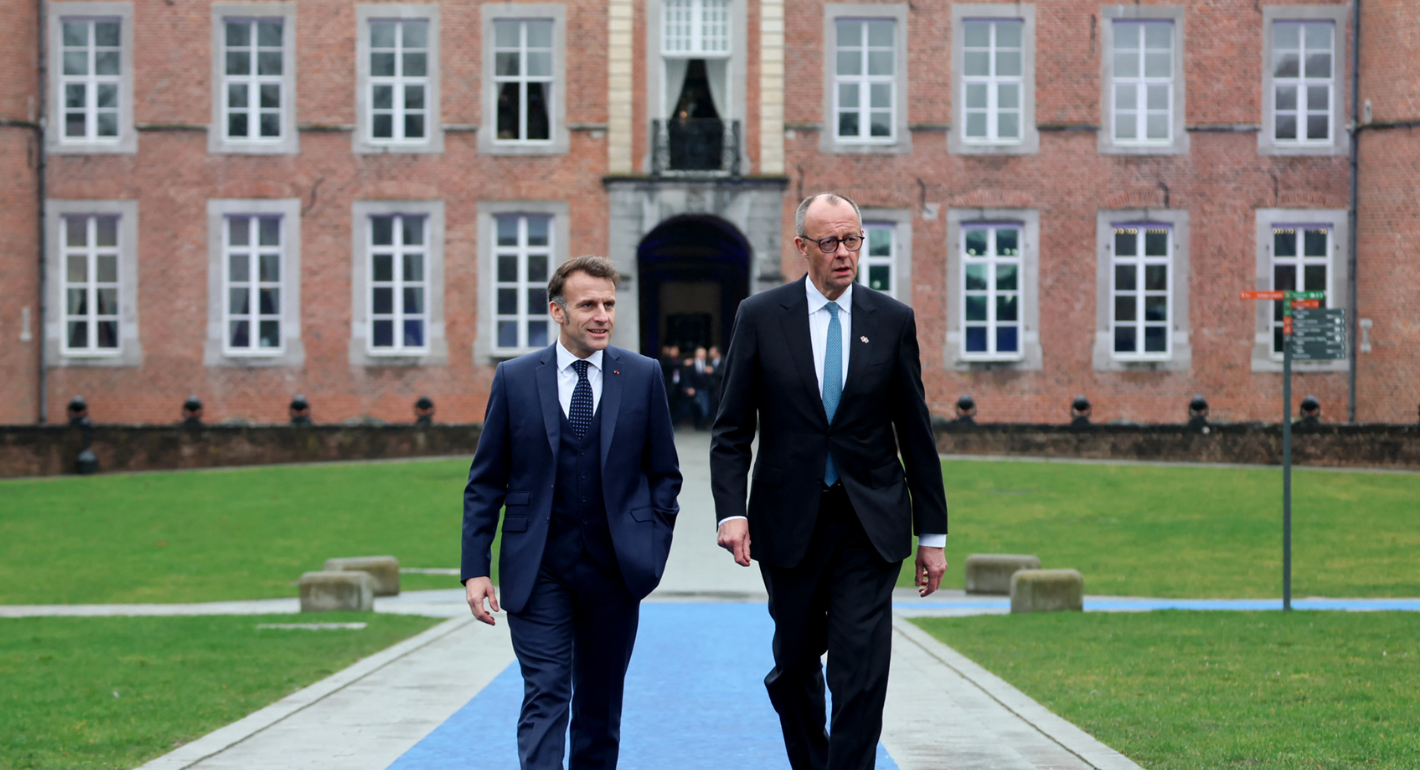
The Franco-German relationship is on the rocks again. But unlike previous moments of tension, the epochal changes on the world stage require that both step up investment in their bilateral ties.
Rym Momtaz
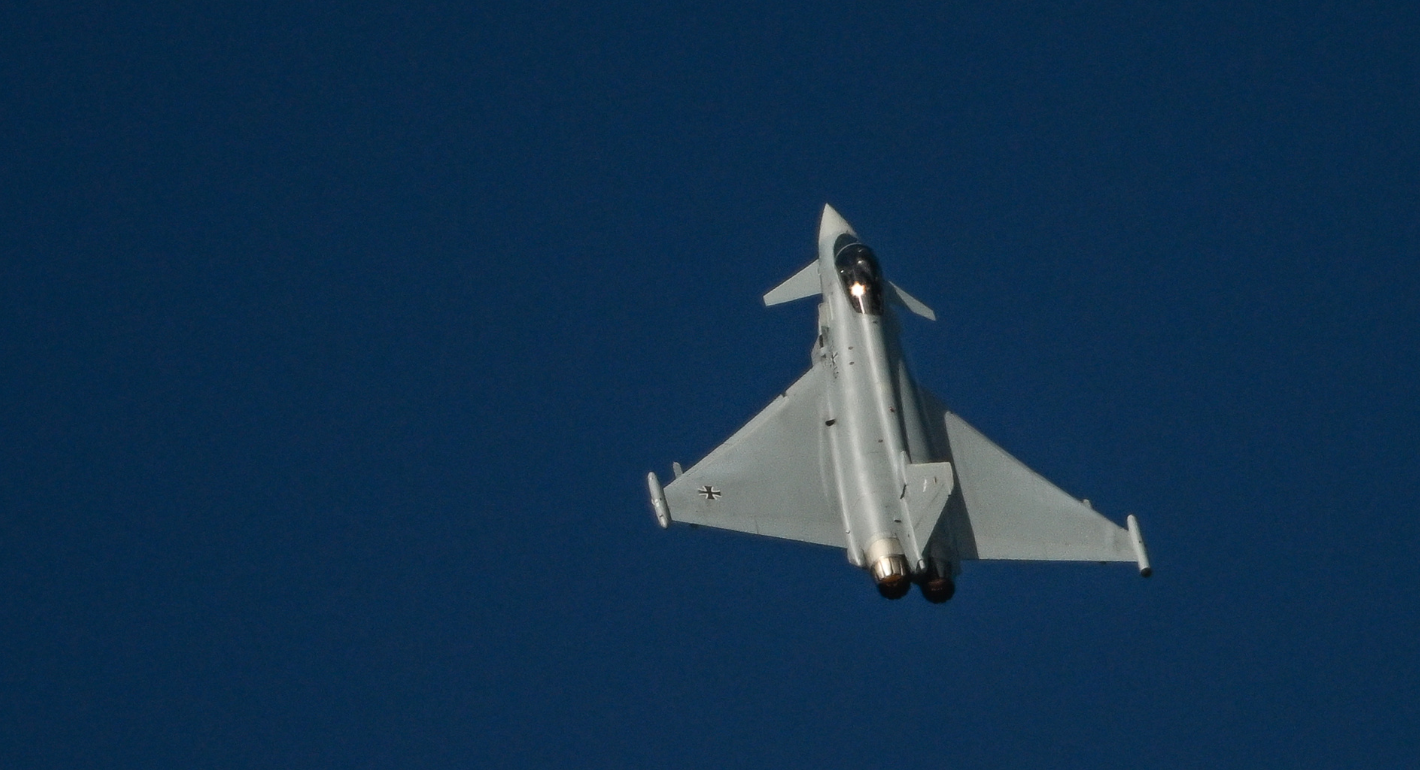
The EU is putting together a new security strategy to meet today’s myriad challenges. But for any proposal to be effective, the union needs to grapple with its identity and ambitions.

Pierre Vimont

The EU’s new migration policy is not suited to today’s realities. With climate change increasingly becoming a driver of displacement, Europe needs to rethink its deterrence-focused approach.

Shana Tabak