

Commentary
Judy Dempsey
{
  "authors": [
    "Judy Dempsey"
  ],
  "type": "commentary",
  "blog": "Strategic Europe",
  "centerAffiliationAll": "",
  "centers": [
    "Carnegie Endowment for International Peace",
    "Carnegie Europe"
  ],
  "collections": [
    "EU Integration and Enlargement",
    "Brexit and UK Politics"
  ],
  "englishNewsletterAll": "",
  "nonEnglishNewsletterAll": "",
  "primaryCenter": "Carnegie Europe",
  "programAffiliation": "",
  "programs": [],
  "projects": [],
  "regions": [
    "Europe",
    "Western Europe",
    "United Kingdom"
  ],
  "topics": [
    "EU",
    "Economy",
    "Political Reform"
  ]
}
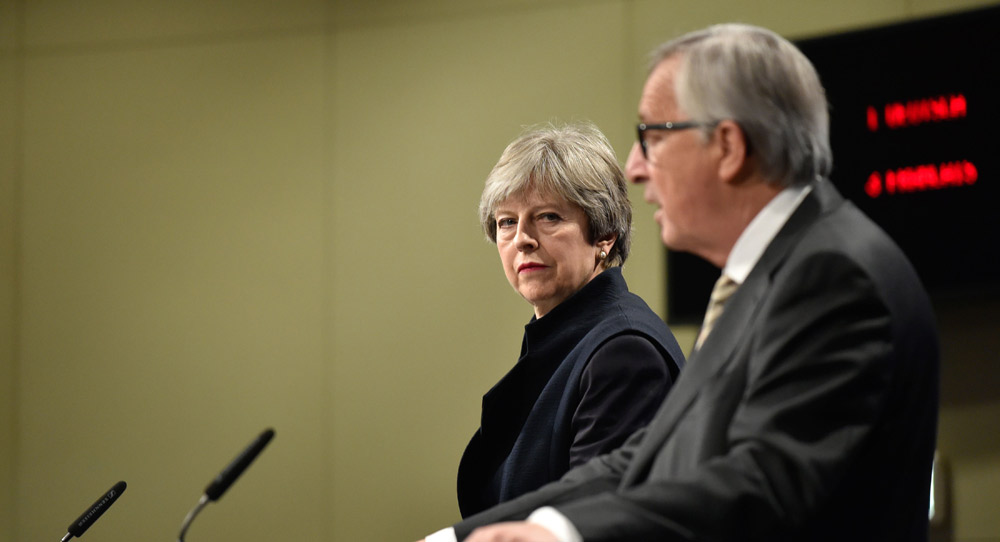
Source: Getty
A small unionist party in Northern Ireland is haunting the Brexit talks and the British prime minister.
Hours after losing her parliamentary majority in last May’s general election, Britain’s Prime Minister Theresa May reached out to Northern Ireland’s conservative Protestant Democratic Unionist Party (DUP).
May’s calculation was opportunistic, naive, and shortsighted.
In order to have a working majority in parliament she would need to bring on board the DUP, which had won ten seats. To win its support, the party demanded a ₤1 billion fee. May obliged.
As she found out on December 4, this alliance has proved a major strategic and political blunder. During her amiable talks in Brussels, May had hoped to finally make a major breakthrough in pushing forward the Brexit negotiations.
Three issues were holding up progress on these talks: the future status of the border between Northern Ireland and the Republic of Ireland; how much Britain should pay to leave; and what guarantees would be given to the millions of EU citizens residing in Britain and British citizens living on the continent.
Despite the highly vocal Brexit wing in her Conservative party and the toxic anti-EU polemics in the British tabloid press, May had come close to agreeing the divorce bill with Brussels. She was making some progress, too, about the status of EU citizens. And, after months of discussing what would happen on the border issue, with the Irish government insisting there would be no hard border between the republic and Northern Ireland, May thought she had found a way round this complex issue.
She was prepared to offer the Dublin government a “regulatory alignment” on both sides of a new UK-EU land border. That would avoid a hard border, which would be catastrophic for the economies of the North and the South. Just as important, a hard border would undermine the historic 1998 Good Friday Agreement that ended decades of conflict between nationalists and unionists in Northern Ireland.
As she discussed these border details with her interlocutors in Brussels, confident that she had cracked the issue, May had to take a phone call from Arlene Foster, the DUP leader.
Foster had already told supporters that she opposed the “regulatory alignment.” For her, it created a “regulatory divergence.” Simply put, more hardline or opportunist members of the DUP fear that a special status for Northern Ireland would slowly weaken the province’s links with mainland Britain. The DUP, by the way, was the only party in Northern Ireland that supported Brexit, while 56 percent voted to remain in the EU.
Brexit was always going to rub against the future of the United Kingdom precisely because of Northern Ireland’s relationship with the EU, not to mention the Republic of Ireland.
What has always been at stake for Dublin, but also for Belfast, were the EU’s four freedoms—the freedom of movement of goods, capital, services, and labor. A hard Brexit would mean Northern Ireland losing these freedoms. It would affect almost every aspect of life, from commuters travelling between the republic and the North to dairy farmers selling their milk across the invisible border. It would undermine the confidence and reconciliation that underpins the Good Friday accord.
It took May and her ministers far too long to understand the implications of Brexit for Northern Ireland. Her decision to team up with the DUP exposed the ignorance of the implications for the Good Friday Agreement. It specifically states that “whatever choice is freely exercised by a majority of the people of Northern Ireland, the power of the sovereign government with jurisdiction there shall be exercised with rigorous impartiality on behalf of all the people….”
May threw impartiality to the wind. She is now paying a high price.
As EU leaders prepare for a summit on December 14-15 in Brussels, where it is still hoped the Brexit talks can make headway, May’s gamble in depending on the DUP to prop up her government has exposed a very weak hand.
Dublin’s cards, in contrast, are strong. The Irish government can veto the Brexit deal if it doesn’t get the “regulatory alignment” that May proposed. But if that status for Northern Ireland is agreed, there is little doubt that Scotland and Wales—and the city of London, for that matter—would demand similar concessions from the Brexit negotiations.
Instead of Northern Ireland becoming an exception, it could set a precedent for other regions and leaders wanting to extract special conditions from the EU. As May turns to deal with all this, including the DUP, Ireland’s border question has now become a European question.

Nonresident Senior Fellow, Carnegie Europe
Judy Dempsey is a nonresident senior fellow at Carnegie Europe
Recent Work
Judy Dempsey
Judy Dempsey
Carnegie does not take institutional positions on public policy issues; the views represented herein are those of the author(s) and do not necessarily reflect the views of Carnegie, its staff, or its trustees.
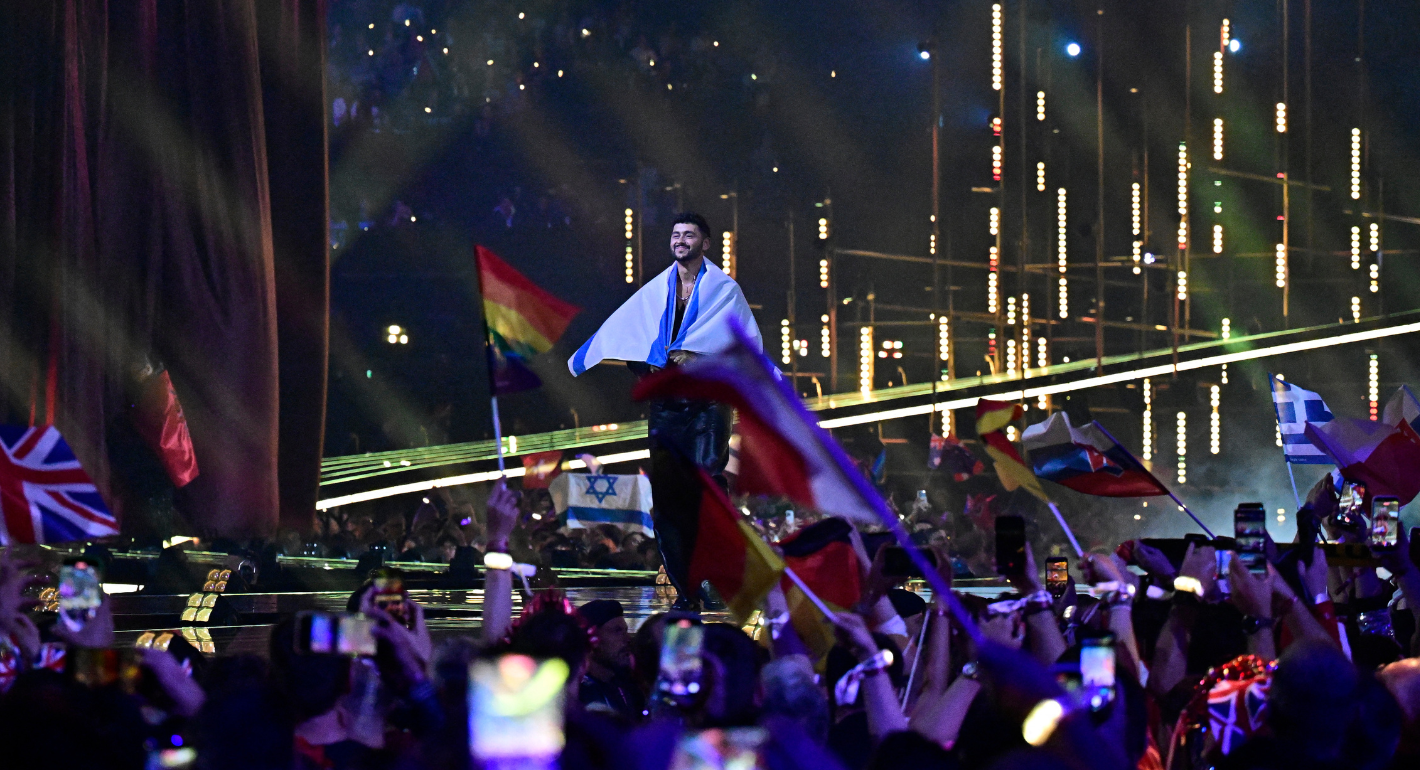
Five countries staged the biggest political boycott in Eurovision history over Israel’s participation. With the FIFA World Cup and other sporting or cultural touchstones on the horizon, are boycotts effective?

Rym Momtaz, ed.
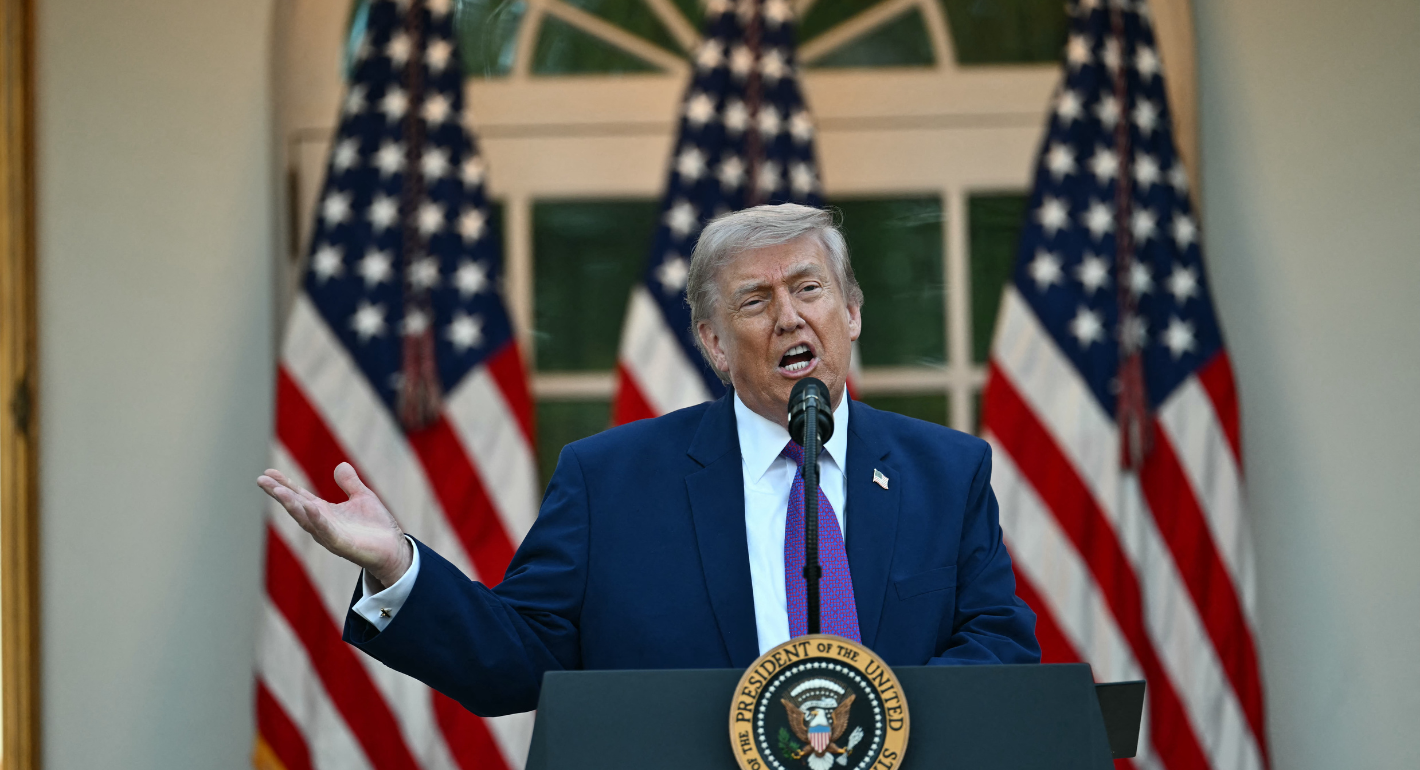
The full list of humiliations Europe has endured since Donald Trump returned to the White House makes for grim reading. But Washington’s adversarial approach to its allies undermines its own power base.
Rym Momtaz
The closure of the Strait of Hormuz has triggered a global energy crisis, but Europe is stuck in reaction mode. Without more strategic foresight, the EU will remain dependent on fossil fuels and will never be truly secure.


Milo McBride, Pauline Gerard
After spending much of 2025 trying to placate Donald Trump, some European leaders are starting to change posture. But is even a hostile Washington still so important to Europe that the U.S. president’s outbursts are worth putting up with?
Rym Momtaz, ed.
European leaders have now not only lost faith in Donald Trump’s U.S. presidency, but also in America’s hegemony as a whole. But short-term challenges make an immediate divorce unwise.
Rym Momtaz