

{
  "authors": [
    "Thomas Carothers",
    "Francis Fukuyama",
    "Vin Weber",
    "Jennifer Windsor"
  ],
  "type": "event",
  "centerAffiliationAll": "dc",
  "centers": [
    "Carnegie Endowment for International Peace"
  ],
  "collections": [],
  "englishNewsletterAll": "democracy",
  "nonEnglishNewsletterAll": "",
  "primaryCenter": "Carnegie Endowment for International Peace",
  "programAffiliation": "DCG",
  "programs": [
    "Democracy, Conflict, and Governance"
  ],
  "projects": [],
  "regions": [
    "North America",
    "United States"
  ],
  "topics": [
    "Political Reform",
    "Democracy"
  ]
}
U.S. Democracy Promotion During and After Bush
Wed, September 12th, 2007
Washington, D.C.
IMGXYZ758IMGZYXDespite sweeping rhetoric about the global spread of democracy, the Bush Administration has significantly damaged U.S. democracy promotion efforts and increased the number of close ties with “friendly tyrants,” concludes a new report from the Carnegie Endowment for International Peace. Security interests, such as the war on terrorism, and U.S. energy needs have led the Bush Administration to maintain friendly, unchallenged relations with more than half of the 45 “non-free” countries in the world.
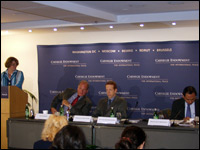
On September 12, Thomas Carothers presented the findings of his new report, U.S. Democracy Promotion During and After Bush. Two distinguished guests, Francis Fukuyama and Vin Weber, commented on his presentation, followed by a question-and-answer session.
Presenter
• Thomas Carothers, Vice President for Studies, Carnegie Endowment for International Peace
Commentators
• Francis Fukuyama, Bernard L. Schwartz Professor of International Political Economy, Johns Hopkins University
• The Honorable Vin Weber, Chairman, National Endowment for Democracy
Moderator
Jennifer Windsor, Executive Director, Freedom House
Carnegie does not take institutional positions on public policy issues; the views represented herein are those of the author(s) and do not necessarily reflect the views of Carnegie, its staff, or its trustees.
Event Speakers
Harvey V. Fineberg Chair for Democracy Studies; Senior Fellow, Democracy, Conflict, and Governance Program

Thomas Carothers, a senior fellow in the Carnegie Endowment for International Peace’s Democracy, Conflict, and Governance Program, is a leading expert on comparative democratization and international support for democracy.
Former Nonresident Scholar, Democracy, Conflict, and Governance Program
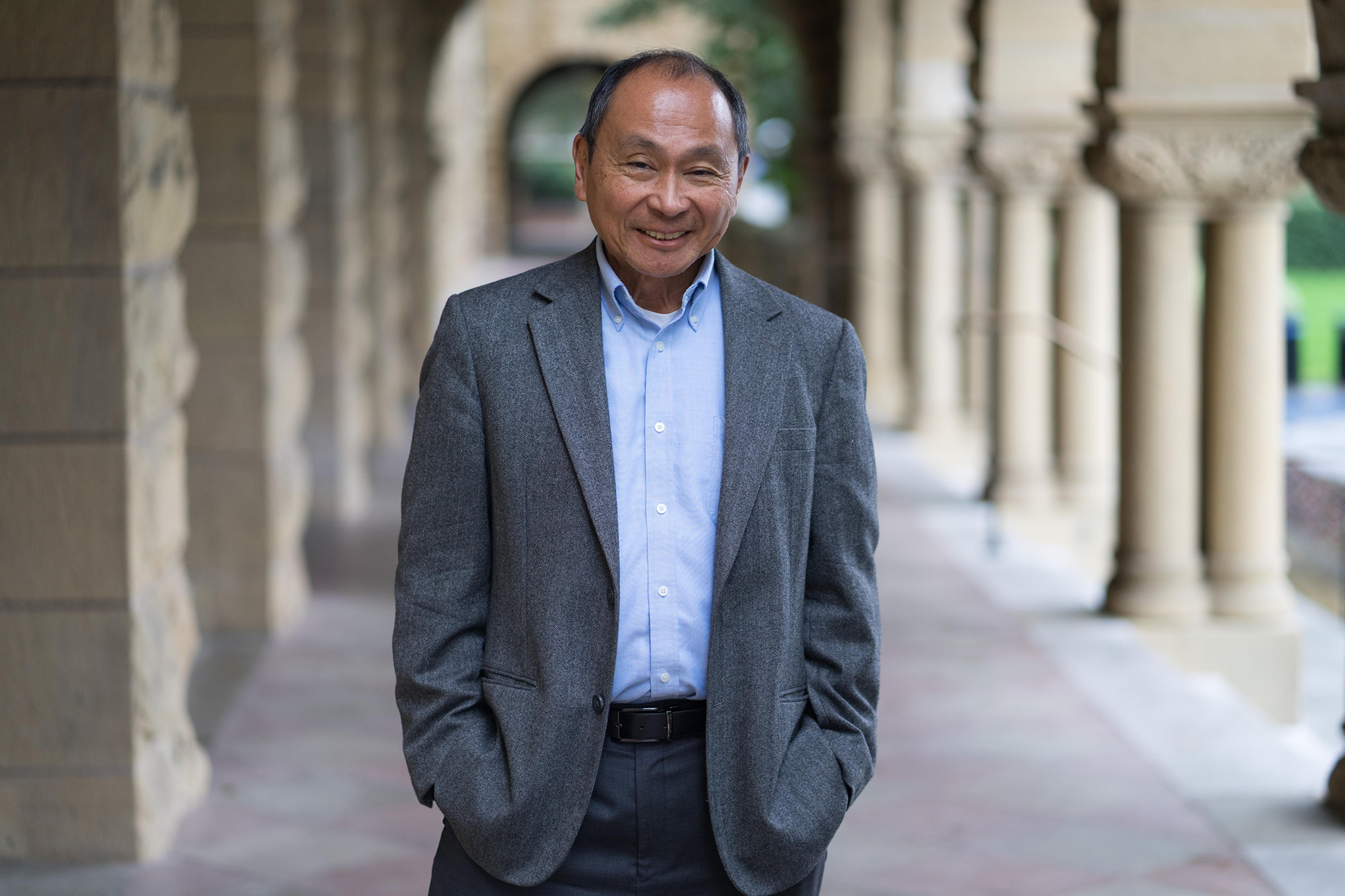
Francis Fukuyama was a nonresident scholar in Carnegie’s Democracy, Conflict, and Governance Program, where his research focuses on democratization and international political economy.
Vin Weber
Jennifer Windsor