

{
  "authors": [
    "Andrew O’Donohue",
    "Berk Esen",
    "Bilge Yılmaz",
    "Dr. Yunus Emre ",
    "Kerem Altiparmak",
    "Nevşin Mengü"
  ],
  "type": "event",
  "centerAffiliationAll": "dc",
  "centers": [
    "Carnegie Endowment for International Peace"
  ],
  "englishNewsletterAll": "democracy",
  "nonEnglishNewsletterAll": "",
  "primaryCenter": "Carnegie Endowment for International Peace",
  "programAffiliation": "DCG",
  "programs": [
    "Democracy, Conflict, and Governance"
  ],
  "regions": [
    "Türkiye"
  ],
  "topics": [
    "Democracy",
    "Political Reform"
  ]
}
Türkiye’s Democratic Breakdown: Authoritarian Consolidation and the Sources of Resilience
Thu, June 25th, 2026
Live Online
Invalid video URL
Why did Türkiye’s democratic regime give way to electoral authoritarianism despite decades of multiparty politics and seemingly favorable conditions for democratization? Following its rise to power in 2002, the Justice and Development Party (AKP) used successive electoral victories to weaken checks and balances and gradually hollow out democratic institutions. Constitutional amendments concentrated power in a hyper-presidential system and enabled a patronage system that expanded executive control over the judiciary and bureaucracy.
Although elections are neither free nor fair in Türkiye, they have nevertheless remained competitive. Opposition parties retain a strong electoral base and secure important victories at the local level. In recent years, however, Türkiye has taken a sharper authoritarian turn under President Recep Tayyip Erdoğan, with judicial operations targeting the opposition Republican People's Party (CHP) by arresting more than twenty mayors and removing its leader, Özgür Özel, from office.
Join Berk Esen, Andrew O’Donohue, Bilge Yılmaz, Deputy Yunus Emre, Kerem Altiparmak, and Nevşin Mengü as they examine how democratic institutions collapsed after a long period of erosion, how autocratization has transformed Türkiye’s political landscape, and whether the remaining pockets of electoral, legal, media, and civic resistance can support democratic recovery.
Lessons from Global Democratic Resistance is a public panel series that brings together frontline activists, civic leaders, institutional actors, and field‑informed scholars to examine how democratic actors have resisted, responded to, and learned from democratic backsliding across countries. The series aims to identify practical lessons and comparative insights for those defending democracy today and is organized by the Carnegie Endowment for International Peace in collaboration with the Ash Center for Democratic Governance at the Harvard Kennedy School; the Cornell Center on Global Democracy; Perry World House at the University of Pennsylvania; the Kellogg Institute for International Studies at the University of Notre Dame; the Democratic Futures Project at the University of Virginia; Stanford’s Center on Democracy, Development and the Rule of Law.
Carnegie does not take institutional positions on public policy issues; the views represented herein are those of the author(s) and do not necessarily reflect the views of Carnegie, its staff, or its trustees.
Event Speakers
Fellow, Democracy, Conflict, and Governance Program
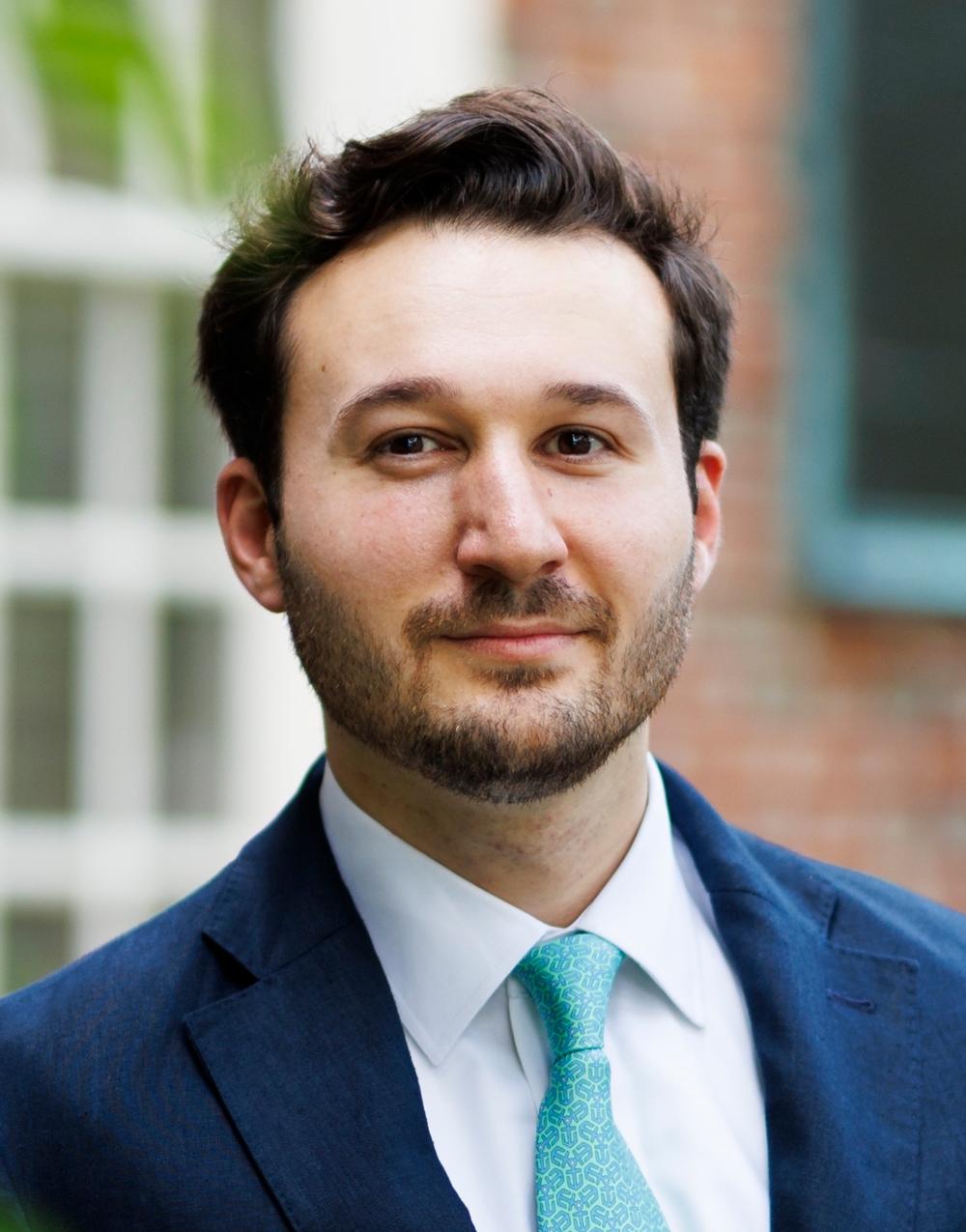
Andrew O’Donohue is a fellow in Carnegie’s Democracy, Conflict, and Governance Program. His research studies law and courts, democracy and authoritarianism, and Middle East politics, with a focus on Türkiye and Israel.
Berk Esen
Associate Professor of Political Science, Sabancı University

Berk Esen is Associate Professor of Political Science at Sabancı University. His research focuses on Turkish politics, democratic backsliding, authoritarianism, and political parties. He is the author or editor of four books and numerous academic articles and regularly comments on Turkish politics in national and international media. He has received the Sakıp Sabancı International Research Award for his work on democratic backsliding in Turkey and Hungary and the Turkish Science Academy’s Young Scientist Award.
Bilge Yılmaz
Endowed Chair in Finance, The Wharton School
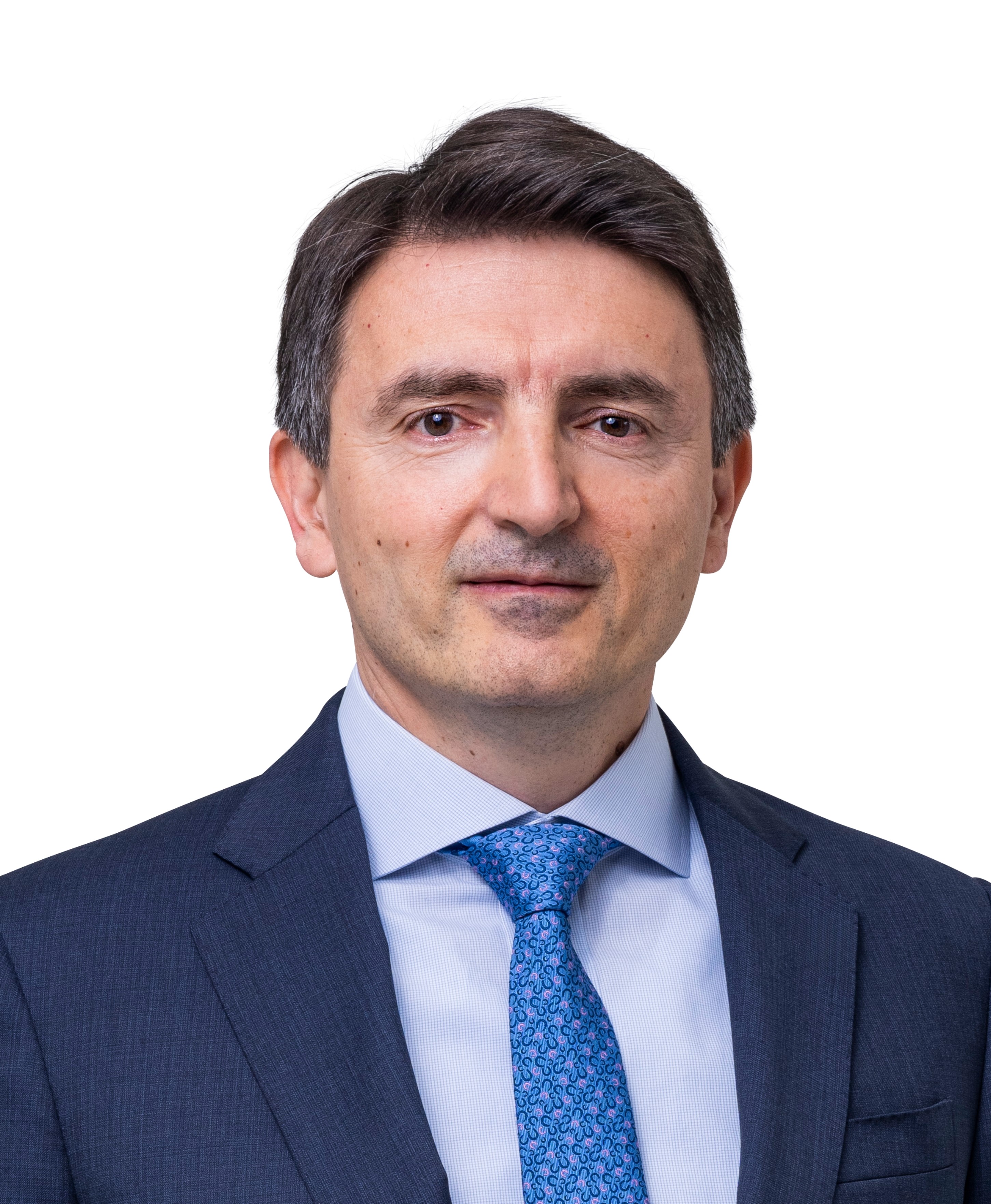
Professor Bilge Yılmaz is an endowed chair in finance at the Wharton School and directs its Harris Family Alternative Investments Program. His research focuses on corporate finance, alternative investments, and political economy. Alongside his academic career, he served from 2021 to 2024 as deputy chairman of Türkiye’s second-largest opposition party, leading its economic policy team and overseeing the preparation of a stabilization program for the 2023 elections.
Dr. Yunus Emre
Member of Parliament
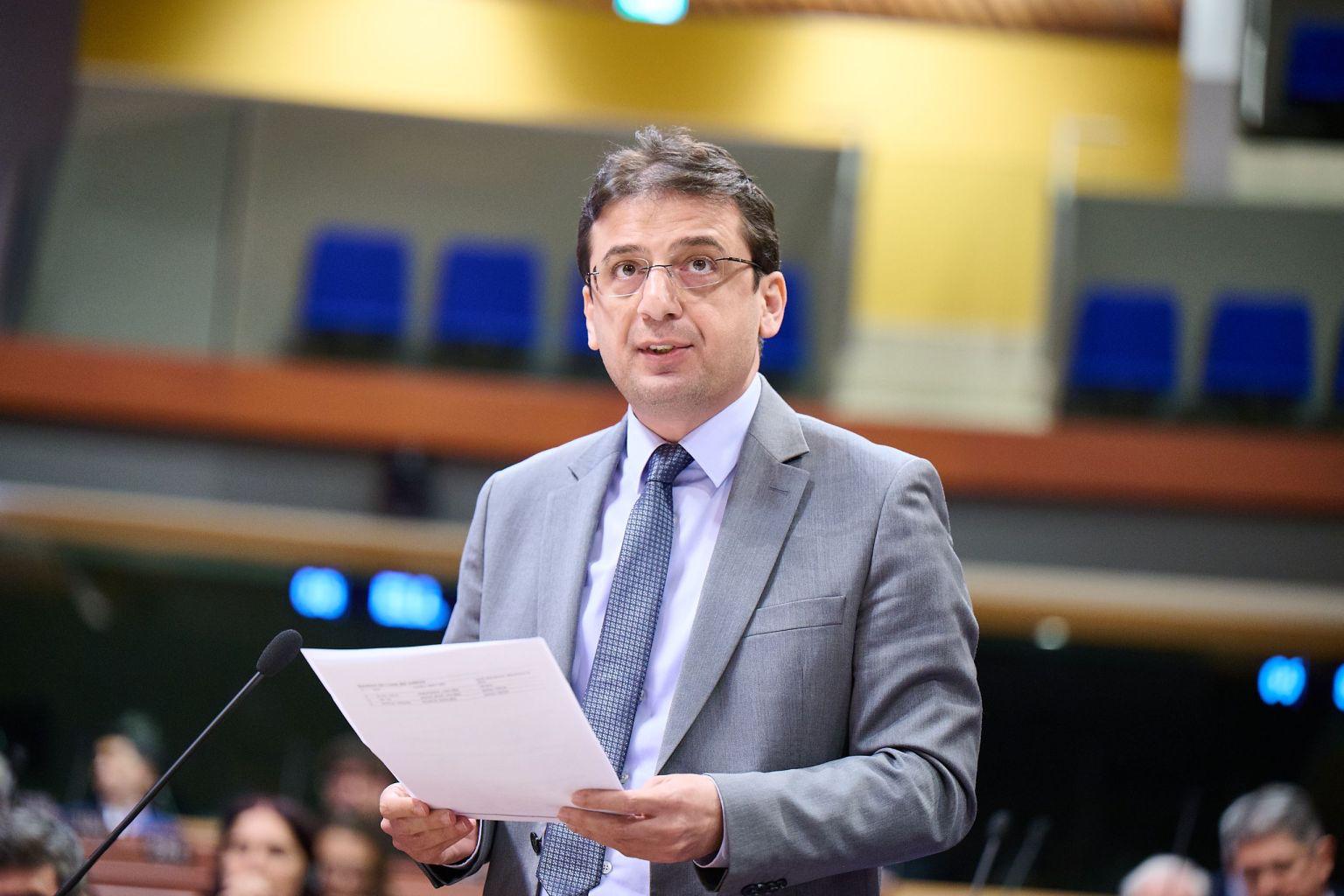
Dr. Yunus Emre is a Member of Parliament for Istanbul, representing the Republican People’s Party (CHP), Turkey’s main opposition party, where he previously served as deputy chairman. He is a member of both the Foreign Affairs Committee of the Grand National Assembly of Türkiye and the Parliamentary Assembly of the Council of Europe (PACE). His political work focuses on democracy, human rights, the rule of law, European affairs, and parliamentary ethics.
Kerem Altiparmak
Senior Legal Consultant, International Commission of Jurists
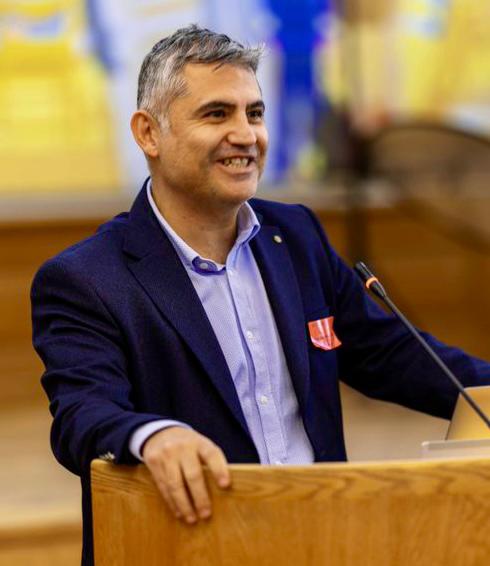
Kerem Altiparmak was the Director of the Human Rights Centre of the Ankara University until October 2017. He has worked in a number of human rights projects with human rights NGOs. He is one of the founders of Freedom of Expression Association, a member of Ankara Bar Association, and senior legal consultant to the International Commission of Jurists. He won Columbia Global Freedom of Expression Award and Franco-German Prize for Human Rights & the Rule of Law.
Nevşin Mengü
Journalist

Nevşin Mengü is a prominent Turkish journalist, writer, and digital publisher known for her incisive coverage of domestic and international politics. She has worked as Turkish state broadcaster TRT’s Tehran correspondent, presented programs for DW Turkish, and served as a news anchor at CNN Türk. Today, she reaches nearly 300,000 viewers daily through her independent digital media platforms.