

{
  "authors": [
    "Stewart Patrick",
    "Scott Singer",
    "Lucia Velasco"
  ],
  "type": "event",
  "centerAffiliationAll": "dc",
  "centers": [
    "Carnegie Endowment for International Peace"
  ],
  "englishNewsletterAll": "ctw",
  "nonEnglishNewsletterAll": "",
  "programAffiliation": "GOI",
  "programs": [
    "Global Order and Institutions"
  ],
  "topics": [
    "United Nations",
    "AI"
  ]
}
Global Guardrails for Agentic AI: Can the UN, or Anybody Else, Provide Them?
Tue, September 15th, 2026
Live Online
Invalid video URL
Dramatic advances in agentic AI models are rapidly outpacing governance responses, raising profound safety concerns and even questions about the future of civilization. As these capabilities explode, the world needs guardrails to minimize AI risks while allowing humanity to reap its rewards. But who, precisely, is best placed to shape the contours of such a regime?
The United Nations aims to lead the AI governance agenda, but its aspirations collide headlong with two realities. First, the United States and China, the two main AI players, are locked in a fierce rivalry to dominate this frontier technology. Second, most AI capabilities rest in the hands of private companies locked in zero-sum competition of their own. Given these dynamics, what can the UN realistically hope to accomplish in this arena?
As the world convenes in New York for the opening of the 81stsession of the UN General Assembly, please join Carnegie’s Stewart Patrick in conversation with Lucia Velasco, co-director of the Oxford AI Diplomacy Lab, and Scott Singer, co-director of Carnegie’s China AI Initiative. Our speakers will identify priorities for the governance of agentic AI and suggest potential pathways for establishing needed guardrails. The discussion will consider the relative roles of the UN, major and middle powers, subnational actors, and tech companies themselves in any future governance arrangements.
Carnegie does not take institutional positions on public policy issues; the views represented herein are those of the author(s) and do not necessarily reflect the views of Carnegie, its staff, or its trustees.
Event Speakers
Senior Fellow and Director, Global Order and Institutions Program

Stewart Patrick is a senior fellow and director of the Global Order and Institutions Program at the Carnegie Endowment for International Peace. His primary areas of research focus are the shifting foundations of world order, the future of American internationalism, and the requirements for effective multilateral cooperation on transnational challenges.
Fellow, Technology and International Affairs, and Co-Director, China AI Initiative
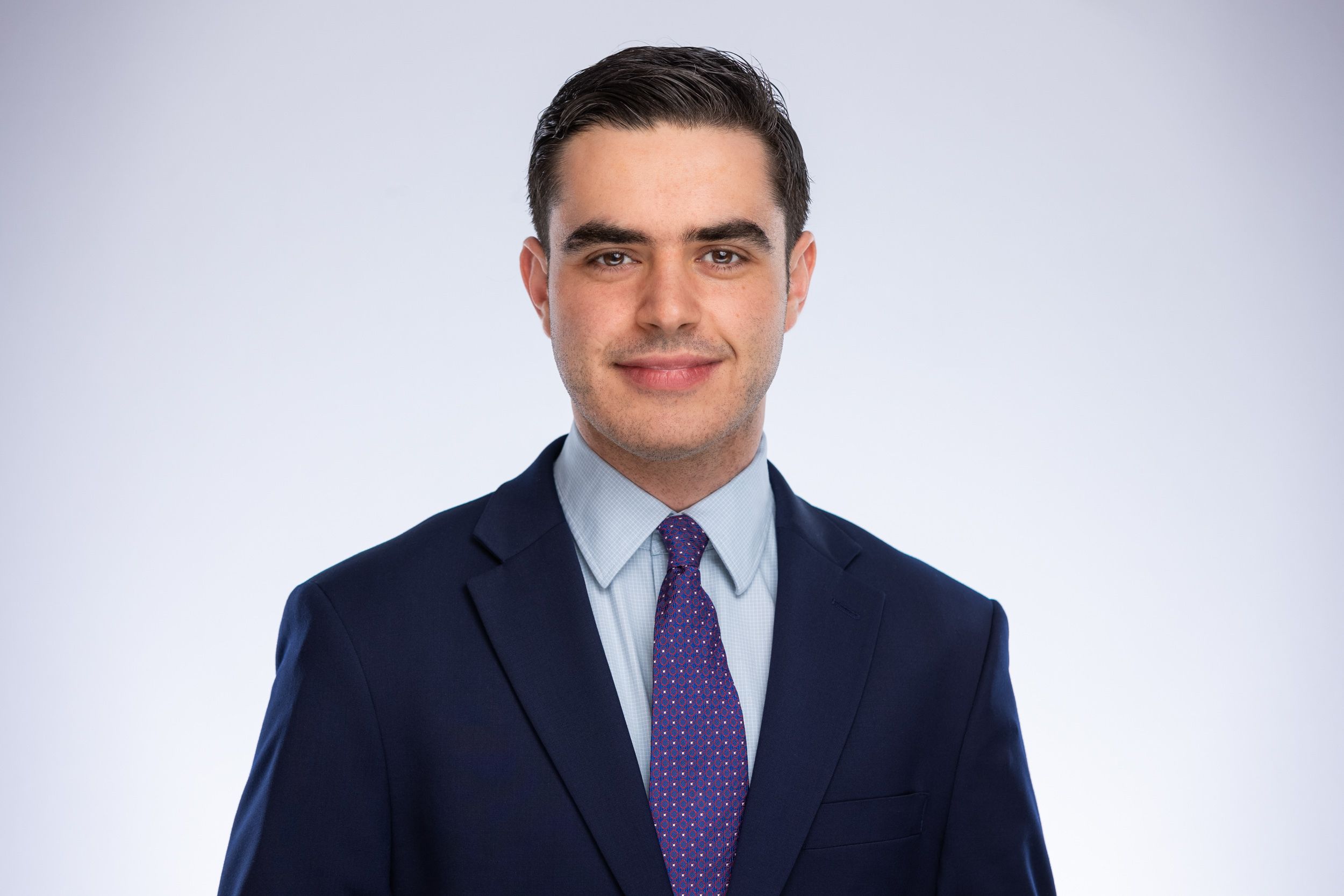
Scott Singer is a fellow and co-director of the China AI Initiative at the Carnegie Endowment for International Peace, where his work explores the geopolitics and governance of advanced AI systems. He specializes in China’s AI ecosystem, with a particular focus on U.S.-China AI dialogue and diplomacy, U.S. and Chinese approaches to AI strategy, and comparative approaches to AI safety and risk management.
Lucia Velasco
Co-Director of the Oxford AI Diplomacy Lab and a Visiting Fellow at the Oxford Martin School
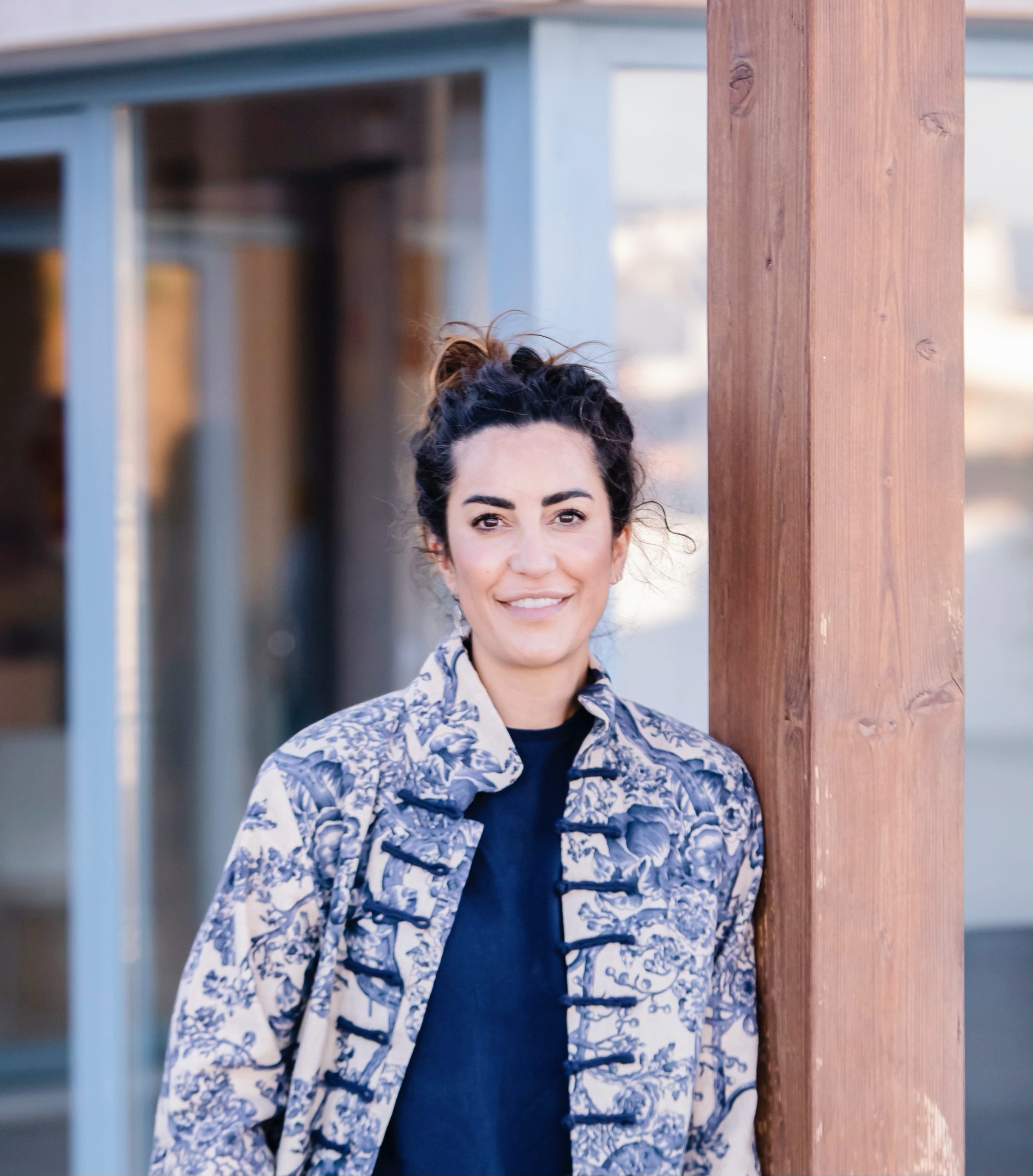
Lucia Velasco is the Co-Director of the Oxford AI Diplomacy Lab and a Visiting Fellow at the Oxford Martin School. Her experience across government, international organizations, and the private sector includes work with the United Nations, OECD-GPAI, the Inter-American Development Bank, the World Economic Forum, and the Government of Spain.