

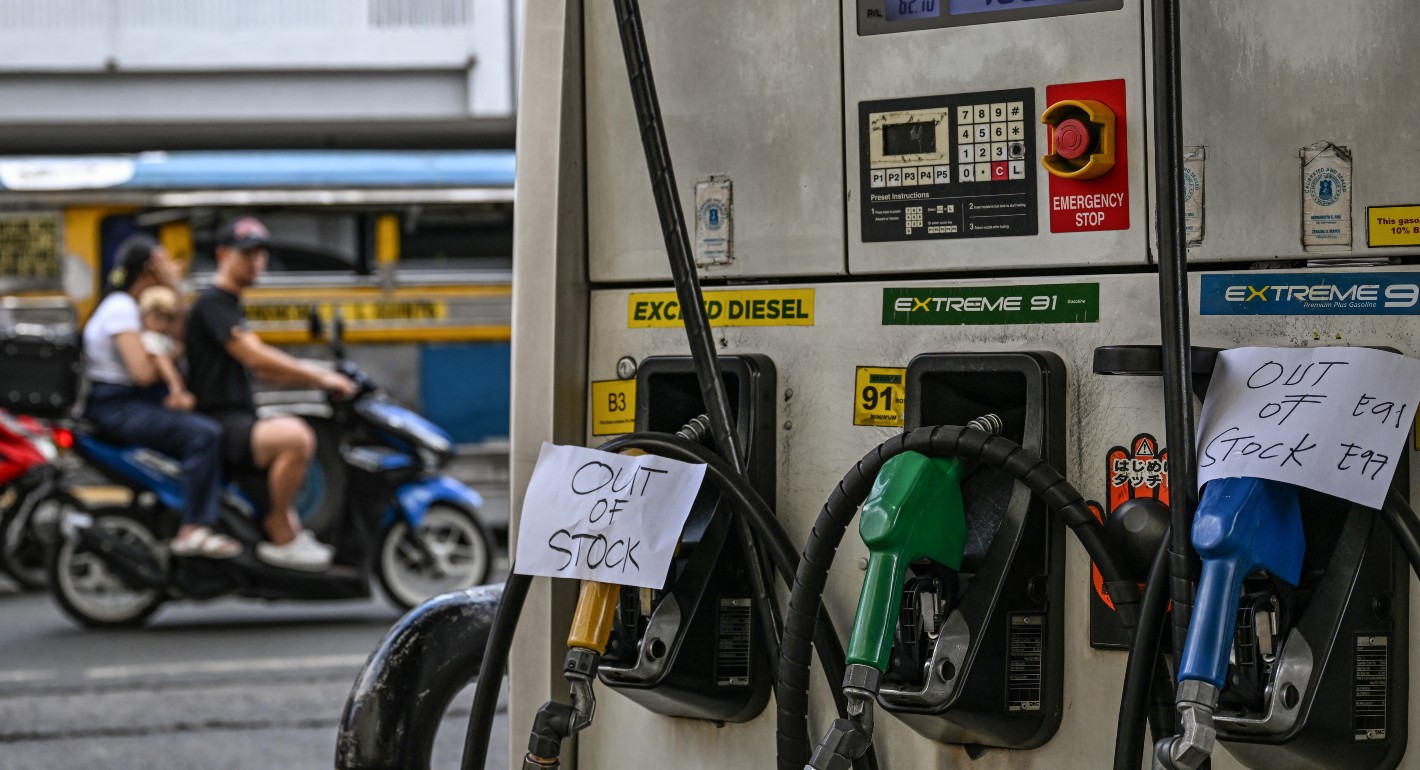
• Research
  • Emissary
  • About
  • Experts
Carnegie Global logoCarnegie lettermark logo
DemocracyIran
  • Donate
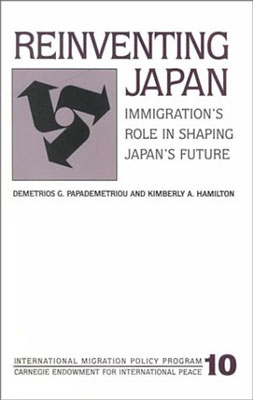
Reinventing Japan: Immigration's Role in Shaping Japan's Future
Book

Reinventing Japan: Immigration's Role in Shaping Japan's Future

Much attention has been given to Japan's need to restructure its economy and its bureaucracy, but little critical analysis has addressed the necessary role of immigration policy in Japan's reform process. A series of economic, demographic, and political factors are converging to require that Japan adopt a more open policy toward immigration if it is to ensure its place as a global leader.

Link Copied
By Dr. Demetrios Papademetriou and Kimberly Hamilton
Published on Sep 13, 2000

Additional Links

Chapter OneTable of ContentsPaperback - $12.00
Program mobile hero image

Program

Asia

The Asia Program in Washington studies disruptive security, governance, and technological risks that threaten peace, growth, and opportunity in the Asia-Pacific region, including a focus on China, Japan, and the Korean peninsula.

Learn More

Source: Washington

Much attention has been given to Japan's need to restructure its economy and its bureaucracy, but little critical analysis has addressed the necessary role of immigration policy in Japan's reform process. Japan does not have a history of substantial immigration, and Japanese attitudes toward foreigners have traditionally been very closed. Even today, immigration to Japan is very low compared to other industrialized countries, primarily because of Japanese policies aimed at restricting immigration. In this monograph, Papademetriou and Hamilton argue that this restrictionist approach is ripe for change. A series of economic, demographic, and political factors are converging to require that Japan adopt a more open policy toward immigration if it is to ensure its place as a global leader.

About the Authors
Demetrios G. Papademetriou was a senior associate and co-director of the International Migration Policy Program at the Carnegie Endowment.

Kimberly A. Hamilton is a senior international program officer at Alcoa Foundation.

About the Authors

Dr. Demetrios Papademetriou

Former Senior Associate

Kimberly Hamilton

Authors

Dr. Demetrios Papademetriou
Former Senior Associate
Kimberly Hamilton
East AsiaJapanEconomyTrade

Carnegie does not take institutional positions on public policy issues; the views represented herein are those of the author(s) and do not necessarily reflect the views of Carnegie, its staff, or its trustees.

More Work from Carnegie Endowment for International Peace

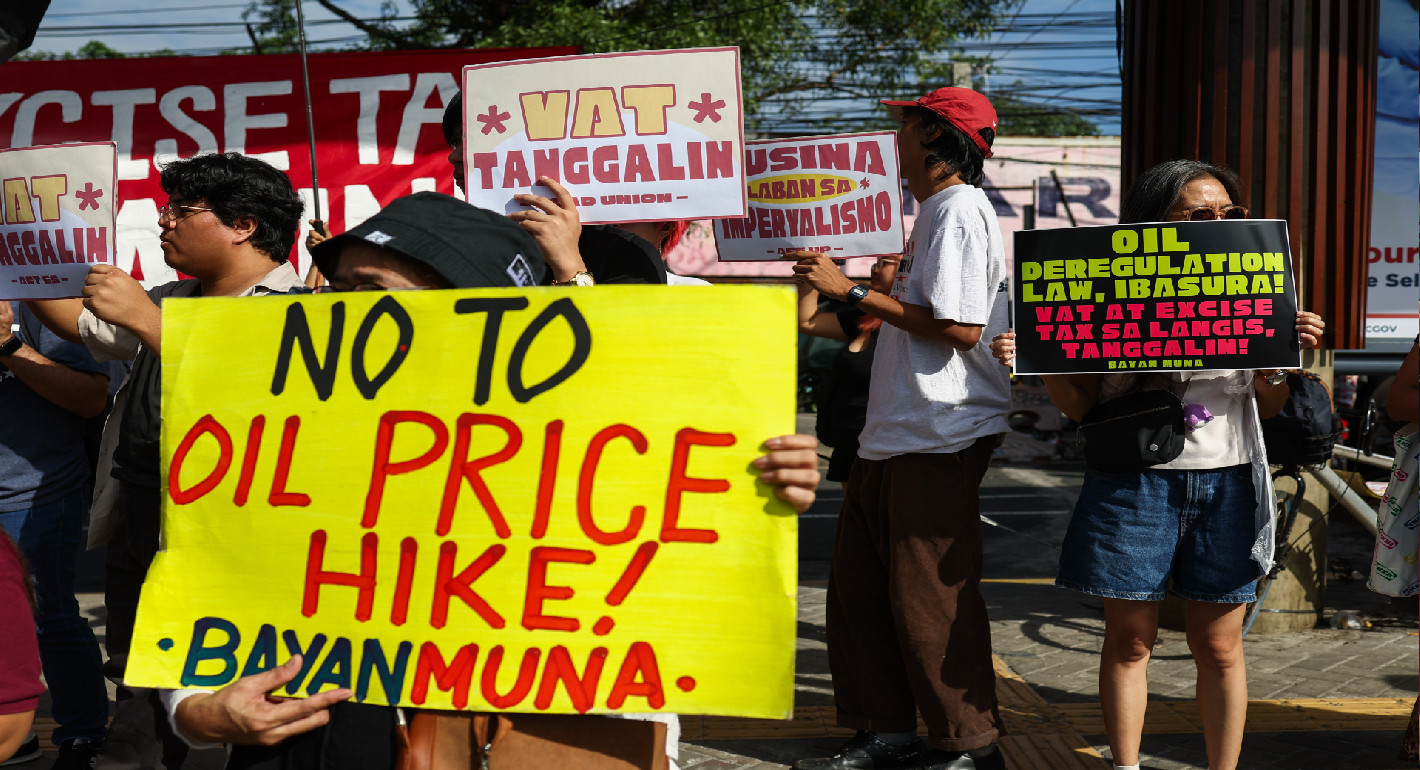
  •  A machine gun of a Houthi soldier mounted on a police vehicle next to a billboard depicting the U.S. president Donald Trump and Mohammed Bin Salman, the Crown Prince and Prime Minister of Saudi Arabia, during a protest staged to show support to Iran against the U.S.-Israel war on March 27, 2026 in Sana'a, Yemen.
    Collection
    The Iran War’s Global Reach

    As the war between the United States, Israel, and Iran continues, Carnegie scholars contribute cutting-edge analysis on the events of the war and their wide-reaching implications. From the impact on Iran and its immediate neighbors to the responses from Gulf states to fuel and fertilizer shortages caused by the effective shutdown of the Strait of Hormuz, the war is reshaping Middle East alliances and creating shockwaves around the world. Carnegie experts analyze it all.
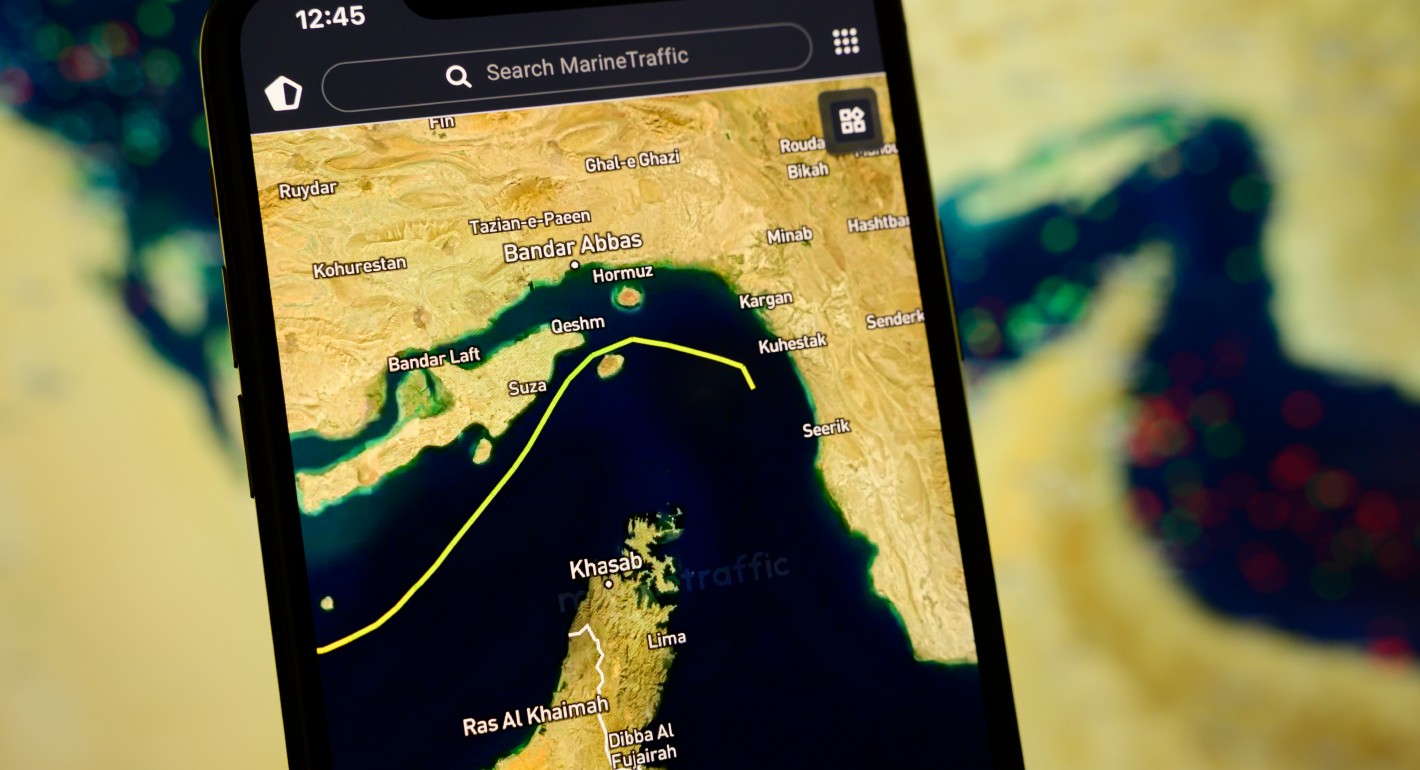
  • Map of Hormuz shipping traffic on a smartphone screen
    Commentary
    Emissary
    “It’s Not Like Turning a Switch On and Off”

    Why the Iran ceasefire isn’t a quick fix to the Strait of Hormuz energy crisis.

      Helima Croft, Aaron David Miller

  • Commentary
    China’s Energy Security Doesn’t Run Through Hormuz but Through the Electrification of Everything

    Across Asia, China is better positioned to withstand energy shocks from the fallout of the Iran war. Its abundant coal capacity can ensure stability in the near term. Yet at the same time, the country’s energy transition away from coal will make it even less vulnerable during the next shock.


      • Damien Ma

      Damien Ma

  • Commentary
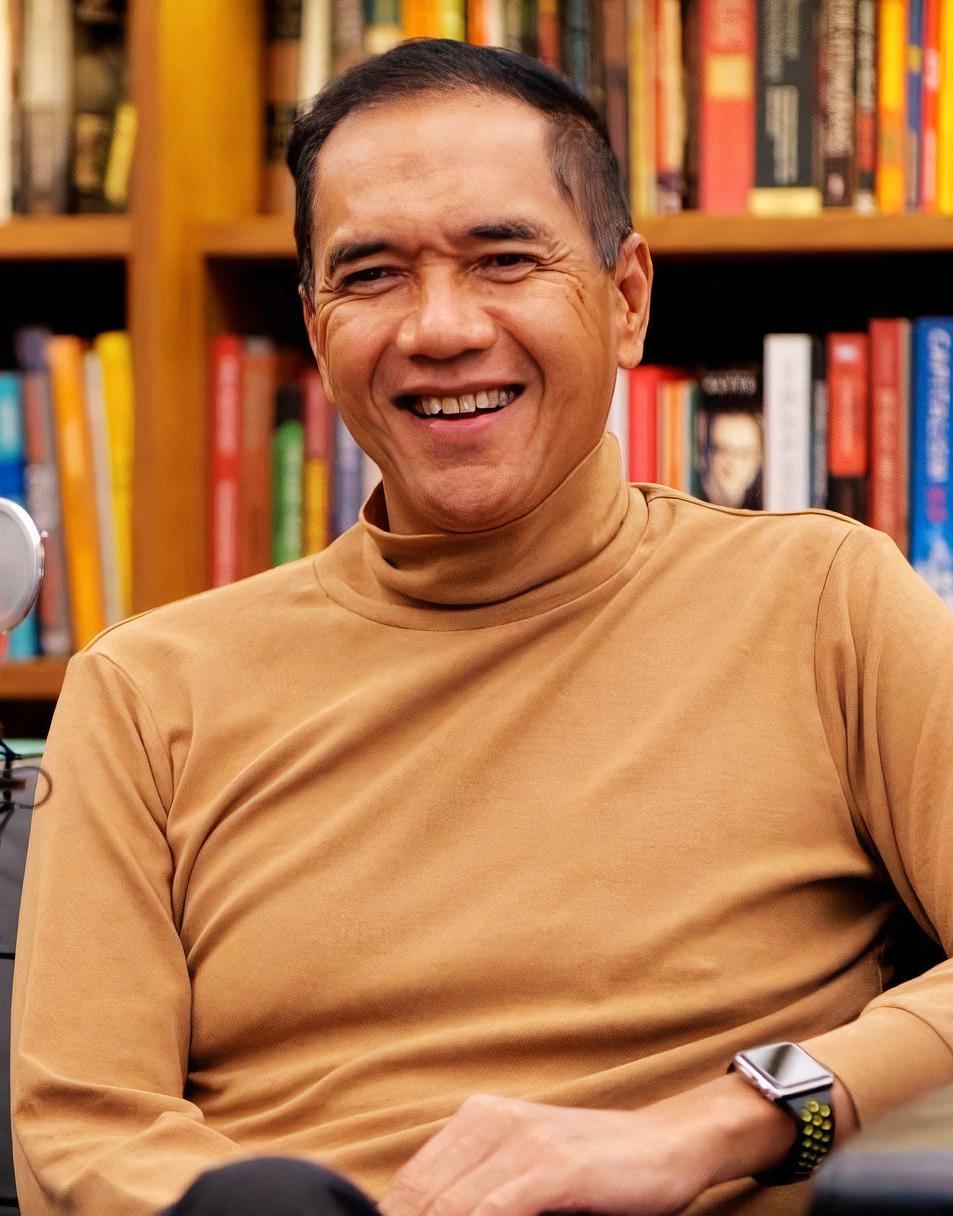
    Southeast Asia’s Agency Amid the New Oil Crisis

    There is no better time for the countries of Southeast Asia to reconsider their energy security than during this latest crisis.

      Gita Wirjawan

  • Commentary
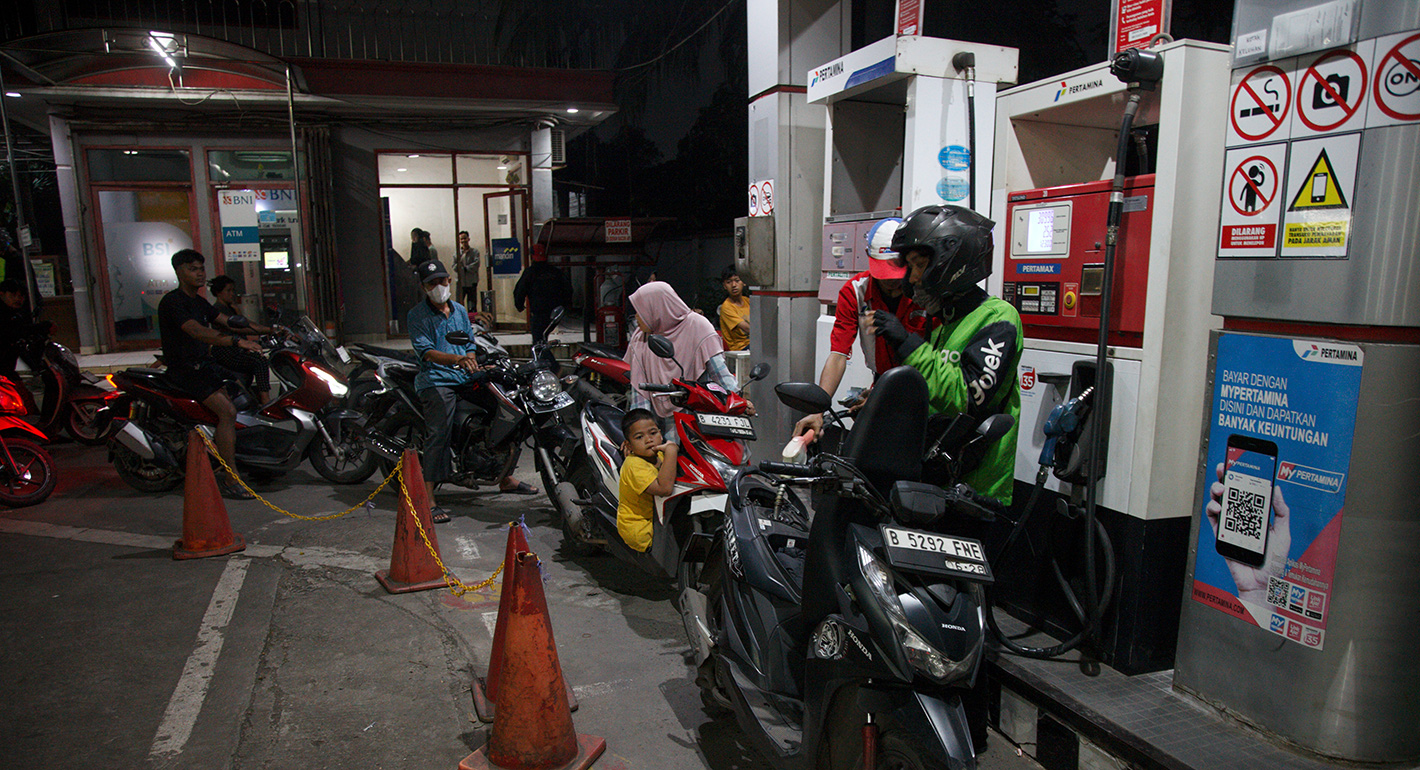
    Fuel Crisis Forces Politically Perilous Trade-Offs in Indonesia

    As conflict in the Middle East drives up fuel costs across Asia, Indonesia faces difficult policy trade-offs over subsidies, inflation, and fiscal credibility. President Prabowo’s personalized governance style may make these hard choices even harder to navigate.

      Sana Jaffrey

Get more news and analysis from
Carnegie Endowment for International Peace
Carnegie global logo, stacked
1779 Massachusetts Avenue NWWashington, DC, 20036-2103Phone: 202 483 7600Fax: 202 483 1840
  • Research
  • Emissary
  • About
  • Experts
  • Donate
  • Programs
  • Events
  • Blogs
  • Podcasts
  • Contact
  • Annual Reports
  • Careers
  • Privacy
  • For Media
  • Government Resources
Get more news and analysis from
Carnegie Endowment for International Peace
© 2026 Carnegie Endowment for International Peace. All rights reserved.