

Commentary
In an interview, Sergei Melkonian discusses Armenia’s and Azerbaijan’s careful balancing act among the United States, Israel, and Iran.
Armenak Tokmajyan
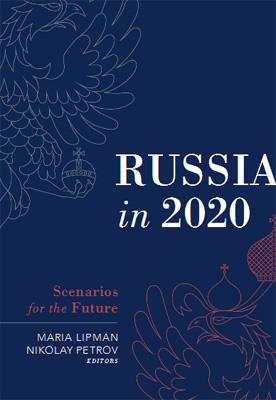
While Vladimir Putin is unlikely to give up power any time soon, the political and economic system he created is incapable of dealing with Russia’s rapidly changing conditions. Crises are likely unavoidable unless Russia changes and modernizes.
Source: Washington
As Vladimir Putin prepares to return to the presidency in the 2012 elections, the prospects for Russia’s future are unclear. Russia in 2020, also available in Russian, brings together leading experts from Russia, the United States, and Europe to analyze the possible scenarios for Russia’s development in the next decade and the risks that lie ahead.
Despite Putin’s imminent return, the authors believe that the so-called Putin era is over. This does not mean that Putin will soon give up power, but the political and economic system he created is incapable of dealing with Russia’s rapidly changing conditions. Crises are likely unavoidable unless Russia changes and modernizes.
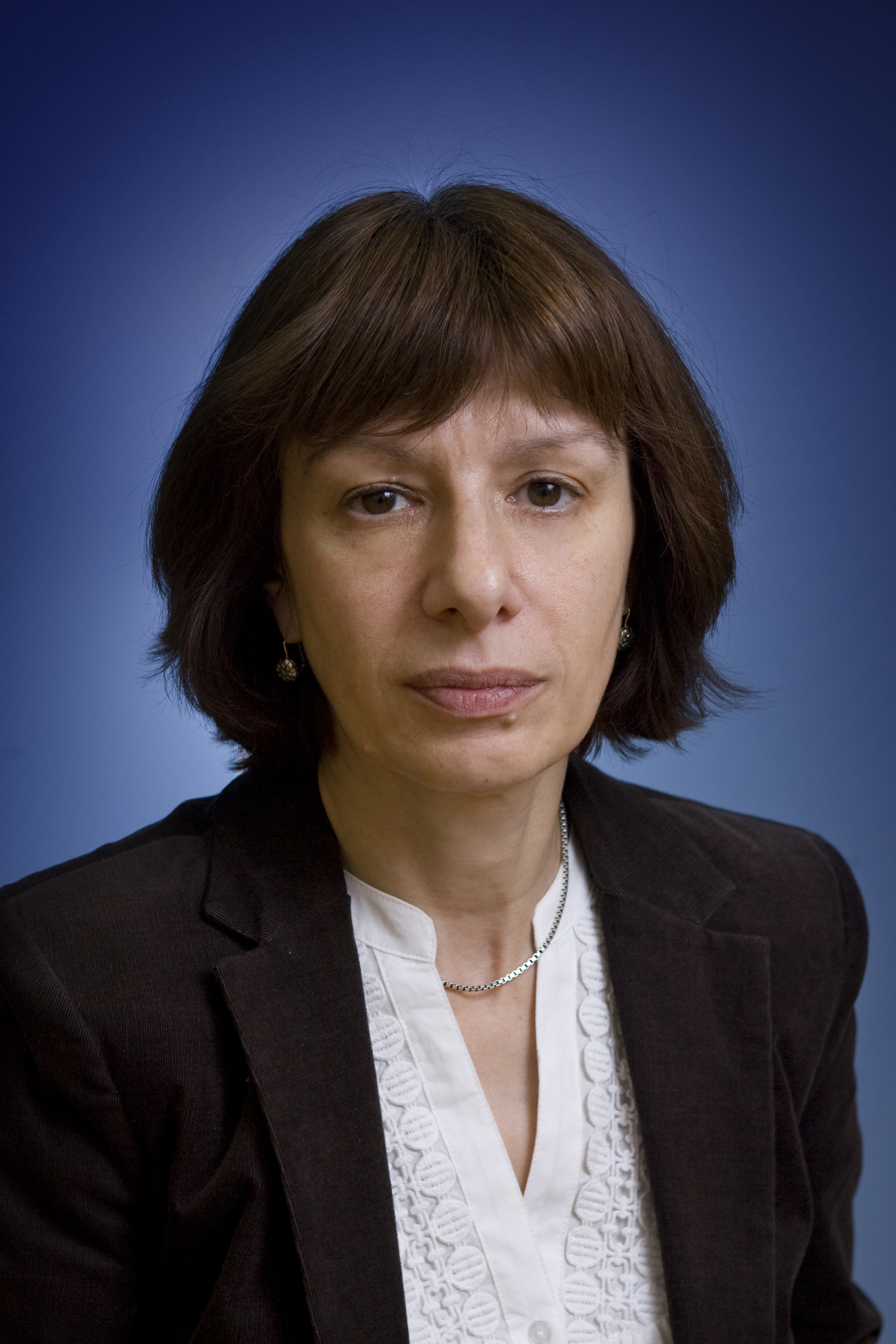
Former Scholar in Residence, Society and Regions Program, Editor in Chief, Pro et Contra, Moscow Center
Lipman was the editor in chief of the Pro et Contra journal, published by the Carnegie Moscow Center. She was also the expert of the Carnegie Moscow Center’s Society and Regions Program.
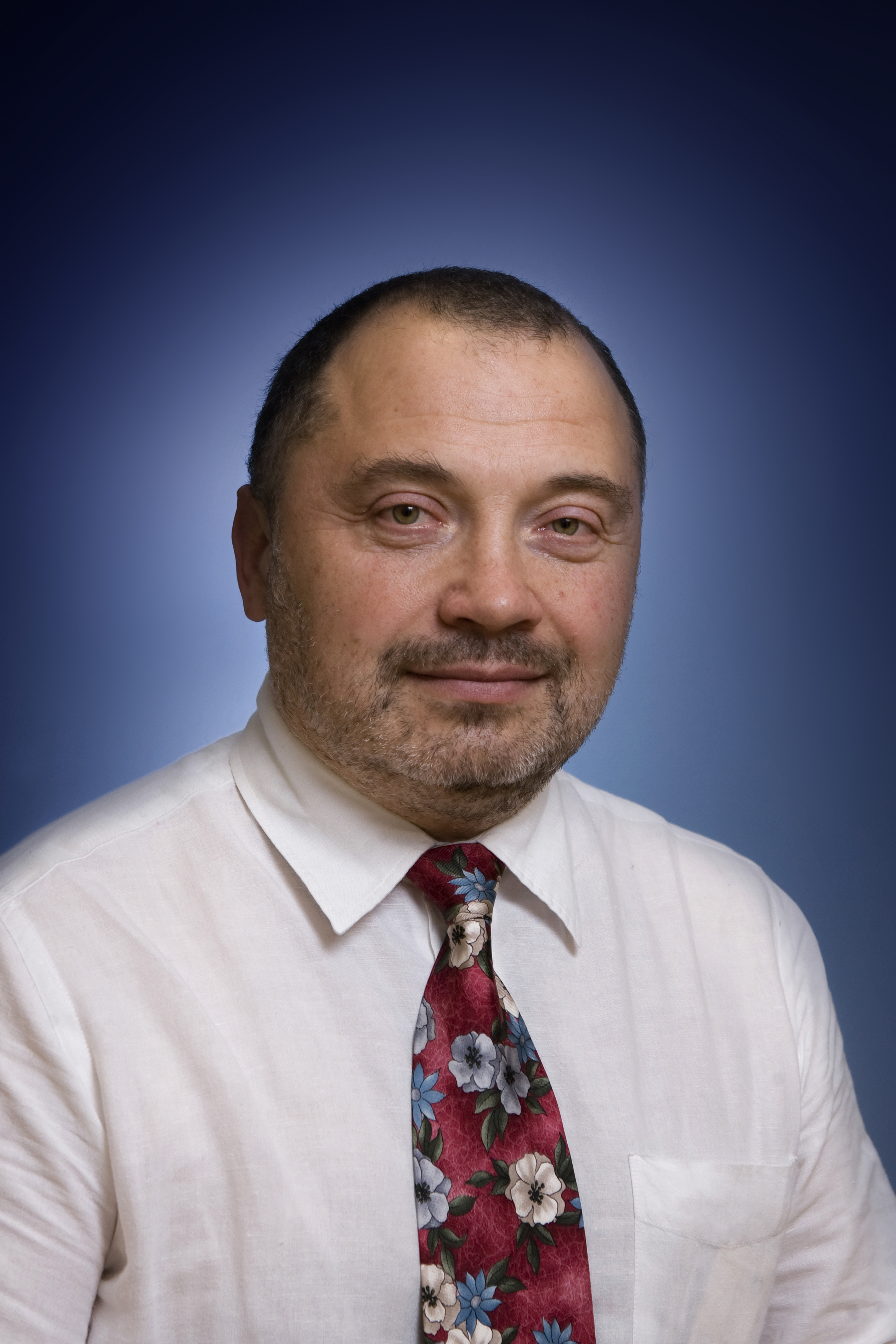
Former Scholar-in-Residence, Society and Regions Program, Moscow Center
Nikolay Petrov was the chair of the Carnegie Moscow Center’s Society and Regions Program. Until 2006, he also worked at the Institute of Geography at the Russian Academy of Sciences, where he started to work in 1982.
Carnegie does not take institutional positions on public policy issues; the views represented herein are those of the author(s) and do not necessarily reflect the views of Carnegie, its staff, or its trustees.
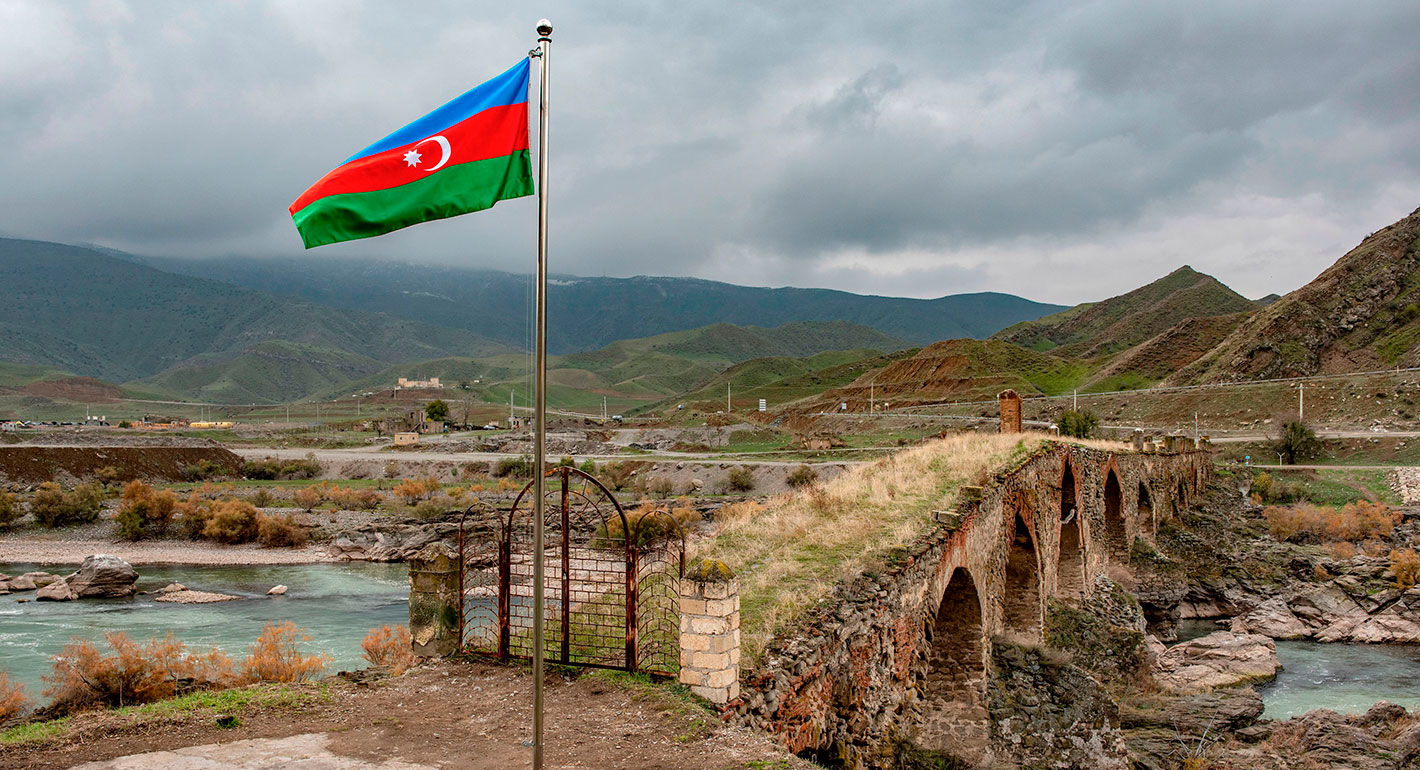
In an interview, Sergei Melkonian discusses Armenia’s and Azerbaijan’s careful balancing act among the United States, Israel, and Iran.

Armenak Tokmajyan

Just look at Iraq in 1991.

Marwan Muasher

A coalition of states is seeking to avert a U.S. attack, and Israel is in the forefront of their mind.

Michael Young

Baku may allow radical nationalists to publicly discuss “reunification” with Azeri Iranians, but the president and key officials prefer not to comment publicly on the protests in Iran.

Bashir Kitachaev
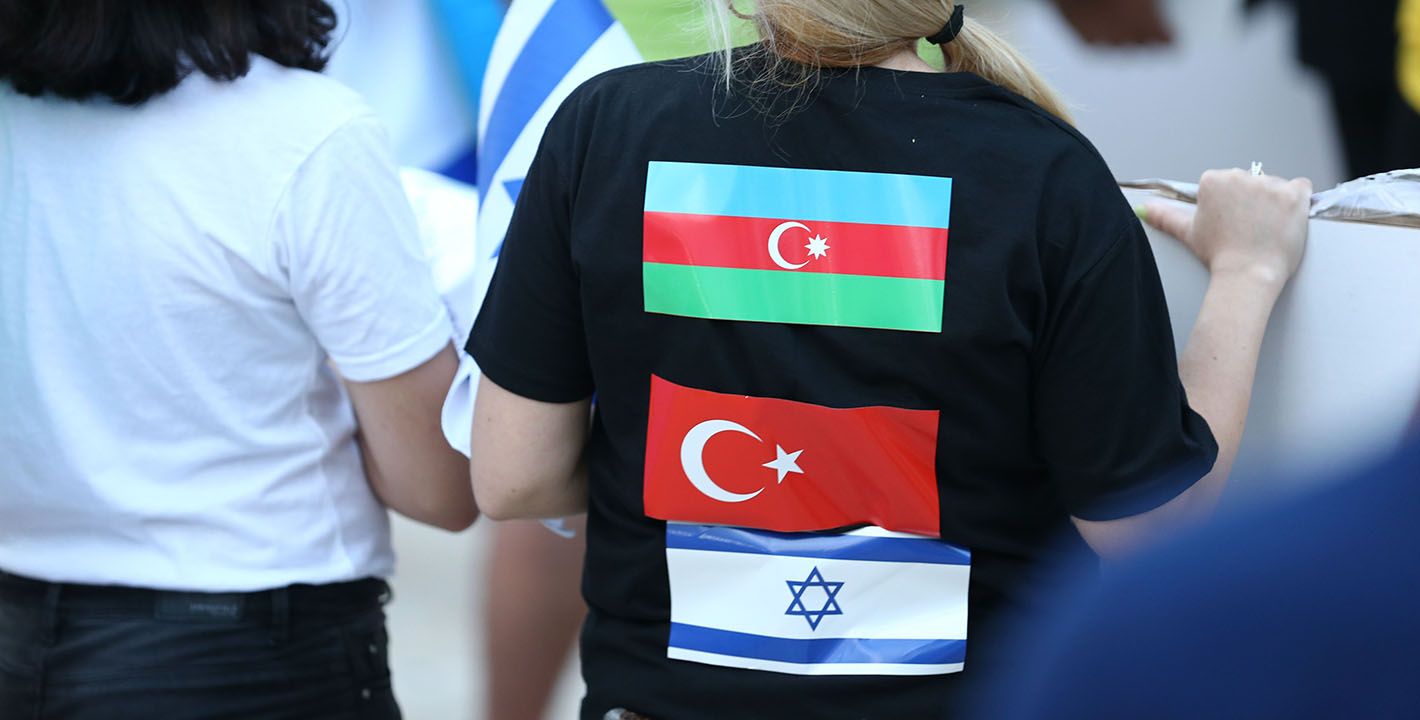
The country’s leadership is increasingly uneasy about multiple challenges from the Levant to the South Caucasus.
Armenak Tokmajyan