

Podcast Episode
Join Aaron David Miller as he engages Jake Sullivan in a wide-ranging conversation on the challenges the United States confronts in a complicated world on Carnegie Connects.
Aaron David Miller, Jake Sullivan
Join Aaron David Miller as he engages Princeton University’s Daniel Kurtzer, the Middle East Institute’s Yael Lempert, and the University of Maryland’s Shibley Telhami, in a wide-ranging discussion of the future of the U.S.-Israeli relationship, on Carnegie Connects.
Since the state of Israel was established in 1948, the U.S.-Israeli relationship has had its ups and downs. Even with episodic tensions under American presidents of both parties, U.S. support for Israel remained strong. In the last few years, however, the foundational elements of the relationship—shared values, common interests, and strong bipartisan domestic support—have come under unprecedented strain and scrutiny, especially as Congressional and public attitudes have grown more critical.
What’s driving the decline and to what extent is this shift affecting the actual substance of the U.S.-Israeli relationship? How has the war with Iran and Israeli policies in Gaza, Lebanon, and the West Bank impacted strategic cooperation, intelligence sharing, and political alignment between the two nations? Have we reached an inflection point where America’s special relationship with Israel is changing irreversibly?
Join Aaron David Miller as he engages Princeton University’s Daniel Kurtzer, the Middle East Institute’s Yael Lempert, and the University of Maryland’s Shibley Telhami, in a wide-ranging discussion of the future of the U.S.-Israeli relationship, on Carnegie Connects.
Carnegie Connects is recorded as a live broadcast and audio quality may be impacted.
Carnegie does not take institutional positions on public policy issues; the views represented herein are those of the author(s) and do not necessarily reflect the views of Carnegie, its staff, or its trustees.
Join Aaron David Miller as he engages Jake Sullivan in a wide-ranging conversation on the challenges the United States confronts in a complicated world on Carnegie Connects.

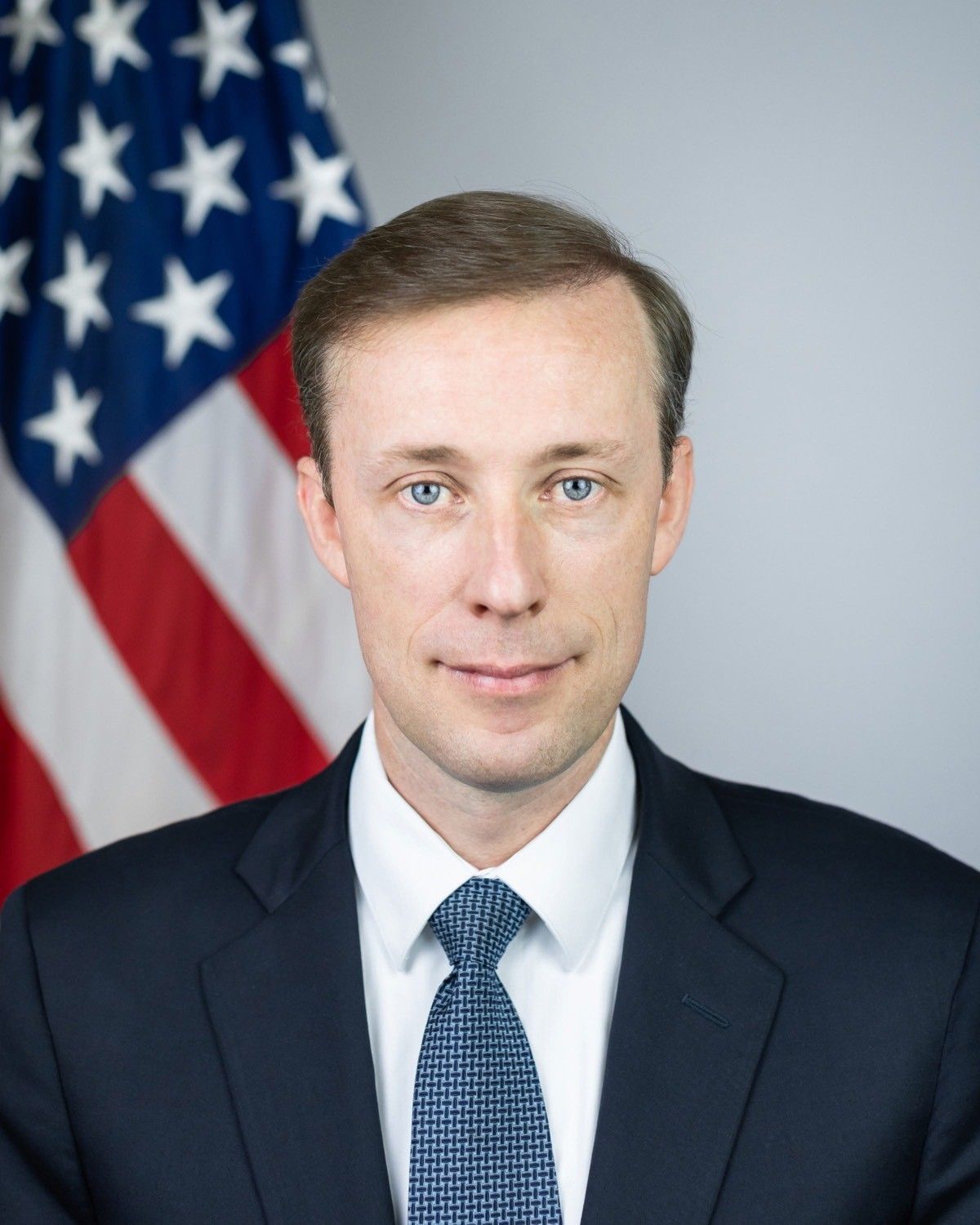
Aaron David Miller, Jake Sullivan
Join Aaron David Miller in conversation with CSIS’s Daniel Byman, Rand’s Shira Efron, and Middle East Institute’s Jaser AbuMousa on the impact of October 7th on Israel, U.S.-Israeli relations, and the broader region, on Carnegie Connects.
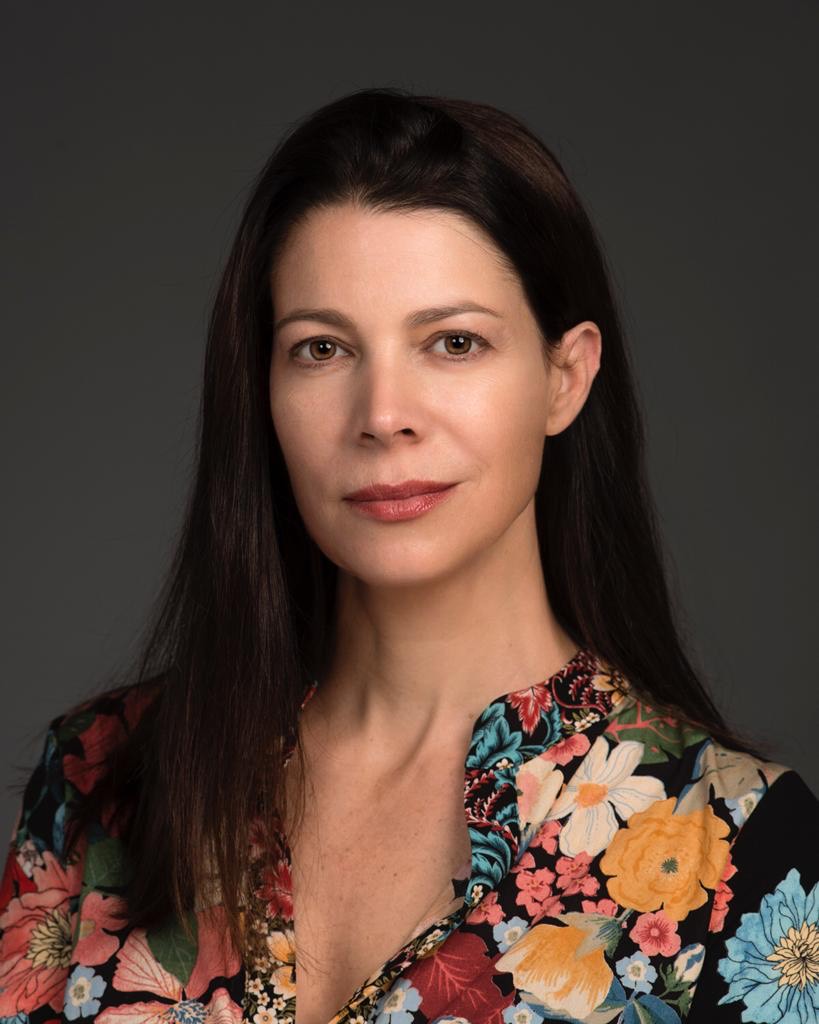
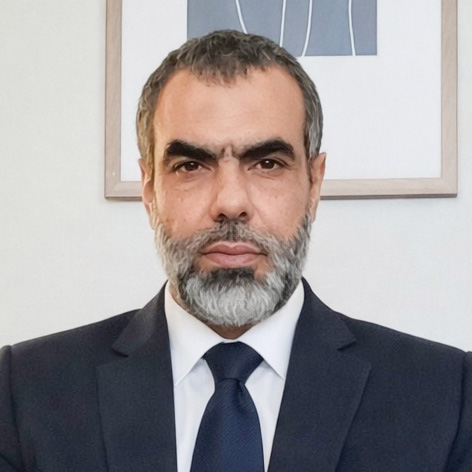
Aaron David Miller, Shira Efron, Jaser AbuMousa, …
Join Aaron David Miller as he engages Helima Croft, managing director and global head of commodity strategy at RBC Capital Markets, in a wide-ranging conversation about the geopolitics and economics of the Iran war and its impact on global oil supply, on Carnegie Connects.
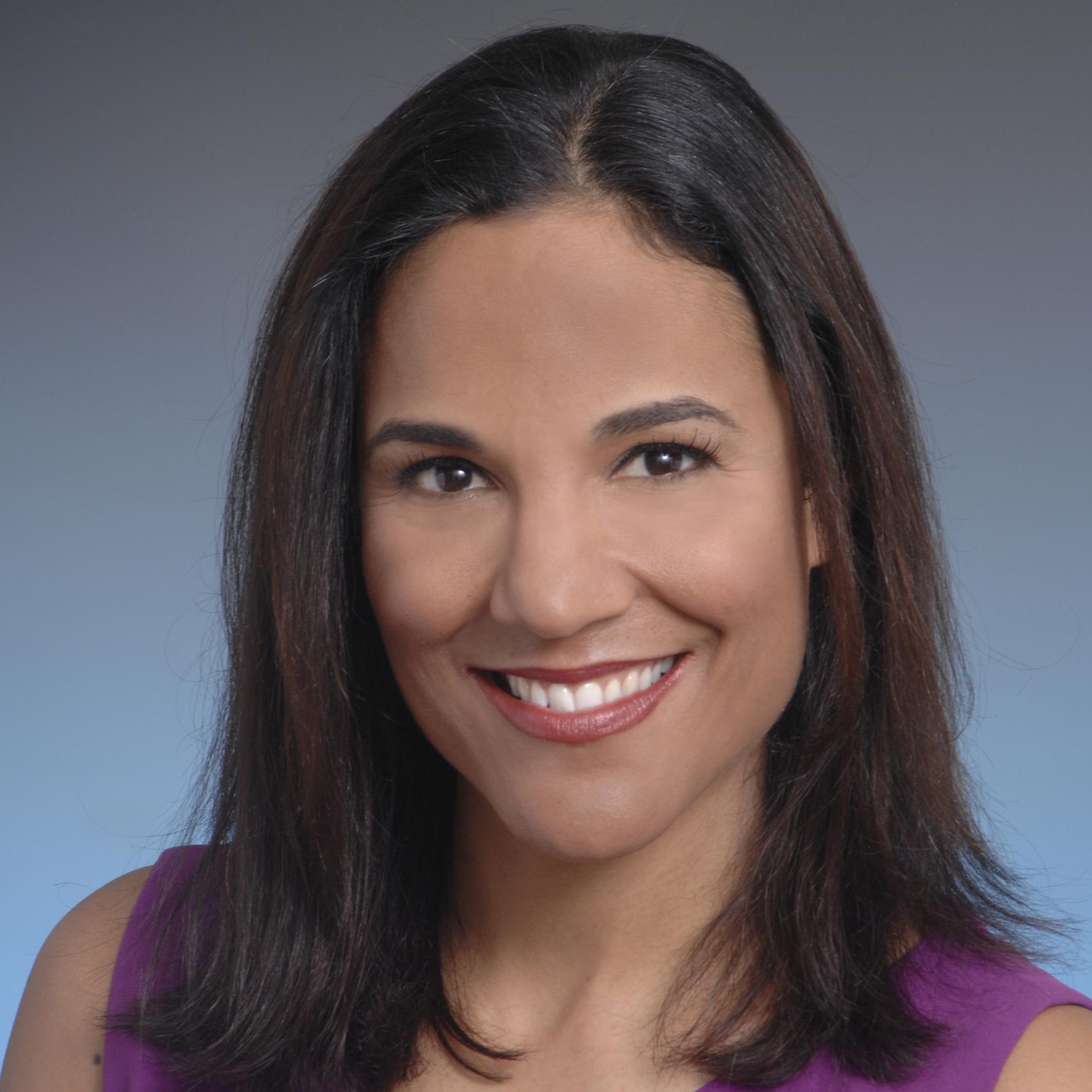
Aaron David Miller, Helima Croft
Join Aaron David Miller as he engages the Brookings Institution's Philip Gordon, the McCain Institute’s Nick Rasmussen, and The New Yorker's Susan B. Glasser on the impact of September 11th, on Carnegie Connects.
Aaron David Miller, Susan B. Glasser, Nicholas Rasmussen, …
Join Aaron David Miller as he engages Carnegie’s own Andrew S. Weiss and Dara Massicot, who recently returned from a visit to the front-line in Ukraine, in a wide-ranging conversation on the headlines and trend lines of the Russia-Ukraine war, on Carnegie Connects.

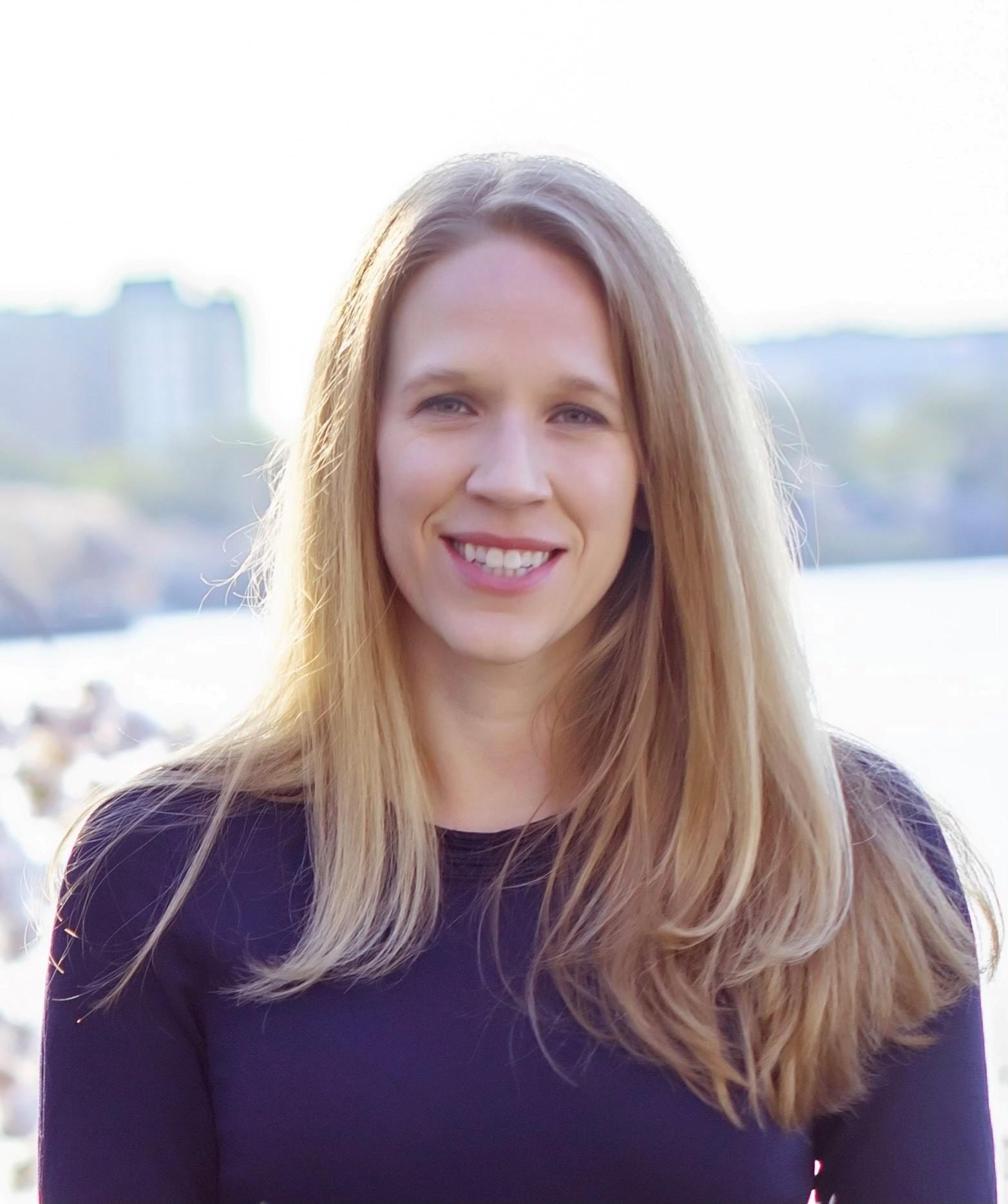
Aaron David Miller, Andrew S. Weiss, Dara Massicot