• Research
  • Emissary
  • About
  • Experts
Carnegie Global logoCarnegie lettermark logo
DemocracyIran
  • Donate
Podcast Episode

How India's Economy Can Break the Mold

Economist Rohit Lamba joins Milan Vaishnav to discuss his new book Breaking the Mould: India’s Untraveled Path to Prosperity, an exploration of India's development and possible avenues for reform.

Link Copied
By Milan Vaishnav and Rohit Lamba
Published on May 14, 2024

Subscribe on

Apple PodcastsOvercastSpotifyYoutube

Breaking the Mould: India’s Untraveled Path to Prosperity is a big new book by the economists Raghuram Rajan and Rohit Lamba. The book is both a critique of India’s development model as well as a manifesto for reform.

Most notably, it challenges the conventional wisdom that India’s primary goal should be to transform the country into a blue-collar manufacturing powerhouse. Rajan and Lamba argue that India cannot duplicate China’s development model, but it has the opportunity to leapfrog by focusing higher up the value chain.

To discuss the book’s ideas and its policy implications, Milan is joined on the show this week by Rohit Lamba. Rohit is an economist at New York University-Abu Dhabi and will soon be joining the Economics Department at Cornell University. He’s twice worked in the chief economic advisor’s office in the Indian Ministry of Finance.

The two discuss what the critics get right about the Indian economy, why India cannot blindly follow the Chinese model, and how India can pivot “from brawn to brain.” Plus, Rohit and Milan discuss the manufacturing versus services debate, India’s inward economic turn, and what India must do to upgrade its human capital.

Episode notes:

1. W. Arthur Lewis, “Economic Development with Unlimited Supplies of Labour,” The Manchester School 22 (1954): 139-191.

2. Rohit Lamba and Arvind Subramanian, “Dynamism with Incommensurate Development: The Distinctive Indian Model,” Journal of Economic Perspectives 34, no. 1 (2020): 3-30.

3. Devesh Kapur, “Why Does the Indian State Both Fail and Succeed?" Journal of Economic Perspectives 34, no. 1 (2020): 31-54.

4. Devesh Kapur, “Exit,” Seminar 677 (2015).

Hosted by

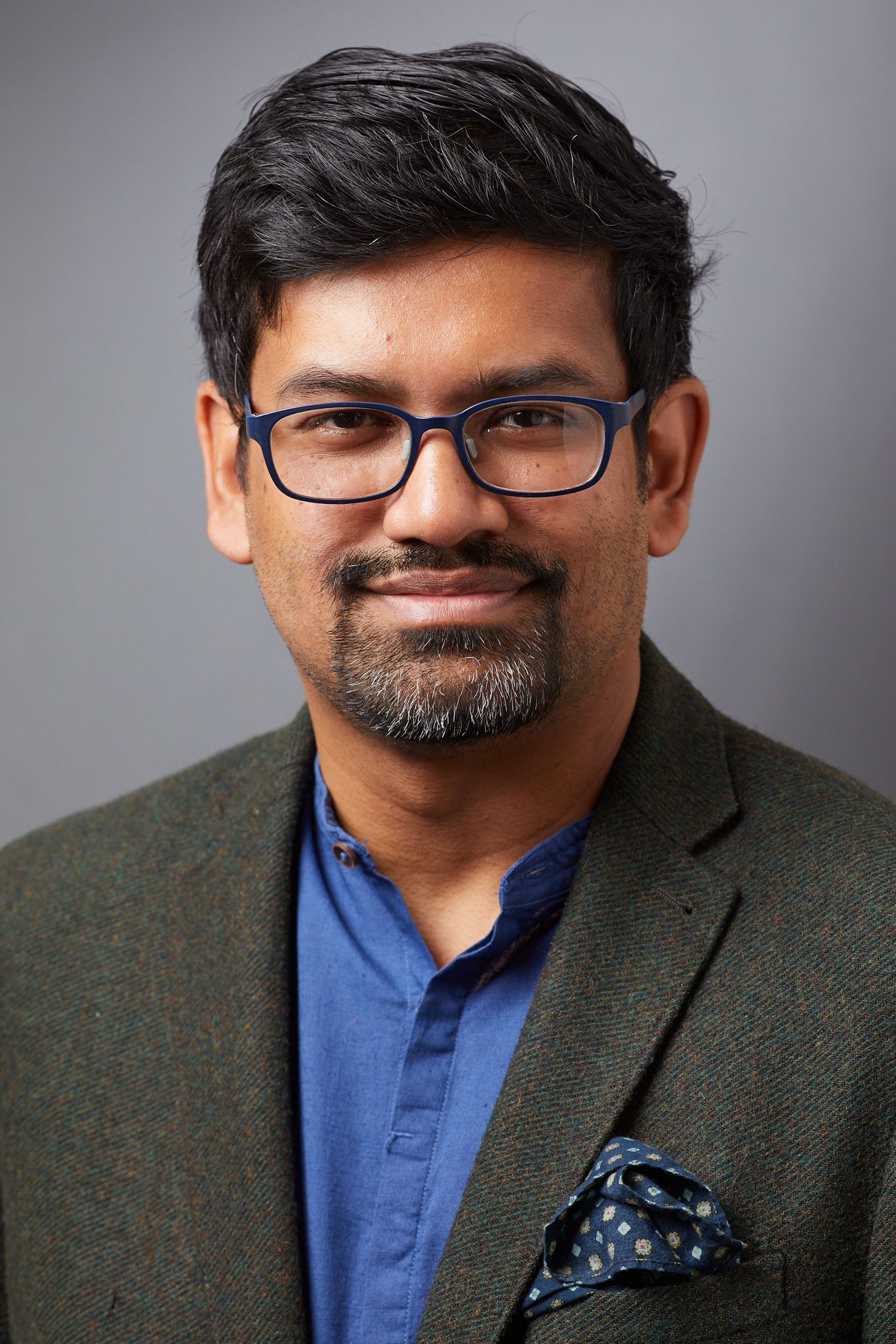
Milan Vaishnav
Director and Senior Fellow, South Asia Program
Milan Vaishnav

Featuring

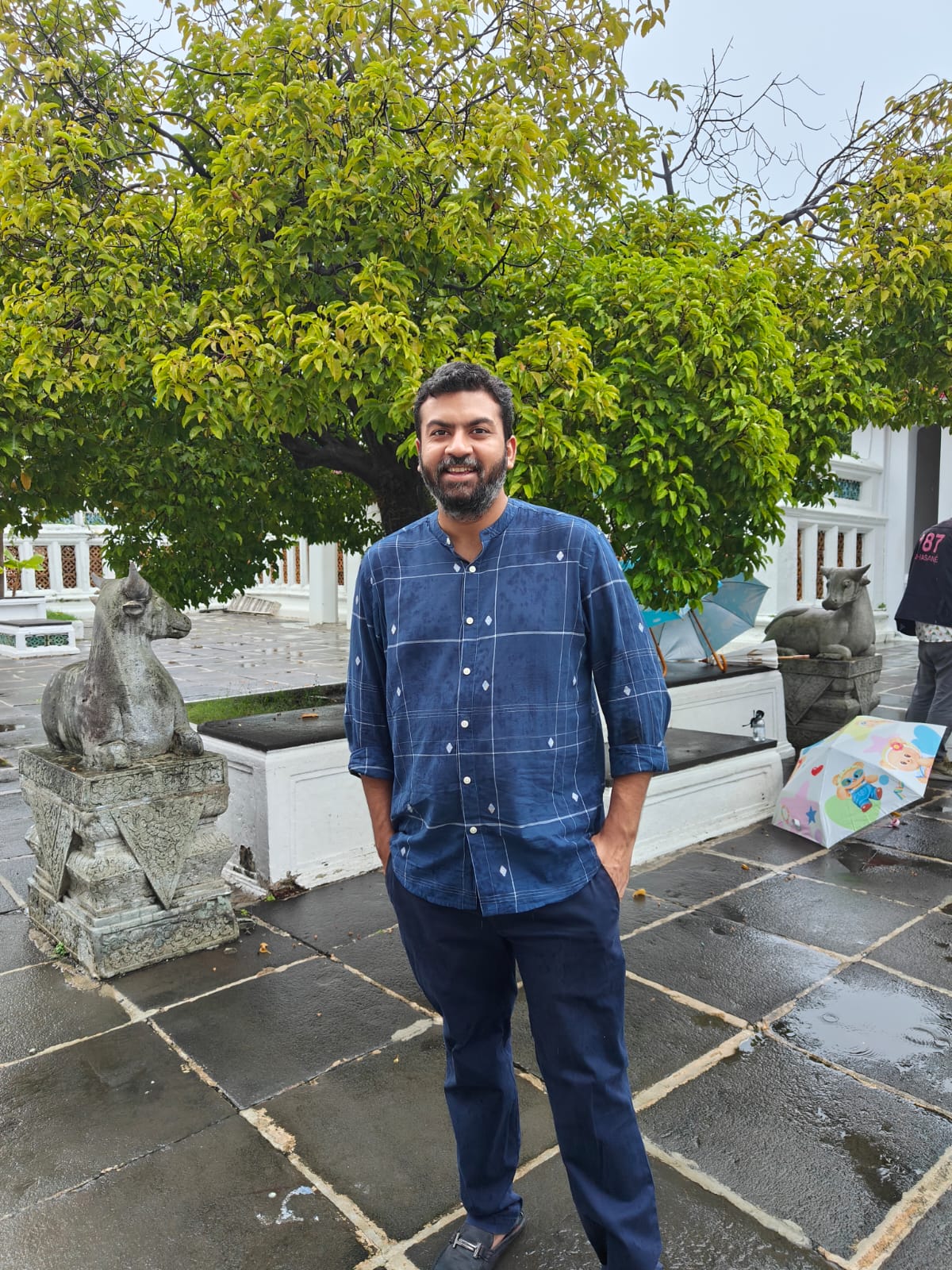
Rohit Lamba
Economist, New York University-Abu Dhabi

Carnegie does not take institutional positions on public policy issues; the views represented herein are those of the author(s) and do not necessarily reflect the views of Carnegie, its staff, or its trustees.

More Work from Grand Tamasha

  • Podcast Episode
    The Forgotten Origins of Indian Liberalism

    This week, Rahul Sagar join Milan to discuss his new book The Birth of Indian Liberalism: Mama Parmanand’s Letters to an Indian Raja, which uncovers an older tradition of Indian liberal thought through a remarkable work first published in 1891 and then largely forgotten for more than a century.

      Milan Vaishnav, Rahul Sagar

  • Podcast Episode
    Whose Constitution Is It Anyway?

    This week, Rohit De and Ornit Shani join Milan to discuss their new book Assembling India’s Constitution: A New Democratic History. Drawing on a remarkable range of archival material, the book shows that constitution-making was not confined to the halls of the Constituent Assembly alone.

      Milan Vaishnav, Ornit Shani, Rohit De

  • Podcast Episode
    The Dark Side of the H-1B Dream

    Milan Vaishnav and Tanul Thakur discuss Tanul's new book "Wild Wild East: Exiled Americans, Enslaved Indians and the Systemic Abuse of the H-1B Visa Programme." 

      Milan Vaishnav, Tanul Thakur

  • Podcast Episode
    What Do Indians Think About the World?

    Discussing their new short book, Indian Public Opinion toward the Major Powers, Paul Staniland, and Aidan Milliff join Milan Vaishnav to discuss the treasure trove of data on Indian public opinion they stumbled upon, the characteristics of India’s “foreign policy public,” and the variation in Indian attitudes toward the United States, China, and Russia/the Soviet Union. Plus, the discuss why a respondent’s region emerges as a strong predictor of one’s foreign policy views.

      Milan Vaishnav, Paul Staniland, Aidan Milliff

  • Podcast Episode
    India’s Nordic Connection

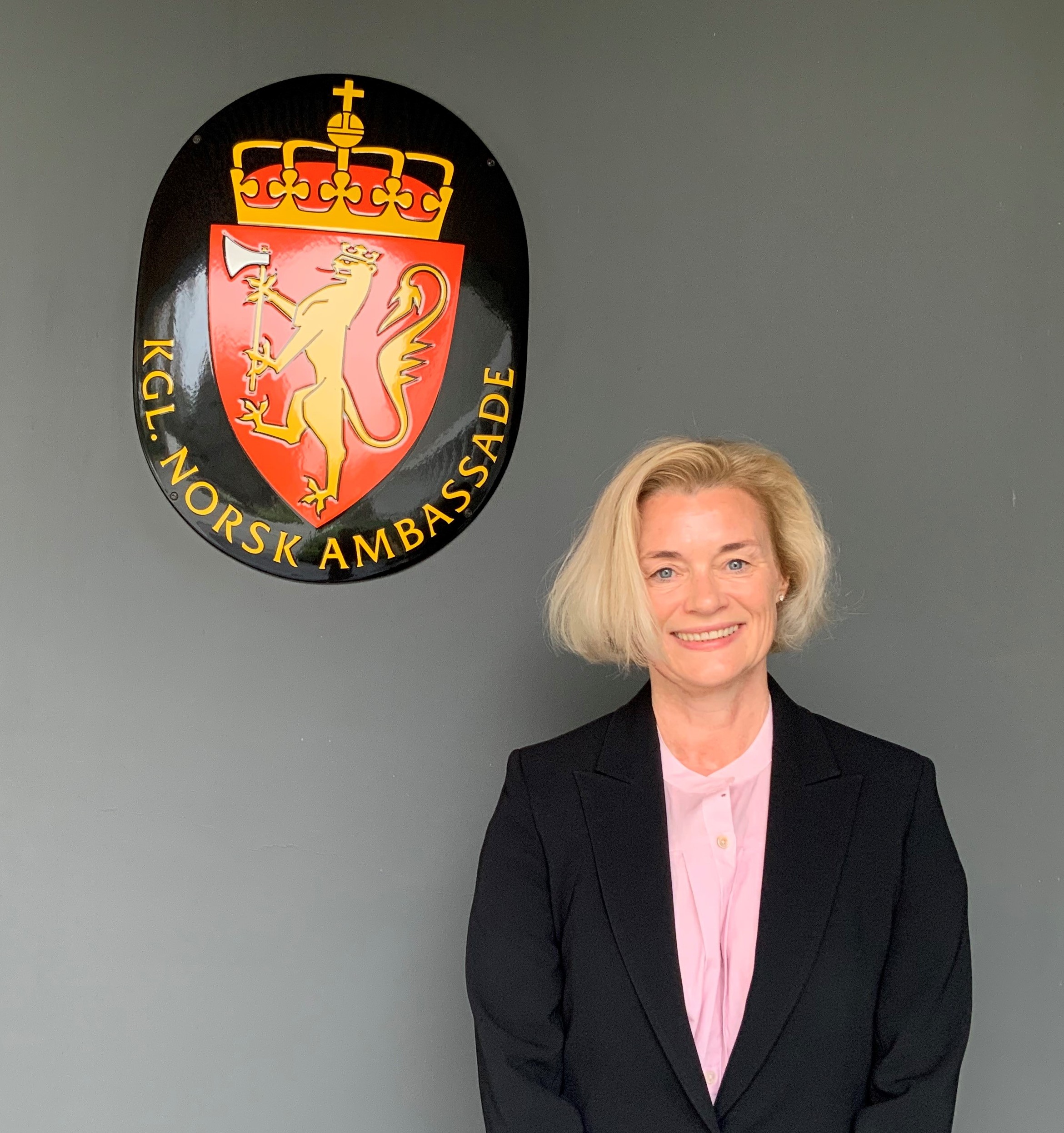
    Host Milan Vaishnav and Ambassador May-Elin Stener discuss the outcomes of the India-Nordic summit, the Trade and Economic Partnership Agreement (TEPA), and the green technology partnership Norway envisions with India.

      Milan Vaishnav, May-Elin Stener

Get more news and analysis from
Carnegie Endowment for International Peace
Carnegie global logo, stacked
1779 Massachusetts Avenue NWWashington, DC, 20036-2103Phone: 202 483 7600
  • Research
  • Emissary
  • About
  • Experts
  • Donate
  • Programs
  • Events
  • Blogs
  • Podcasts
  • Contact
  • Annual Reports
  • Careers
  • Privacy
  • For Media
  • Government Resources
Get more news and analysis from
Carnegie Endowment for International Peace
© 2026 Carnegie Endowment for International Peace. All rights reserved.