• Research
  • Emissary
  • About
  • Experts
Carnegie Global logoCarnegie lettermark logo
DemocracyIran
  • Donate
Podcast Episode

The Forgotten Origins of Indian Liberalism

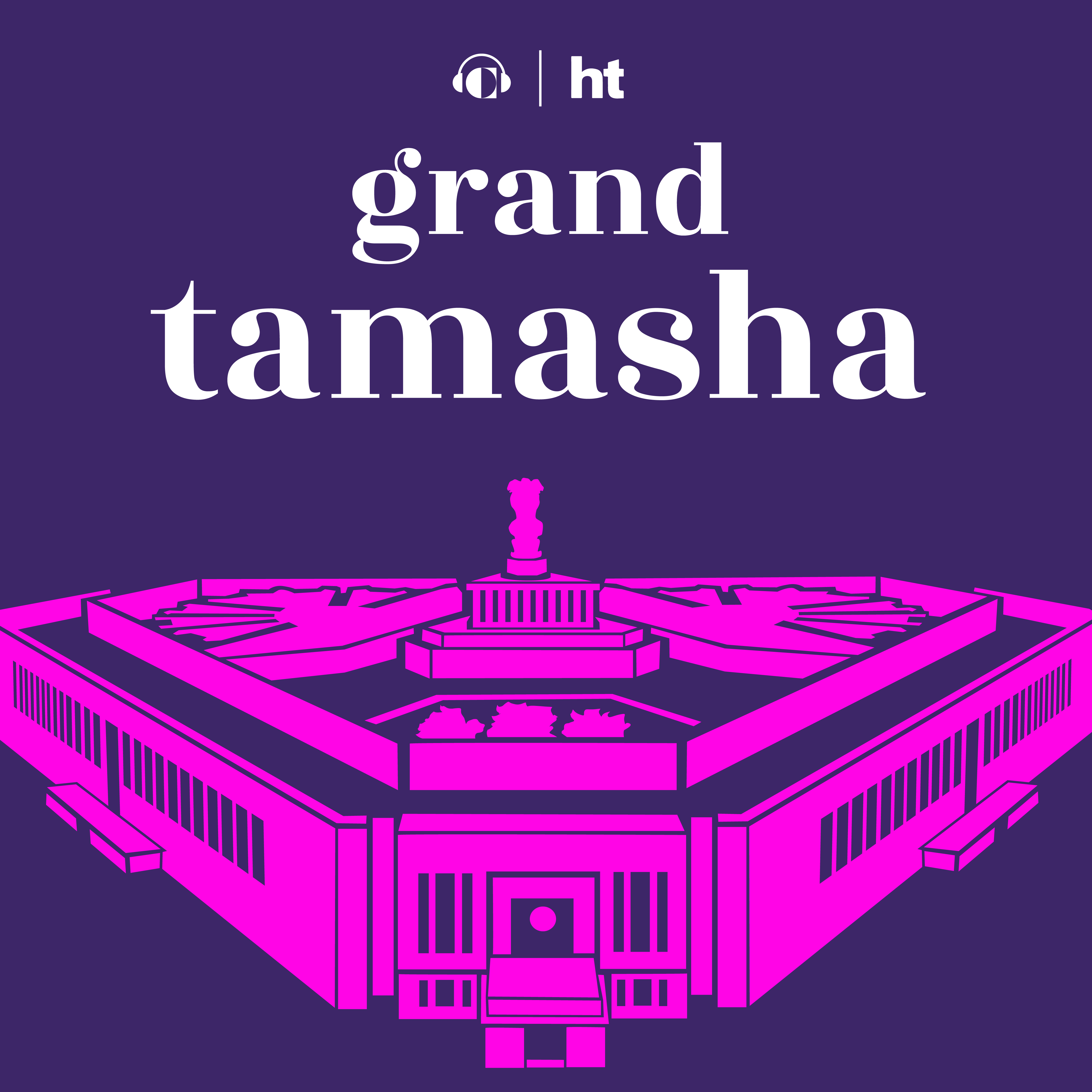
This week, Rahul Sagar join Milan to discuss his new book The Birth of Indian Liberalism: Mama Parmanand’s Letters to an Indian Raja, which uncovers an older tradition of Indian liberal thought through a remarkable work first published in 1891 and then largely forgotten for more than a century.

Link Copied
By Milan Vaishnav and Rahul Sagar
Published on Jul 1, 2026

Subscribe on

Apple PodcastsOvercastSpotifyYoutube
Program mobile hero image

Program

South Asia

The South Asia Program informs policy debates relating to the region’s security, economy, and political development. From strategic competition in the Indo-Pacific to India’s internal dynamics and U.S. engagement with the region, the program offers in-depth, rigorous research and analysis on South Asia’s most critical challenges.

Learn More

Most conventional accounts of the origins of liberalism in India typically begin and end with the British. Indian thinkers are often depicted as encountering liberal ideas through colonial institutions, adapting them to local conditions, and eventually turning them against the British Raj. 

But a new book by Rahul Sagar, The Birth of Indian Liberalism: Mama Parmanand’s Letters to an Indian Raja, uncovers an older tradition of Indian liberal thought through a remarkable work first published in 1891 and then largely forgotten for more than a century.

In a series of incisive letters addressed to the native ruler of Baroda, Parmanand argued that India’s native princes should embrace constitutional government, cultivate liberal values, and liberate their subjects from oppressive customs, social hierarchies, and arbitrary state power. 

To talk more about Parmanand’s life, the rediscovery of his letters, and what they tell us about the origins of Indian liberalism, Rahul Sagar joins Milan on the show this week for the season finale of Grand Tamasha.

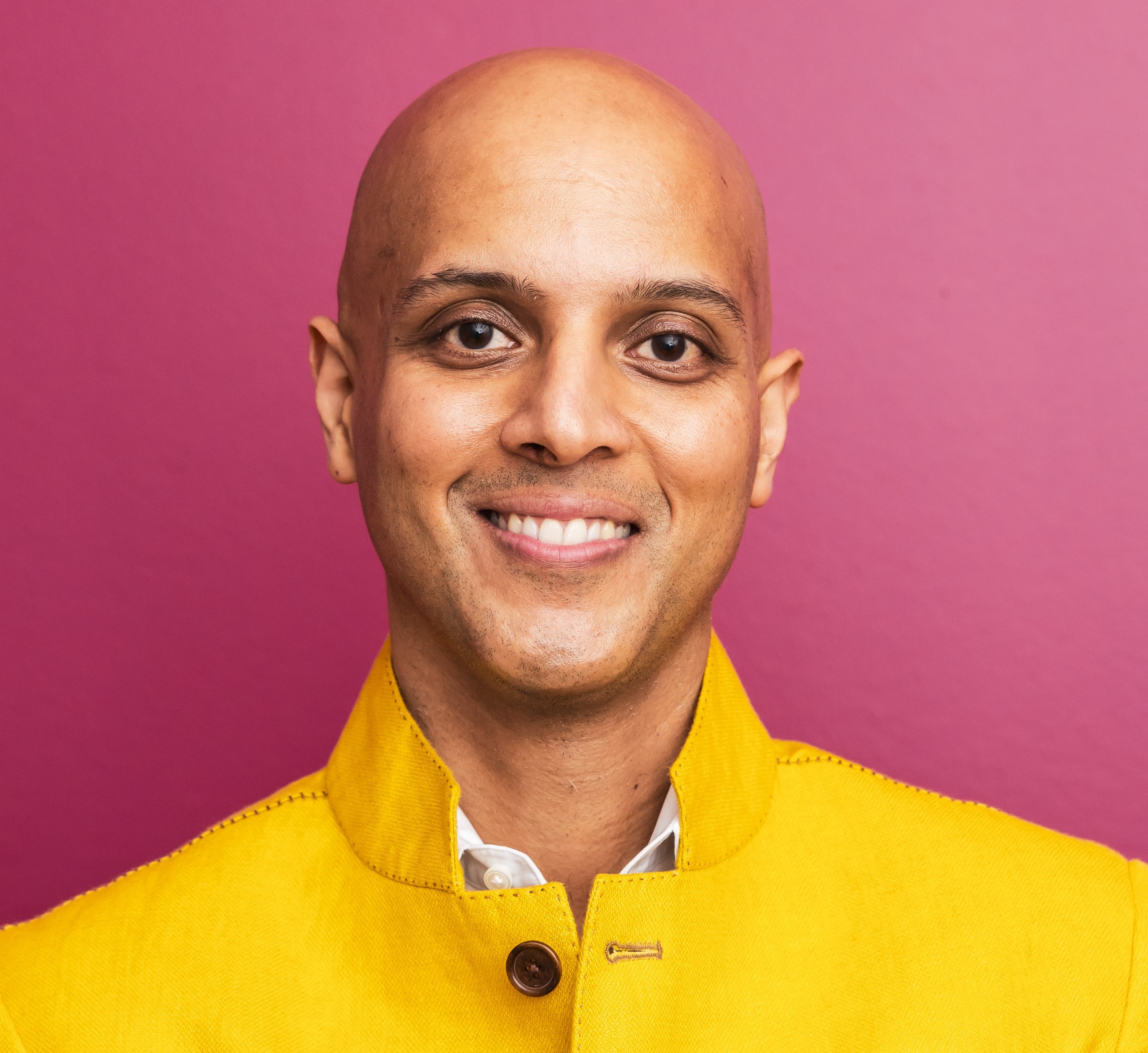
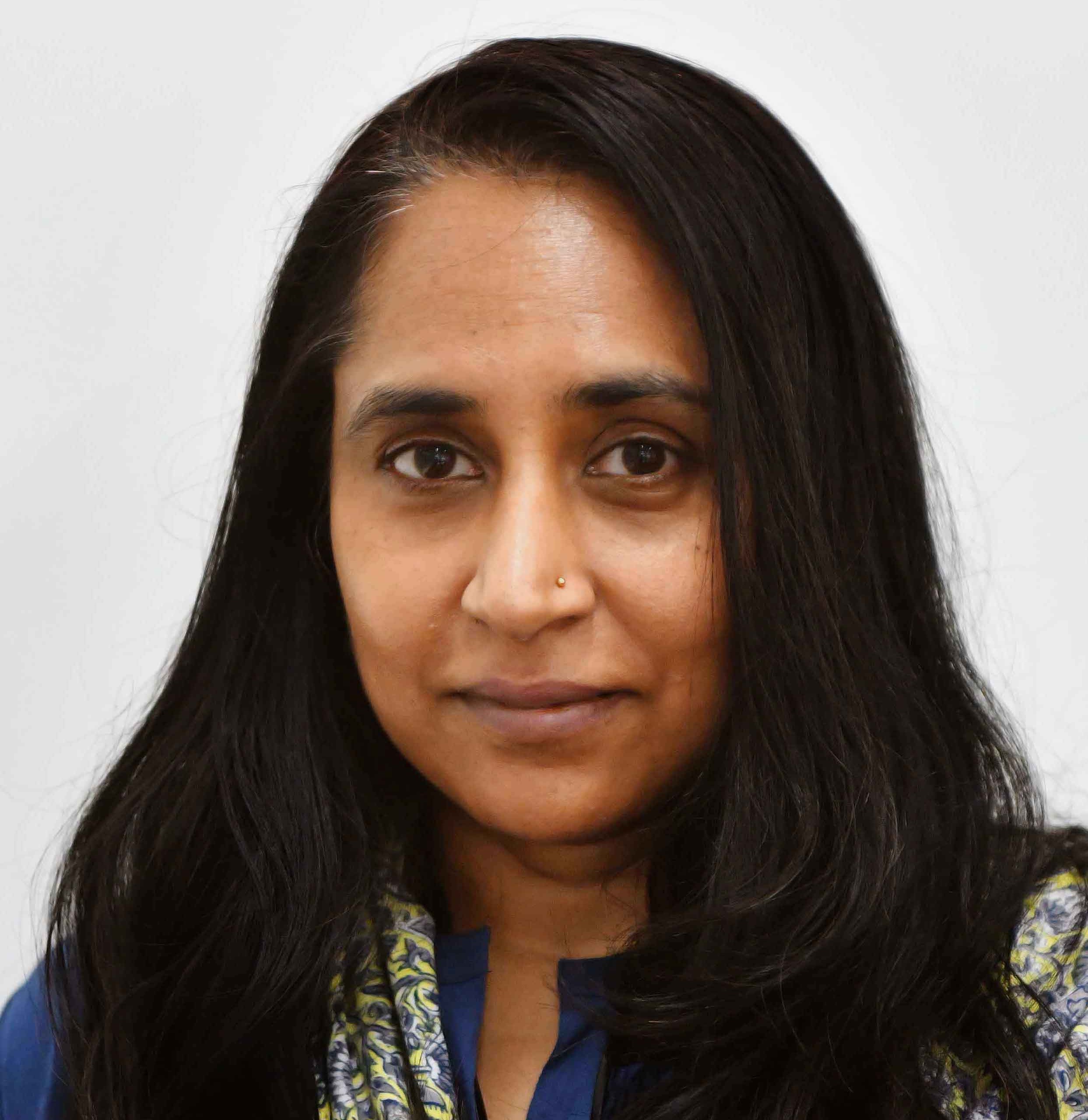
Rahul is Global Network Associate Professor of Political Science at New York University Abu Dhabi and a leading scholar of modern Indian political thought. He previously taught at Princeton University and Yale-NUS College. He is the author or editor of several books, including To Raise a Fallen People and The Progressive Maharaja.

Episode notes:

1.        “India’s Hidden Treatise on Statecraft (with Rahul Sagar),” Grand Tamasha, November 1, 2022. 

2.        “What Kind of World Power Does India Want to Be (with Rahul Sagar),” Grand Tamasha, June 1, 2022.

3.        Rahul Sagar, Ideas of India, database.

Hosted by

Milan Vaishnav
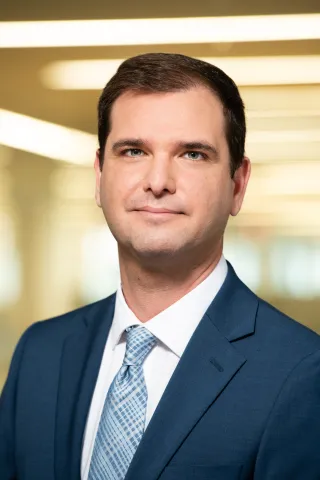
Director and Senior Fellow, South Asia Program
Milan Vaishnav

Featuring

Rahul Sagar

Rahul Sagar is global network associate professor of political science at New York University (NYU) Abu Dhabi and a Washington Square fellow at NYU New York.

Carnegie does not take institutional positions on public policy issues; the views represented herein are those of the author(s) and do not necessarily reflect the views of Carnegie, its staff, or its trustees.

More Work from Grand Tamasha

  • Podcast Episode
    Whose Constitution Is It Anyway?

    This week, Rohit De and Ornit Shani join Milan to discuss their new book Assembling India’s Constitution: A New Democratic History. Drawing on a remarkable range of archival material, the book shows that constitution-making was not confined to the halls of the Constituent Assembly alone.

      Milan Vaishnav, Ornit Shani, Rohit De

  • Podcast Episode
    The Dark Side of the H-1B Dream

    Milan Vaishnav and Tanul Thakur discuss Tanul's new book "Wild Wild East: Exiled Americans, Enslaved Indians and the Systemic Abuse of the H-1B Visa Programme." 

      Milan Vaishnav, Tanul Thakur

  • Podcast Episode
    What Do Indians Think About the World?

    Discussing their new short book, Indian Public Opinion toward the Major Powers, Paul Staniland, and Aidan Milliff join Milan Vaishnav to discuss the treasure trove of data on Indian public opinion they stumbled upon, the characteristics of India’s “foreign policy public,” and the variation in Indian attitudes toward the United States, China, and Russia/the Soviet Union. Plus, the discuss why a respondent’s region emerges as a strong predictor of one’s foreign policy views.

      Milan Vaishnav, Paul Staniland, Aidan Milliff

  • Podcast Episode
    India’s Nordic Connection

    Host Milan Vaishnav and Ambassador May-Elin Stener discuss the outcomes of the India-Nordic summit, the Trade and Economic Partnership Agreement (TEPA), and the green technology partnership Norway envisions with India.

      Milan Vaishnav, May-Elin Stener

  • Podcast Episode
    BJP Ascendant at Home, Tested Abroad

    Milan Vaishnav, Sadanand Dhume, and Tanvi Madan discuss whether India is becoming a “one-party state,” the current state of the opposition, and the headwinds facing the Indian economy. Plus, the three discuss Pakistan’s diplomatic moment, Trump’s recent China trip, and Marco Rubio’s visit to India.

      Milan Vaishnav, Tanvi Madan, Sadanand Dhume

Get more news and analysis from
Carnegie Endowment for International Peace
Carnegie global logo, stacked
1779 Massachusetts Avenue NWWashington, DC, 20036-2103Phone: 202 483 7600
  • Research
  • Emissary
  • About
  • Experts
  • Donate
  • Programs
  • Events
  • Blogs
  • Podcasts
  • Contact
  • Annual Reports
  • Careers
  • Privacy
  • For Media
  • Government Resources
Get more news and analysis from
Carnegie Endowment for International Peace
© 2026 Carnegie Endowment for International Peace. All rights reserved.