• Research
  • Emissary
  • About
  • Experts
Carnegie Global logoCarnegie lettermark logo
Democracy
  • Donate
Podcast Episode
Carnegie India

India's Defense Industry: The State of Play

In this episode of Interpreting India, P. R. Shankar joins host Saheb Singh Chadha to unpack the state of India’s defense industry. While India has made gains in modernizing its military and expanding domestic defense production, challenges persist, for example, in research and development, and procurement. Gen. Shankar also provided recommendations that would allow India to reduce its imports, diversify dependence, and export indigenous systems.

Link Copied
By Saheb Singh Chadha and P.R. Shankar
Published on Mar 27, 2025

Subscribe on

SpotifyApple PodcastsAmazon MusicYoutube

Episode Summary

In this episode of Interpreting India, P. R. Shankar joins host Saheb Singh Chadha to unpack the state of India’s defense industry. While India has made gains in modernizing its military and expanding domestic defense production, challenges persist, for example, in research and development, and procurement. Gen. Shankar also provided recommendations that would allow India to reduce its imports, diversify dependence, and export indigenous systems.

Episode Notes

P. R. Shankar outlines the evolution of India’s defense industry and how it is nurturing a growing ecosystem of indigenous production. He highlights that India’s armed forces have always been adequately equipped for national defense, the key question being whether it can develop a defence industry that would enable it to act as a regional power.

The discussion explores the historical structure of India’s defence sector, traditionally dominated by public sector organizations such as the Defence Research and Development Organisation (DRDO). It traces the gradual but significant entry of private players into the defence industry, marking a shift towards a more diversified and dynamic ecosystem. Gen. Shankar emphasizes that meaningful reform in procurement processes does not necessarily require more rules; rather clarity of intent, domain expertise, and better coordination among the armed forces, bureaucracy, political leadership, and industry. A key highlight of the episode is the artillery modernization program, which serves as a successful case study of long-term strategic planning and sustained execution, offering valuable lessons for other sectors and weapon systems. The conversation also delves into the relevance of international defense partnerships for deeper co-development and interoperability. Finally, broader reforms such as the introduction of positive indigenization lists, a more robust export policy, and the inclusion of startups and academic institutions like the Indian Institutes of Technology, are seen as critical to strengthening India’s defense industry. 

Episode Contributors

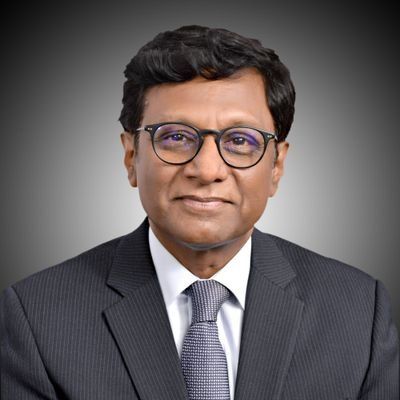
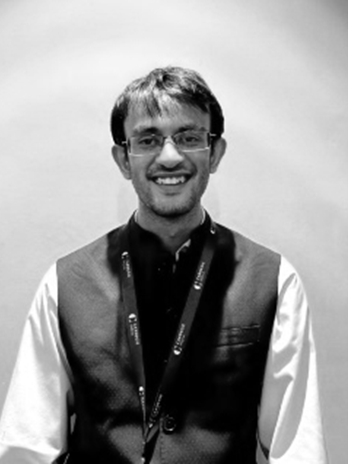
P.R. Shankar is the former Director General of Artillery in the Indian Army and currently a professor in the Aerospace Department at IIT Madras. He has played a key role in India’s artillery modernization and frequently writes on strategic and defense issues. He also runs a YouTube channel, Gunner’s Shot, focusing on defense and geopolitical affairs.

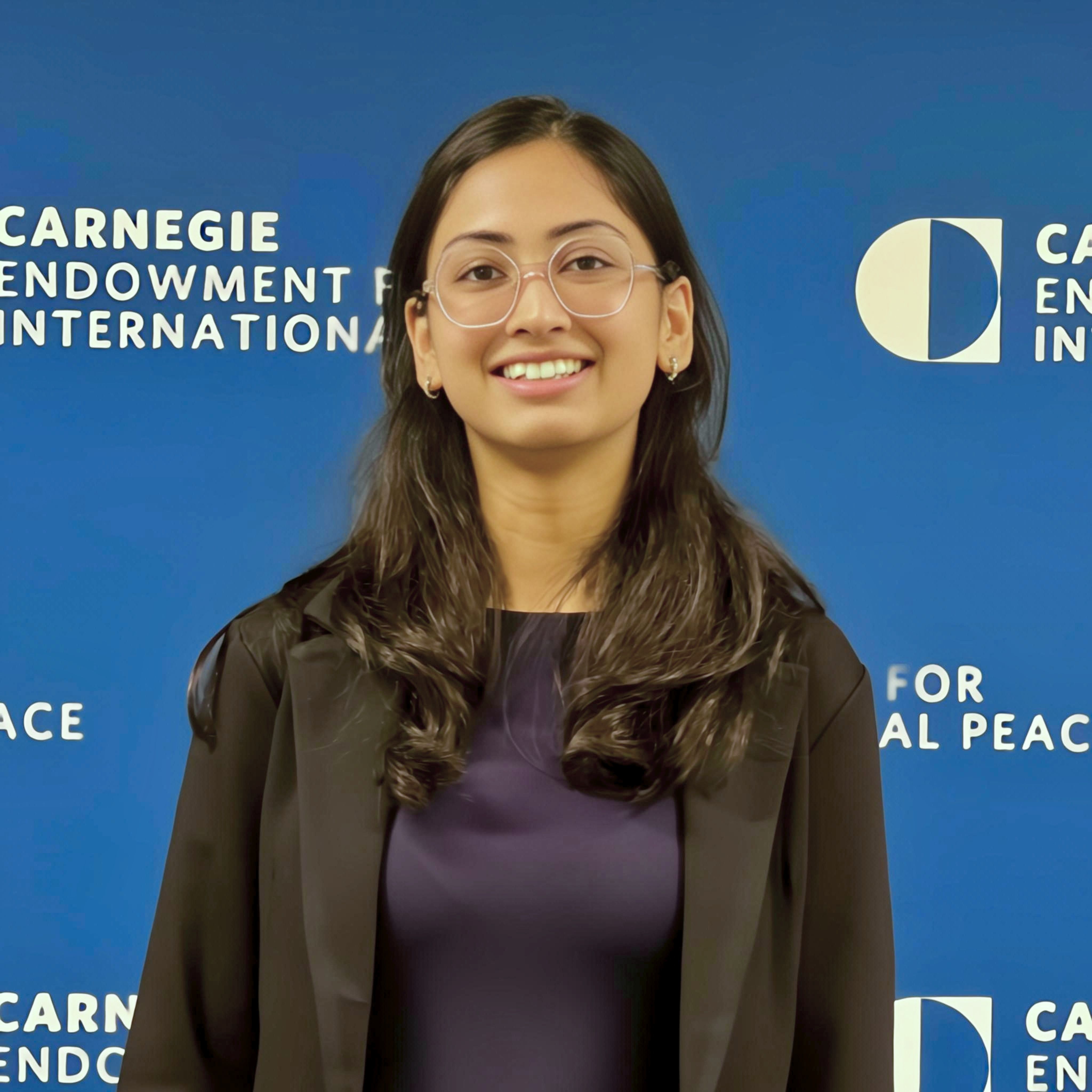
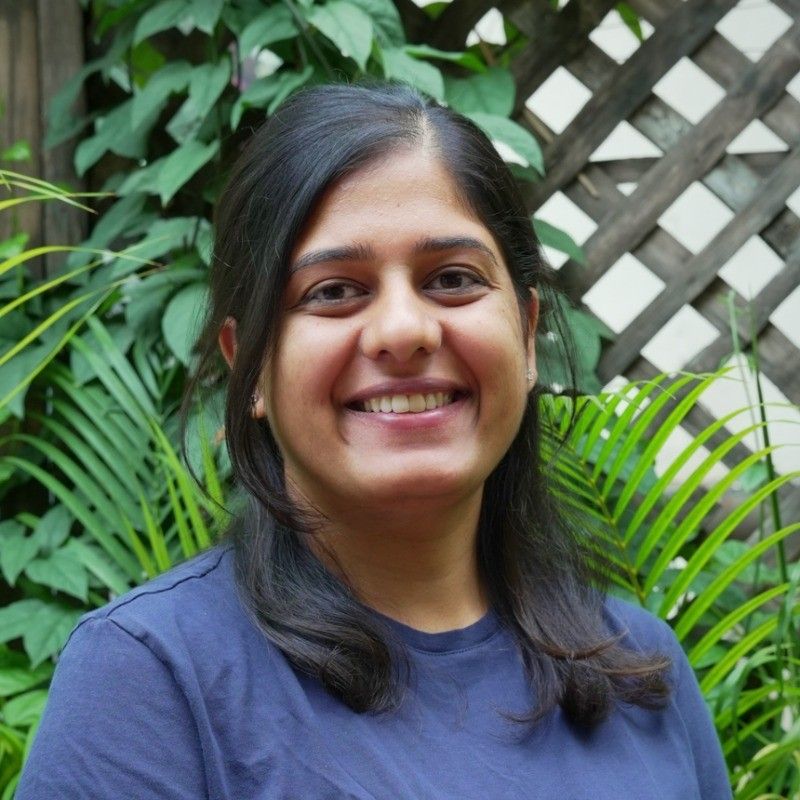
Saheb Singh Chadha is a senior research analyst in the Security Studies Program at Carnegie India. His research focuses on China’s foreign and security policies, India-China relations, and India’s military modernization. He is broadly interested in the geopolitics of South Asia and the Indo-Pacific. He is also a researcher on a project examining the nature and dynamics of cross-border violence and its impact on civilian communities.

Hosted by

Saheb Singh Chadha
Former Senior Research Analyst, Security Studies Program
Saheb Singh Chadha

Featuring

P.R. Shankar

Former Director General of Artillery, Indian Army 

Carnegie does not take institutional positions on public policy issues; the views represented herein are those of the author(s) and do not necessarily reflect the views of Carnegie, its staff, or its trustees.

More Work from Interpreting India

  • Podcast Episode
    Deciphering the “Mother of All Trade Deals”: The India–EU FTA

    In this episode of Interpreting India, Dinakar Peri is joined by Mohan Kumar, former Indian Ambassador to France and a veteran trade negotiator, to unpack the newly concluded India–EU Free Trade Agreement and why he describes it as the “mother of all trade deals” for India. Kumar explains why the agreement is strategically significant, why the timing matters, and what it signals about India’s trade posture, competitiveness, and broader alignment between trade, technology, and security.

      Dinakar Peri, Mohan Kumar

  • Podcast Episode
    AI Adoption Journey for Population Scale: The UCAF Framework

    In this episode of Interpreting India, Nidhi Singh is joined by Shalini Kapoor, chief strategist for Data and AI at the EkStep Foundation, and Tanvi Lall, director for strategy at People+ai. They unpack why so many AI initiatives get stuck after impressive demos, and what it takes to move from pilots to real, sustained adoption. Drawing on research spanning 1,000+ use cases across 25 countries, the guests introduce the Use Case Adoption Framework (UCAF) and explain how India can translate AI ambition into population-scale impact—especially across public services, agriculture, health, and other high-priority sectors.

      Nidhi Singh, Shalini Kapoor, Tanvi Lall

  • Podcast Episode
    Scarcity, Sovereignty, Strategy: Mapping the Political Geography of AI Compute

    In this episode of Interpreting India, Adarsh Ranjan is joined by Zoe Jay Hawkins, co-founder and deputy executive director of the Tech Policy Design Institute. They explore the evolving idea of AI sovereignty, the geopolitics of compute, and how countries are navigating access to the foundational infrastructure that powers artificial intelligence. Drawing from her research at the Oxford Internet Institute, Zoe unpacks the political geography of AI compute, the rising concentration of AI chips and data centers, and what this means for both developed and developing economies.

      Adarsh Ranjan, Zoe Jay Hawkins

  • Podcast Episode
    Cybersecurity in Outer Space: A Growing Concern

    In this episode of Interpreting India, host Tejas Bharadwaj is joined by P. J. Blount, an assistant professor of space law at Durham University. Together, they delve into the critical topic of cybersecurity in outer space, exploring the challenges and implications of protecting space-based assets amidst rising geopolitical tensions and technological advancements. Blount shares insights from his extensive research in international space law and cyberspace governance, highlighting the complexities of legal attribution and the evolving landscape of space security.

      Tejas Bharadwaj, P. J. Blount

  • Podcast Episode
    Unbundling AI Openness: Beyond the Binary

    In this episode of Interpreting India, host Shruti Mittal speaks with Chinmayi Sharma, associate professor of law at Fordham Law School. Together, they explore the evolving and often misunderstood debate on openness in artificial intelligence. Drawing from her forthcoming paper, Unbundling AI Openness, in the Wisconsin Law Review, Sharma explains why the traditional “open versus closed” framing oversimplifies the reality of modern AI development.

      Shruti Mittal, Chinmayi Sharma

Get more news and analysis from
Carnegie Endowment for International Peace
Carnegie global logo, stacked
1779 Massachusetts Avenue NWWashington, DC, 20036-2103Phone: 202 483 7600Fax: 202 483 1840
  • Research
  • Emissary
  • About
  • Experts
  • Donate
  • Programs
  • Events
  • Blogs
  • Podcasts
  • Contact
  • Annual Reports
  • Careers
  • Privacy
  • For Media
  • Government Resources
Get more news and analysis from
Carnegie Endowment for International Peace
© 2026 Carnegie Endowment for International Peace. All rights reserved.