• Research
  • Emissary
  • About
  • Experts
Carnegie Global logoCarnegie lettermark logo
DemocracyIran
  • Donate
Podcast Episode
Carnegie India

Interpreting China: The Economy and its Impact on Foreign Policy

In this episode of Interpreting India, host Saheb Singh Chadha is joined by Amit Kumar, staff research analyst at the Takshashila Institution, to explore the structural imbalances in China’s economy and what they mean for the world.

Link Copied
By Saheb Singh Chadha and Amit Kumar
Published on May 15, 2025

Subscribe on

SpotifyApple PodcastsAmazon MusicYoutube
Project hero Image

Project

Security Studies

India’s evolving role in regional and global security is shaped by complex dynamics. Experts in the Security Studies Program examine India’s position in this world order through informed analyses of its foreign and security policies, focusing on the relationship with China, the securitization of borders, and the geopolitics of the Indo-Pacific. 

Learn More

Episode Summary

In this episode of Interpreting India, host Saheb Singh Chadha is joined by Amit Kumar, staff research analyst at the Takshashila Institution, to explore the structural imbalances in China’s economy and what they mean for the world. The conversation delves into three major dilemmas facing the Chinese economy—fiscal stimulus, property sector instability, and domestic consumption rebalancing. Together, they examine how these economic dynamics impact China’s foreign policy, foreign economic relations and China’s outreach to countries like India. India–China economic relations are also discussed.

Amit Kumar is a contributor to the Views From Taipei compendium published by Carnegie India in May 2025. He is the author of the essay titled The Pulls and Pushes Within the Chinese Economy.

Episode Notes

In this conversation, Saheb and Amit examine the three major structural dilemmas facing China’s economy: a persistently low domestic consumption rate of around 40 percent of GDP, making China an outlier among large economies; the Chinese state’s reluctance to adopt fiscal stimulus due to its ideological opposition to welfarism; and a sharp slowdown in real estate investment that has had ripple effects across the broader economy. They also discuss how China’s enduring trade surpluses, particularly with the U.S., EU, and India are generating international pushback. Despite high trade volumes, Amit highlights the limited nature of Chinese investment in India, noting that economic outreach from China is driven less by genuine market interest and more by geopolitical calculations. 

The episode further explores why China’s engagement with regions like Africa, Latin America, and Southeast Asia cannot substitute for the demand found in Western markets. The episode also looks at how India’s large and growing consumer market could make it a prime destination for companies relocating under the China Plus One strategy, even if Chinese firms themselves remain reluctant to invest directly. Finally, the discussion draws a clear line between China’s diplomatic messaging and its actual economic practices, revealing a gap that continues to shape global perceptions.

Suggested Readings

Views From Taipei: Essays by Young Indian Scholars on China by Vijay Gokhale, Suyash Desai, Amit Kumar, and Aadil Brar

Review of Foreign Direct Investment (FDI) policy for curbing opportunistic takeovers/acquisitions of Indian companies due to the current COVID-19 pandemic by Ministry of Commerce & Industry 

De-risking India’s Trade with China: Identifying Strategic and Critical Vulnerabilities by Amit Kumar

China isn't Ready to Shift to a Consumption-Driven Economy by Amit Kumar

Is India Warming up to Chinese Investment? By Amit Kumar

China’s Economy: What Everyone Needs to Know by Arthur R. Kroeber

China’s Western Horizon: Beijing and the New Geopolitics of Eurasia by Daniel S. Markey

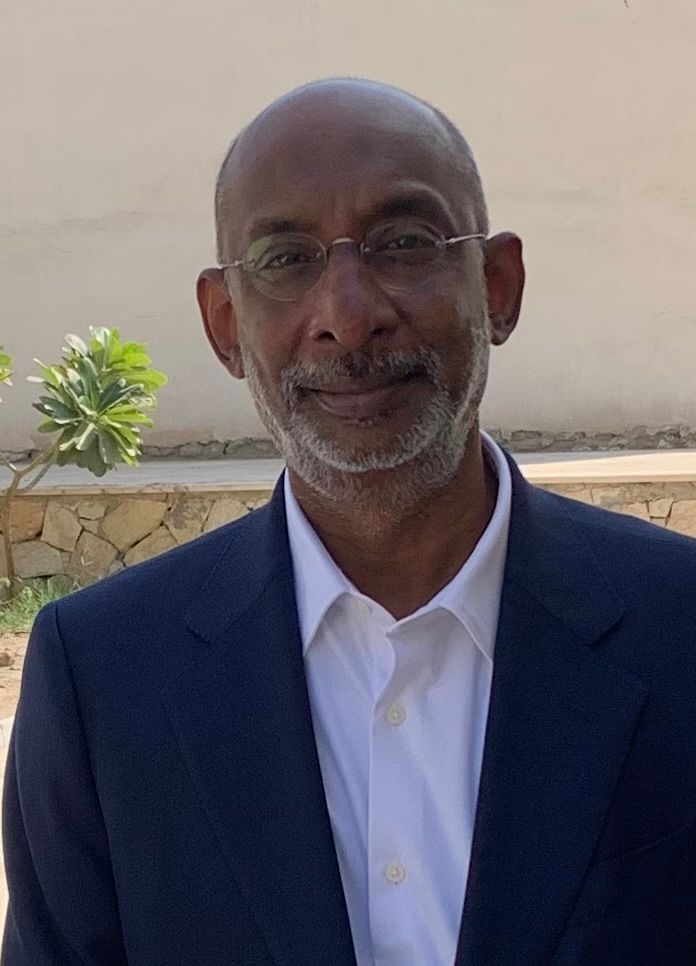
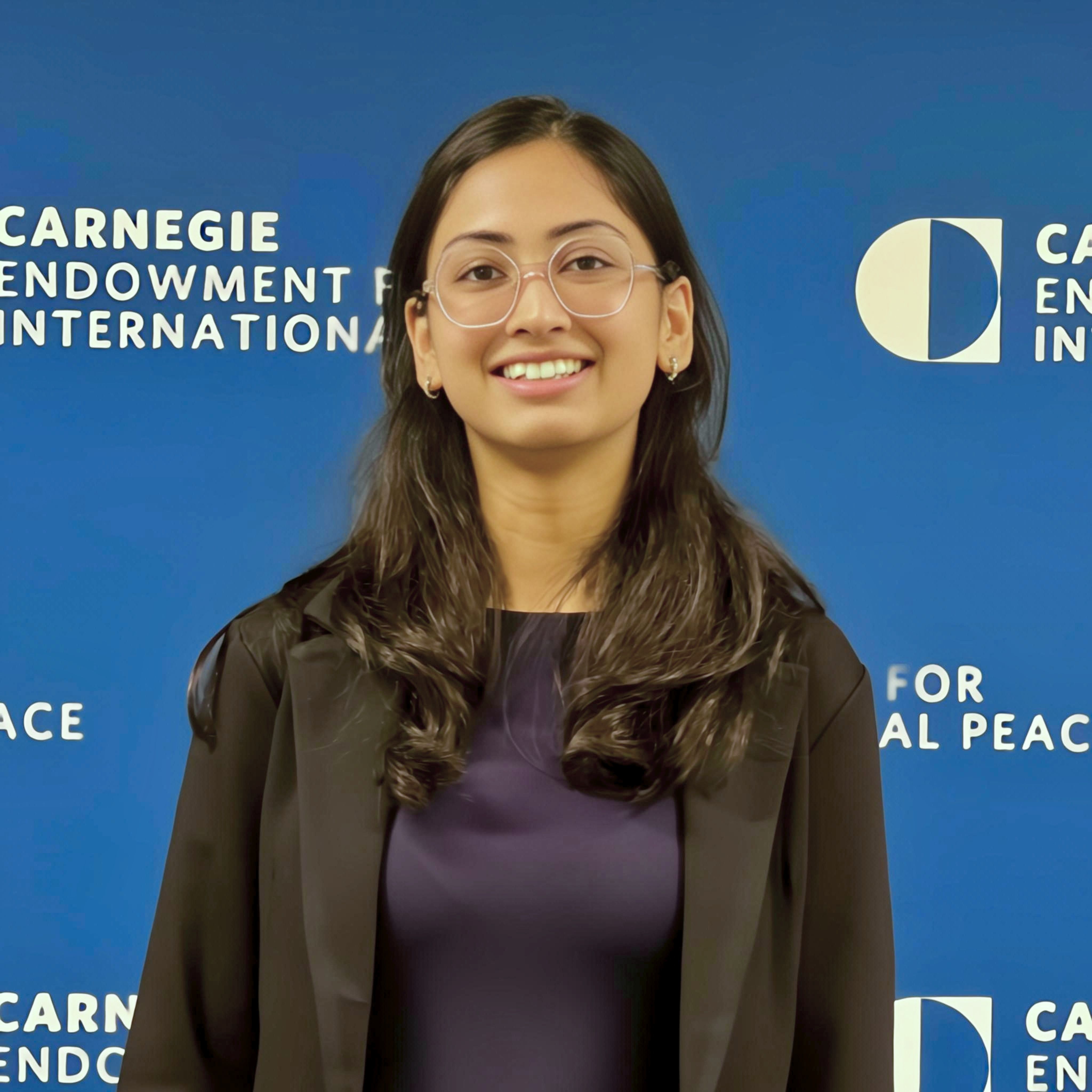
Hosted by

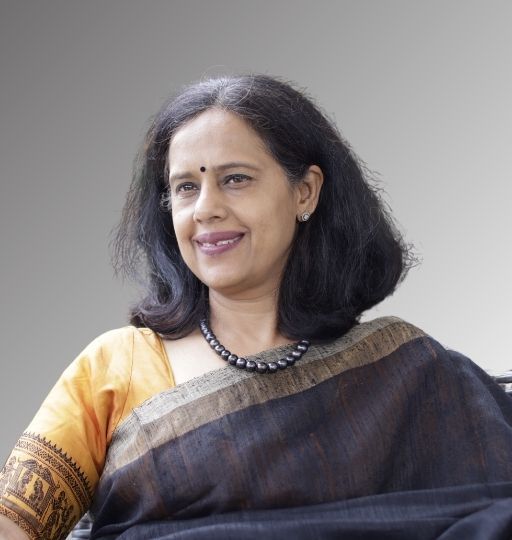
Saheb Singh Chadha
Former Senior Research Analyst, Security Studies Program
Saheb Singh Chadha

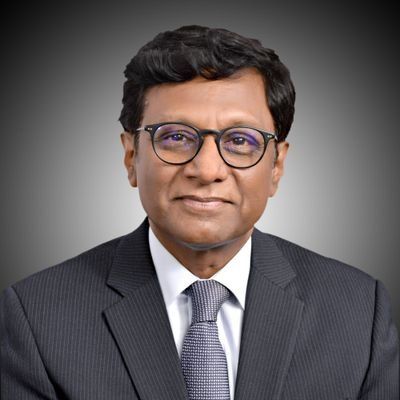
Featuring

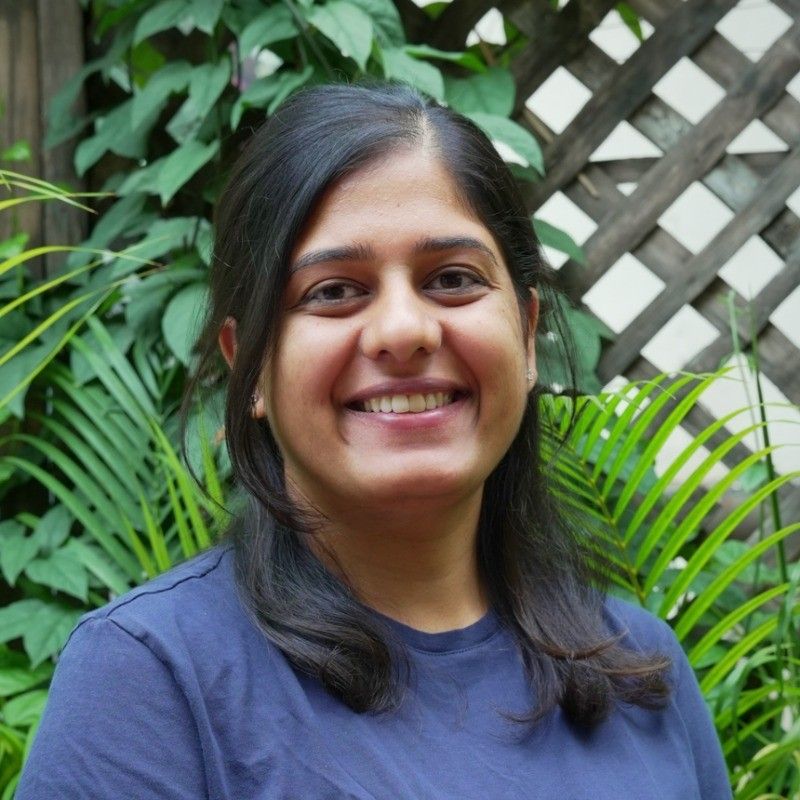
Amit Kumar
Staff Research Analyst, Takshashila Institution
Amit Kumar

Carnegie does not take institutional positions on public policy issues; the views represented herein are those of the author(s) and do not necessarily reflect the views of Carnegie, its staff, or its trustees.

More Work from Interpreting India

  • Podcast Episode
    Recalibrating BRICS: India’s Moment in a Fragmented World

    In this episode of Interpreting India, Vrinda Sahai is joined by Ana Garcia, Associate Professor at PUC-Rio and Coordinator at the BRICS Policy Center, to discuss the evolving direction of BRICS as India assumes the 2026 presidency. The conversation reflects on Brazil’s 2025 chairship, the bloc’s continued focus on reforming global financial governance, and the cautious progress on issues such as local currency trade, financial coordination, and institutional reform. Ana Garcia also highlights the limits of BRICS as a unified geopolitical actor and outlines key priorities for India, including strengthening financial mechanisms, advancing climate and health cooperation, and consolidating the expanded BRICS membership.

      Vrinda Sahai, Ana Garcia

  • Podcast Episode
    Deciphering the “Mother of All Trade Deals”: The India–EU FTA

    In this episode of Interpreting India, Dinakar Peri is joined by Mohan Kumar, former Indian Ambassador to France and a veteran trade negotiator, to unpack the newly concluded India–EU Free Trade Agreement and why he describes it as the “mother of all trade deals” for India. Kumar explains why the agreement is strategically significant, why the timing matters, and what it signals about India’s trade posture, competitiveness, and broader alignment between trade, technology, and security.

      Dinakar Peri, Mohan Kumar

  • Podcast Episode
    AI Adoption Journey for Population Scale: The UCAF Framework

    In this episode of Interpreting India, Nidhi Singh is joined by Shalini Kapoor, chief strategist for Data and AI at the EkStep Foundation, and Tanvi Lall, director for strategy at People+ai. They unpack why so many AI initiatives get stuck after impressive demos, and what it takes to move from pilots to real, sustained adoption. Drawing on research spanning 1,000+ use cases across 25 countries, the guests introduce the Use Case Adoption Framework (UCAF) and explain how India can translate AI ambition into population-scale impact—especially across public services, agriculture, health, and other high-priority sectors.

      Nidhi Singh, Shalini Kapoor, Tanvi Lall

  • Podcast Episode
    Scarcity, Sovereignty, Strategy: Mapping the Political Geography of AI Compute

    In this episode of Interpreting India, Adarsh Ranjan is joined by Zoe Jay Hawkins, co-founder and deputy executive director of the Tech Policy Design Institute. They explore the evolving idea of AI sovereignty, the geopolitics of compute, and how countries are navigating access to the foundational infrastructure that powers artificial intelligence. Drawing from her research at the Oxford Internet Institute, Zoe unpacks the political geography of AI compute, the rising concentration of AI chips and data centers, and what this means for both developed and developing economies.

      Adarsh Ranjan, Zoe Jay Hawkins

  • Podcast Episode
    Cybersecurity in Outer Space: A Growing Concern

    In this episode of Interpreting India, host Tejas Bharadwaj is joined by P. J. Blount, an assistant professor of space law at Durham University. Together, they delve into the critical topic of cybersecurity in outer space, exploring the challenges and implications of protecting space-based assets amidst rising geopolitical tensions and technological advancements. Blount shares insights from his extensive research in international space law and cyberspace governance, highlighting the complexities of legal attribution and the evolving landscape of space security.

      Tejas Bharadwaj, P. J. Blount

Get more news and analysis from
Carnegie Endowment for International Peace
Carnegie global logo, stacked
1779 Massachusetts Avenue NWWashington, DC, 20036-2103Phone: 202 483 7600Fax: 202 483 1840
  • Research
  • Emissary
  • About
  • Experts
  • Donate
  • Programs
  • Events
  • Blogs
  • Podcasts
  • Contact
  • Annual Reports
  • Careers
  • Privacy
  • For Media
  • Government Resources
Get more news and analysis from
Carnegie Endowment for International Peace
© 2026 Carnegie Endowment for International Peace. All rights reserved.