

Podcast Episode
An ex-head of the Secret Service in his first-ever podcast on growing threats to U.S. leaders.
Jon Bateman, Ronald L. Rowe, Jr.
Carnegie Senior Fellow Sarah Chayes argues that in corrupt countries, kleptocratic networks involve not only government officials, but private industries and established criminal networks. Sarah joins Tom Carver and Zephyr Teachout for a discussion on corruption and power. (Runtime - 29:23)
Millions of people in the developing world encounter corruption every day, in the form of bribes they have to pay to go about their daily lives. But there’s an insidious form of corruption that permeates entire structures, including governments, which is often hidden in apparently legitimate activity. Carnegie Senior Fellow Sarah Chayes has been researching this form of corruption for the better part of a decade. She argues that in corrupt countries, kleptocratic networks involve not only government officials, but private industries and established criminal networks. In her recent report, When Corruption is the Operating System: The Case of Honduras, Sarah examines how the kleptocratic system functions in a case study on that country. Sarah joins Tom and Zephyr Teachout, author of Corruption in America: From Benjamin Franklin’s Snuff Box to Citizens United, and a democratic candidate in the New York gubernatorial race, for a discussion on corruption and power.
Sarah Chayes is internationally recognized for her innovative thinking on corruption and its implications. Her work explores how severe corruption can help prompt such crises as terrorism, revolutions and their violent aftermaths, and environmental degradation.
Zephyr Teachout is an associate professor of law at Fordham University.
Carnegie does not take institutional positions on public policy issues; the views represented herein are those of the author(s) and do not necessarily reflect the views of Carnegie, its staff, or its trustees.

An ex-head of the Secret Service in his first-ever podcast on growing threats to U.S. leaders.


Jon Bateman, Ronald L. Rowe, Jr.
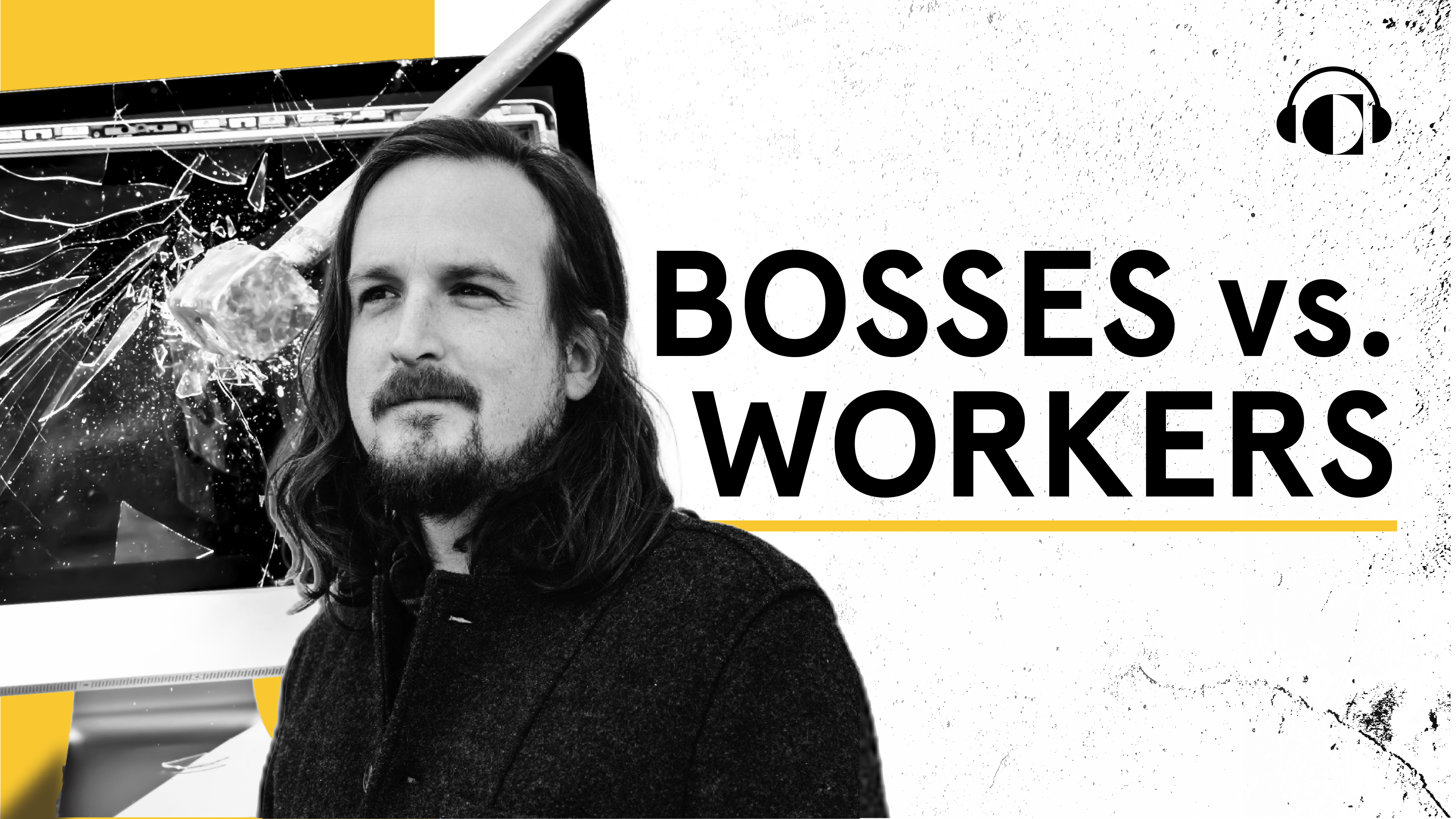
Brian Merchant on the Industrial Revolution’s failures, how AI undercuts workers, and the social order of technology.

Jon Bateman, Brian Merchant

The missing context that shows how AI isn’t the resource hog everyone thinks it is – with Andy Masley.

Jon Bateman, Andy Masley

Sophia Besch games out NATO’s future, Baltic scenarios, German rearmament, and Europe’s next way of war.

Jon Bateman, Sophia Besch

James Acton gives 50% odds of an Iranian nuke in 3 years and tells U.S. negotiators what to prioritize.

Jon Bateman, James M. Acton