

Paper
Ms. Audrey Singer, Greta Gilbertson
{
  "authors": [
    "Audrey Singer"
  ],
  "type": "legacyinthemedia",
  "centerAffiliationAll": "",
  "centers": [
    "Carnegie Endowment for International Peace"
  ],
  "collections": [],
  "englishNewsletterAll": "",
  "nonEnglishNewsletterAll": "",
  "primaryCenter": "Carnegie Endowment for International Peace",
  "programAffiliation": "",
  "programs": [],
  "projects": [],
  "regions": [
    "South America"
  ],
  "topics": []
}
REQUIRED IMAGE
Source: Carnegie
Former Associate
Recent Work
Ms. Audrey Singer, Greta Gilbertson
Carnegie does not take institutional positions on public policy issues; the views represented herein are those of the author(s) and do not necessarily reflect the views of Carnegie, its staff, or its trustees.

The India AI Impact Summit offers a timely opportunity to experiment with and formalize new models of cooperation.
Lakshmee Sharma, Jane Munga
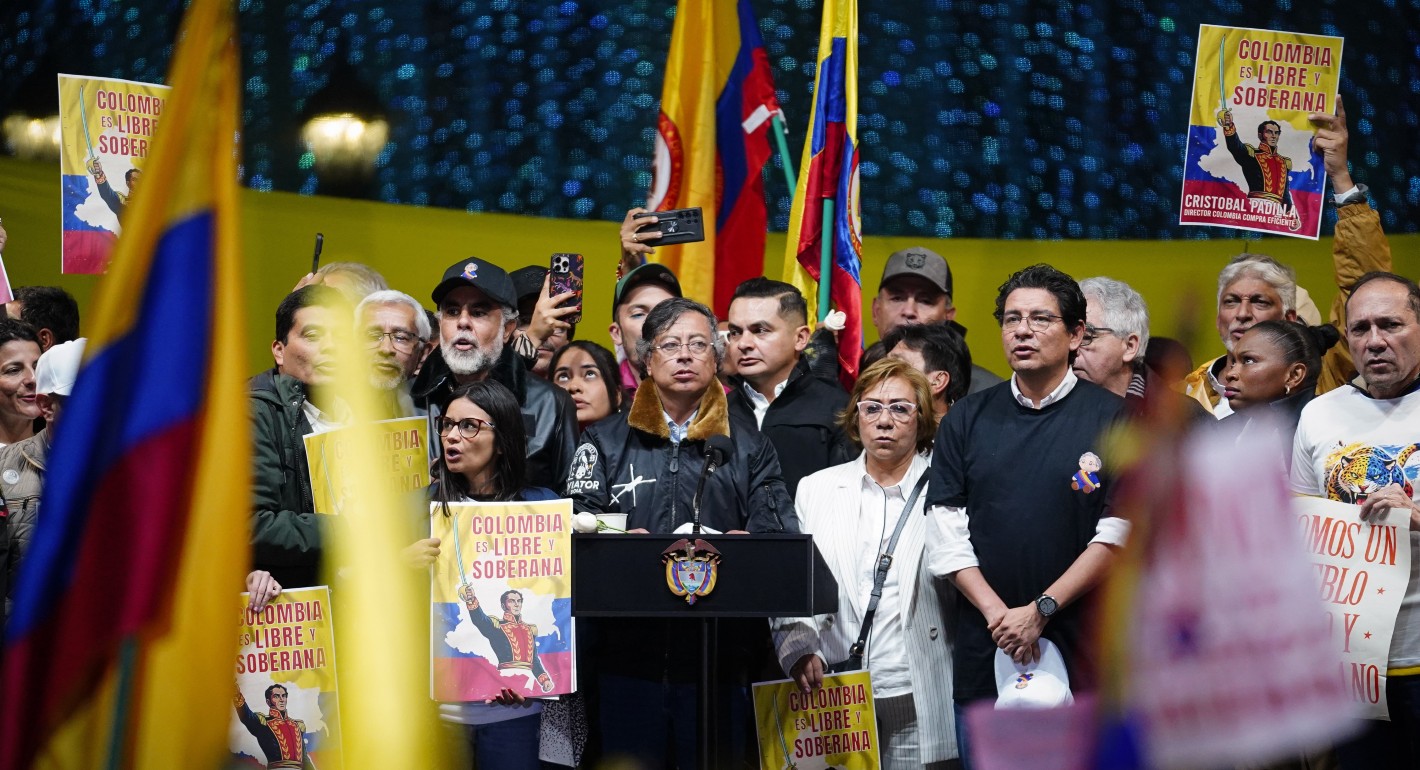
When democracies and autocracies are seen as interchangeable targets, the language of democracy becomes hollow, and the incentives for democratic governance erode.


Sarah Yerkes, Amr Hamzawy

Geological complexity and years of mismanagement mean the Venezuelan oil industry is not the big prize officials in Moscow and Washington appear to believe.

Sergey Vakulenko
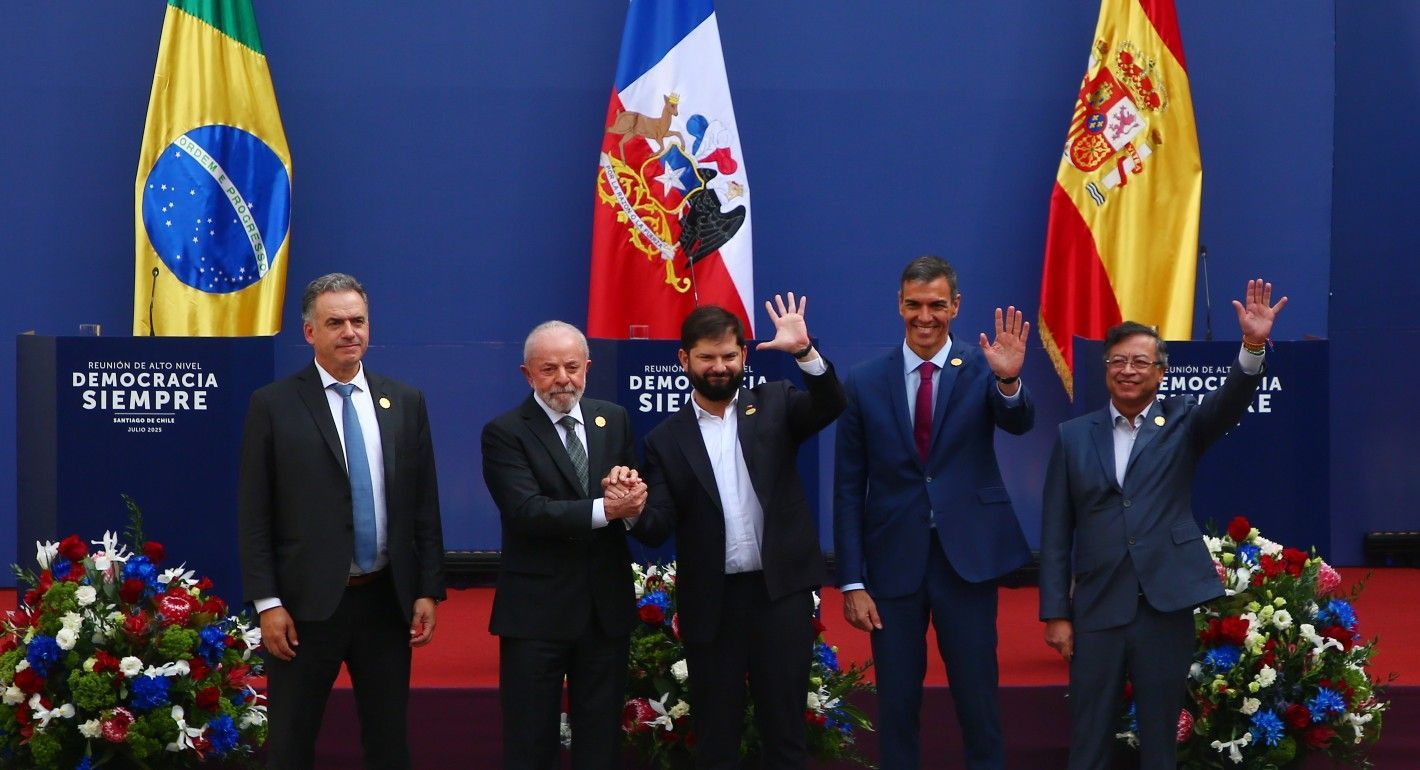
With U.S. democracy support receding, progressive leaders from Spain and Latin America have pioneered a global initiative to combat backsliding. Can it succeed?

Oliver Stuenkel, Adrian Feinberg
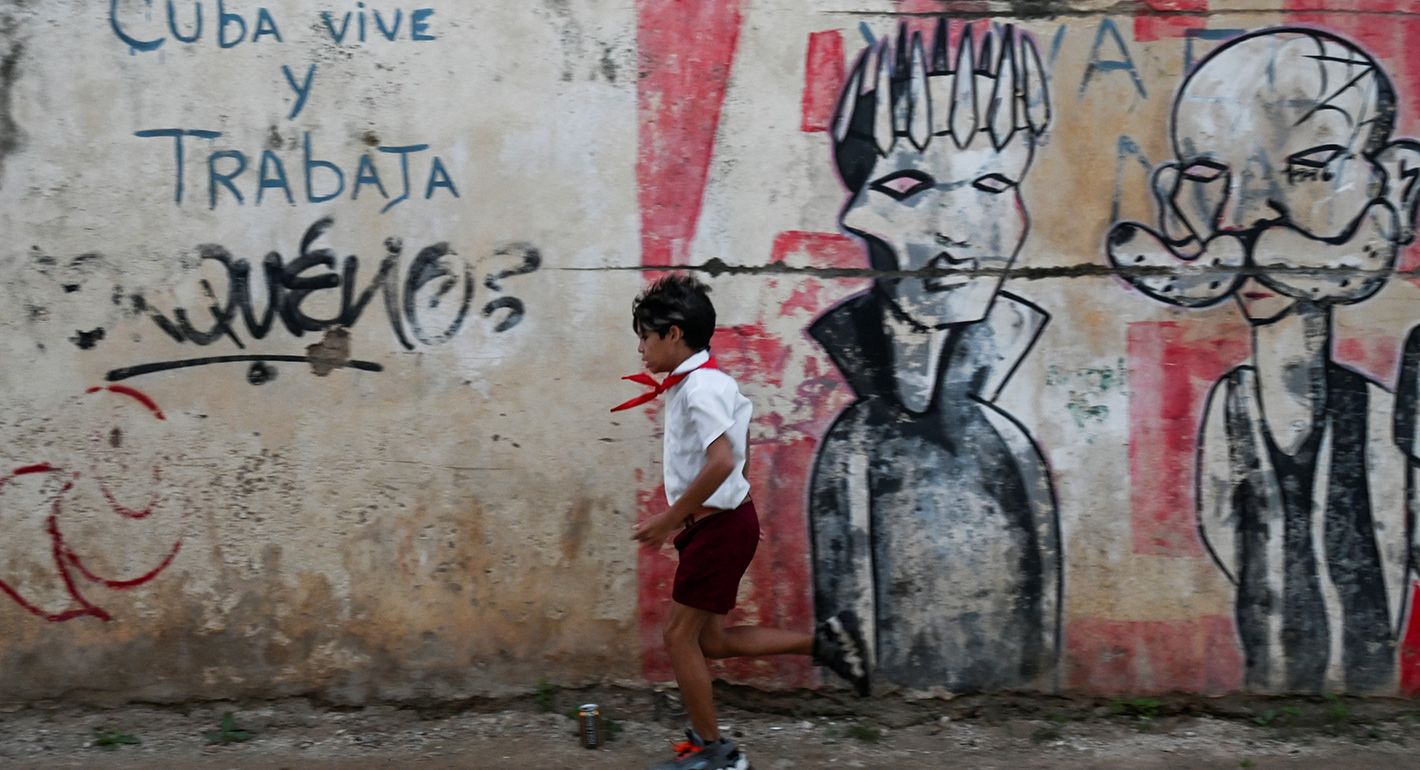
Governance realities in Bolivia, Colombia, Cuba, and Uruguay reveal the gaps in rights and opportunities available to citizens under differing forms of government.
Sarah Yerkes, Natalie Triche, Amr Hamzawy