

Paper
Ms. Shanthi Kalathil, Mr. Taylor Boas
{
  "authors": [
    "Taylor Boas"
  ],
  "type": "legacyinthemedia",
  "centerAffiliationAll": "",
  "centers": [
    "Carnegie Endowment for International Peace"
  ],
  "collections": [],
  "englishNewsletterAll": "",
  "nonEnglishNewsletterAll": "",
  "primaryCenter": "Carnegie Endowment for International Peace",
  "programAffiliation": "",
  "programs": [],
  "projects": [],
  "regions": [
    "South America"
  ],
  "topics": []
}
REQUIRED IMAGE
Source: Carnegie
Former Project Associate
Recent Work
Ms. Shanthi Kalathil, Mr. Taylor Boas
Carnegie does not take institutional positions on public policy issues; the views represented herein are those of the author(s) and do not necessarily reflect the views of Carnegie, its staff, or its trustees.
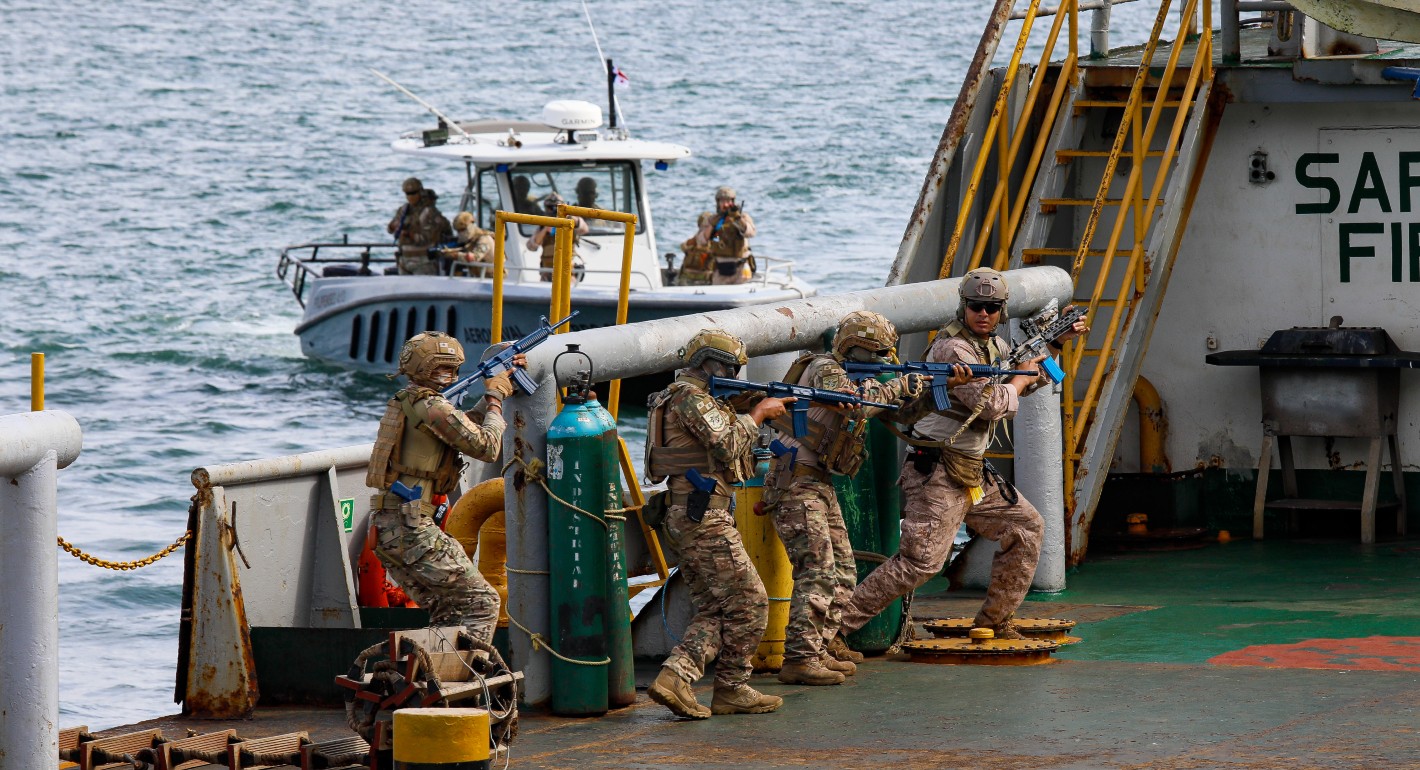
By focusing only on hard security, the Shield ignores the conditions that fuel cartel power.

Alejandro Martin Rodriguez, Kayly Ober
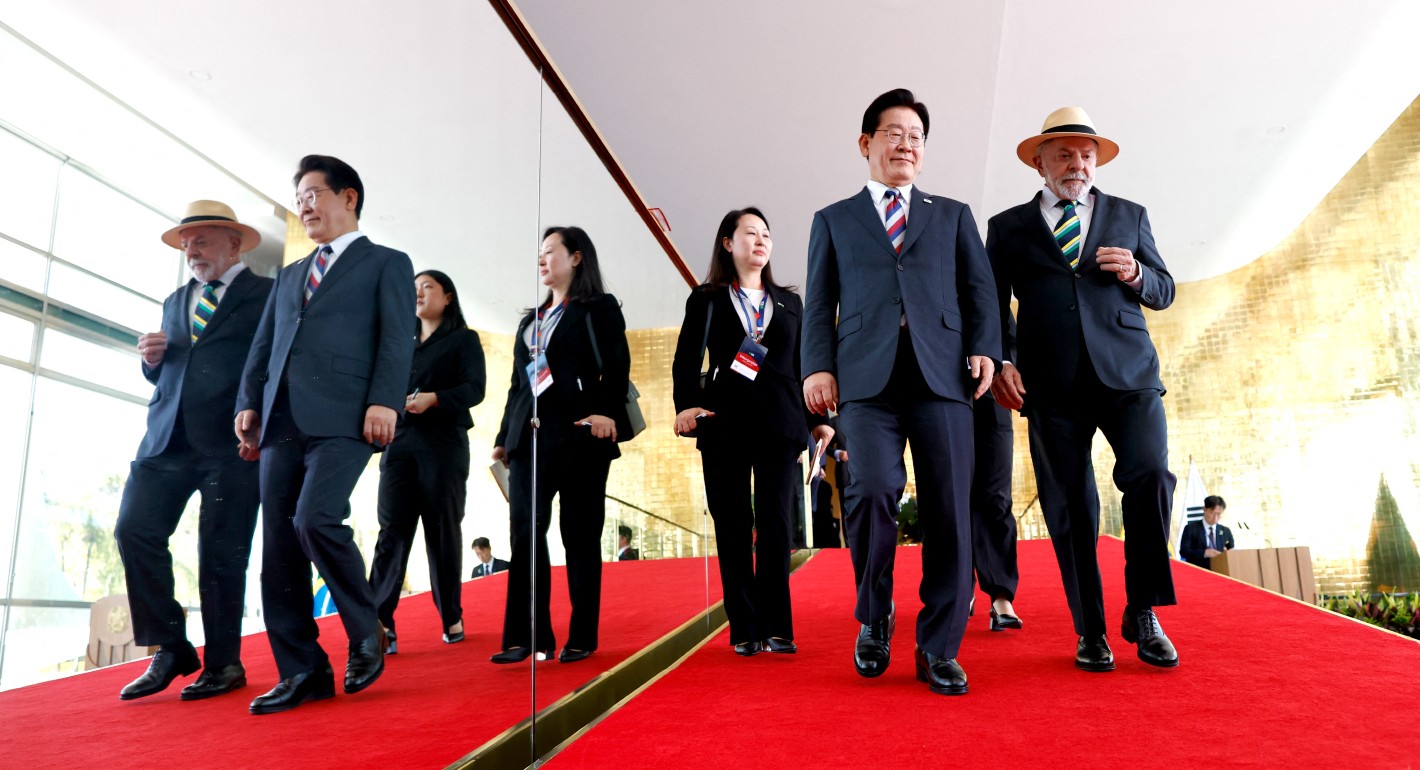
Lee’s tour shows how Seoul is reorganizing its diplomacy away from Pyongyang and toward industrial networks and the geography of the compute economy.
Darcie Draudt-Véjares
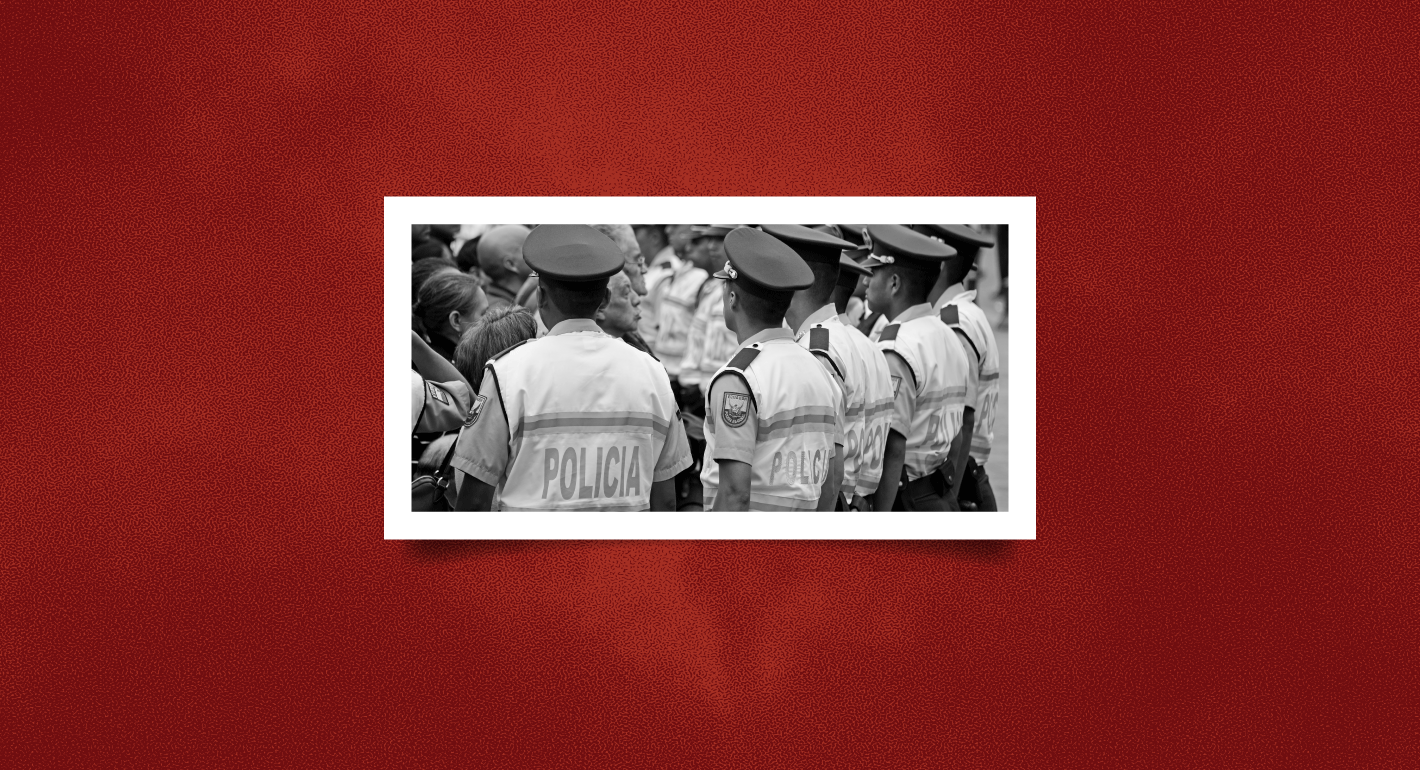
Latin America is undergoing a political transformation driven as much by the perception of insecurity as by its reality.
Robert Muggah
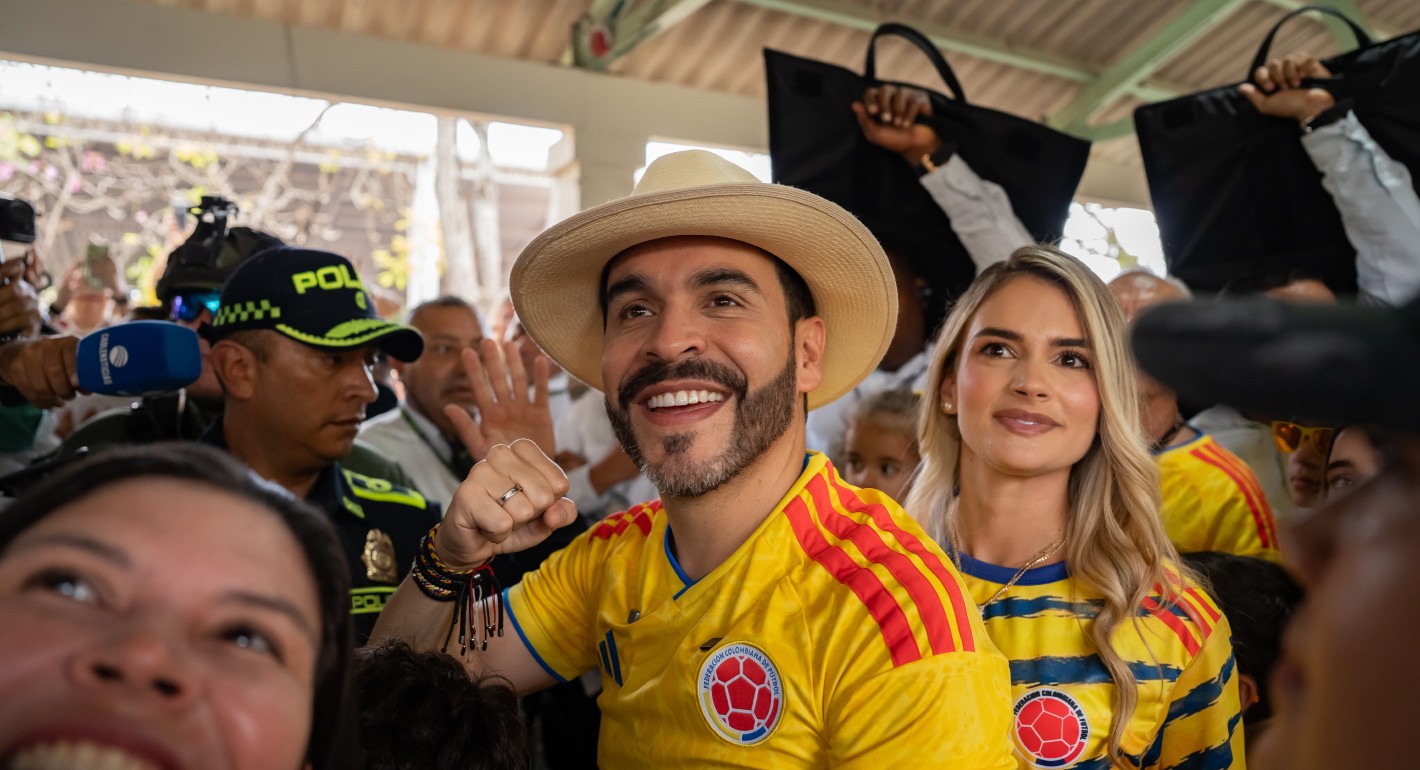
In Colombia and elsewhere in the region, the United States is trying to shape election outcomes—but at what cost?
Oliver Stuenkel, Adrian Feinberg
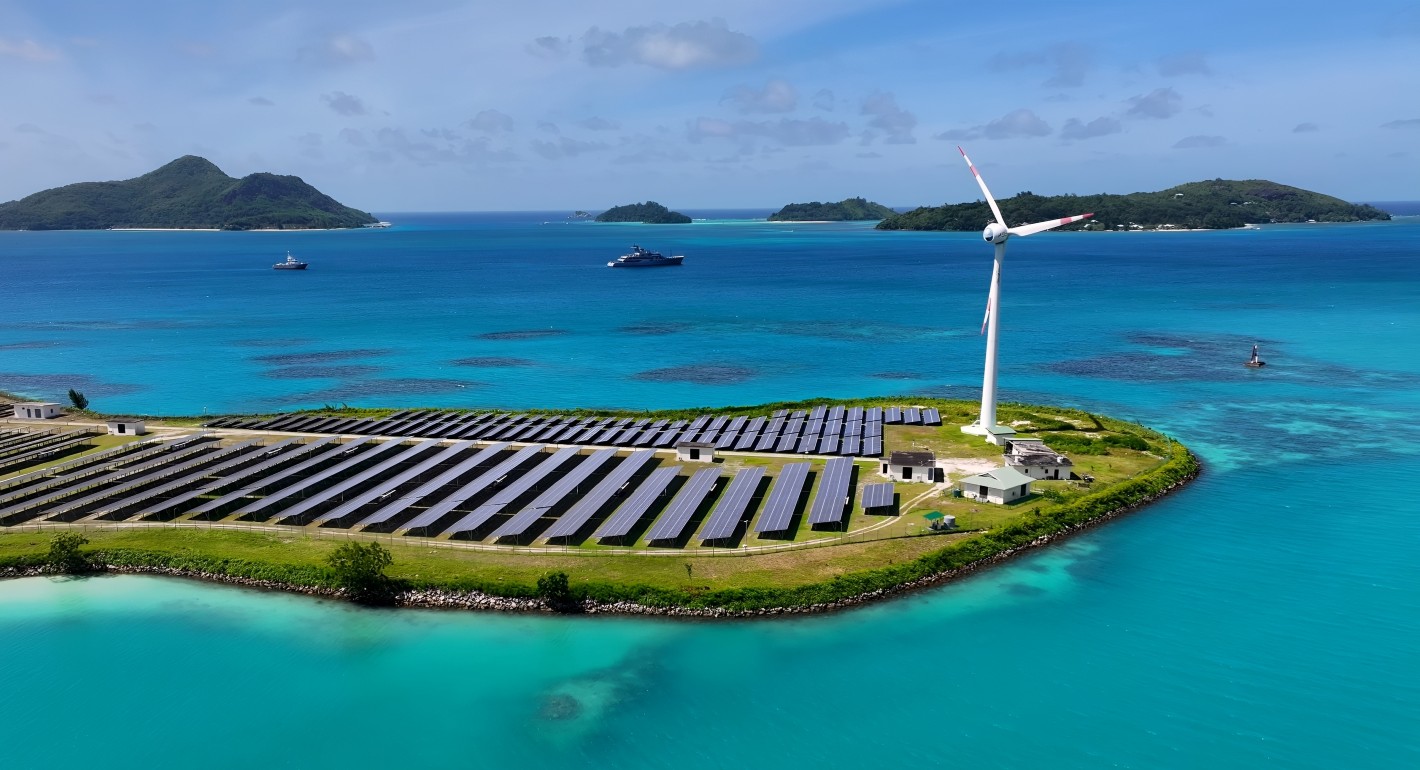
China’s central bank swap lines could help developing world leaders drive their energy transition—if they harness conditionality to protect their interests.
Ebipere K. Clark