

Commentary
The summit may be remembered as a fatal blunder, when Washington, Beijing, and the AI industry collectively chose ceremony over action.
Jeffrey Prescott
{
  "authors": [
    "Robert Kagan",
    "William Kristol"
  ],
  "type": "legacyinthemedia",
  "centerAffiliationAll": "",
  "centers": [
    "Carnegie Endowment for International Peace"
  ],
  "collections": [],
  "englishNewsletterAll": "",
  "nonEnglishNewsletterAll": "",
  "primaryCenter": "Carnegie Endowment for International Peace",
  "programAffiliation": "",
  "programs": [],
  "projects": [],
  "regions": [
    "United States"
  ],
  "topics": [
    "Political Reform",
    "Foreign Policy"
  ]
}
REQUIRED IMAGE
Source: Carnegie
Reprinted from the Washington Post, October 8, 2000
The triumph of democracy in Serbia last week may well rank as the most important international event of the post-Cold War era. As a practical matter, it almost certainly means the end of a decade of extraordinary brutality and misery in southeastern Europe, a decade that witnessed four wars and the slaughter of hundreds of thousands of innocents. Until last week, there was still a very real possibility that Slobodan Milosevic might launch a fifth war, against Montenegro. Now there is a real chance of lasting peace, economic growth and the integration of the Balkans into Europe and the West. No, ethnic tensions will not disappear from the Balkans, but the passing of Milosevic from the scene removes an evil catalyst who skillfully and repeatedly turned ethnic tensions into ethnic cleansing.
Contrary to the view of cultural determinists and historical "realists" who managed to convince so many policymakers that tribal violence in the Balkans was inescapable, the Balkan peoples are not fated to kill one another. Last week's democratic triumph in Serbia may well inaugurate an era in which democratic leaders in Croatia, Bosnia, Serbia, Montenegro and perhaps even Kosovo can relearn the habits of peaceful coexistence and accept the principles of natural rights and the consent of the governed.
The mandarins of the American foreign policy establishment will no doubt smirk at such optimism. But then they smirked at the prospect of democratic change in Serbia, too.
Which brings us to the larger significance of last week's revolution. The Serbian people and their neighbors are the most immediate beneficiaries of the change in Belgrade. But make no mistake: For the United States and its democratic allies, this is a strategic triumph of the first order. Milosevic's rampage in Europe this past decade was a constant refutation of any claim that, with the Cold War ended, the United States and the West had finally determined to safeguard freedom and security across Europe. As a few far-sighted statesmen saw at the beginning of the decade--notably Margaret Thatcher and George Shultz--Milosevic's early and repeated successes raised doubts about Europe's will and ability to overcome its bloody past and about America's commitment to lead the Atlantic Alliance and the world.
The electoral defeat of Milosevic reconfirms some fundamental truths too often neglected in recent years. It sets to rest the notion, so popular nowadays among foreign policy sophisticates and their corporate sponsors, that economic sanctions never work. They worked in Serbia, where a majority of voters knew their only hope of ending international sanctions and beginning economic renewal lay in removing Milosevic. It is also likely that Milosevic's indictment as a war criminal helped prepare the way for his ouster. Again, the Serbian people knew their country could never be embraced by the West so long as Milosevic was head of government.
Perhaps even more important, the indictment put an end to the American policy of treating an ethnic cleanser as someone with whom we could do business. That was supposed to be the smart, "realistic" approach. The more moral course of treating Milosevic as an international pariah actually proved the practical means of settling the Balkan conflict. Funny how often that turns out to be the case.
Perhaps the most important truth confirmed by events in Serbia is that the United States serves its own interests best when it wields its great power on behalf of its principles. We often hear that we should not be in the business of "nation-building" and that we should limit our overseas involvements to the defense of so-called vital national interests. Many congressional Republicans opposed the American intervention in Kosovo last year. Dick Cheney has suggested withdrawing our forces from the Balkans. But it is now irrefutable that U.S. intervention in Kosovo, as well as our earlier intervention in Bosnia and the continued presence of U.S. peacekeeping forces were essential factors in the defeat of Milosevic.
Although we have frequently been critical of President Clinton for his handling of this and many other foreign and defense issues, the Clinton administration deserves credit for the triumph in Serbia. So do a handful of Republicans, led by Bob Dole and John McCain. In the vice presidential debate, Joseph Lieberman said he was "very proud of the leadership role the United States played" in stopping Milosevic's aggression in Kosovo and Bosnia. We wish that spirit were more conspicuous among conservatives and Republicans, including the GOP standard bearers in this election.
What to do now? The same people who earlier said we should withdraw from the Balkans on the grounds that we could do no good may well argue for withdrawal now on the grounds that nothing more needs to be done. They are wrong. It is more possible than it was two weeks ago to envision an eventual drawdown of American forces. But a hasty exit could be a disaster. The U.S. presence was necessary to win the war. It remains necessary to build a stable peace and secure what just over a decade ago seemed a far-fetched hope: a Europe whole and free. It looks like we've won the war. Now let's win the peace.

Former Senior Associate
Kagan, author of the recent book, The Return of History and the End of Dreams (Knopf 2008), writes a monthly column on world affairs for the Washington Post and is a contributing editor at both the Weekly Standard and the New Republic.
William Kristol
Carnegie does not take institutional positions on public policy issues; the views represented herein are those of the author(s) and do not necessarily reflect the views of Carnegie, its staff, or its trustees.
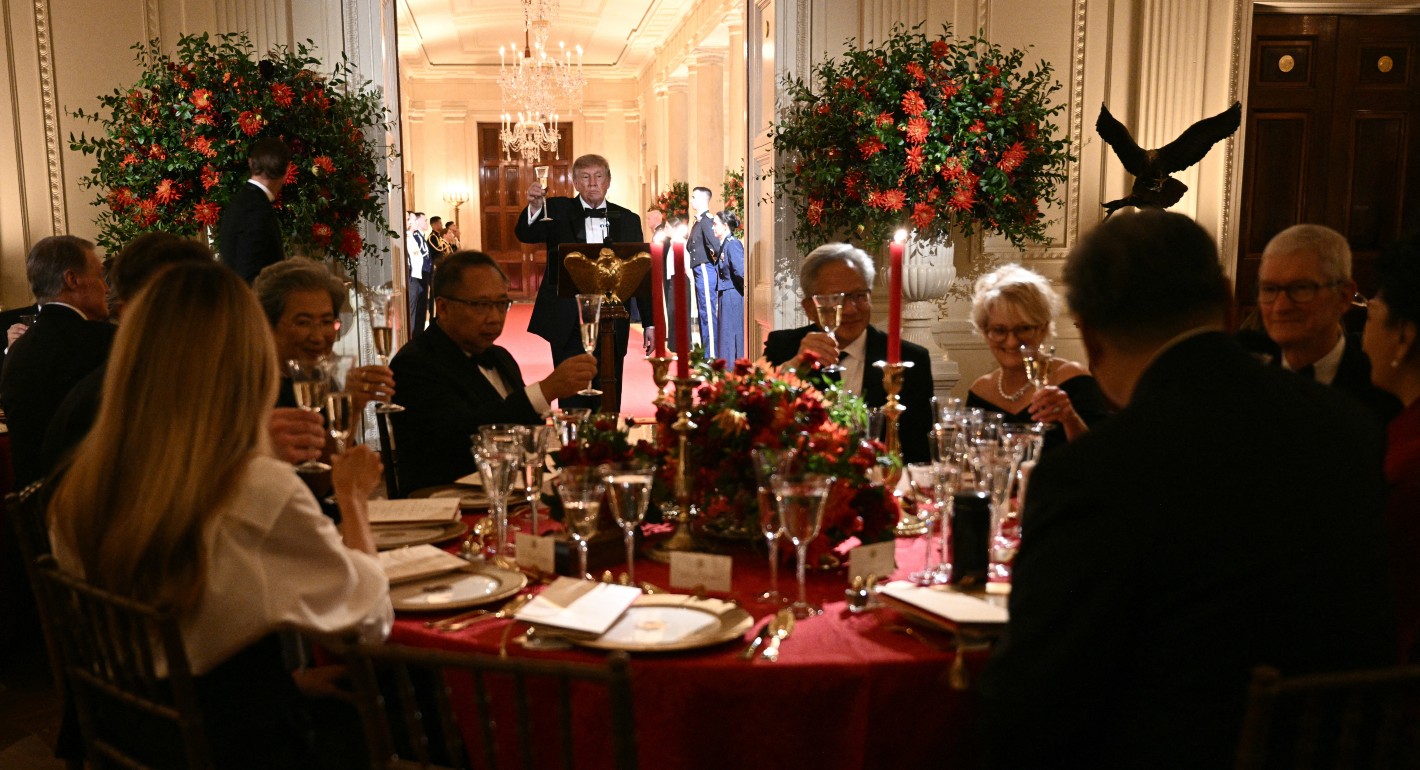
The summit may be remembered as a fatal blunder, when Washington, Beijing, and the AI industry collectively chose ceremony over action.

Jeffrey Prescott
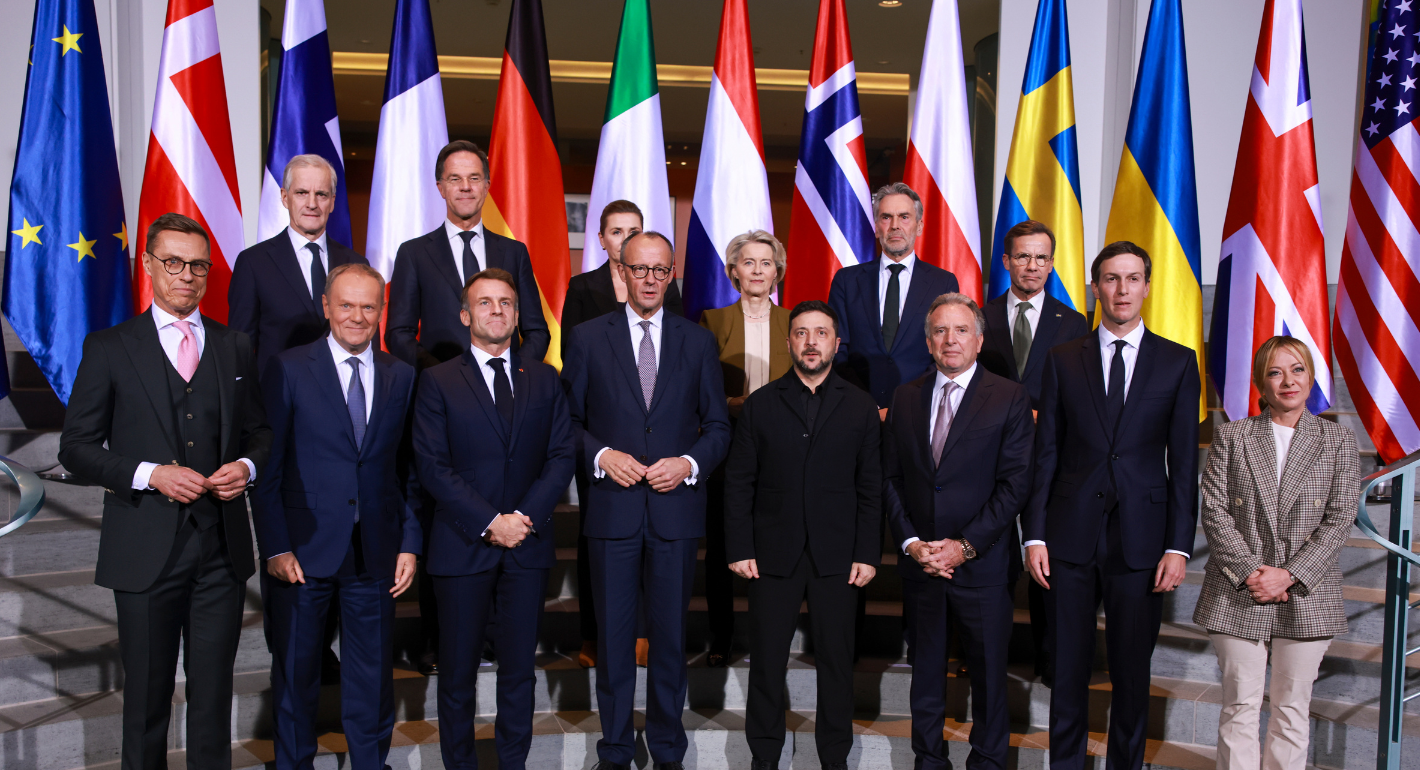
European NATO countries are wrestling with the possibility of U.S. disengagement from the alliance. With the continent’s security increasingly uncertain, governments must restore the credibility of their collective defense.



Hans-Dieter Lucas, Adam Thomson, Pierre Vimont

Cargo traffic through Russia’s Northern Sea Route has increased because of the disruption caused by the conflict in the Middle East, the Ukraine war, and U.S.-China tensions.

Mikhail Korostikov
Soft power on its own is insufficient to meet U.S. national security needs, but hard power also has its limits. Soft power allows for more effective and efficient use of hard power than hard power alone, as it encourages cooperation and compliance which deters the need for hard power.

Sarah Yerkes

A deep dive into the policy ecosystems behind battery development in China, South Korea, Japan, the European Union (including some of its member states), the United States, Canada, and India.



Milo McBride, Herbert Crowther, Darcie Draudt-Véjares, …