

Commentary
Xi, Putin, and other regional leaders are back-slapping in Bishkek, but the SCO has yet to answer the most serious questions about continental Asia's economic future.
Evan A. Feigenbaum
{
  "authors": [],
  "type": "other",
  "centerAffiliationAll": "",
  "centers": [
    "Carnegie Endowment for International Peace"
  ],
  "collections": [],
  "englishNewsletterAll": "",
  "nonEnglishNewsletterAll": "",
  "primaryCenter": "Carnegie Endowment for International Peace",
  "programAffiliation": "",
  "programs": [],
  "projects": [],
  "regions": [],
  "topics": [
    "Economy",
    "Trade"
  ]
}
REQUIRED IMAGE
Source: Carnegie
"...a useful and comprehensive briefing that gets the concerns of developing countries across in clear and compelling terms"
—Mark Halle, International Institute for Sustainable Development
Summary
The new World Trade Organization negotiations launched in November 2001 have been widely heralded as a "development round," but a closer look at the results of the Doha Ministerial reveals a less optimistic picture. While developing countries scored a major political victory on intellectual property rights and public health, they still face major uphill battles against industrialized countries on issues such as governance and transparency, market access in agriculture, anti-dumping, implementation of Uruguay Round commitments on textiles and on the inclusion of additional issues of which they are not demandeurs. In fact, the most important phenomenon to emerge at Doha is not to be found in the ministerial declaration but in the effective arguments and negotiation strategies brought to bear by organized and mobilized groups of developing countries. Only by increasing the effectiveness of such strategies and further strengthening their collective resolve will developing countries secure negotiated outcomes that really address their development needs.
Click on the links above for full text of this TED Policy Brief in English, Spanish, and French.
A limited number of print copies are also available.
Request a copy
About the Author
Kamal Malhotra has been senior civil society advisor at the United Nations Development Program (UNDP) in New York City since September 1999. He works primarily on trade, debt, and global finance issues from a development perspective and leads a UNDP project on trade and sustainable human development. He is the coauthor or coeditor of a number of recent books, including Reimagining the Future: Towards Democratic Governance (La Trobe University, 2000) and Global Finance: New Thinking on Regulating Speculative Capital Markets (Zed Books, 2000).
The Trade, Equity, and Development Project seeks to break through the logjam of polarized debate and develop workable solutions to the tensions now plaguing trade, environment, and development. The project works with policy leaders in governments, intergovernmental and non-governmental organizations, academia, business, and labor to forge new ideas on how market liberalization and sustainable development can come together for the benefit of both rich and poor. The project is directed by John Audley, senior associate. For more information, visit www.ceip.org/trade.
Also by John Audley:
Politics and Parallel Negotiations: Environment and Trade in the Western Hemisphere (Carnegie Endowment Working Paper No. 25)
Overhauling the WTO: Opportunity at Doha and Beyond (Carnegie Endowment Policy Brief No. 6)
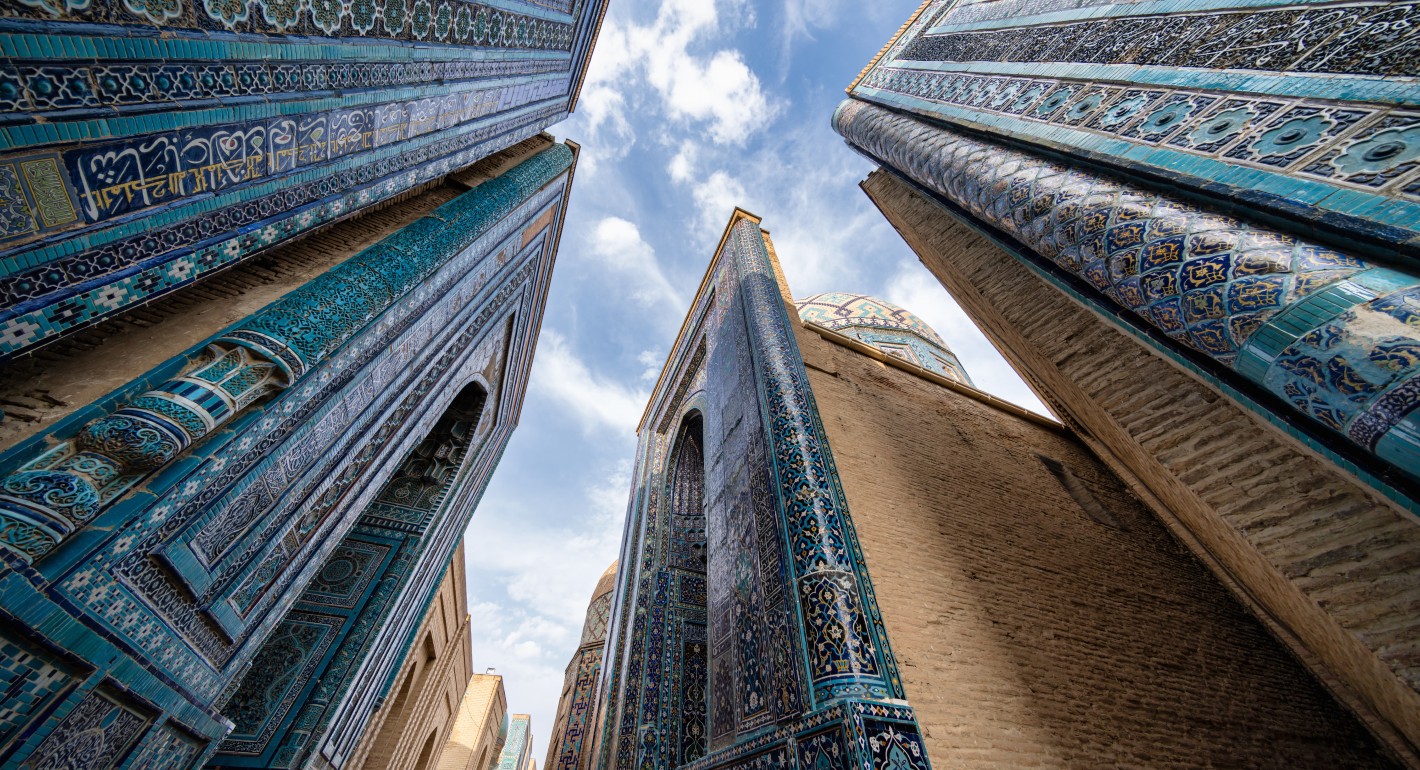
Xi, Putin, and other regional leaders are back-slapping in Bishkek, but the SCO has yet to answer the most serious questions about continental Asia's economic future.

Evan A. Feigenbaum
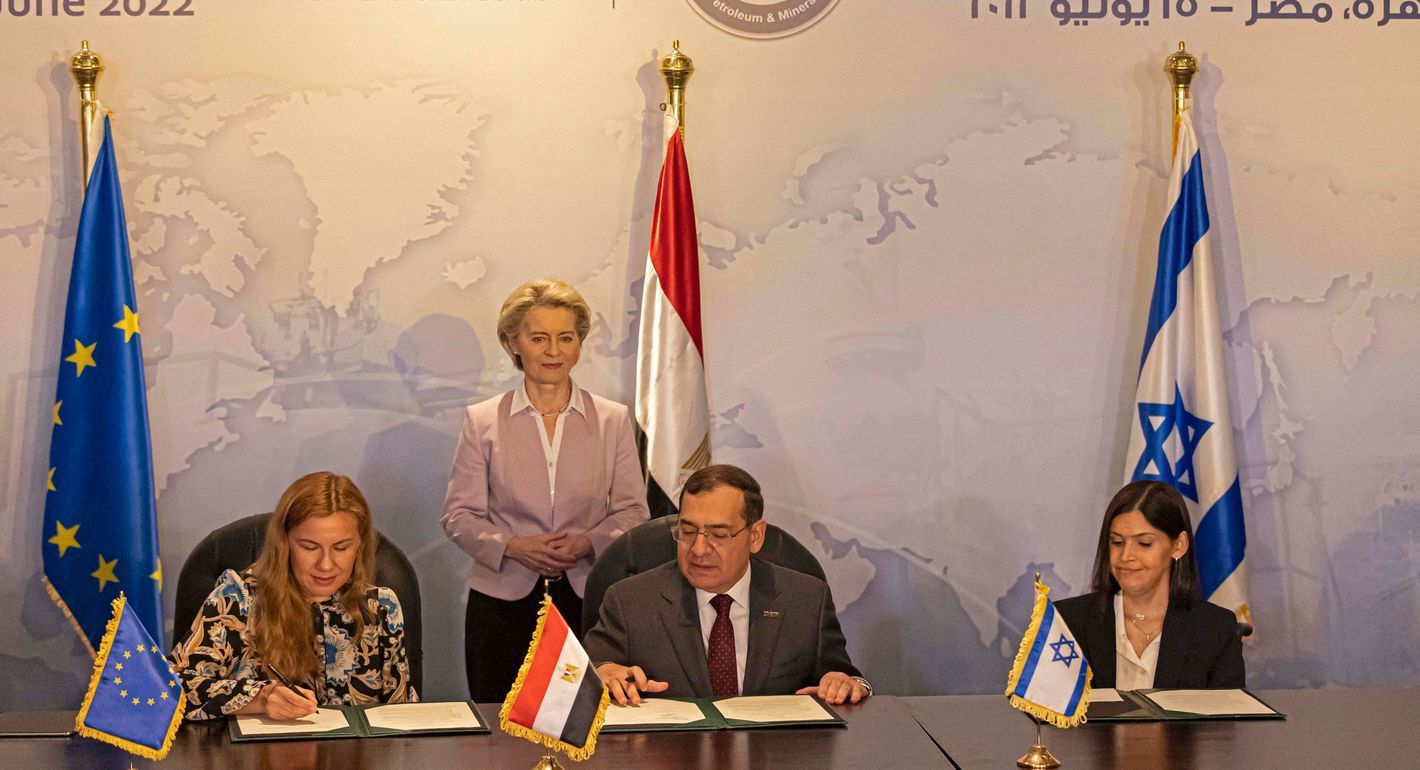
Can economic ties help contain conflict between Egypt and Israel, or do they simply postpone confrontation? Drawing on the German-Russian experience, the article examines how the gas deal creates mutual dependence, keeps channels of cooperation open, and raises the cost of conflict, without necessarily delivering lasting peace.

Nourhan Hefzy

The conflict has sent economic and political shock waves through a country with no representation at the negotiating table—and Kenya is not alone.

Georgia Schaefer-Brown, Jane Munga

China’s banking crisis in the 2000s was resolved by transferring the costs to households through financial repression—a decision that recapitalized the banks while exacerbating the structural imbalances that continue to shape the Chinese economy today.

Michael Pettis
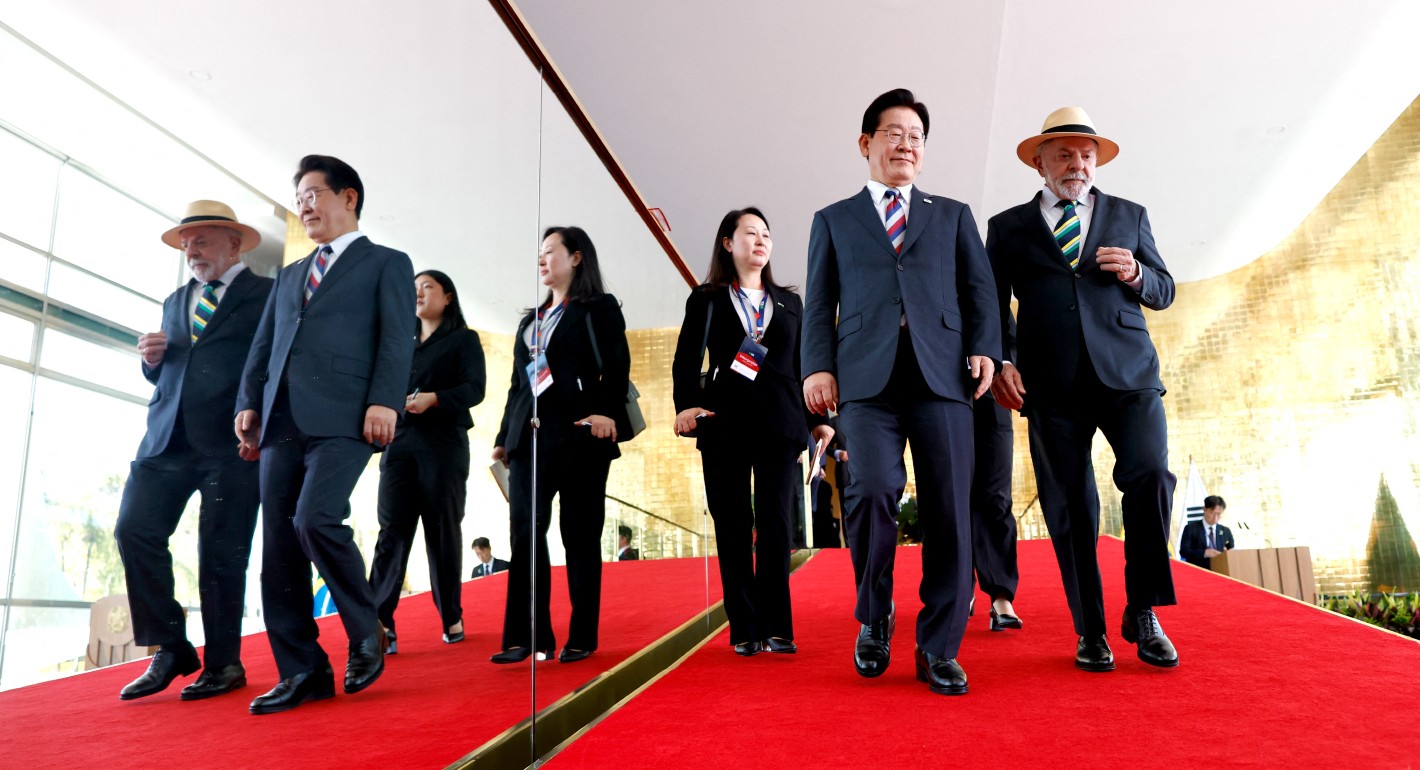
Lee’s tour shows how Seoul is reorganizing its diplomacy away from Pyongyang and toward industrial networks and the geography of the compute economy.

Darcie Draudt-Véjares