

In The Media
Minxin Pei
{
  "authors": [
    "Minxin Pei"
  ],
  "type": "legacyinthemedia",
  "centerAffiliationAll": "dc",
  "centers": [
    "Carnegie Endowment for International Peace"
  ],
  "collections": [],
  "englishNewsletterAll": "asia",
  "nonEnglishNewsletterAll": "",
  "primaryCenter": "Carnegie Endowment for International Peace",
  "programAffiliation": "AP",
  "programs": [
    "Asia"
  ],
  "projects": [],
  "regions": [
    "China"
  ],
  "topics": []
}
REQUIRED IMAGE
Source: Straits Times
The Year of the Dog has not started well for China's propaganda authorities. In the international media, Beijing has been excoriated for forcing American Internet giants such as Google and Yahoo! to comply with its restrictive regulations and help censor the flow of information within the 'Great Firewall of China'.
To read Minxin Pei's article on censorship, propaganda and the media in China, click here.
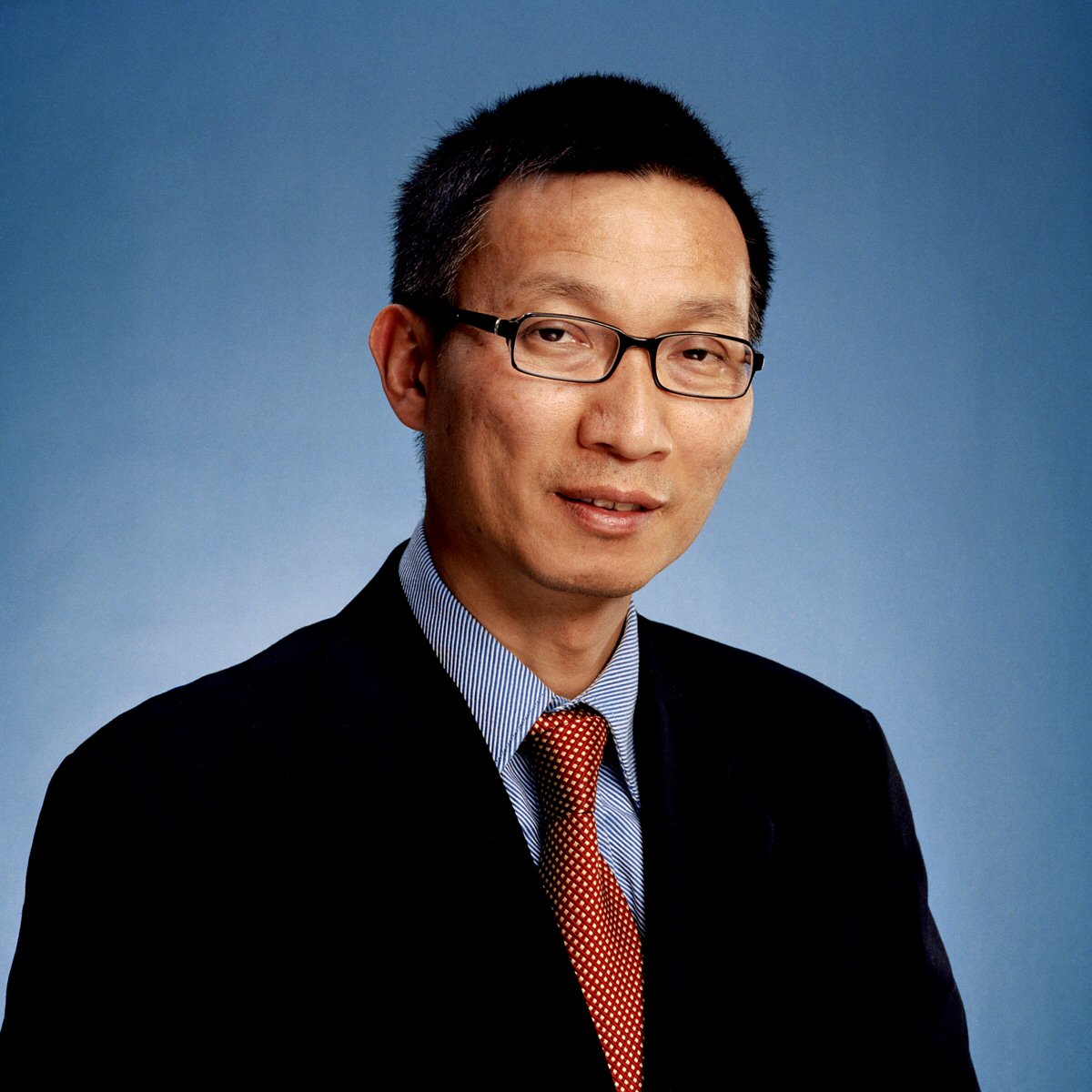
Former Adjunct Senior Associate, Asia Program
Pei is Tom and Margot Pritzker ‘72 Professor of Government and the director of the Keck Center for International and Strategic Studies at Claremont McKenna College.
Recent Work
Minxin Pei
Minxin Pei
Carnegie does not take institutional positions on public policy issues; the views represented herein are those of the author(s) and do not necessarily reflect the views of Carnegie, its staff, or its trustees.

Alongside official pushback, Chinese tech and policy communities are meeting calls for a slowdown with skepticism—rather than rejection—that mirrors the reactions in the United States.


Matt Sheehan, Sophie Zhuang

The concrete goal of an end to the hostilities in Ukraine has been replaced by a host of vague Russian demands concerning a range of issues and regions.

Alexander Baunov
Even if the administration maintains its broader trade policy, it should use tariffs more strategically and work with U.S. partners, not against them.

Barbara Weisel
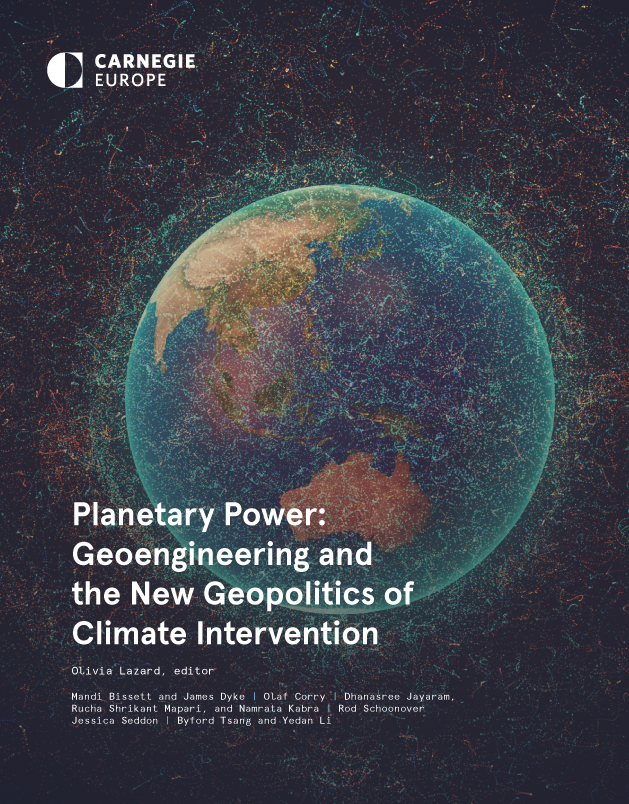
Geoengineering is becoming a geopolitical question as much as a climate one. The way states and the private sector pursue these technologies, assess risks, and drive research increasingly appears focused on gaining a strategic edge. In a field where governance in lagging behind, Europe should keep track of the geopolitical implications if it is to develop effective regulatory frameworks.

Olivia Lazard, ed.

It would provide a golden opportunity to reconsider what success looks like.

Michael Mazarr