

Paper
Mei Ying Gechlik (Veron Hung)
{
  "authors": [
    "Mei Ying Gechlik (Veron Hung)"
  ],
  "type": "legacyinthemedia",
  "centerAffiliationAll": "dc",
  "centers": [
    "Carnegie Endowment for International Peace"
  ],
  "collections": [],
  "englishNewsletterAll": "asia",
  "nonEnglishNewsletterAll": "",
  "primaryCenter": "Carnegie Endowment for International Peace",
  "programAffiliation": "AP",
  "programs": [
    "Asia"
  ],
  "projects": [],
  "regions": [
    "China"
  ],
  "topics": []
}
REQUIRED IMAGE
Source: China Business Review
Greater scrutiny is expected of China’s intellectual property right laws as China’s major trading partners, the European Union and the U.S., will likely step-up demands for stronger protection. China and the EU have launched what promises to be at least a year-long negotiation over their trade relationship and other areas, while the new Democratically-controlled Congress is expected to take a close look at U.S.-China trade agreements. Current violations of intellectual property rights in China have cost foreign companies billions of dollars. What can be done now to address such violations?
To read Gechlik's analysis of the Patent Reexamination Board and the treatment of patent rights in Chinese courts, click here.
This article was published in the March/April 2007 issue of the China Business Review (http://www.chinabusinessreview.com). Posted with the permission of the US-China Business Council, Washington, D.C.

Former Non-Resident Associate
Recent Work
Mei Ying Gechlik (Veron Hung)
Mei Ying Gechlik (Veron Hung)
Carnegie does not take institutional positions on public policy issues; the views represented herein are those of the author(s) and do not necessarily reflect the views of Carnegie, its staff, or its trustees.

The GDP measure is an attempt to measure value creation in an economy. This measure, however, can vary greatly between economies that have disciplinary mechanisms that force them to recognize investment losses quickly and economies that don’t, and can postpone this recognition for many years.

Michael Pettis

In the latest Five-Year Plan, the Chinese president cements the shift to an innovation-driven economy over a consumption-driven one.

Damien Ma
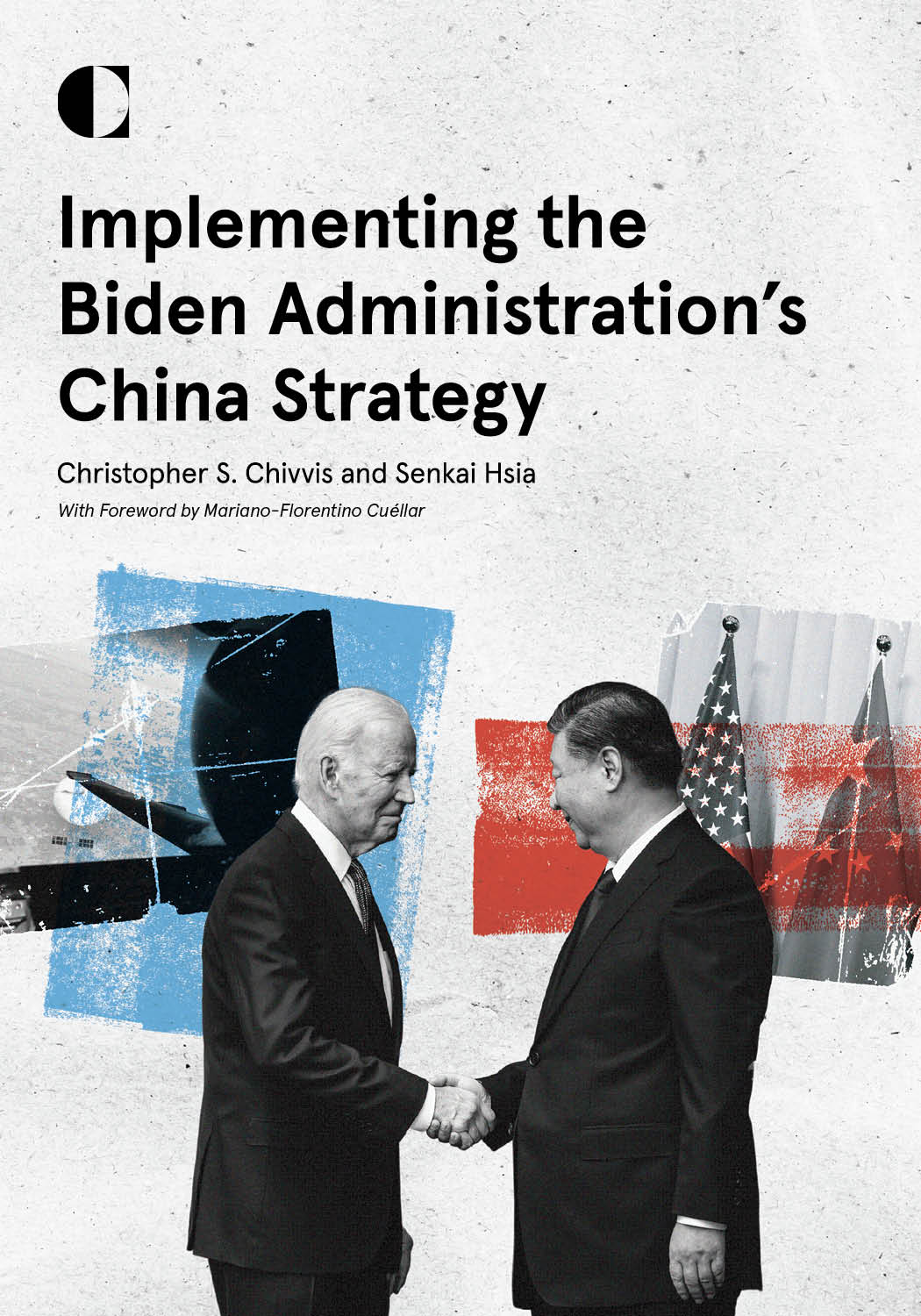
At the heart of Biden’s approach to China was the consolidation of a framework for strategic competition with an eye toward coexistence.


Christopher S. Chivvis, Senkai Hsia
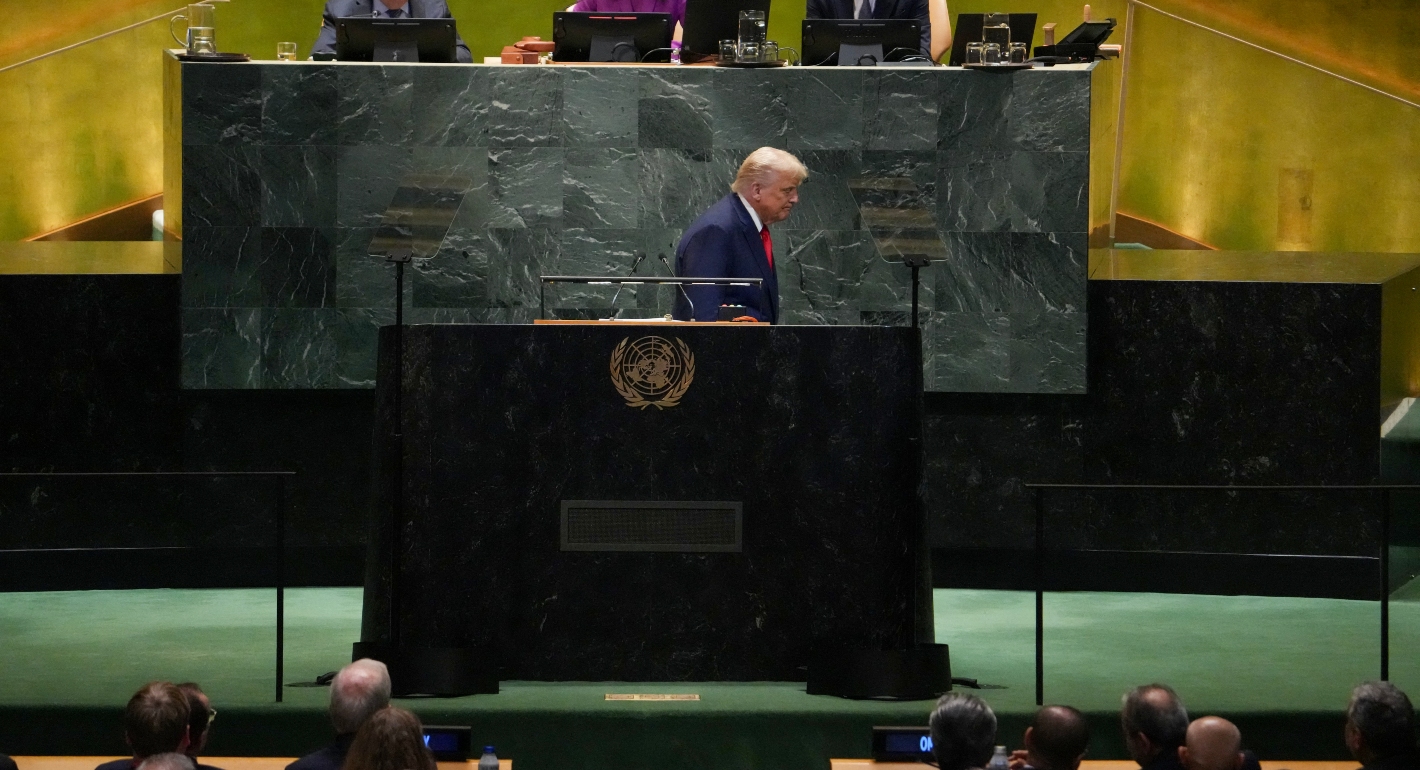
For years, the United States anchored global cyber diplomacy. As Washington rethinks its leadership role, the launch of the UN’s Cyber Global Mechanism may test how allies adjust their engagement.


Patryk Pawlak, Chris Painter

Censorship in China spans the public and private domains and is now enabled by powerful AI systems.
Nathan Law