

Commentary
The countries in the region are managing the fallout from Iranian strikes in a paradoxical way.
Angie Omar
{
  "authors": [],
  "type": "pressRelease",
  "centerAffiliationAll": "dc",
  "centers": [
    "Carnegie Endowment for International Peace"
  ],
  "collections": [],
  "englishNewsletterAll": "ctw",
  "nonEnglishNewsletterAll": "",
  "primaryCenter": "Carnegie Endowment for International Peace",
  "programAffiliation": "SCP",
  "programs": [
    "Sustainability, Climate, and Geopolitics"
  ],
  "projects": [],
  "regions": [
    "North America",
    "United States"
  ],
  "topics": []
}
REQUIRED IMAGE
ExxonMobil announced that it will contribute $500,000 to support the Carnegie Endowment for International Peace’s New Vision of pioneering the first global think tank.
WASHINGTON, June 5—ExxonMobil today announced that it will contribute $500,000 to support the Carnegie Endowment for International Peace’s New Vision of pioneering the first global think tank.
“We are immensely grateful to ExxonMobil for its generous support of and investment in the Endowment’s New Vision. With offices now up and running in China, Russia, the Middle East, Europe and the United States, this financial support is a further endorsement of the mission we are pursuing,” said Jessica T. Mathews, President of the Carnegie Endowment.
“ExxonMobil is proud to support the Carnegie Endowment for International Peace with a major contribution to its New Vision initiative. For years the Endowment has sought greater understanding and cooperation around the world. We hope that our contribution will enable Carnegie to continue and enhance this important work,” said Rex W. Tillerson, Chairman and Chief Executive Officer, Exxon Mobil Corporation.
Through its New Vision, Carnegie aims to promote sustained, international collaboration by developing improved understanding in the United States of thinking in other countries and regions; developing deeper understanding abroad of U.S. thinking; and developing, on both sides, a critical mass of research-based insights on vital issues.
Carnegie’s leading experts on international affairs, from nonproliferation to democracy promotion, produce first-rate, independent research to help policy makers formulate better courses of action.
Carnegie is the only think tank with a commitment to fluency in relevant languages and to publishing in hard copy and on the web in Russian, Chinese and Arabic, as well as other languages where appropriate.
###
NOTES
Carnegie does not take institutional positions on public policy issues; the views represented herein are those of the author(s) and do not necessarily reflect the views of Carnegie, its staff, or its trustees.
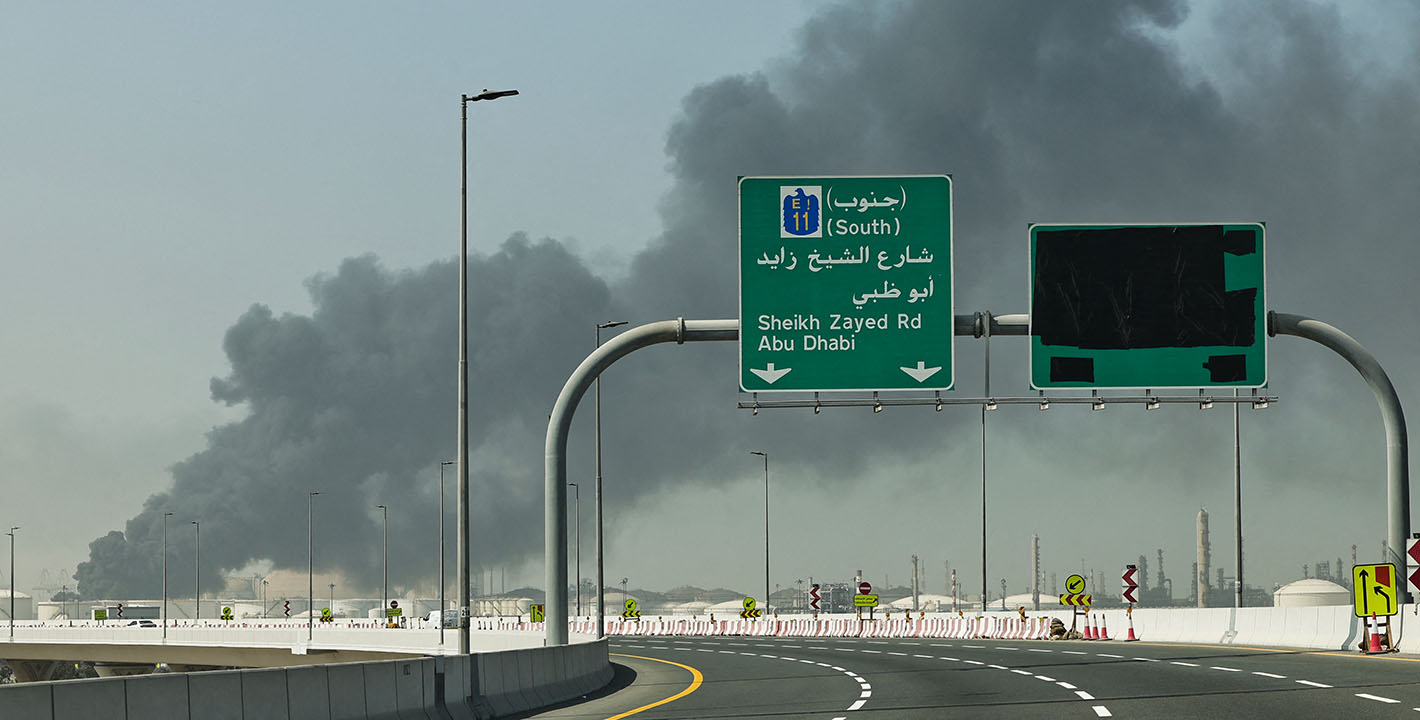
The countries in the region are managing the fallout from Iranian strikes in a paradoxical way.

Angie Omar
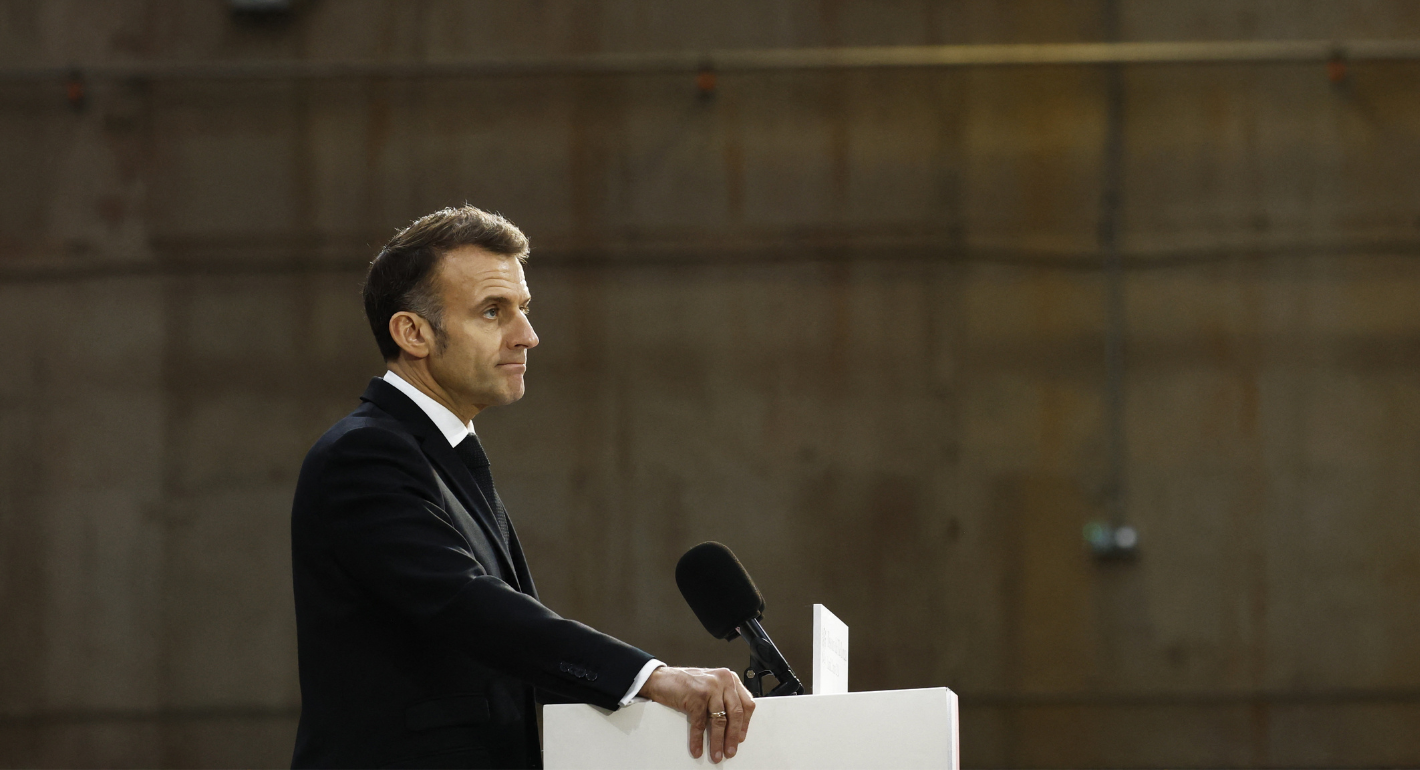
French President Emmanuel Macron has unveiled his country’s new nuclear doctrine. Are the changes he has made enough to reassure France’s European partners in the current geopolitical context?

Rym Momtaz, ed.
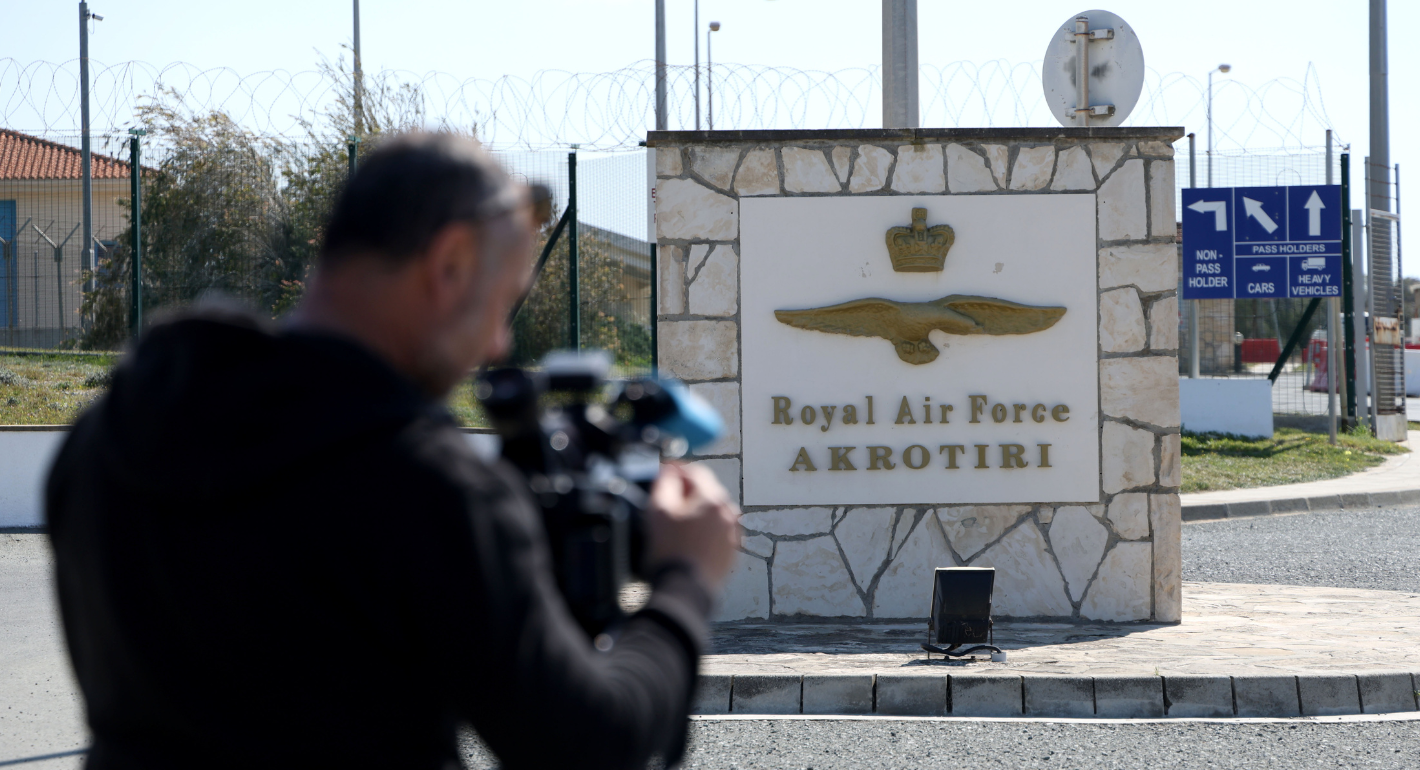
The drone strike on the British air base in Akrotiri brings Europe’s proximity to the conflict in Iran into sharp relief. In the fog of war, old tensions in the Eastern Mediterranean risk being reignited, and regional stakeholders must avoid escalation.

Marc Pierini

In an interview, Hassan Mneimneh discusses the ongoing conflict and the myriad miscalculations characterizing it.

Michael Young
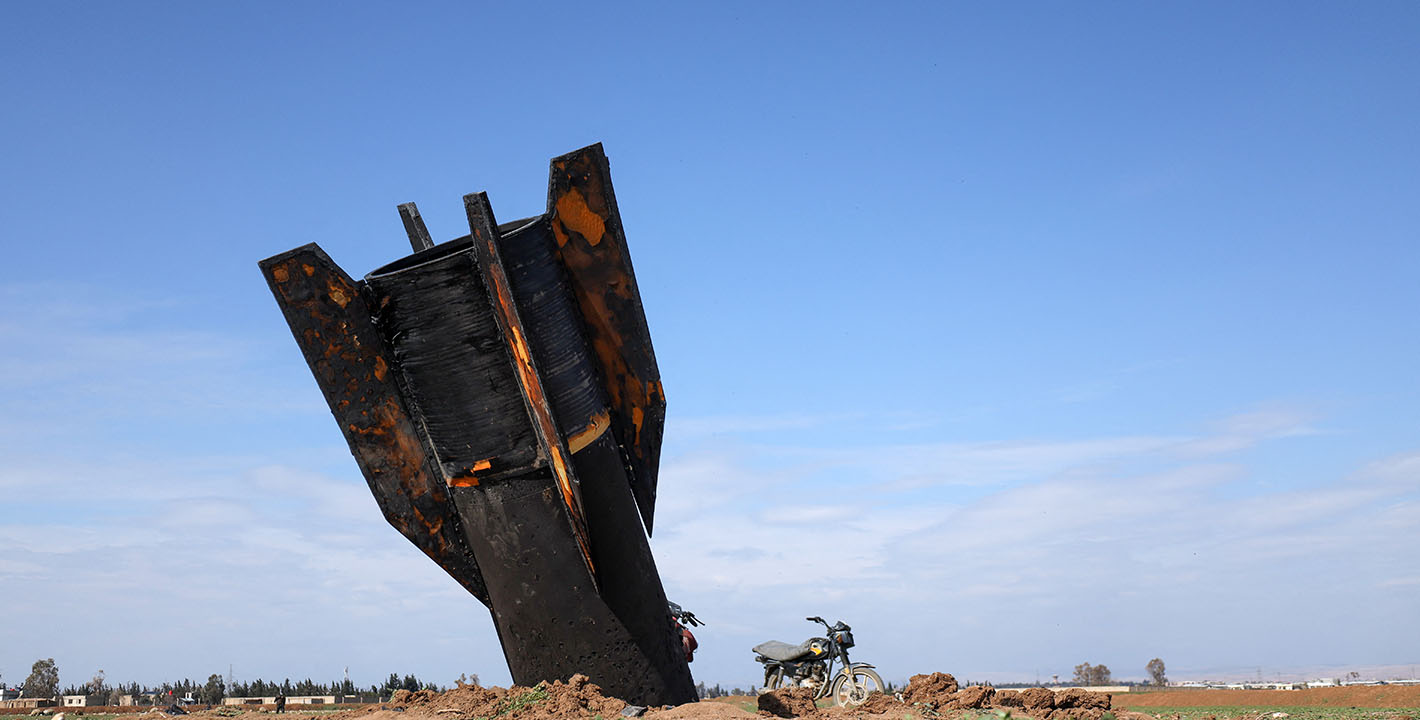
In an interview, Nicole Grajewski discusses the military dimension of the U.S. and Israeli attacks on Iran.
Michael Young