

تعليق
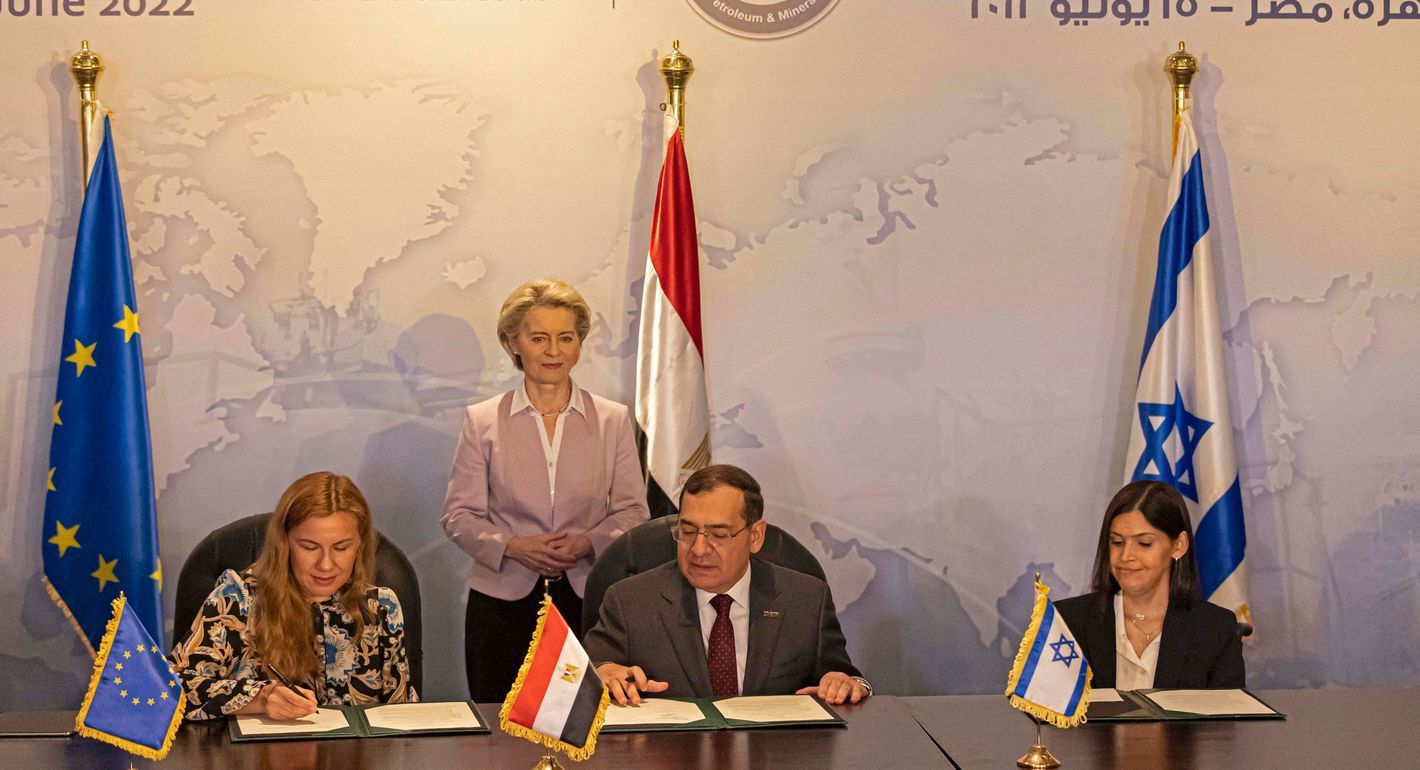
هل يمكن للغاز أن يخفف التوتر بين مصر وإسرائيل، أم أن المصالح الاقتصادية تؤجل الصدام فقط؟ يقارن المقال بين صفقة الغاز المصرية-الإسرائيلية والتجربة الألمانية-الروسية ليكشف حدود قدرة التجارة والاعتماد المتبادل على احتواء الصراع.
نورهان حفظي
{
  "authors": [],
  "type": "other",
  "centerAffiliationAll": "",
  "centers": [
    "Carnegie Endowment for International Peace"
  ],
  "collections": [],
  "englishNewsletterAll": "",
  "nonEnglishNewsletterAll": "",
  "primaryCenter": "Carnegie Endowment for International Peace",
  "programAffiliation": "",
  "programs": [],
  "projects": [],
  "regions": [
    "شمال أفريقيا",
    "مصر"
  ],
  "topics": []
}
المصدر: Getty
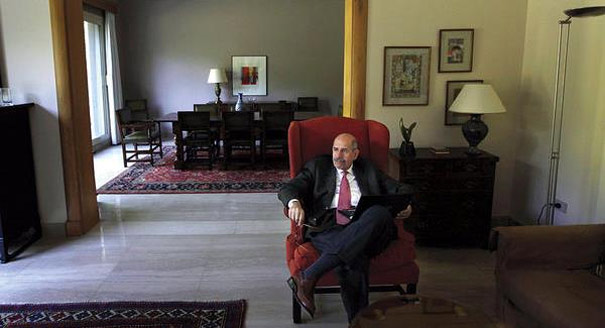
تقدّم هذه الصفحة معلوماتاً خلفية حول الجمعية الوطنية للتغيير.
نُشرت هذه الصفحة في 09/22/2010 ولم يتمّ تحديثها لمواكبة آخر الأحداث.
تأسّست الجمعية الوطنية للتغيير في شباط/فبراير 2010 على يد المدير السابق للوكالة الدولية للطاقة الذرية محمد البرادعي، ومجموعة من أنصاره المقرّبين، في وقت كان فيه نشاط المعارضة ضئيلاً، وأصبحت الحركة الأكثر بروزاً في وجه النظام حتى انتفاضة كانون الثاني/يناير 2011.
في المشهد السياسي الأكثر تنوعاً وتعقيداً في فترة مابعد الانتفاضة، وفي ظل انتعاش الأحزاب المعارضة ومجموعة متنوعة من الحركات الاحتجاجية، فقدت الجمعية الوطنية للتغيير البروز والشهرة اللذين كانت تتمتع بهما عندما أنشِئَت. ومع ذلك، لاتزال الجمعية ناشطة، وقد تضطلع بدور بارز إذا ما أصبح محمد البرادعي مرشحاً للرئاسة، كما هو متوقَّع.
محمد البرادعي: زعيم الحركة
حسن نافعة: المنسق العام
حمدي قنديل: المتحدث باسم الجمعية
الجمعية الوطنية للتغيير هي ائتلاف معارض واسع يضغط من أجل إجراء إصلاحات دستورية مؤيدة للديمقراطية. والجمعية نتاج اجتماع أولي عُقِد في شباط/ فبراير 2010 في منزل البرادعي، وضمّ حوالى 30 سياسياً مثقّفاً وناشطاً وشخصية أخرى بارزة في مصر، اجتمعوا على تجديد الدعوة إلى إجراء إصلاحات ديمقراطية شجّعت عليها عودة البرادعي. وقد كانت كل الجماعات والحركات المعارضة تقريباً ممثّلة في الاجتماع (وتأسيس الجمعية الوطنية للتغيير في ما بعد)، باستثناء أحزاب الوفد والناصري والتجمع.
صُمِّمَت الجمعية الوطنية للتغيير لتكون حركة واسعة لا حزباً سياسياً. ووفقاً لما يقوله رئيس الحملة المطالِبة بالبرادعي رئيساً، عبد الرحمن يوسف، فإن “الجمعية ليست منظمة سياسية ذات بنية واضحة، والبرادعي ليس رئيسها ولم يكن كذلك أبداً. الائتلاف حركة شعبية عامة وأعضاؤه هم الموقعون على العريضة. والبرادعي رمز للتغيير وللجمعية”.
حظيت الجمعية الوطنية للتغيير باهتمام كبير خلال العام 2010 من جراء حملتها القومية الشاملة لجمع ما لايقلّ عن مليون توقيع لبرنامج من سبع نقاط من الإصلاحات الهادفة إلى ضمان انتخابات حرة ونزيهة. وقد شملت المطالب: إنهاء حالة الطوارئ؛ وضمان الإشراف القضائي على العملية الانتخابية؛ والسماح لمجموعات المجتمع المدني المحلية والدولية بمراقبة الانتخابات؛ وإتاحة فرص متساوية في وسائل الإعلام لجميع المرشحين، ولاسيما خلال الانتخابات الرئاسية؛ وإعطاء المصريين الذين يعيشون في الخارج الحق في التصويت في السفارات والقنصليات المصرية؛ وضمان الحق في الترشح للرئاسة من دون قيود تعسفية، وفقاً لالتزامات مصر بموجب العهد الدولي الخاص بالحقوق المدنية والسياسية، إضافةً إلى تحديد مدة الرئاسة بولايتين؛ والتصويت باستخدام بطاقة الهوية القومية بدلاً من بطاقة تسجيل الناخبين الخاصة. وقد أُدرِجَت بعض هذه الإصلاحات في التعديلات الدستورية التي أدخلها المجلس الأعلى للقوات المسلحة في آذار/مارس 2011.
خلال انتفاضة كانون الثاني/يناير، اضطلع كلّ من الجمعية الوطنية للتغيير والبرادعي بدور ناشط في احتجاجات الشوارع، لكنهما لم يكونا في المقدمة أبداً. وقد عارضت الجمعية الوطنية للتغيير الكثير من توجّهات حكومة المجلس الأعلى للقوات المسلحة. وتتمثّل مطالبها الرئيسة في الوقت الحاضر في رفع قانون الطوارئ وإنهاء المحاكمات العسكرية للمدنيين.
لا تتخذ كارنيغي مواقف مؤسسية بشأن قضايا السياسة العامة؛ الآراء المعبر عنها هنا هي آراء المؤلف(ين) ولا تعكس بالضرورة آراء كارنيغي أو موظفيها أو أمنائها.
هل يمكن للغاز أن يخفف التوتر بين مصر وإسرائيل، أم أن المصالح الاقتصادية تؤجل الصدام فقط؟ يقارن المقال بين صفقة الغاز المصرية-الإسرائيلية والتجربة الألمانية-الروسية ليكشف حدود قدرة التجارة والاعتماد المتبادل على احتواء الصراع.
نورهان حفظي

تشجّع القوات المسلحة شكلًا من أشكال الرأسمالية يدرّ إيرادات، لكن اعتماده على الريع يواجه عوائد متناقصة، ما يحمّل البلاد تكاليف ضخمة غير قابلة للاسترداد وعوائد مؤجّلة، ويزيد اعتمادها على الاقتراض الخارجي.

يزيد صايغ
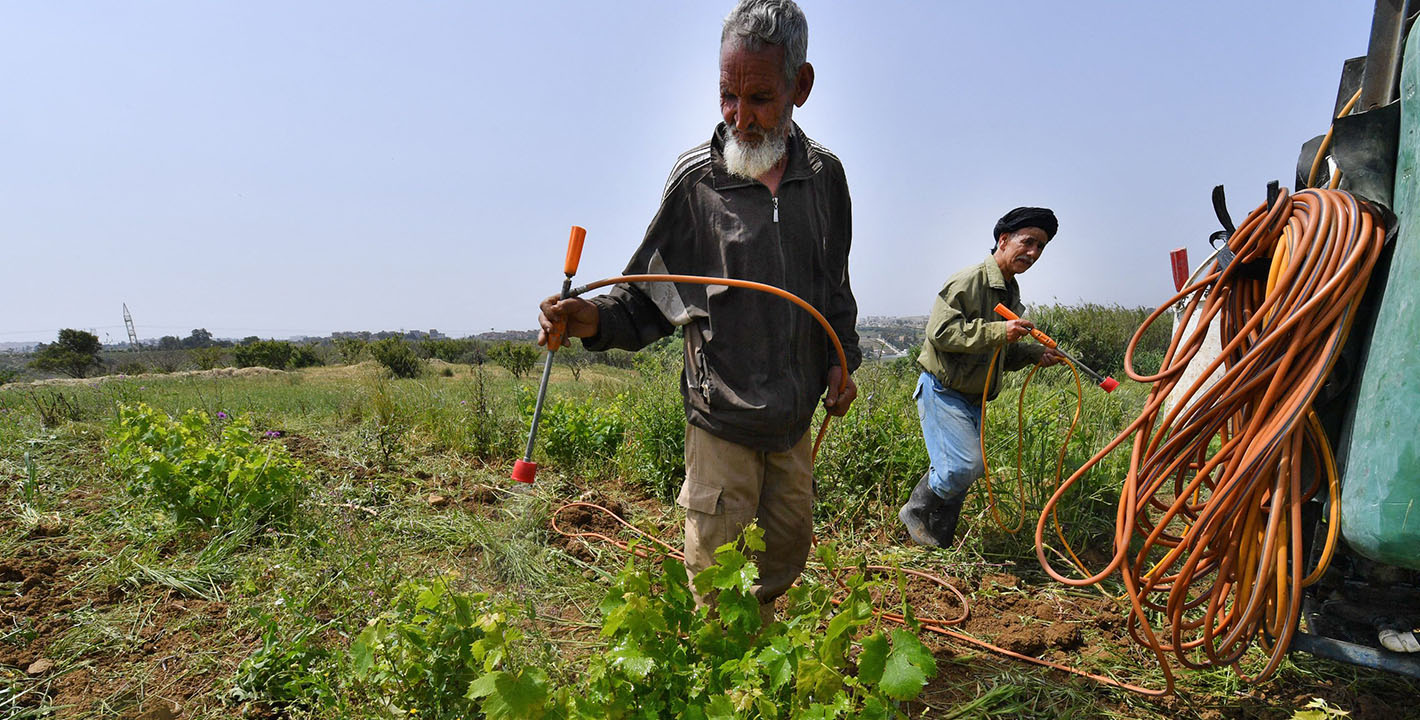
لا بدّ من فهم طرق تعامل المزارعين في وادي الساحل–الصومام مع تغيّر المناخ من أجل معالجة التناقضات التي تؤدّي من خلالها عملية التكيّف، على المستويَين الفردي والمؤسّسي، إلى زيادة تأثُّر المنطقة بالعوامل المناخية، وتقويض النسيج الاجتماعي والهوية الزراعية اللذَين كانا في يومٍ من الأيام سمةً مميّزة للحياة فيها.
إليسا ياحمي

تُعدّ بطولة هذا العام الأكثر تمثيلًا للمنطقة وسط التغيّرات الواسعة التي تطرأ على المشهد الكروي فيها.

عصام القيسي

تناولت نهائيات كأس الأمم الأفريقية، التي استضافها المغرب مؤخرًا، قضايا أوسع بكثير من المباريات.

عصام القيسي, ياسمين زغلول