

Commentary
Fatima El Mansouri is the country’s first female prime minister. She’s also a privileged insider in a largely ceremonial position.
Sarah Yerkes
{
  "authors": [],
  "type": "other",
  "centerAffiliationAll": "",
  "centers": [
    "Carnegie Endowment for International Peace"
  ],
  "collections": [],
  "englishNewsletterAll": "",
  "nonEnglishNewsletterAll": "",
  "primaryCenter": "Carnegie Endowment for International Peace",
  "programAffiliation": "",
  "programs": [],
  "projects": [],
  "regions": [
    "North Africa",
    "Egypt"
  ],
  "topics": []
}
Source: Getty
A backgrounder on the National Association for Change.
This resource was published on 09/22/2010 and is not updated to reflect changing circumstances.
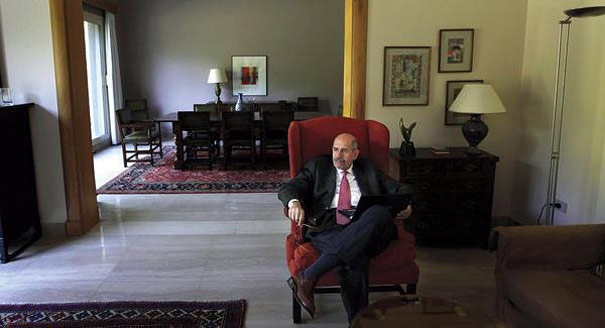
The National Association for Change was formed by former International Atomic Energy Association head Mohammed ElBaradei and a close group of supporters in February 2010, at a time when opposition activity was at a low point, and became the most visible movement challenging the regime until the January 2011 uprising.
In the more diverse and complex post-uprising political scene, with revived opposition parties and a variety of active protest movements, the National Association for Change has lost the visibility and prominence it enjoyed when it was first created. It remains active, however, and may play a prominent role if Mohamed ElBaradei becomes a presidential candidate, as expected.
Mohammed ElBaradei: Movement leader
Hassan Nafaa: General Coordinator
Hamdi Qandil: Spokesman
The National Association for Change (NAC) is a broad opposition coalition pushing for pro-democracy constitutional reforms.. The association is the product of an initial meeting in February 2010 at ElBaradei’s home of approximately 30 politicians, intellectuals, activists, and other prominent figures in Egypt who identified with the renewed call for democratic reforms that the return of ElBaradei prompted. Almost all opposition groups and movements were represented at the meeting (and the subsequent establishment of the NAC), except the Wafd, Nasserite, and al-Tagammu’ parties.
The NAC was designed to be a broad movement rather than a political party. According to the head of the campaign calling for an ElBaradei presidency, Abdelrahman Yousef, “The association is not a political organization with a clear structure and its head is not ElBaradei and he never was. The coalition is a general popular movement and its members are the signatories of the petition. He is a symbol for change and for the association.”
The NAC received much attention during 2010 with its a nationwide campaign to collect at least one million signatures for a seven-point program of reforms aiming at ensuring free and fair elections. The demands included: ending the state of emergency; ensuring judicial oversight over the election process; allowing local and international civil society groups to monitor elections; allowing equal access to media for all candidates, particularly during presidential elections; giving Egyptians living abroad the right to vote at Egyptian embassies and consulates; ensuring the right to run for president without arbitrary restrictions in accordance with Egypt’s obligations under the International Covenant on Civil and Political Rights as well as limit the president’s service to two terms; voting by using the national identification card rather than a special voters’ registration card. Some of these reforms were incorporated in the constitutional amendments introduced by the SCAF in March 2011.
During the January uprising, the NAC and ElBaradei were active in the street protests but were never at the forefront. The NAC has been opposed to many aspects of the government of the Supreme Council of the Armed Forces (SCAF). Its main demands at present are lifting the emergency law and ending military trials for civilians.
Carnegie does not take institutional positions on public policy issues; the views represented herein are those of the author(s) and do not necessarily reflect the views of Carnegie, its staff, or its trustees.
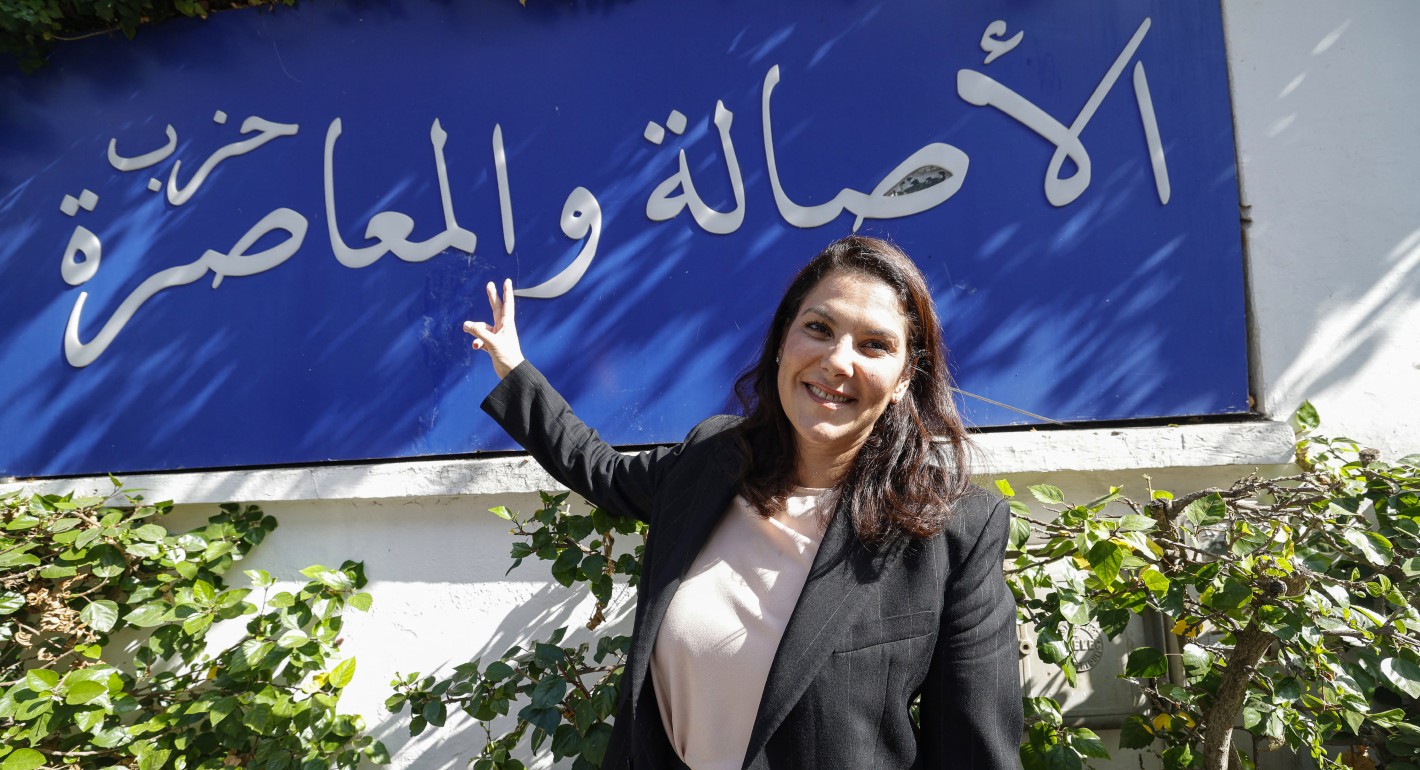
Fatima El Mansouri is the country’s first female prime minister. She’s also a privileged insider in a largely ceremonial position.

Sarah Yerkes

Amid celebrations of bilateral ties was a deeper focus on stability in the Middle East.

Amr Hamzawy
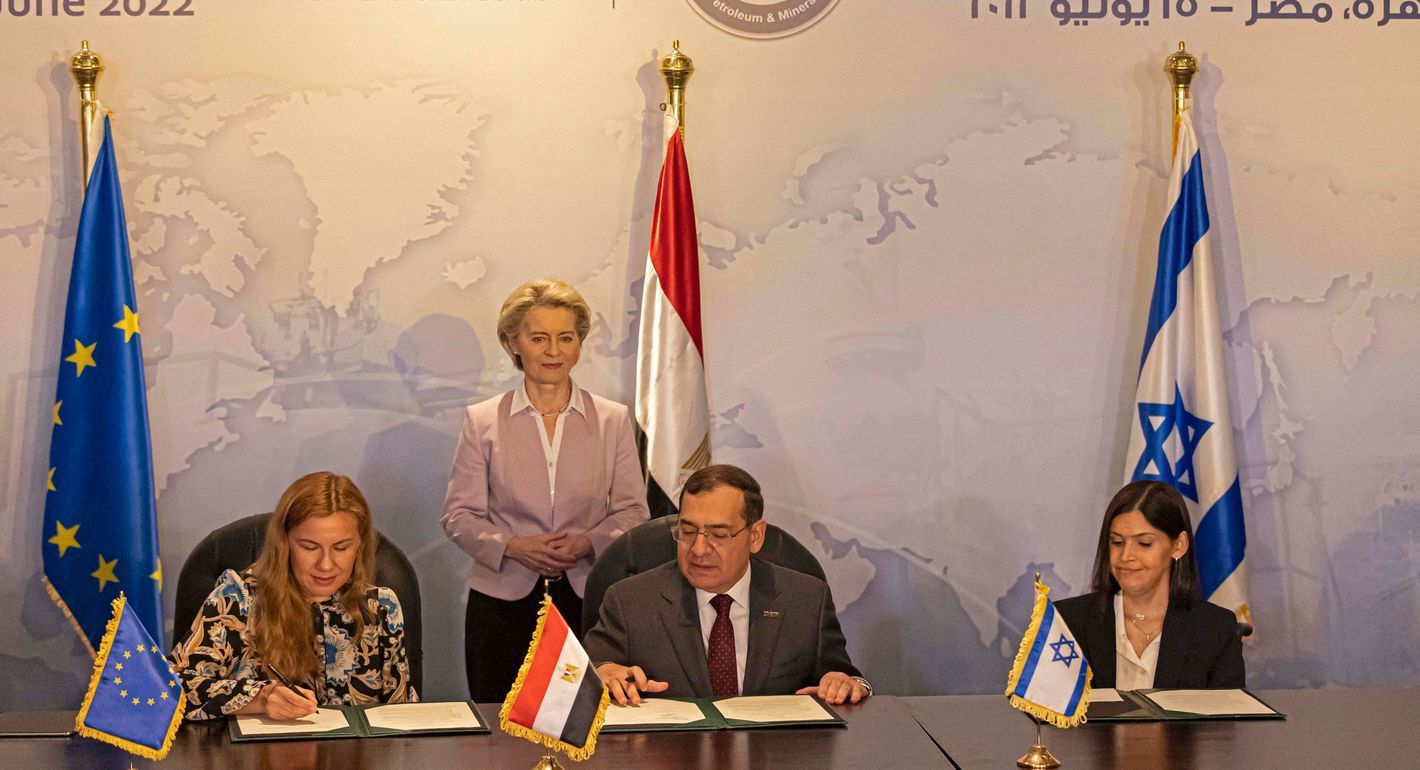
Can economic ties help contain conflict between Egypt and Israel, or do they simply postpone confrontation? Drawing on the German-Russian experience, the article examines how the gas deal creates mutual dependence, keeps channels of cooperation open, and raises the cost of conflict, without necessarily delivering lasting peace.
Nourhan Hefzy

Most migrants may have left Ceuta, but the effects may linger.

Alejandro Martin Rodriguez, Sarah Yerkes

Saied’s main accomplishment has been to destroy a decade’s worth of democratic progress.
Sarah Yerkes