

Commentary
Nikolay Petrov
{
  "authors": [
    "Nikolay Petrov"
  ],
  "type": "legacyinthemedia",
  "centerAffiliationAll": "",
  "centers": [
    "Carnegie Endowment for International Peace",
    "Carnegie Russia Eurasia Center"
  ],
  "collections": [],
  "englishNewsletterAll": "",
  "nonEnglishNewsletterAll": "",
  "primaryCenter": "Carnegie Russia Eurasia Center",
  "programAffiliation": "",
  "programs": [],
  "projects": [],
  "regions": [],
  "topics": []
}
Source: Getty
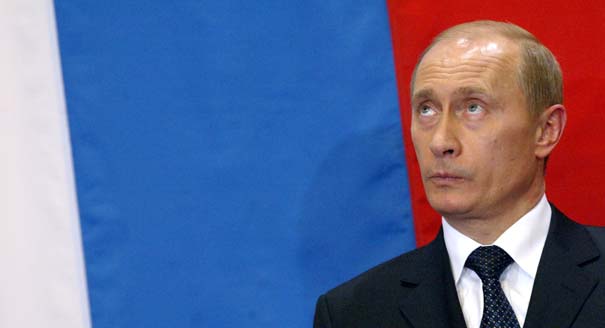
In advance of Russian regional elections on March 13, Prime Minister Vladimir Putin had to campaign personally for United Russia candidates in order to overcome voter disappointment and push for a strong regional showing for United Russia.
Source: The Moscow Times

There are two probable reasons for this: One, society’s attitude toward the authorities and the party has worsened, and Moscow has little hope that the situation can be improved by the governors appointed by the Kremlin; and two, Putin has effectively launched his own presidential election campaign.
In addition to the Nizhny Novgorod region, while Putin visited four times in the last year alone, the prime minister made appearances in two-thirds of the regions that elected legislatures. These include the Tver, Adygeya, Komi, Orenburg, Kirov, Kaliningrad and Tambov regions. In most cases, Putin did not show up empty-handed. He drew attention to achievements and announced new budget allocations and social programs for military personnel, state employees and pensioners. Putin also held discussions with local residents during which he made various promises or gave orders to ministers and other officials.
Another important and now standard element of the campaign was the holding of an interregional United Russia conference. Held in Bryansk, the conference brought together governors and party officials from all 18 regions of the Central Federal District, with Putin stopping over in Tambov on his way to that meeting. Of the 12 regions that elected regional legislatures, three — Kursk, Tambov and Tver — are part of the Central Federal District. Because the Kursk and Tver governors are extremely unpopular, United Russia chose not to use them to head the party’s tickets in those regions.
What’s more, the Communist Party exploited the unpopularity of Kursk Governor Alexander Mikhailov to gain points in the race, using the slogan “Vote for the Communist Party or put up with more of the same.” Nearing the elections, A Just Russia and United Russia decided to not just distance themselves from the unpopular governor but to actually disown him while at the same time announcing that a referendum called by the Communist Party to recall the governor was illegal.
In Bryansk, Putin reminded voters that pensions had been increased by almost 50 percent during the economic crisis and that the latest indexing for inflation had gone into effect on Feb. 1 of this year. He also promised to raise pensions and student stipends, to raise salaries for state employees in the fall and to make sharp hikes in salaries beginning in 2012 for military and law enforcement personnel and to significantly increase military pensions.
The complete absence of prominent and popular political figures — from governors to federal and local deputies — is the direct result of Putin’s efforts to not just level the playing field, but to wipe it clean entirely. The consequence is that Russia now has no public political life. Before it was enough to show a photo of this or that municipal or regional leader standing next to Putin to ensure victory at the polls, but now Putin himself must make a personal appearance to achieve the same effect.
Since the fall election campaign leading up to the State Duma elections in December will involve the whole country, Putin has many more opportunities to increase the vote for United Russia than he did during the March vote. He will be able to take much more advantage of his status as the national leader. Promises are promises, but one firm decision to increase pensions or salaries for state employees will produce many more dividends to Putin in the fall election than all of the recent trips he made to the regions combined.
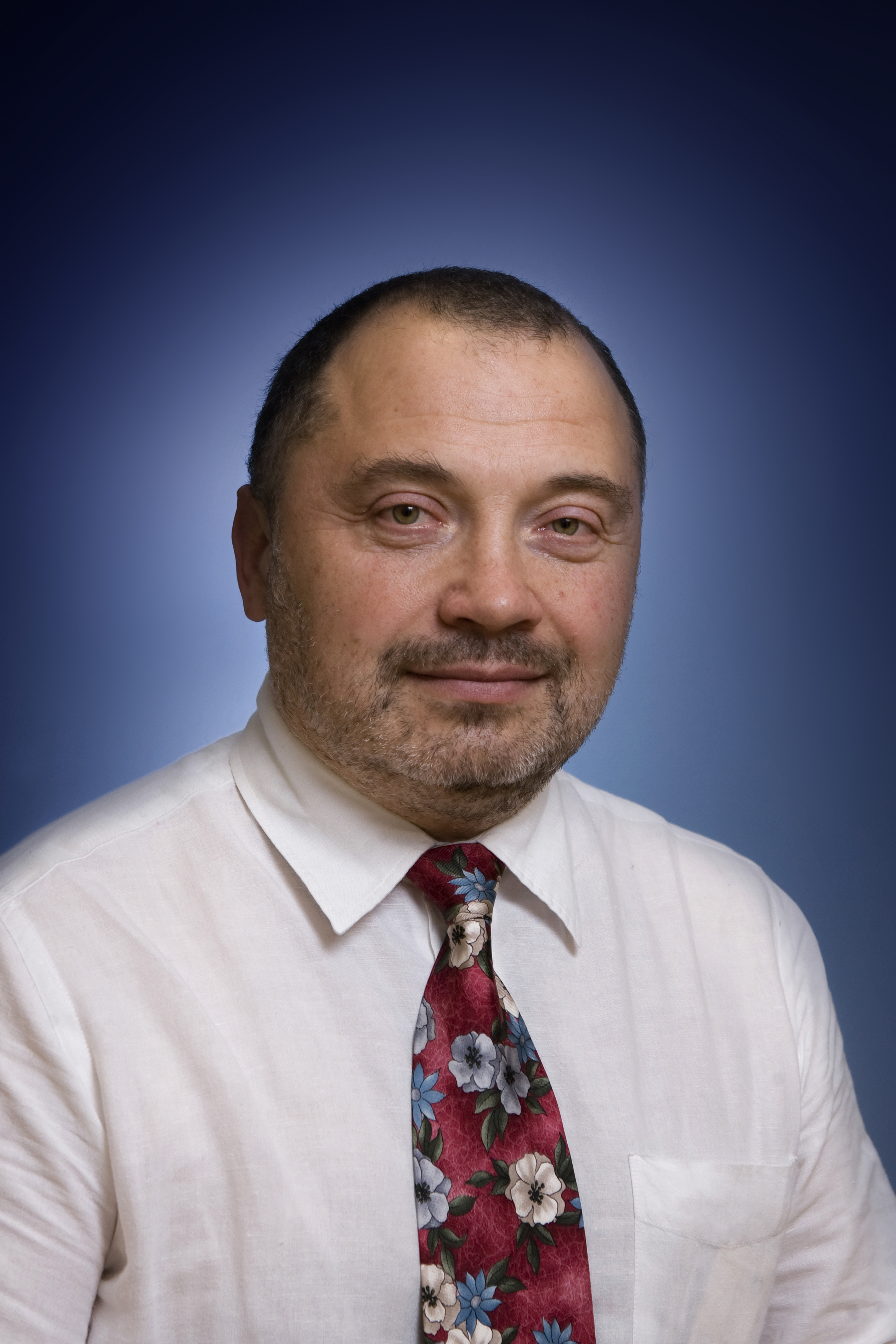
Former Scholar-in-Residence, Society and Regions Program, Moscow Center
Nikolay Petrov was the chair of the Carnegie Moscow Center’s Society and Regions Program. Until 2006, he also worked at the Institute of Geography at the Russian Academy of Sciences, where he started to work in 1982.
Recent Work
Nikolay Petrov
Nikolay Petrov
Carnegie does not take institutional positions on public policy issues; the views represented herein are those of the author(s) and do not necessarily reflect the views of Carnegie, its staff, or its trustees.