

تعليق
إن لانحسار الغطاء النباتي في مدن مصر المكتظّة بالسكان تبعات صحية، ناهيك عن أنه يزيد مشقّة المتنقّلين يوميًا.
انجي عمر
{
  "authors": [],
  "type": "other",
  "centerAffiliationAll": "",
  "centers": [
    "Carnegie Endowment for International Peace"
  ],
  "collections": [],
  "englishNewsletterAll": "",
  "nonEnglishNewsletterAll": "",
  "primaryCenter": "Carnegie Endowment for International Peace",
  "programAffiliation": "",
  "programs": [],
  "projects": [],
  "regions": [
    "شمال أفريقيا",
    "مصر"
  ],
  "topics": []
}
المصدر: Getty
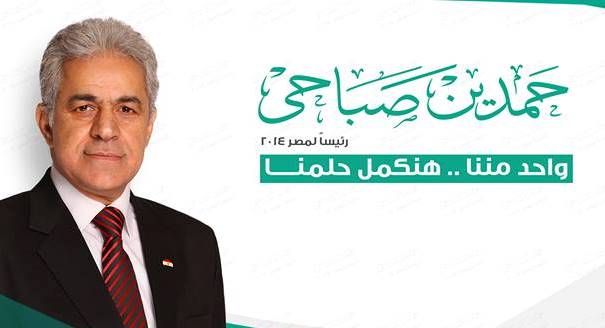
تقدّم هذه الصفحة معلوماتاً خلفية حول حزب الكرامة.
نُشرت هذه الصفحة في 02/15/2012 ولم يتمّ تحديثها لمواكبة آخر الأحداث.
حزب الكرامة هو حزب ناصري يساري قومي عربي تأسّس في العام 1996 على يد حمدين صباحي، وهو نائب سابق في البرلمان عن الحزب العربي الديمقراطي الناصري الذي انشقّ عنه بعد خلافات مع رئيسه آنذاك ضياء الدين داود. يُعرَف الكرامة بميوله الاشتراكية وهو يدعو إلى التعددية السياسية. في عهد مبارك، شجب الحزب الحكومة لاحتكارها السلطة السياسية وحدِّها من أنشطة المجموعات المعارِضة. بعد انتفاضة كانون الثاني/يناير 2011، تحالف الحزب مع التحالف الديمقراطي بقيادة حزب الحرية والعدالة، وكان واحداً من الأحزاب العلمانية القليلة التي بقيت في التحالف عند إجراء انتخابات مجلس الشعب.
حمدين صباحي: رئيس الحزب ومؤسّسه
أمين اسكندر: عضو بارز ومؤسّس
كمال أبو عيطة: عضو بارز
تقدّم حزب الكرامة من لجنة الأحزاب السياسية بطلب للحصول على الأهلية القانونية في عهد مبارك، إلا أنه لم يُوَفَّق. في العام 2002، رفضت اللجنة الحزب على أساس أن برنامجه لم يكن استثنائياً بما يكفي لتمييزه عن مجموعات المعارَضة الأخرى. وفي العام 2004، رفضت اللجنة مجدداً منح الحزب الأهلية القانونية لأنه تبنّى “إديولوجية متطرّفة” كما زُعِم. فسعى الحزب مجدداً إلى الحصول على الاعتراف الرسمي في العام 2006، غير أن اللجنة رفضت طلبه للأسباب نفسها التي قدّمتها في العام 2002. ولم يتمكّن الحزب من تحقيق هدفه هذا إلا في آب/أغسطس 2011.
في العام 2000، ترشّح رئيس الحزب حمدين صباحي للانتخابات البرلمانية مستقلاً وفاز. وفي نيسان/أبريل 2009، انضمّ الكرامة إلى التحالف المصري للتغيير الذي تألّف من حركة كفاية، وحركة شباب 6 أبريل، وحزب الوسط، وأعضاء من جماعة الإخوان المسلمين. وعقب الانتفاضة، انضمّ الحزب إلى التحالف الديمقراطي من أجل مصر إلى جانب حزب الحرية والعدالة التابع للإخوان المسلمين، وعلى الرغم من أنه فكّر في الخروج من التحالف، كما فعلت معظم الأحزاب العلمانية الأخرى، إلا أنه بقي فيه أثناء الانتخابات البرلمانية في تشرين الثاني/نوفمبر 2011، وفاز بستة مقاعد. وكان صباحي قد أعلن أيضاً أنه سيترشّح للانتخابات الرئاسية المقبلة.
لا تتخذ كارنيغي مواقف مؤسسية بشأن قضايا السياسة العامة؛ الآراء المعبر عنها هنا هي آراء المؤلف(ين) ولا تعكس بالضرورة آراء كارنيغي أو موظفيها أو أمنائها.
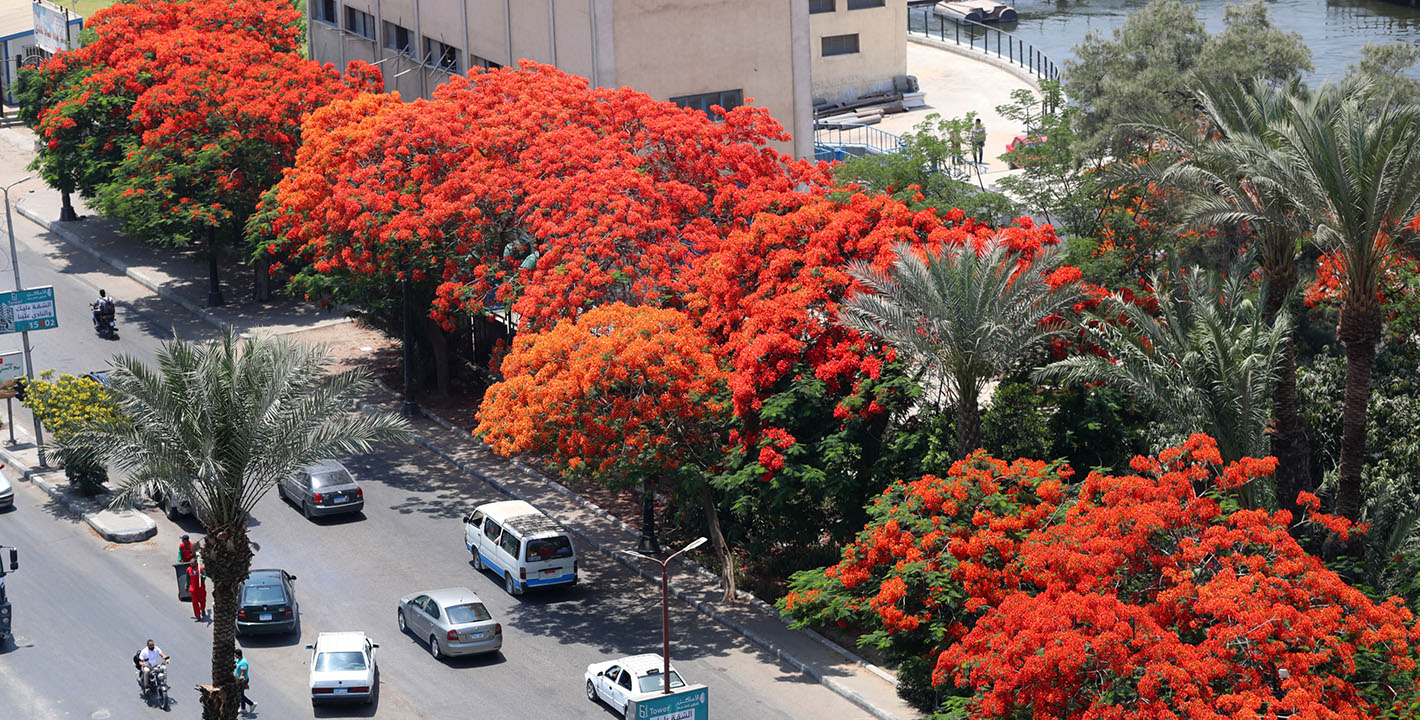
إن لانحسار الغطاء النباتي في مدن مصر المكتظّة بالسكان تبعات صحية، ناهيك عن أنه يزيد مشقّة المتنقّلين يوميًا.
انجي عمر

بذلت "هواوي" جهودًا حثيثة لدخول سوق مراكز البيانات في مصر، إلى أن قدّمت الولايات المتحدة عرضًا أفضل.
انجي عمر
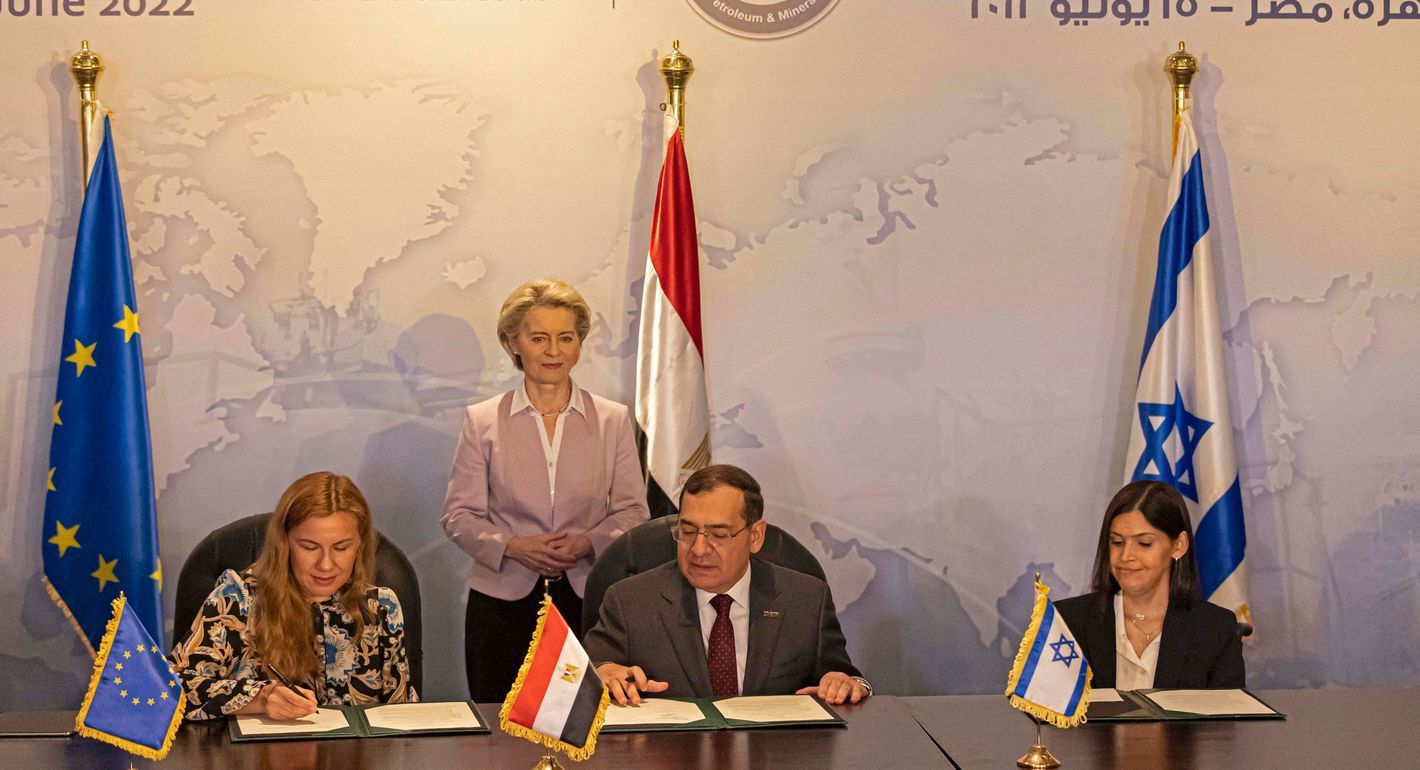
هل يمكن للغاز أن يخفف التوتر بين مصر وإسرائيل، أم أن المصالح الاقتصادية تؤجل الصدام فقط؟ يقارن المقال بين صفقة الغاز المصرية-الإسرائيلية والتجربة الألمانية-الروسية ليكشف حدود قدرة التجارة والاعتماد المتبادل على احتواء الصراع.

نورهان حفظي

تشجّع القوات المسلحة شكلًا من أشكال الرأسمالية يدرّ إيرادات، لكن اعتماده على الريع يواجه عوائد متناقصة، ما يحمّل البلاد تكاليف ضخمة غير قابلة للاسترداد وعوائد مؤجّلة، ويزيد اعتمادها على الاقتراض الخارجي.

يزيد صايغ
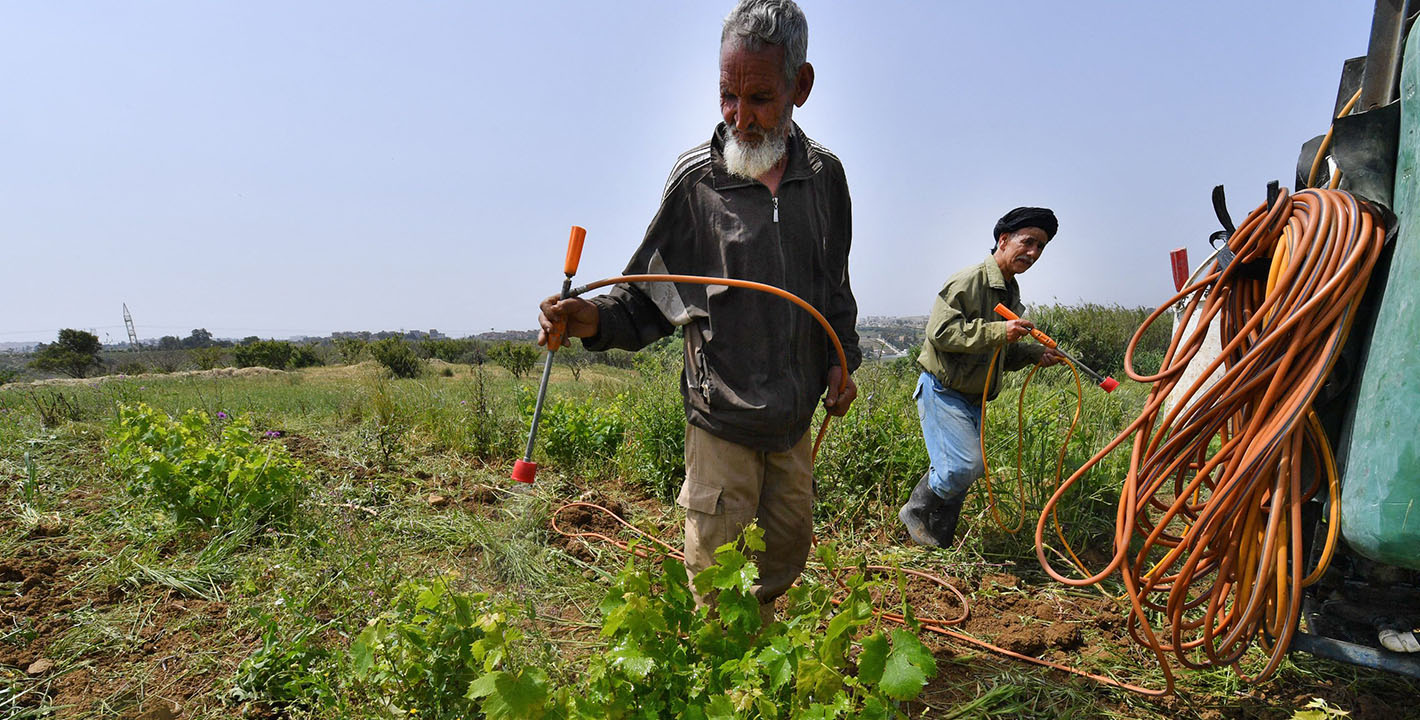
لا بدّ من فهم طرق تعامل المزارعين في وادي الساحل–الصومام مع تغيّر المناخ من أجل معالجة التناقضات التي تؤدّي من خلالها عملية التكيّف، على المستويَين الفردي والمؤسّسي، إلى زيادة تأثُّر المنطقة بالعوامل المناخية، وتقويض النسيج الاجتماعي والهوية الزراعية اللذَين كانا في يومٍ من الأيام سمةً مميّزة للحياة فيها.
إليسا ياحمي