

Commentary
Scholars from eight Southeast Asian countries provide their takes on the impact of China’s Belt and Road Initiative in their countries for the past decade.
- +5
Pongphisoot (Paul) Busbarat, Alvin Camba, Fadhila Inas Pratiwi, …
{
  "authors": [
    "Yan Xuetong",
    "Jin Canrong",
    "Luo Yuan"
  ],
  "type": "legacyinthemedia",
  "centerAffiliationAll": "",
  "centers": [
    "Carnegie Endowment for International Peace",
    "Carnegie China"
  ],
  "collections": [
    "China’s Foreign Relations"
  ],
  "englishNewsletterAll": "",
  "nonEnglishNewsletterAll": "",
  "primaryCenter": "Carnegie China",
  "programAffiliation": "",
  "programs": [],
  "projects": [],
  "regions": [],
  "topics": []
}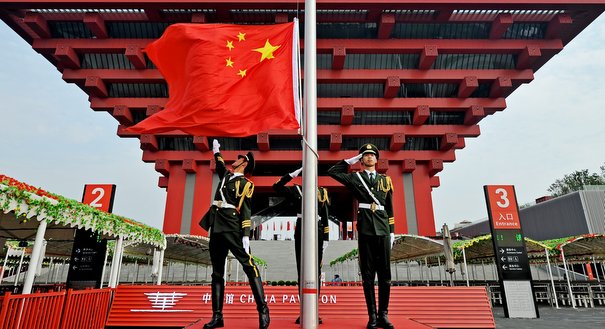
Source: Getty
China's diplomatic reforms have not been as prominent as in other sectors over the last three decades of reform and opening-up.
Source: Global Times

Luo Yuan, deputy secretary-general of the China Society of Military Science
There are some deeply rooted opinions within Chinese thinking: At a time of peace, China must use peaceful means to solve international disputes, stability is of overriding importance, and development is above all else.
Reform is a problem that should be seriously taken in every field. Take the military. At the beginning of the reform and opening-up, former Chinese leader Deng Xiaoping set the principle that military development should be constrained and make way for the national economy. But after the US-led NATO bombed the Chinese embassy in Belgrade in 1999, China realized that if military construction lagged too far behind economic construction, the country would be vulnerable to attack.
Some Western countries are criticizing China for its two-digit increase rate in military spending in recent years, but they neglect the fact that China's military development had been constrained for several decades.
China's diplomacy should also be reformed. Some defend the lack of change in China's diplomacy by citing Deng's principle of "hiding one's capabilities and biding one's time." However, it's not a strategy, but a tactic promoted against the background of the disintegration of former Soviet Union.
Deng's promotion of this principle was intended to help resume diplomatic relations between China and Japan. At that time, the Sino-Japanese dispute in the East China Sea remained unsolved, so Deng suggested leaving the problem to the next generation. Unfortunately, as the next generation, what we are doing is avoiding the problem under the shield of Deng's principle, both in the East China Sea and the South China Sea.
China should make clear in mind that shelving disputes and jointly developing are not accepted by relevant countries in the sea disputes now. They are unwilling to shelve territorial disputes and are conducting joint development excluding China.
China should interpret Deng's diplomatic policies from a historic perspective and update the policies in accordance with new conditions. Otherwise, China's interests cannot be secured.
Yan Xuetong, director of the Institute of Modern International Relations, Tsinghua University
I realized a mistake after 30 years' study of international relations. Scholars, including me, have often tried to find a grand strategy that could establish a country in an unassailable position, but now I realize there is no such strategy at all. The most undefeatable strategy is one that can constantly change according to new conditions.
Since reform and opening-up began, reform has been promoted in almost every field in China except diplomacy. The main reason is that China had already changed its previous principle of taking class struggle as the key element of diplomacy by establishing diplomatic relations with the US in 1972.
There could be several consequences caused by this lack of reform in diplomacy, chiefly a clinging to and lack of adjustment of outdated policies. Introducing the concept of diplomatic reform could strengthen the ability to change policies.
China has long insisted on Deng's slogan of "hiding one's capabilities and biding one's time." But this inevitably conflicts with taking on more international responsibilities. Sino-US relations are the most important factor in China's diplomacy, but with China rising, challenging the US has become an unavoidable reality.
China has criticized Western diplomacy for being guided by ideology. But now, when China has become economically strong, what it can offer to the world? China needs new diplomatic principles to prove to the world it's a moral and just country.
Jin Canrong, deputy director of the School of International Studies at Renmin University of China
China hasn't reformed its diplomacy for several decades. There are several reasons. Diplomacy is conservative in nature. A mature power usually has stable diplomatic, military and defense policies. The international community also hopes its members' diplomacy can be predictable.
China's diplomacy has kept continuity for years, especially in its policies toward the US. But it must be reformed in the future. It doesn't matter if we stress the word "reform" or not. Real reform is using new solutions to solve problems and then institutionalizing those solutions.
China has to face three big challenges in the future: Completing economic restructuring while maintaining the rapid economic growth, handling increasing and tense social conflicts under a background of declining political authority, and carrying out its diplomacy during its rise. China has quite an embarrassing position in the international community. Relevant countries increasingly guard against China while demanding China bear more international responsibilities. But when China really plays a bigger role in international affairs, many countries feel nervous.
We should stay sober about the fact that opposition to China is on the rise. Vested interests in the current international order and China's neighboring countries have in fact formed an anti-China front, albeit one that hasn't yet consolidated as a group. Those neighboring countries, either fearing China's development or being jealous of it, will become more self-contradictory toward China. China's diplomacy must be adjusted accordingly.
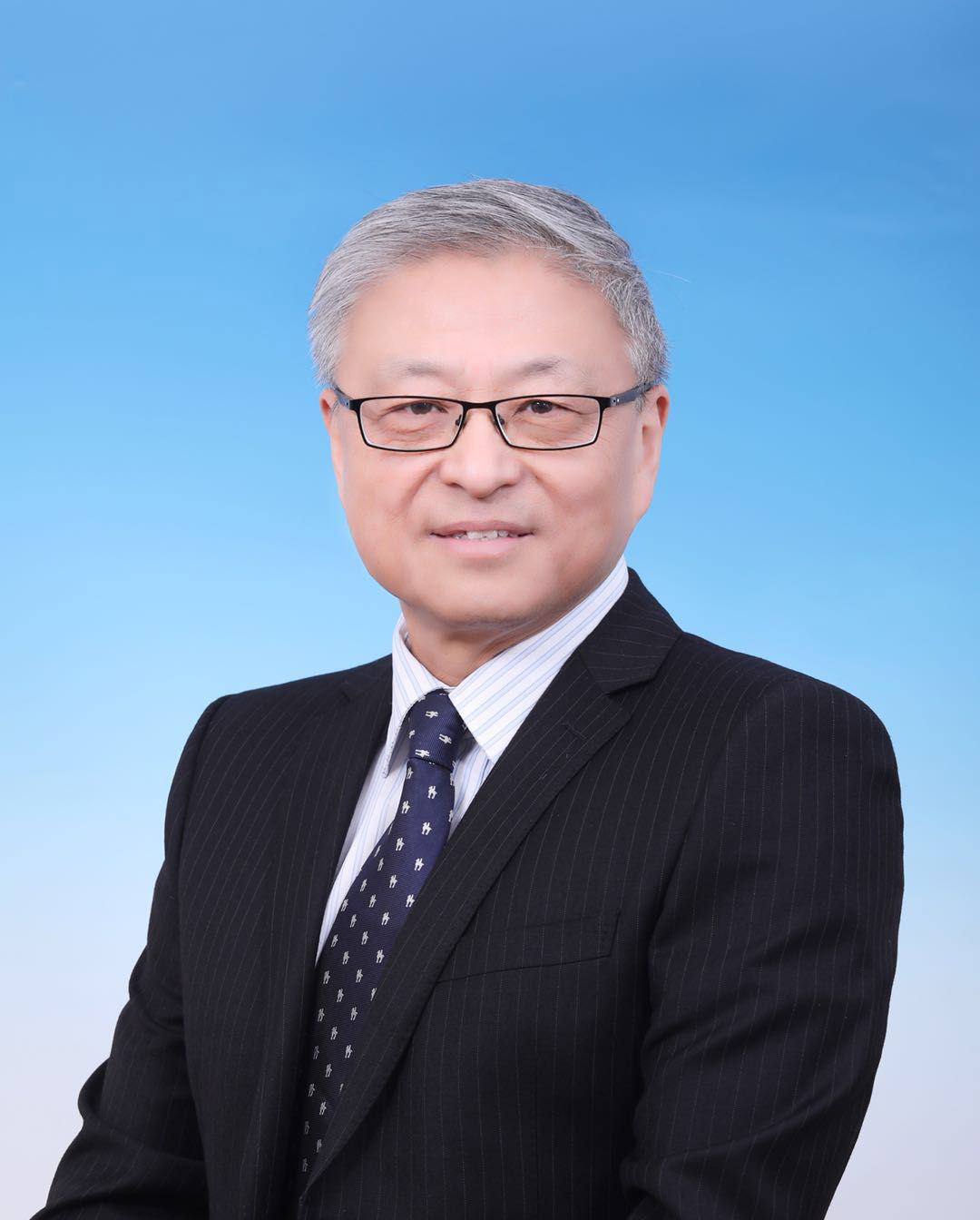
Yan Xuetong
Former President, Carnegie China Management Board, Carnegie-Tsinghua Center for Global Policy
Yan Xuetong was president of the Carnegie-Tsinghua Center Management Board until June 2020.
Jin Canrong
Luo Yuan
Carnegie does not take institutional positions on public policy issues; the views represented herein are those of the author(s) and do not necessarily reflect the views of Carnegie, its staff, or its trustees.
Scholars from eight Southeast Asian countries provide their takes on the impact of China’s Belt and Road Initiative in their countries for the past decade.


Pongphisoot (Paul) Busbarat, Alvin Camba, Fadhila Inas Pratiwi, …
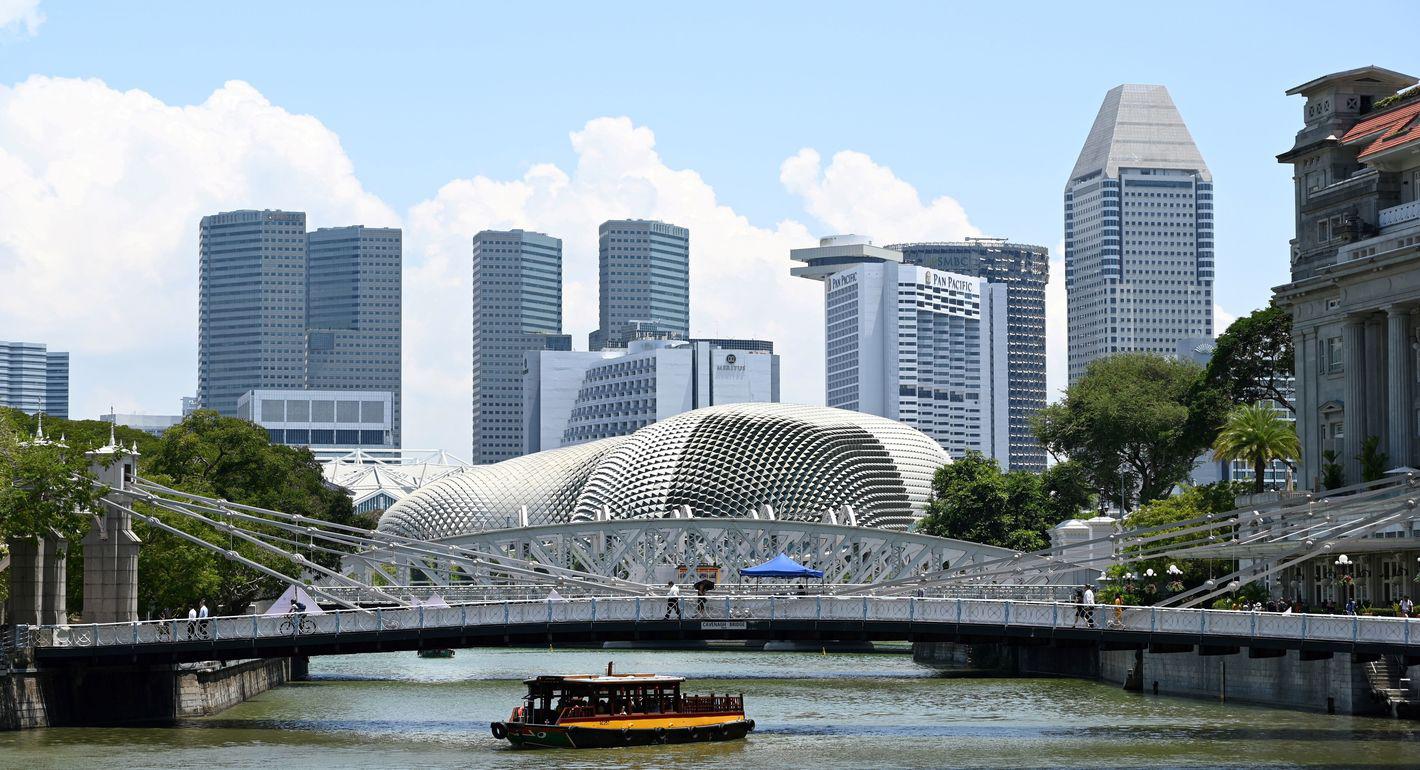
As the world undergoes a new round of fragmentation and major power rivalry that includes the advancing of divergent visions of global order, Singapore is discovering that its interests are increasingly being pulled in different directions.

Chong Ja Ian
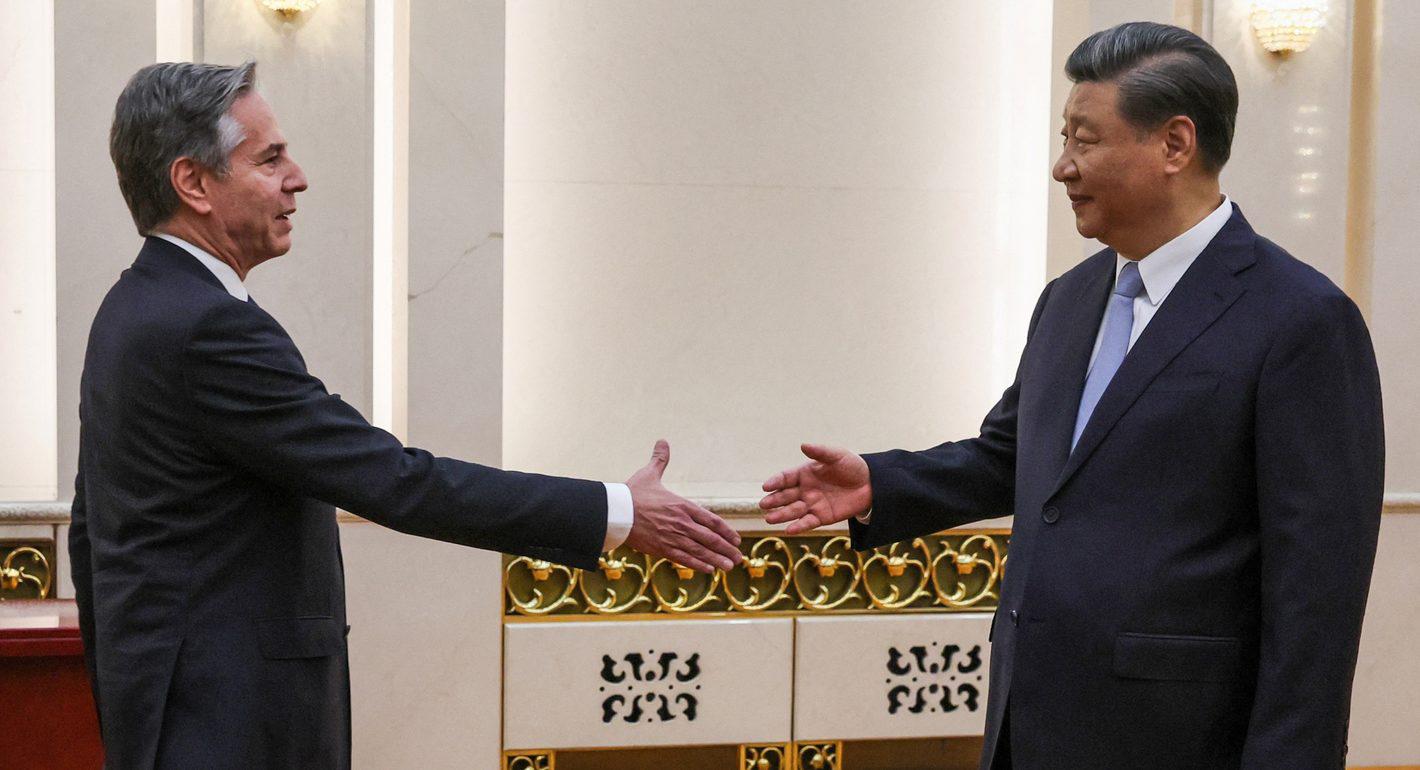
A fragile reconnection in U.S.-China diplomacy presents an opportunity to begin to set the terms of strategic competition.


Paul Haenle, Evan S. Medeiros, Chong Ja Ian, …
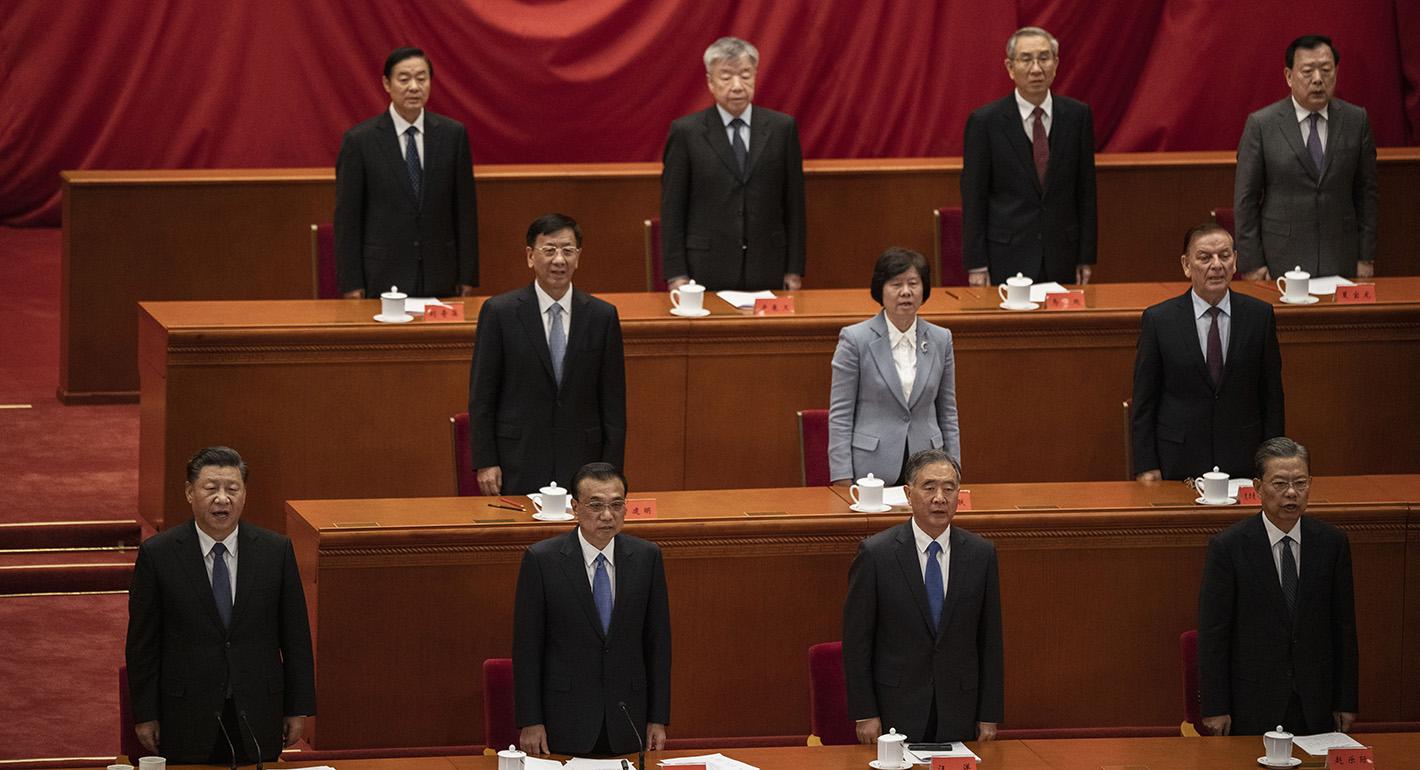
This article distills several potential principles for Beijing to adopt in its competition with the United States, including two each in the following three areas: Marxism, traditional Chinese culture, and China’s historical experiences since 1949.
Jie Dalei
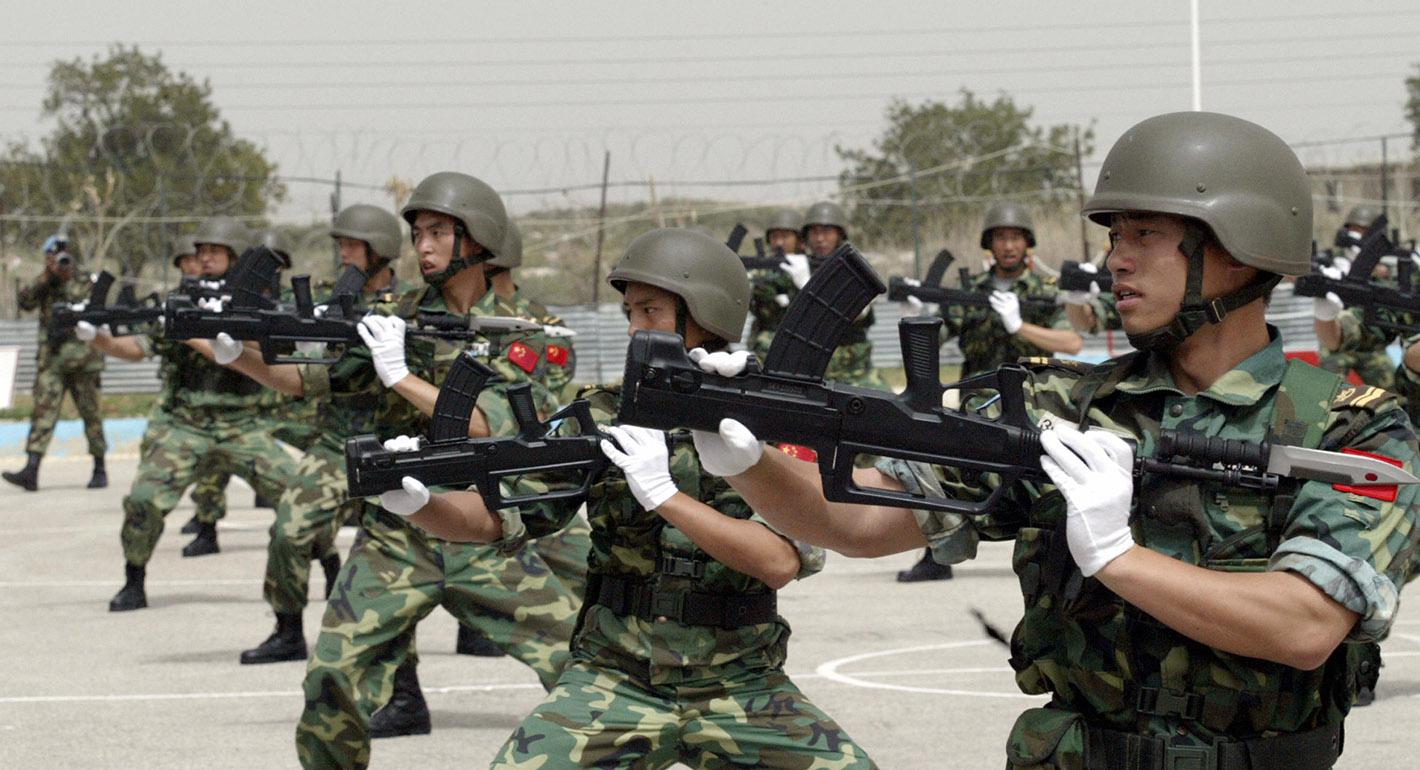
As China’s engagement with African countries has grown over the past several years, Beijing is increasingly turning to security contractors to protect its Belt and Road Initiative projects, citizens, and diplomats.
Paul Nantulya