

Commentary
The summit may be remembered as a fatal blunder, when Washington, Beijing, and the AI industry collectively chose ceremony over action.
Jeffrey Prescott
{
  "authors": [],
  "type": "pressRelease",
  "centerAffiliationAll": "",
  "centers": [
    "Carnegie Endowment for International Peace"
  ],
  "collections": [],
  "englishNewsletterAll": "",
  "nonEnglishNewsletterAll": "",
  "primaryCenter": "Carnegie Endowment for International Peace",
  "programAffiliation": "",
  "programs": [],
  "projects": [],
  "regions": [],
  "topics": [
    "Foreign Policy"
  ]
}
REQUIRED IMAGE
WASHINGTON—The board of trustees of the Carnegie Endowment for International Peace announced today the addition of two new members—Scott Malkin and George W. Siguler.
“We are honored to welcome these two talented and accomplished individuals to our board,” said Harvey V. Fineberg, chairman of the board. “Both Scott and George bring a wealth of international experience in business, finance, and government that will be of enormous value to Carnegie.”
Scott Malkin is founder and chairman of S.D. Malkin Properties, a real estate development company operating in the United States and throughout Europe. He is also founder and chairman of Value Retail as well as co-founder and co-chairman of Value Retail China. The portfolio of outlet villages operated by Value Retail generates the highest sales per square foot of any group of shopping centers in the world.
Malkin is a graduate of Harvard College, Harvard Business School, and Harvard Law School. He sits on Harvard’s Global Advisory Council.
George W. Siguler is a managing director and founding partner of Siguler Guff & Company, a private equity investment firm with operations in the United States, China, Brazil, India, and Russia. He is also chief investment officer of the firm. Previously he served as a managing director and head of PaineWebber’s private equity group and chief of staff in the Department of Health and Human Services in the Reagan administration.
Siguler is a graduate of Amherst College and Harvard Business School. He sits on the board of overseers of the Hoover Institution at Stanford University and the board of advisors of Johns Hopkins University’s Paul H. Nitze School of Advanced International Studies.
“I’m delighted that Scott and George have agreed to join our board of trustees,” said Carnegie President Jessica T. Mathews. “Scott has one of the most global outlooks of any businessperson I know, and as a longtime resident of London, he adds further depth to the board’s European perspective. George brings extraordinary expertise from the global private equity world, including deep knowledge and engagement in Russia and other former Soviet countries.”
Carnegie does not take institutional positions on public policy issues; the views represented herein are those of the author(s) and do not necessarily reflect the views of Carnegie, its staff, or its trustees.

The summit may be remembered as a fatal blunder, when Washington, Beijing, and the AI industry collectively chose ceremony over action.

Jeffrey Prescott

European NATO countries are wrestling with the possibility of U.S. disengagement from the alliance. With the continent’s security increasingly uncertain, governments must restore the credibility of their collective defense.



Hans-Dieter Lucas, Adam Thomson, Pierre Vimont

Cargo traffic through Russia’s Northern Sea Route has increased because of the disruption caused by the conflict in the Middle East, the Ukraine war, and U.S.-China tensions.

Mikhail Korostikov
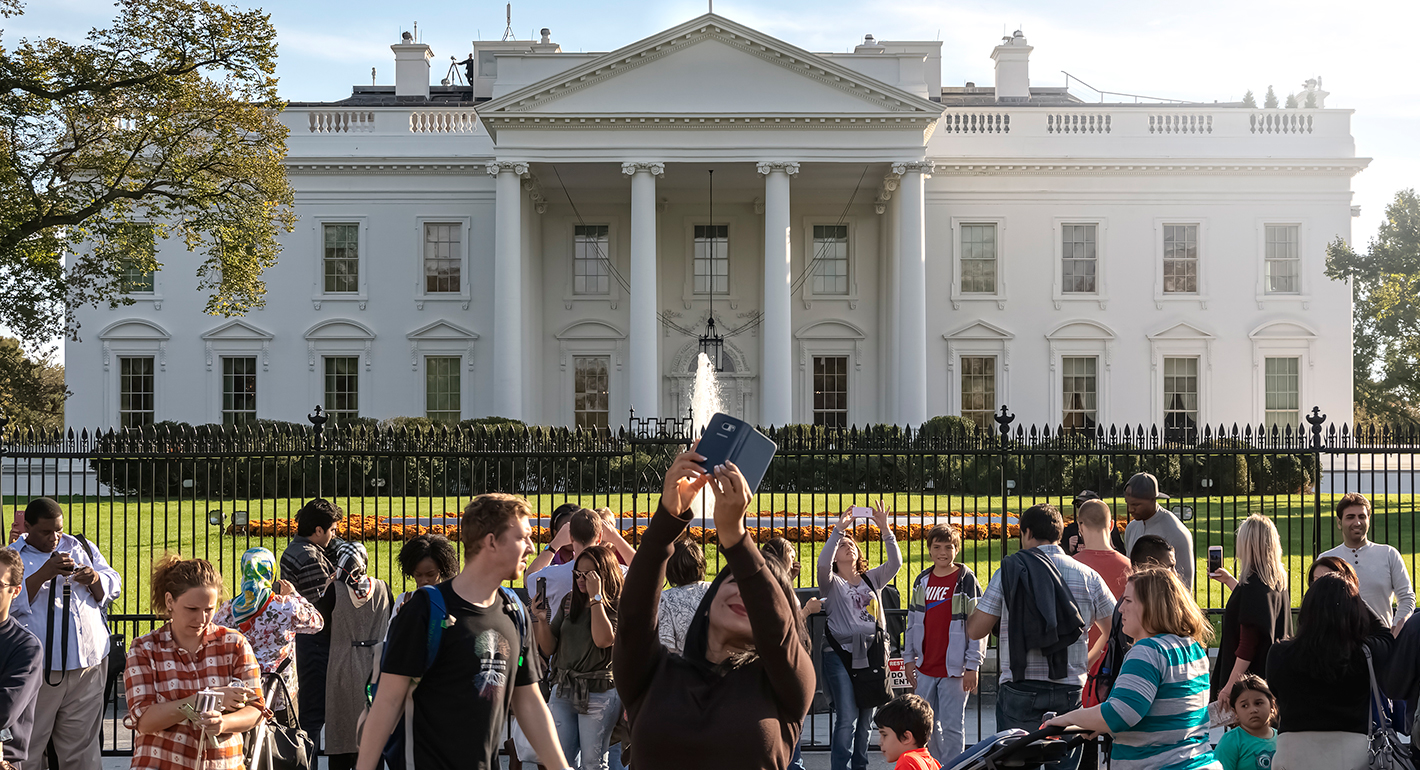
Soft power on its own is insufficient to meet U.S. national security needs, but hard power also has its limits. Soft power allows for more effective and efficient use of hard power than hard power alone, as it encourages cooperation and compliance which deters the need for hard power.

Sarah Yerkes

In an interview, Ian Lustick and Eli Clifton discuss their new book on why a prominent ally has so much influence in America.

Michael Young