

{
  "authors": [
    "Karim Sadjadpour",
    "George Perkovich",
    "James M. Acton",
    "Ariel (Eli) Levite",
    "Alexey Arbatov",
    "Mark Hibbs",
    "Cornelius Adebahr",
    "Tong Zhao"
  ],
  "type": "other",
  "centerAffiliationAll": "",
  "centers": [
    "Carnegie Endowment for International Peace"
  ],
  "collections": [],
  "englishNewsletterAll": "",
  "nonEnglishNewsletterAll": "",
  "primaryCenter": "Carnegie Endowment for International Peace",
  "programAffiliation": "",
  "programs": [],
  "projects": [],
  "regions": [],
  "topics": []
}
REQUIRED IMAGE
Carnegie Experts on Iran Framework Agreement
With a framework agreement on limiting Tehran’s nuclear program in place, Carnegie experts are available to discuss the details of the deal and its implications, as well as the prospects for a final accord by the end of June.
With a framework agreement on limiting Tehran’s nuclear program in place, Carnegie experts are available to discuss the details of the deal and its implications, as well as the prospects for a final accord by the end of June.
To request an interview, please contact Clara Hogan at chogan@ceip.org.
“The supreme leader now faces a difficult dilemma: Either crush the spirit of tens of millions of Iranians who are for the deal or demoralize a hardline base that has long opposed any accommodation with America. His political instincts have always been resistance, but at a time when Iran is hemorrhaging hundreds of billions due to sanctions, tens of billions due to the collapse in oil prices, and billions sustaining the Assad regime in Syria, a nuclear deal is an economic imperative for the country. I expect there will be a vigorous negotiation in the coming weeks and months about the terms of the deal.”
—Karim Sadjadpour
“What was announced today, at least in the U.S. fact sheet, is a very positive development and represents significant progress. Something particularly positive was on the inspections side, where it talks about monitoring the whole supply chain of the Iranian nuclear program. That’s a very big deal. Related to that is that Iran will basically declare and dedicate a procurement channel so everything that needs to be imported for their nuclear program would go through this channel. This greatly eases the monitoring requirement—it comes through a reported channel and then it’s much easier to track it to facilities and monitor at these facilities. It also means that if the IAEA gets intelligence that there is procurement outside of that channel, by definition, that would be a violation of the agreement and have consequences.”
—George Perkovich
“The understandings reached today must still be translated into a final, binding agreement. If they are, then stringent restrictions on Iran’s nuclear program—some of which will last for 25 years—will push Tehran downfield, well outside of the nuclear red zone. Should Iran violate the agreement, intrusive verification provisions—including on Iran’s supply chain and to detect undeclared nuclear activities—stand a good chance of enabling early detection, thus permitting a unilateral or international response.”
—James M. Acton
“That after 18 months of intense high-level negotiations and tough international sanctions this is the best deal that one could get out of lran attests to more than the Iranian negotiating acumen. It clearly reveals the strategic value Iran attaches to its nuclear program, underscoring the point that this program has been anything but peaceful in nature. The best part about the agreement is that it lays out principles that if operationalized and implemented would make it very difficult to make nuclear weapons. But it comes at a very heavy price—accepting Iran as an advanced nuclear threshold state and easing the sanctions it has faced for its nuclear pursuits.”
—Ariel (Eli) Levite
“The deal with Iran is a good illustration to a well-known maxim: politics is the art of possible. Under the current circumstances (the split between Russia and the West over Ukraine, Iran’s potential role in common fight against the Islamic State), more stringent limitations on the Iranian nuclear program through a detailed comprehensive agreement would hardly be achievable. The present framework political deal is better than no deal and acknowledged failure of negotiations, which would make the new war in the Gulf inevitable with dire implications for international security and the non-proliferation regime.”
—Alexei Arbatov
“If as the U.S. claims Iran has agreed to give the IAEA access to address allegations of undeclared fuel cycle-related activities, that’s good to know, but that’s not an Iranian concession beyond terms of its safeguards agreement and Additional Protocol. Neither the powers nor Iran said anything today committing Iran in the future not to carry out specific weaponization-related activities that the IAEA believes Iran has in the past pursued. The U.S. assertion that Iran will implement an agreed set of measures to address the IAEA’s questions about Iran’s past weaponization activities is welcome, but these measures must be specified, because during the last decade we’ve been through two rounds of unfulfilled pledges by Iran to put these matters to rest.”
—Mark Hibbs
“The announced agreement is an important breakthrough in itself given past disagreements, even though its foundations are not yet very strong. Europeans and Americans have proven that, together, they can make a very good case for their demands that Iran should prove the peaceful nature of its nuclear program.”
—Cornelius Adebahr
“This historical agreement will be extremely welcomed in Beijing. Chinese leaders and top diplomats made unprecedented efforts to help bridge gaps during the negotiation. Given the very comprehensive and stringent restrictions and verification mechanisms in the agreement, China will be very pleased that this will help strengthen the international nonproliferation regime by setting a very positive precedent for addressing the proliferation concerns associated with dual-use nuclear capability and activities in non-nuclear weapons states.”
—Tong Zhao
About the Authors

Senior Fellow, Middle East Program
Karim Sadjadpour is a senior fellow at the Carnegie Endowment for International Peace, where he focuses on Iran and U.S. foreign policy toward the Middle East.

Japan Chair for a World Without Nuclear Weapons, Senior Fellow
George Perkovich is the Japan Chair for a World Without Nuclear Weapons and a senior fellow in the Carnegie Endowment for International Peace’s Nuclear Policy Program. He works primarily on nuclear deterrence, nonproliferation, and disarmament issues, and is leading a study on nuclear signaling in the 21st century.

Jessica T. Mathews Chair, Co-director, Nuclear Policy Program
Acton holds the Jessica T. Mathews Chair and is co-director of the Nuclear Policy Program at the Carnegie Endowment for International Peace.
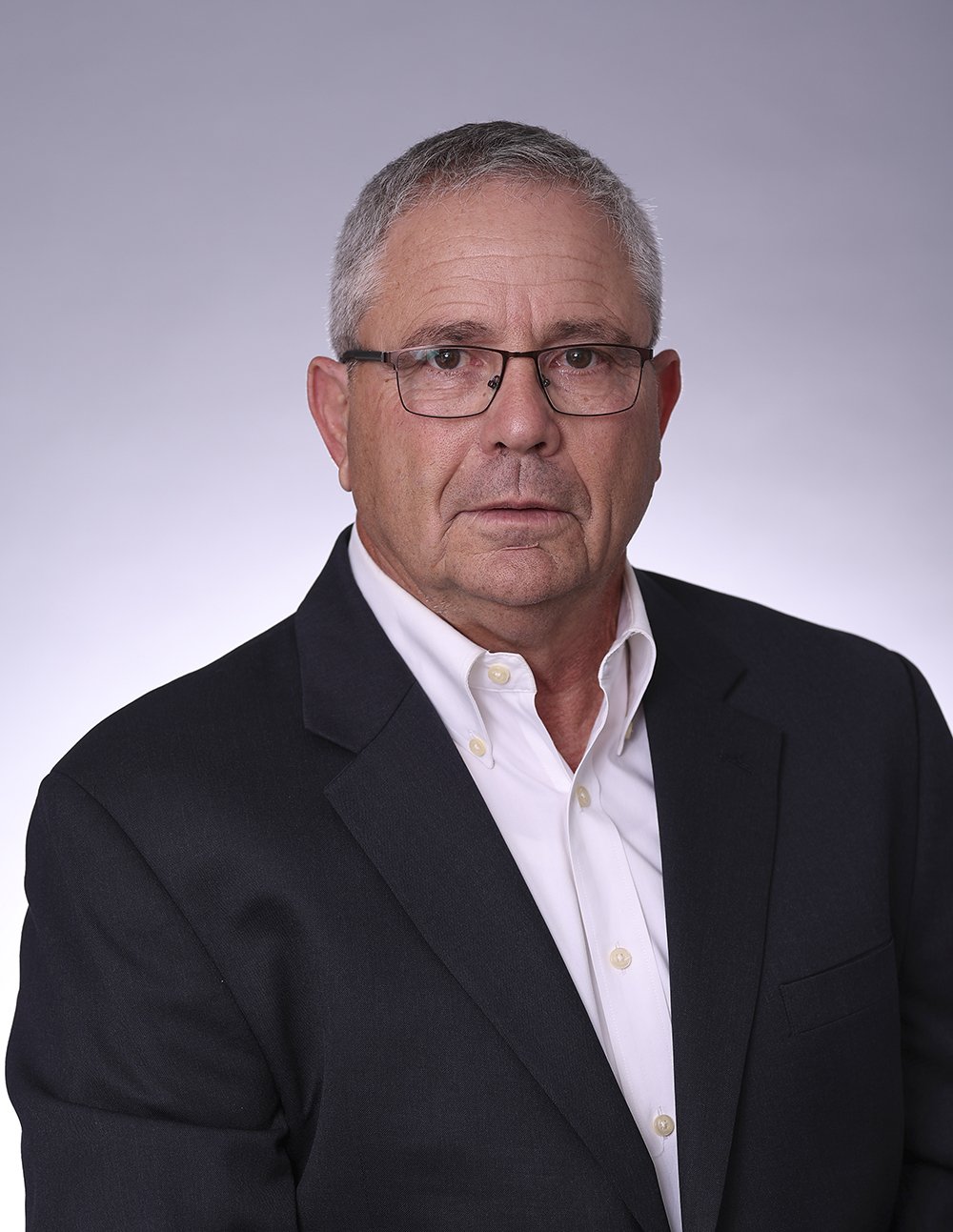
Senior Fellow, Nuclear Policy Program, Technology and International Affairs Program
Levite was the principal deputy director general for policy at the Israeli Atomic Energy Commission from 2002 to 2007.
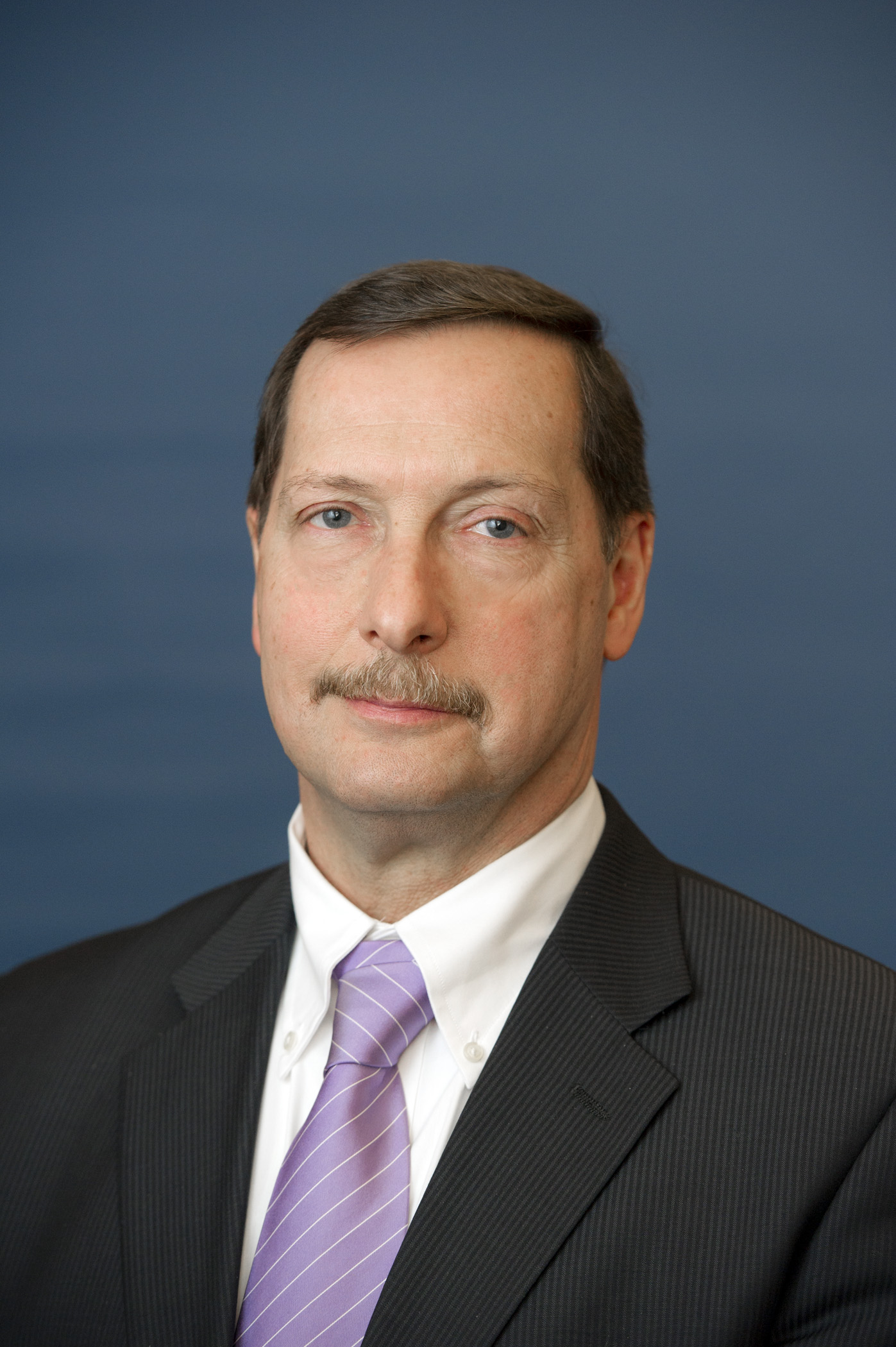
Alexey Arbatov
Alexey Arbatov is the head of the Center for International Security at the Primakov National Research Institute of World Economy and International Relations.

Nonresident Senior Fellow, Nuclear Policy Program
Hibbs is a Germany-based nonresident senior fellow in Carnegie’s Nuclear Policy Program. His areas of expertise are nuclear verification and safeguards, multilateral nuclear trade policy, international nuclear cooperation, and nonproliferation arrangements.
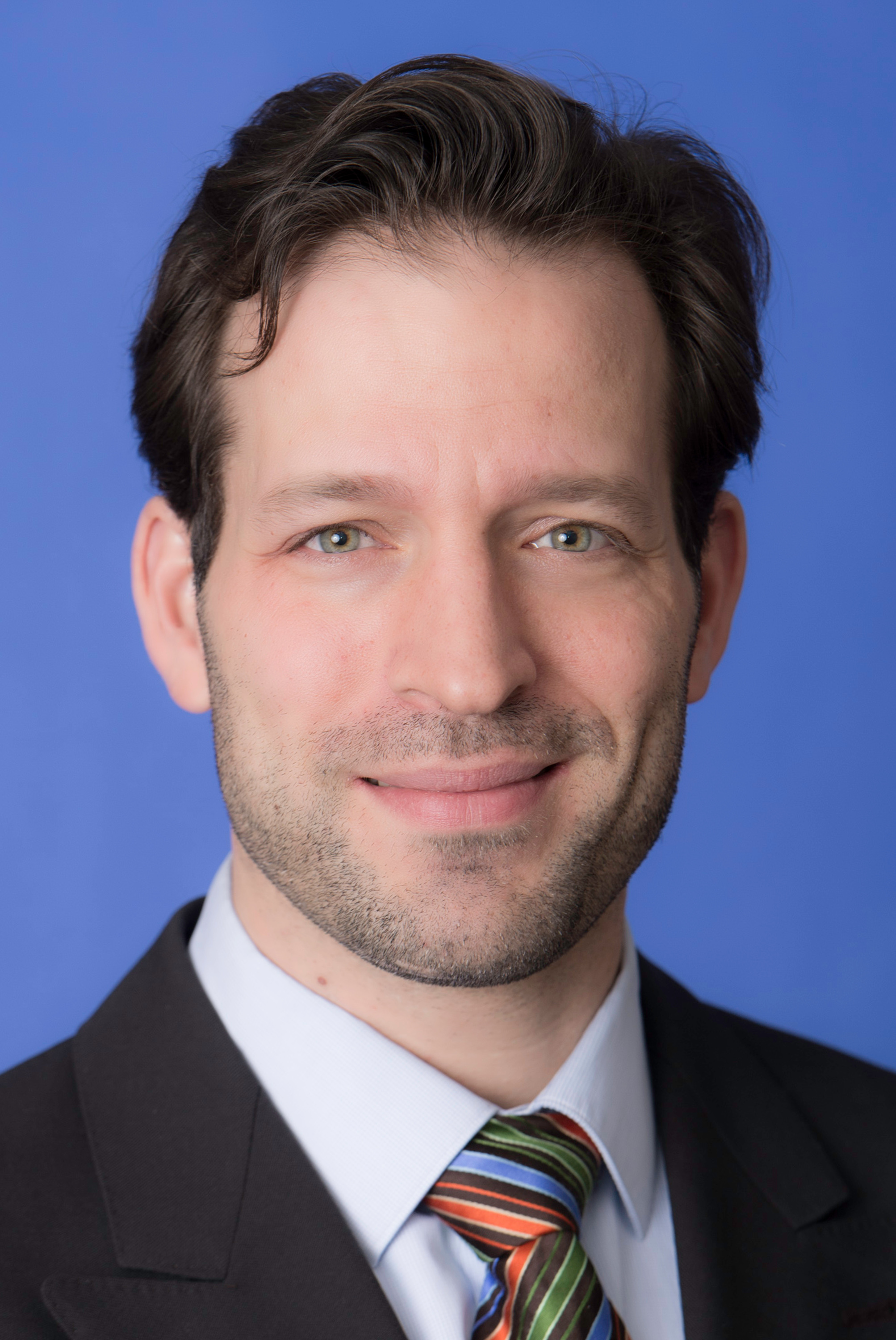
Former Nonresident Fellow, Carnegie Europe
Cornelius Adebahr was a nonresident fellow at Carnegie Europe. His research focuses on foreign and security policy, in particular regarding Iran and the Persian Gulf, on European and transatlantic affairs, and on citizens’ engagement.

Senior Fellow with the Nuclear Policy Program and Carnegie China
Tong Zhao is a senior fellow with the Nuclear Policy Program and Carnegie China, Carnegie’s East Asia-based research center on contemporary China. Formerly based in Beijing, he now conducts research in Washington on strategic security issues.
Carnegie does not take institutional positions on public policy issues; the views represented herein are those of the author(s) and do not necessarily reflect the views of Carnegie, its staff, or its trustees.