

Paper
Christopher S. Chivvis, Rohan Mukherjee, Milan Vaishnav
{
  "authors": [
    "Milan Vaishnav"
  ],
  "type": "legacyinthemedia",
  "centerAffiliationAll": "dc",
  "centers": [
    "Carnegie Endowment for International Peace"
  ],
  "collections": [],
  "englishNewsletterAll": "ctw",
  "nonEnglishNewsletterAll": "",
  "primaryCenter": "Carnegie Endowment for International Peace",
  "programAffiliation": "SAP",
  "programs": [
    "South Asia"
  ],
  "projects": [
    "India Elects 2019"
  ],
  "regions": [
    "South Asia",
    "India"
  ],
  "topics": [
    "Religion"
  ]
}
Source: Getty
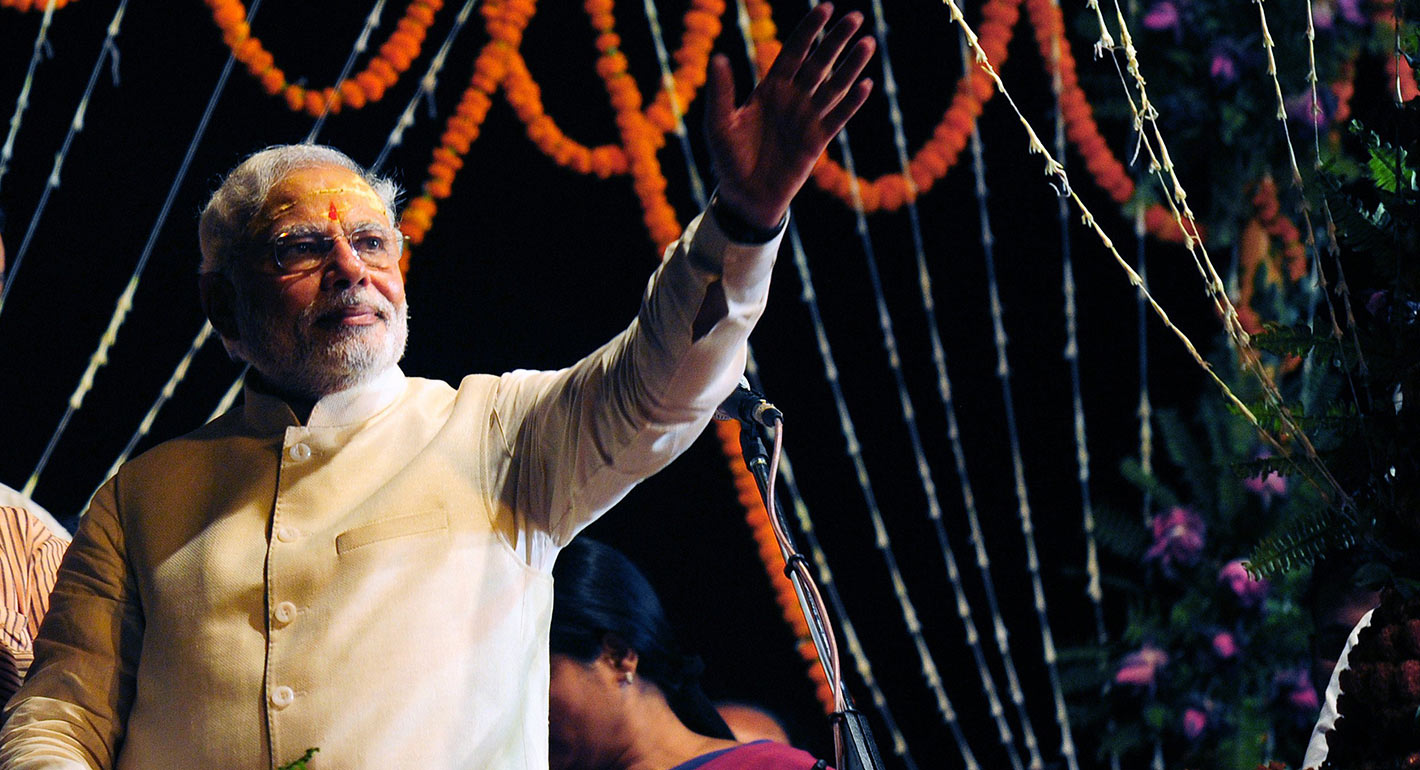
At the very moment when secularism is on the ropes in India, its defenders appear to have abandoned it.
Source: Foreign Affairs
On May 19, voting will end in the last phase of India’s mammoth general election. Over the five and a half weeks of the campaign, some 600 million voters will have trekked to the polls to select the 543 members of India’s next parliament. The ruling Bharatiya Janata Party (BJP) of Prime Minister Narendra Modi is seeking a second term in office. A motley crew of opposition parties—including the Indian National Congress, the once-dominant political force in post-independence India, and a bevy of regional players—hopes to topple it.
The stakes are high. The author-turned-politician Shashi Tharoor called the election “a battle for India’s soul,” and the political scientist and social activist Yogendra Yadav has argued that the “very idea of India is under challenge.” In the minds of many observers, this election will determine whether India has a future as a secular, pluralist republic true to its founders’ belief that its unity is strengthened by its immense diversity.
The campaign has seen its fair share of lows. On multiple occasions, India’s election commission has temporarily banned several top political leaders from campaigning over their incendiary, religiously divisive taunts. In particular, the BJP—an avowedly pro-Hindu nationalist party—has peddled inflammatory rhetoric about India’s Muslims, who make up nearly 15 percent of India’s 1.3 billion residents. On the first day of voting, BJP party president Amit Shah pledged that his party, if reelected, would “remove every single infiltrator from the country, except Buddha [sic], Hindus and Sikhs.”

Director and Senior Fellow, South Asia Program
Milan Vaishnav is a senior fellow and director of the South Asia Program and the host of the Grand Tamasha podcast at the Carnegie Endowment for International Peace. His primary research focus is the political economy of India, and he examines issues such as corruption and governance, state capacity, federalism, and electoral behavior. He also conducts research on the Indian diaspora.
Recent Work
Christopher S. Chivvis, Rohan Mukherjee, Milan Vaishnav



Sophia Besch, Eric Ciaramella, Steve Feldstein, …
Carnegie does not take institutional positions on public policy issues; the views represented herein are those of the author(s) and do not necessarily reflect the views of Carnegie, its staff, or its trustees.

Despite public disputes over trade and immigration, the strategic partnership’s foundations remain sturdy.

Sameer Lalwani
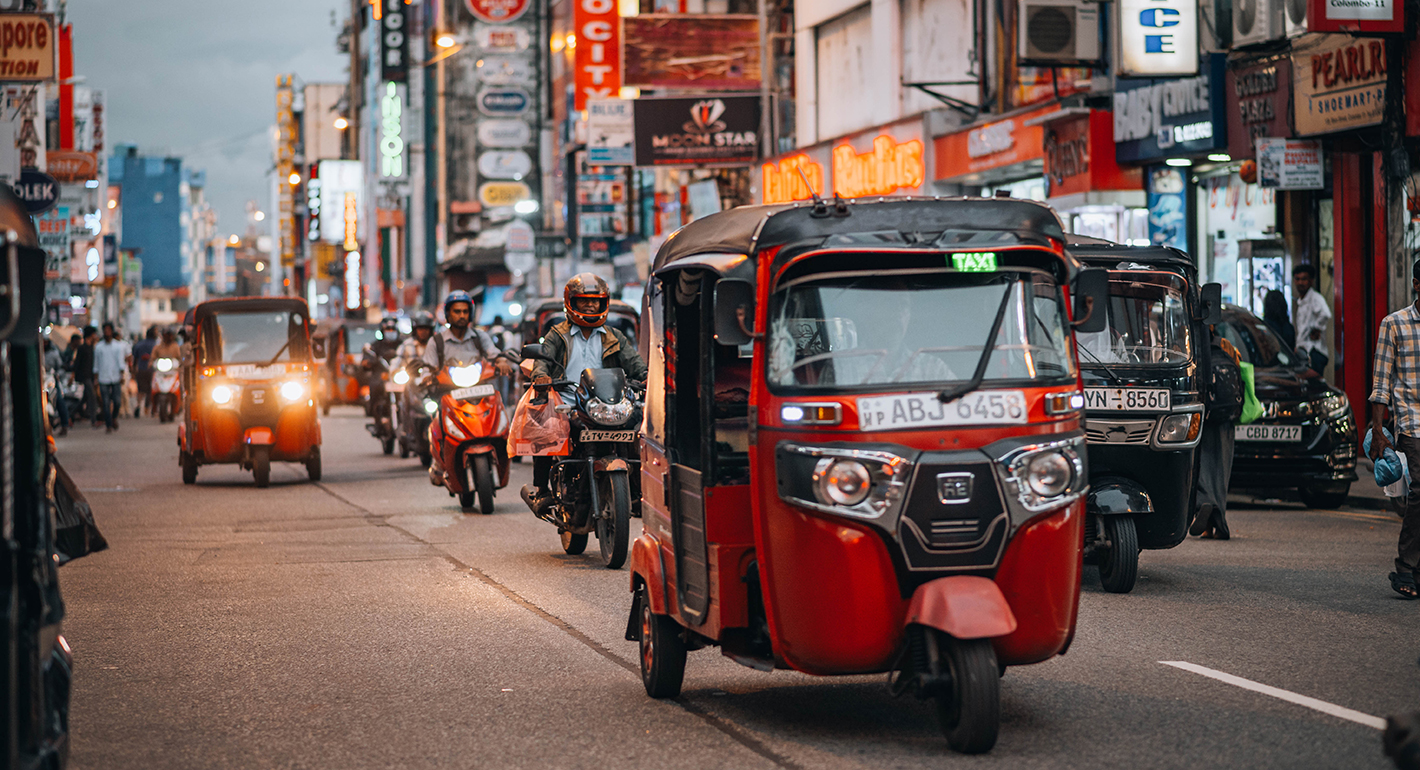
Economic recovery has brought Sri Lanka a modicum of stability, but domestic strains and great-power rivalry could test how long it lasts.
Avinash Paliwal

A deep dive into the policy ecosystems behind battery development in China, South Korea, Japan, the European Union (including some of its member states), the United States, Canada, and India.



Milo McBride, Herbert Crowther, Darcie Draudt-Véjares, …

The recent uncovering of Dmitry Donskoy’s relics in the Cathedral of the Archangel is yet another attempt by the Russian Orthodox Church to help the state solve its problems. However, parroting the state’s version of Russian history leaves the Church with no message except “patriotism.”

Alexander Zanemonets

With the growth in points of friction between the great powers, organizations like the SCO will continue to play a role in the strategic adaptation of the smaller powers caught between them.

Temur Umarov