

Commentary
Fatima El Mansouri is the country’s first female prime minister. She’s also a privileged insider in a largely ceremonial position.
Sarah Yerkes
{
  "authors": [
    "The Working Group On Egypt"
  ],
  "type": "other",
  "centerAffiliationAll": "",
  "centers": [
    "Carnegie Endowment for International Peace"
  ],
  "collections": [],
  "englishNewsletterAll": "",
  "nonEnglishNewsletterAll": "",
  "primaryCenter": "Carnegie Endowment for International Peace",
  "programAffiliation": "",
  "programs": [],
  "projects": [],
  "regions": [
    "North Africa",
    "Egypt"
  ],
  "topics": []
}
Source: Getty
The Working Group on Egypt calls on U.S. officials to condemn the August 25 ruling by a terrorism circuit court in Egypt against Bahey Eldin Hassan, one of the founders of Egypt’s human rights movement.
August 28, 2020
The Working Group on Egypt calls on U.S. officials to condemn the August 25 ruling by a terrorism circuit court in Egypt against Bahey Eldin Hassan, one of the founders of Egypt’s human rights movement.
Hassan, in exile since 2014 following death threats, was sentenced in absentia to 15 years in prison. He was convicted based on his Tweets and public statements, including at the UN Human Rights Council, criticizing the failure of the Egyptian judiciary to hold accountable those responsible for egregious rights violations. The court deemed these statements false news and insulting to the judiciary.
The ruling and harsh sentence are a gross misuse of a special court designed to prosecute terrorists to instead punish a prominent human rights defender, a first for Egypt. Rather than an isolated incident, the case constitutes a precedent-setting escalation that—if met with silence internationally—is likely to lead to further repression, not only in Egypt but in other countries as well.
While the United States treats Egyptian President Abdel Fattah al-Sisi as a partner against terrorism, in fact he abuses terrorism courts to target a prominent Egyptian who has advocated peacefully for rights and democracy since the 1980s—a true partner in the fight against extremism. Hassan has met repeatedly with U.S. political leaders from both parties and participated in major U.S. government human rights initiatives, including the 2018 Ministerial Summit on Religious Freedom.
U.S. officials have recently condemned unjust actions against human rights defenders and other peaceful critics by other governments such as Iran, China, and Venezuela—including imposing sanctions in some cases—and have correctly noted that persistent abuses ultimately fuel instability. Yet the U.S. government has failed to use the tools provided by Congress to signal to Egypt’s government, recipient of billions of taxpayer dollars in military and economic assistance, that such abuses are unacceptable and dangerous.
It is past time to make clear that the United States will not be complicit in efforts to silence voices in the global struggle to advance freedom, human rights, and democracy.
Michele Dunne (cochair)
Robert Kagan (cochair)
Reuel Gerecht
Amy Hawthorne
Neil Hicks
Thomas Hill
Sarah Margon
Stephen McInerney
Andrew Miller
Tamara Wittes
Ken Wollack
The Working Group on Egypt is a bipartisan group of foreign affairs experts formed in 2010.
The Working Group On Egypt
Carnegie does not take institutional positions on public policy issues; the views represented herein are those of the author(s) and do not necessarily reflect the views of Carnegie, its staff, or its trustees.
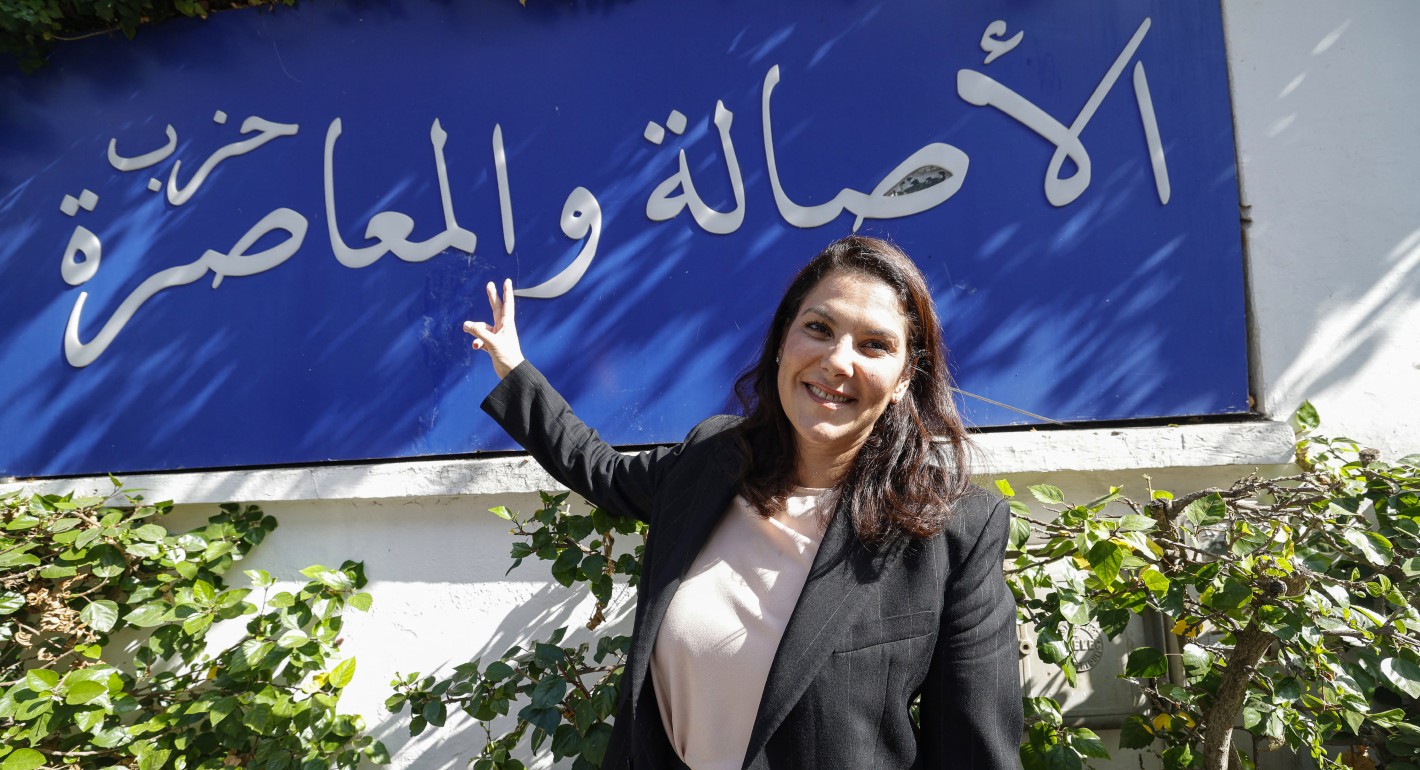
Fatima El Mansouri is the country’s first female prime minister. She’s also a privileged insider in a largely ceremonial position.

Sarah Yerkes

In Egypt’s dense cities, the disappearance of foliage has health implications and punishes daily commuters.

Angie Omar

Huawei pushed hard to enter the Egyptian data centers market, until the Americans made a better offer.
Angie Omar

Amid celebrations of bilateral ties was a deeper focus on stability in the Middle East.

Amr Hamzawy
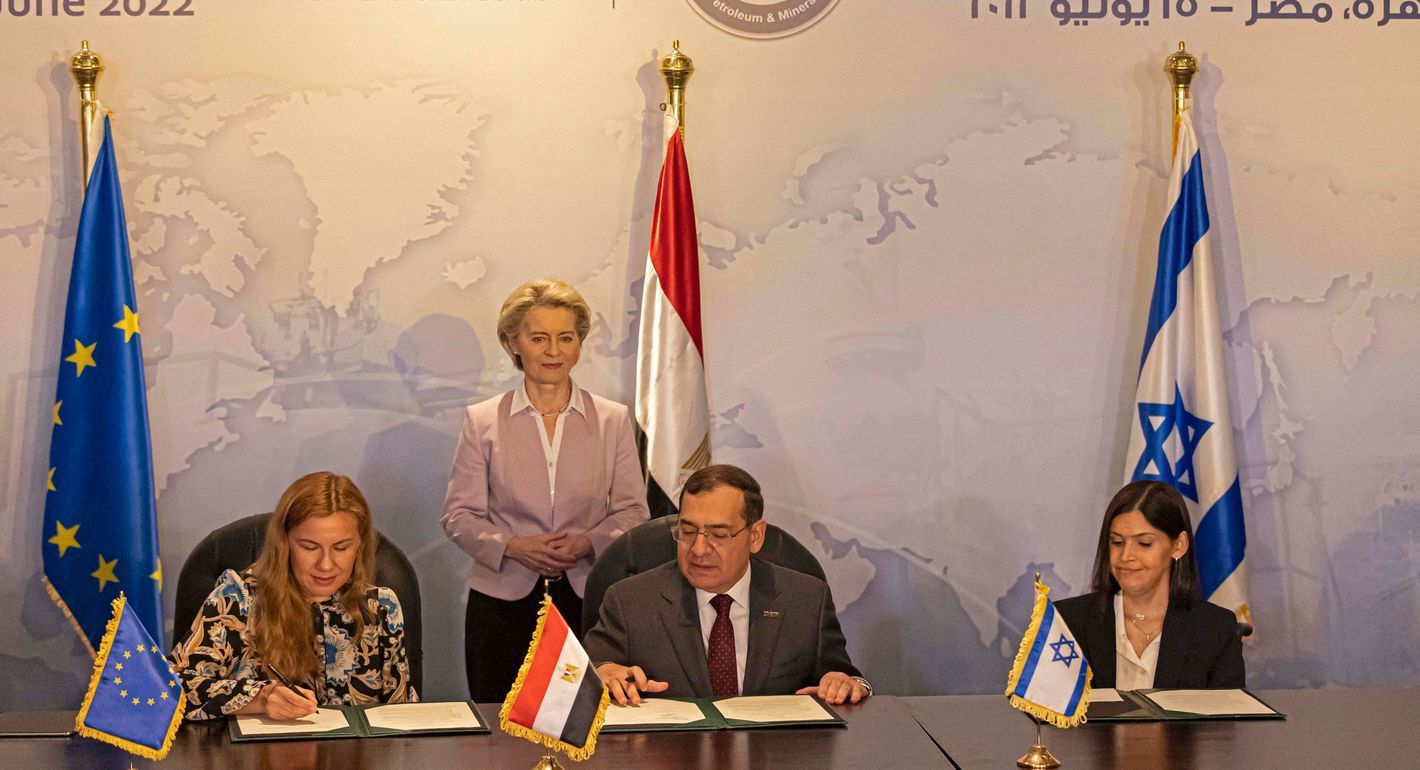
Can economic ties help contain conflict between Egypt and Israel, or do they simply postpone confrontation? Drawing on the German-Russian experience, the article examines how the gas deal creates mutual dependence, keeps channels of cooperation open, and raises the cost of conflict, without necessarily delivering lasting peace.

Nourhan Hefzy