

Paper
- +1
Christian Ruhl, Duncan B. Hollis, Wyatt Hoffman, …
{
  "authors": [
    "Duncan B. Hollis"
  ],
  "type": "legacyinthemedia",
  "centerAffiliationAll": "dc",
  "centers": [
    "Carnegie Endowment for International Peace"
  ],
  "collections": [],
  "englishNewsletterAll": "ctw",
  "nonEnglishNewsletterAll": "",
  "primaryCenter": "Carnegie Endowment for International Peace",
  "programAffiliation": "TIA",
  "programs": [
    "Technology and International Affairs"
  ],
  "projects": [],
  "regions": [
    "Iran"
  ],
  "topics": [
    "Technology"
  ]
}
REQUIRED IMAGE
In the past few months, nothing has reminded everyone of the etymology of the expression “computer virus” like ransomware. This form of malicious code is delivered through a vulnerability in the victim’s system, such as a phishing email or password spraying, infiltrating and potentially crippling it like a disease.

Nonresident Scholar, Technology and International Affairs Program
Duncan B. Hollis was a nonresident scholar at the Carnegie Endowment for International Peace and the James E. Beasley professor of law at Temple Law School, where he also serves as the associate dean for academic affairs.
Recent Work
Christian Ruhl, Duncan B. Hollis, Wyatt Hoffman, …
Carnegie does not take institutional positions on public policy issues; the views represented herein are those of the author(s) and do not necessarily reflect the views of Carnegie, its staff, or its trustees.

While there are notable demographic, economic, and geographic divides over AI, there is also substantial alignment between Republicans and Democrats.



Ian Klaus, Mark Baldassare, Rachel George, …

AI capabilities are moving fast. Most institutions—including governments—can’t keep up.


Anton Leicht, Scott Singer

The Bureau of Industry and Security needs to adjust its focus and practices to maintain its position as the U.S. government’s primary champion of international technological competition.

Geoffrey Irving
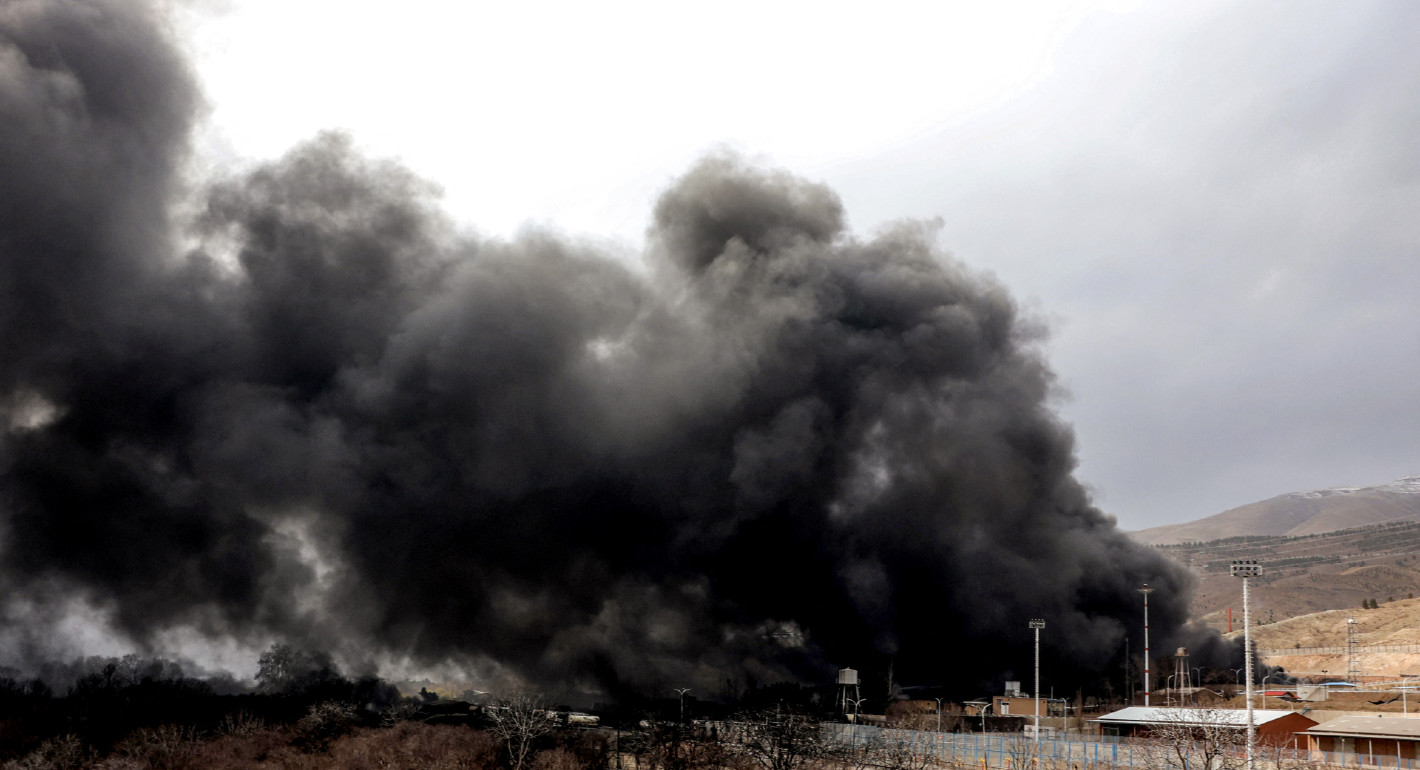
Understanding the climatic pain points is necessary for policymakers hoping to minimize the war’s negative environmental consequences.



Alejandro Martin Rodriguez, Joy Arkeh, Sarah Yerkes

Huawei pushed hard to enter the Egyptian data centers market, until the Americans made a better offer.

Angie Omar