For AI to capture the public’s policy concerns, people need to know that the models are elevating human concerns in human words, not generating their own.
Micah Weinberg
{
"authors": [
"Mariano-Florentino (Tino) Cuéllar",
"Aziz Z. Huq"
],
"type": "other",
"centerAffiliationAll": "",
"centers": [
"Carnegie Endowment for International Peace"
],
"collections": [
"Artificial Intelligence"
],
"englishNewsletterAll": "",
"nonEnglishNewsletterAll": "",
"primaryCenter": "Carnegie Endowment for International Peace",
"programAffiliation": "",
"programs": [],
"projects": [],
"regions": [],
"topics": [
"Technology"
]
}REQUIRED IMAGE
In democracies, conflicts about AI regulation will transcend technical disagreements; they will also provoke value-laden disagreements about how society regulates values and practices that may initially seem to implicate “private” decisions about speech or association that obviously shape what people value.
President, Carnegie Endowment for International Peace
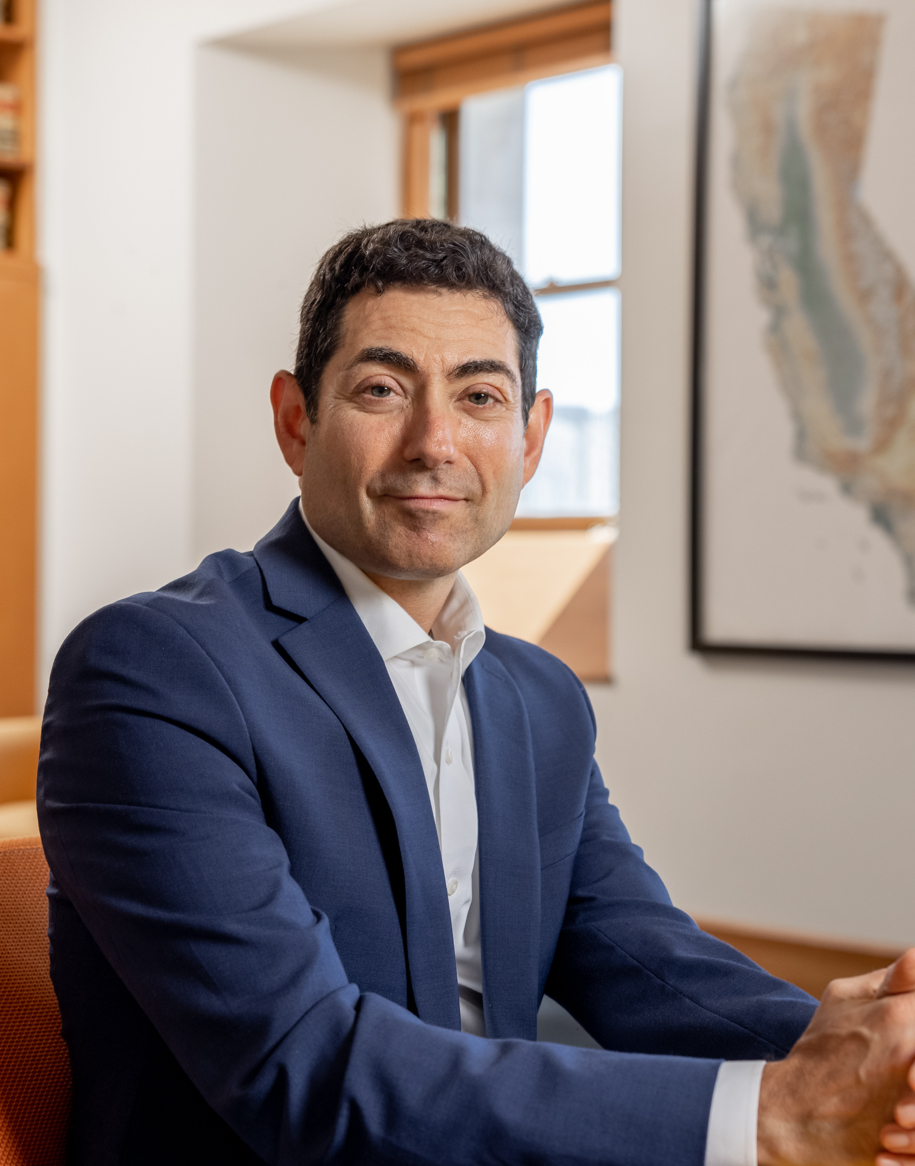
Mariano-Florentino (Tino) Cuéllar is the tenth president of the Carnegie Endowment for International Peace. A former justice of the Supreme Court of California, he has served three U.S. presidential administrations at the White House and in federal agencies, and was the Stanley Morrison Professor at Stanford University, where he held appointments in law, political science, and international affairs and led the university’s Freeman Spogli Institute for International Studies.
Aziz Z. Huq
Carnegie does not take institutional positions on public policy issues; the views represented herein are those of the author(s) and do not necessarily reflect the views of Carnegie, its staff, or its trustees.
For AI to capture the public’s policy concerns, people need to know that the models are elevating human concerns in human words, not generating their own.
Micah Weinberg
The continent needs to improve conditions for production of complete AI robotic systems and preserve its edge in hardware.
Pavlo Zvenyhorodskyi
India and the United States are close to concluding a Reciprocal Defense Procurement Agreement (RDPA) that will allow firms from the two countries to sell to each other’s defense establishments more easily. While this may not remedy the specific grievances both sides may have regarding larger bilateral issues, an RDPA could restore some momentum, following the trade deal announcement.
Konark Bhandari
The history of Telegram’s relations with the Russian state offers a salutary lesson for international platforms that believe they can reach a compromise with the Kremlin.
Maria Kolomychenko
In an effort to disseminate its preferred message, the Iranian regime is offering a simple transaction: connectivity for amplification.
Mahsa Alimardani