

Paper
While there are notable demographic, economic, and geographic divides over AI, there is also substantial alignment between Republicans and Democrats.
- +2
Ian Klaus, Mark Baldassare, Rachel George, …
{
  "authors": [
    "Benjamin Silverstein"
  ],
  "type": "legacyinthemedia",
  "centerAffiliationAll": "",
  "centers": [
    "Carnegie Endowment for International Peace"
  ],
  "collections": [],
  "englishNewsletterAll": "",
  "nonEnglishNewsletterAll": "",
  "primaryCenter": "Carnegie Endowment for International Peace",
  "programAffiliation": "",
  "programs": [],
  "projects": [],
  "regions": [],
  "topics": [
    "Technology"
  ]
}
REQUIRED IMAGE
Space needs more, not less, trust. Djibouti could, over the five years it will take to build the spaceport, accede to international agreements. Signing the Outer Space Treaty would be a strong first step.
Benjamin Silverstein
Former Research Analyst, Space Project
Benjamin Silverstein was a research analyst for the Space Project at the Carnegie Endowment for International Peace.
Carnegie does not take institutional positions on public policy issues; the views represented herein are those of the author(s) and do not necessarily reflect the views of Carnegie, its staff, or its trustees.

While there are notable demographic, economic, and geographic divides over AI, there is also substantial alignment between Republicans and Democrats.


Ian Klaus, Mark Baldassare, Rachel George, …
AI capabilities are moving fast. Most institutions—including governments—can’t keep up.

Anton Leicht, Scott Singer
The Bureau of Industry and Security needs to adjust its focus and practices to maintain its position as the U.S. government’s primary champion of international technological competition.
Geoffrey Irving

Huawei pushed hard to enter the Egyptian data centers market, until the Americans made a better offer.

Angie Omar
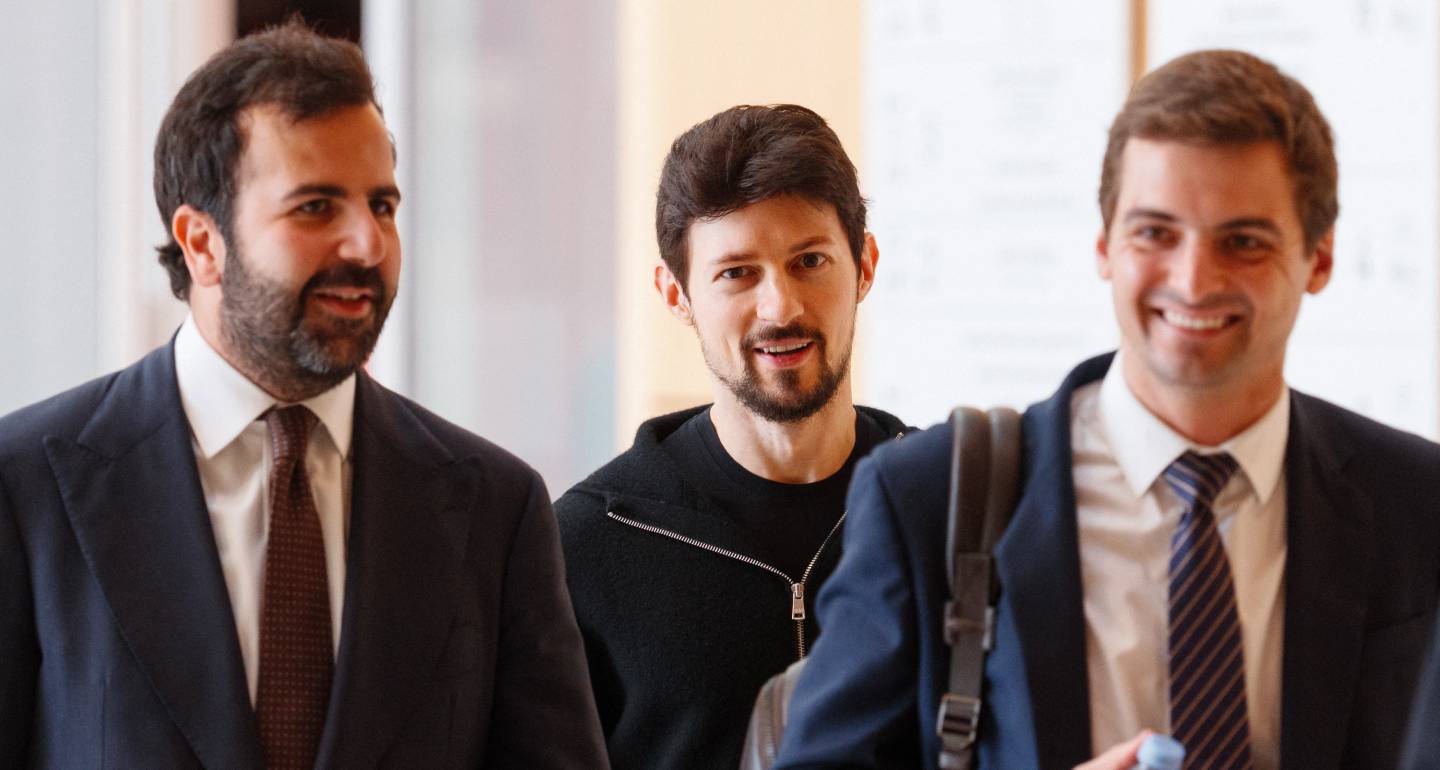
While France and Australia are seeking to establish the legal obligations of messaging apps like Telegram, Russia wants total subordination.

Maria Kolomychenko