

Commentary
The ninety-three-year-old Biya’s absence and refusal to name a vice president threaten to upend domestic and regional stability.
Lesley Anne Warner
{
  "authors": [
    "Zainab Usman",
    "Aline Abayo"
  ],
  "type": "commentary",
  "centerAffiliationAll": "dc",
  "centers": [
    "Carnegie Endowment for International Peace"
  ],
  "collections": [
    "Chart of the Month",
    "Africa’s Shifting Politics and Geopolitics"
  ],
  "englishNewsletterAll": "africa",
  "nonEnglishNewsletterAll": "",
  "primaryCenter": "Carnegie Endowment for International Peace",
  "programAffiliation": "AFP",
  "programs": [
    "Africa"
  ],
  "projects": [],
  "regions": [
    "Southern, Eastern, and Western Africa"
  ],
  "topics": []
}
Source: Getty
There appears to be a shift in African students’ higher education choices toward a variety of emerging economies and middle powers such as Türkiye, the UAE, and Malaysia, among others, beyond the former colonial powers such as Belgium, Portugal, or the U.K.
Africa is the continent with the world’s youngest and fastest-growing population: the current median age is about 19 years, and the population is projected to comprise 23 percent of the world’s labor force by 2050. As such, the task of providing quality education and opportunities for millions of young Africans is an important one. There are already dozens of higher education institutions in African countries that are catering to the rising demand from this growing population.

There is also a notable trend of African students seeking higher education abroad in countries beyond their own, either on the continent or elsewhere around the world. Between 2000 and 2022, there was a consistent increase in the number of students pursuing tertiary education (bachelor’s and advanced degrees) in countries abroad (see figure 1).
The year 2020 saw an all-time high of more than 624,271 students abroad, up by 41 percent from 441,438 in 2010 and by 122 percent from 281,522 in 2000. While a significant portion of this growth can be attributed to students studying outside of Africa, there has also been a growing trend of intra-Africa student mobility to pursue higher education. In fact, African countries such as Cameroon, Cote d’Ivoire; Ghana; Kenya; Morocco; Nigeria; Rwanda; Senegal; South Africa, which hosts over 30,500 African international students; Tanzania; and Zimbabwe have emerged as the new hot zones for many African students, as highlighted in a new 2023 report by a French government agency, Campus France.

Beyond the African continent, France is the most popular destination for Africans seeking higher education abroad. In 2020, France hosted approximately 126,000 African students (see figure 2). China comes in second with roughly 81,500 students, while the United States comes in third with approximately 48,000 African students. Other countries among the top twenty destinations for African students outside the continent include Germany, the United Kingdom, the United Arab Emirates, Canada, Türkiye, Ukraine, Saudi Arabia, Portugal, Malaysia, Russia, India, Australia, Belgium, Cuba, Brazil, Italy, and Spain. There appears to be a shift in African students’ higher education choices toward a variety of emerging economies and middle powers such as Türkiye, the UAE, and Malaysia, among others, beyond the former colonial powers such as Belgium, Portugal, or the U.K.
Investing in Africa’s future requires equipping African youth with the necessary tools and skills to effectively contribute to the economies of the twenty-first century. In an era of intensifying great power competition, the ability of Africa’s partners to meet this growing demand for higher education can position them strategically. Meeting this demand will demonstrate an interest in investing in Africa’s future, either by increasing the availability and competitiveness of local tertiary institutions on the continent or by expanding the ease of access to higher education abroad, such as through reducing visa restrictions to travel and increasing financial support to prospective students.
Former Director, Africa Program
Zainab Usman was a senior fellow and the inaugural director of the Africa Program at the Carnegie Endowment for International Peace.
Aline Abayo
Former James C. Gaither Junior Fellow, Africa Program
Aline Abayo was a James C. Gaither Junior Fellow in the Carnegie Africa Program.
Carnegie does not take institutional positions on public policy issues; the views represented herein are those of the author(s) and do not necessarily reflect the views of Carnegie, its staff, or its trustees.
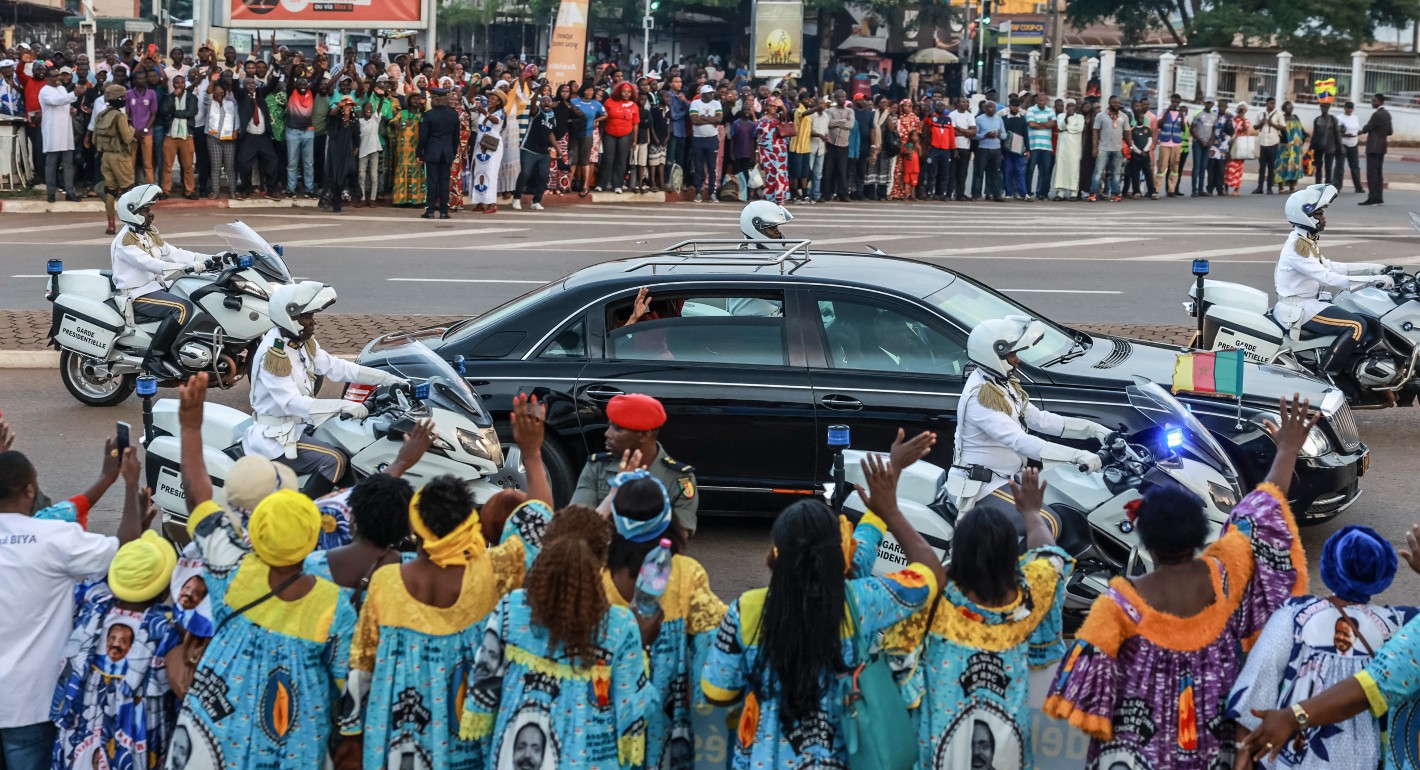
The ninety-three-year-old Biya’s absence and refusal to name a vice president threaten to upend domestic and regional stability.

Lesley Anne Warner

The conflict has sent economic and political shock waves through a country with no representation at the negotiating table—and Kenya is not alone.
Georgia Schaefer-Brown, Jane Munga

In an era of otherwise deep political division, U.S. government support for electricity infrastructure overseas remains a bright spot of consistent bipartisan consensus. This rare cross-partisan alignment should present huge opportunities for the United States to lead on advancing energy infrastructure in emerging economies.

Katie Auth
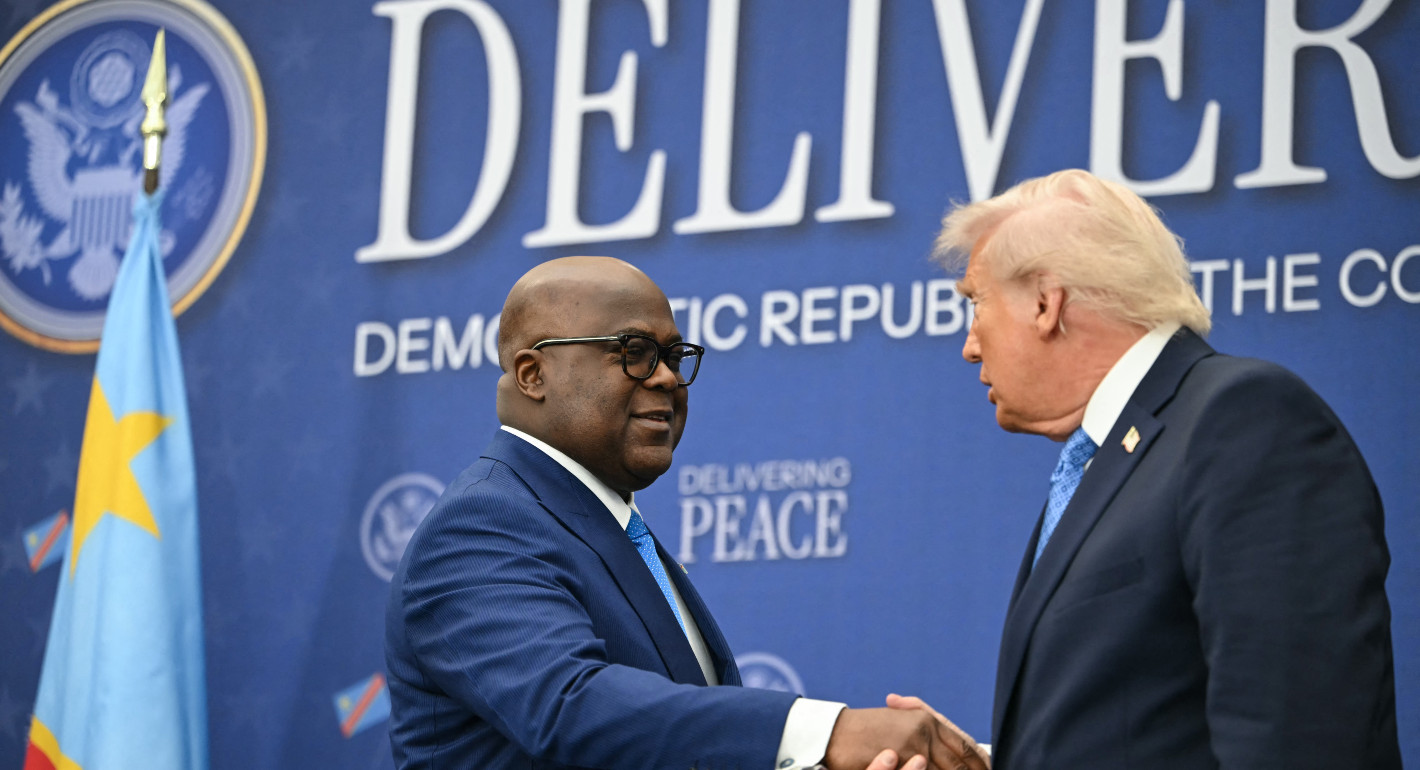
President Tshisekedi is implicating Washington in his pursuit of a third term. Staying silent may prove detrimental to the United States in the long run.

Christian-Géraud Neema

To carry out its global AI agenda, Washington will need strategic relationships with emerging markets in Africa, starting with Kenya.
Jane Munga