

Article
Economic recovery has brought Sri Lanka a modicum of stability, but domestic strains and great-power rivalry could test how long it lasts.
Avinash Paliwal

REQUIRED IMAGE
This new report prepared by Rodney Jones and recently released by the Defense Threat Reduction Agency, analyzes India's and Pakistan's nuclear force capabilities, policies, and postures, and their implications for military instability and conflict.
This new report prepared by Rodney Jones and recently released by the Defense
Threat Reduction Agency analyzes India's and Pakistan's nuclear force capabilities,
policies, and postures, and their implications for military instability and
conflict. Key findings of this study include:
Minimum Deterrence
After testing nuclear weapons in May 1998, both India and Pakistan embraced
the language of "minimum deterrence." "Minimum" rapidly became a fixture of
their public nuclear discourse. But neither India nor Pakistan clarified what
"minimum" means. Does it imply the sufficiency of small numbers of nuclear weapons?
Nuclear weapons held in reserve? Low readiness or alert rates of a nuclear force?
Renunciation of nuclear war fighting? Mainly counter-value targeting?
How Big Are Each Side's Nuclear Inventories?
How many operational weapons each side has is not known exactly. Analysis
suggests that India has had a significant lead over Pakistan in "nuclear weapon
equivalents" (NWEs) from weapons-grade nuclear material stockpiles. India is
estimated to have had more than 100 NWEs from its weapons-dedicated facilities
by 2000 -- at least twice and perhaps three times as many as Pakistan. Pakistan's
annual rate of production of new NWEs from dedicated facilities increased in
1999, however, and now may approximate India's current rate.
Conventional Military Imbalance Accentuates Risk of Reliance on Nuclear
Weapons
Nuclear war risks in South Asia are significant and not to be taken lightly.
A potential for nuclear crisis instability is inherent in the conventional military
imbalance between Pakistan and India. India's steadily growing conventional
military superiority over Pakistan means that Pakistan could be driven to use
nuclear weapons during a conventional conflict with India. Pakistan's posture
which preserves a nuclear first-use option by default, reflects military and
geographic asymmetries.
Nuclear Delivery Systems
India and Pakistan both have nuclear-capable aircraft that could be put
on alert and used for nuclear delivery on short notice. Both have also acquired
ballistic missile delivery systems. The nuclear combat readiness of the missiles
is not entirely clear but each side seems intent on making the missiles combat
capable.
Nuclear Strategy and Doctrine
As of October 2001, Pakistan had no officially stated strategic or tactical
nuclear doctrines. But technical considerations and writings by experts suggest
that its core nuclear strategy is to hold Indian cities hostage by countervalue
targeting, against a conventional Indian invasion or preemptive air attack that
could threaten Pakistan's defenses with collapse.
India also declined to publicly elaborate nuclear policy and doctrine beyond claiming a second-strike retaliatory posture. But India's National Security Advisory Board (NSAB) recommended in August 1999 that India rely on a posture of credible minimum deterrence -- a much more demanding criterion than "minimum deterrence" by itself. NSAB also urged India to build a triad of air-, ground-, and sea-based nuclear delivery systems. If India's nuclear strategy and forces evolve along such ambitious lines, common sense says this would not be a "minimum deterrence" posture.
Nuclear Command and Control
On nuclear command and control, Pakistan and India have followed different paths.
In 1999, Pakistan set up a national command authority for nuclear decisions,
and established a chain of joint-service planning and command within the military.
India is believed to have left the formation of a formal nuclear command and
control system in abeyance, and custody of nuclear weapons evidently stayed
in the hands of the nuclear scientists.
Crisis Management
Kargil was the first unambiguous episode of crisis management between India
and Pakistan as nuclear-armed rivals. It may have sobered those who had assumed
India's "minimum nuclear deterrent" would thwart any Pakistani risk-taking.
Kargil showed that there is a high risk of nuclear conflict in the subcontinent.
The outcome of Kargil, however, may have encouraged emergence of a Pakistani
view that the nuclear deterrent is an instrument only of last resort.
Additional Resources:
Click here
to Return to Proliferation News and Resources
Carnegie does not take institutional positions on public policy issues; the views represented herein are those of the author(s) and do not necessarily reflect the views of Carnegie, its staff, or its trustees.

Economic recovery has brought Sri Lanka a modicum of stability, but domestic strains and great-power rivalry could test how long it lasts.

Avinash Paliwal
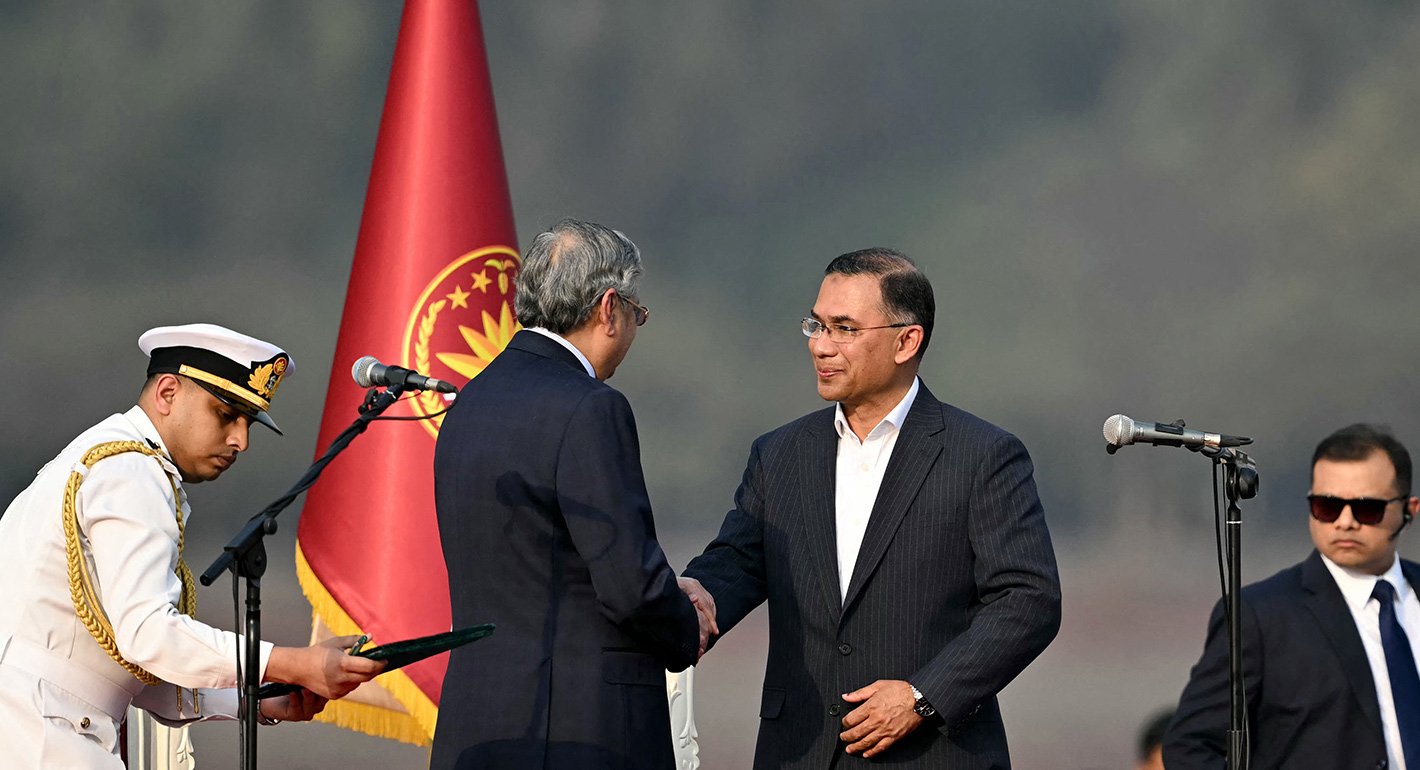
Bangladesh’s February 2026 elections were the most credible in nearly two decades. But within weeks of the BNP’s return to power, the fundamental characteristics of the country’s political economy threaten to pull it back toward continuity rather than change.
Avinash Paliwal
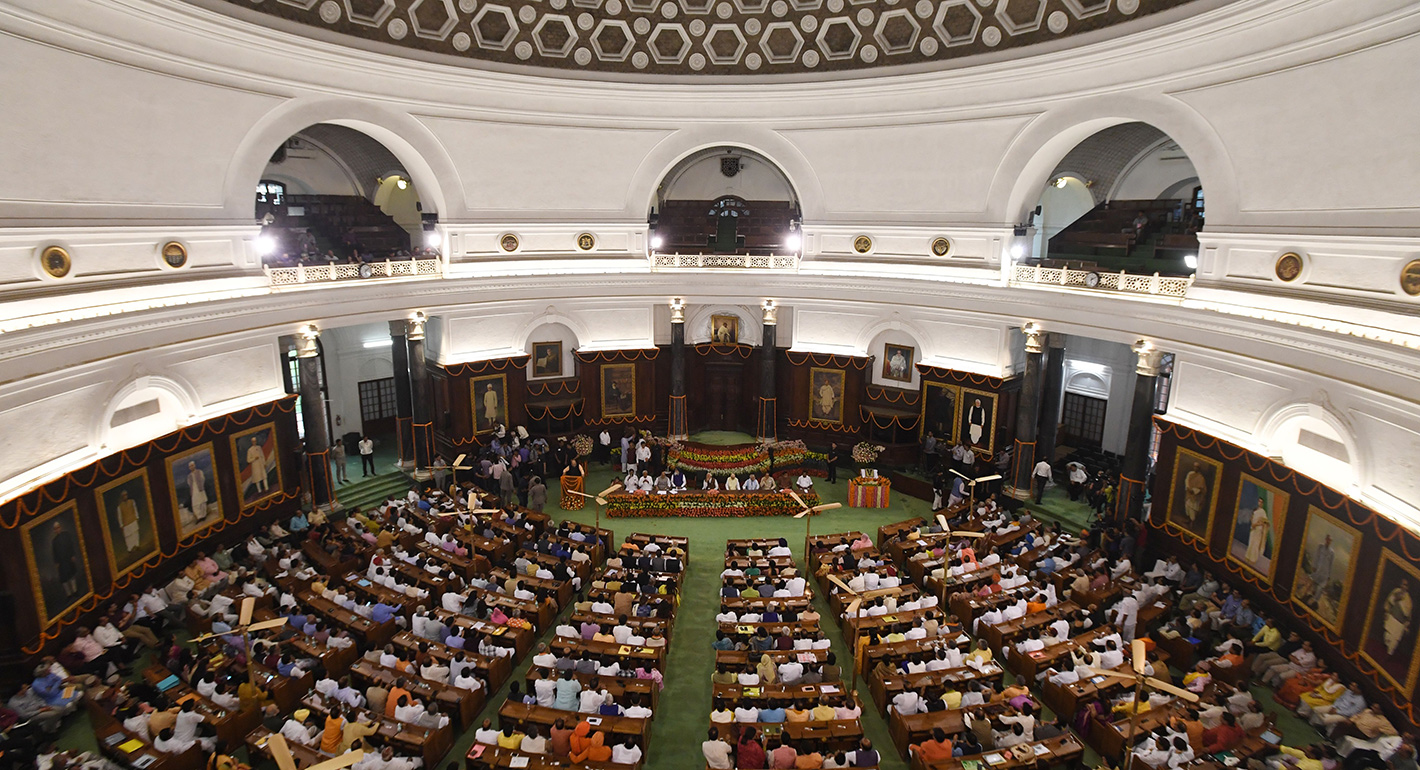
The battle over representation and regional power has been delayed—not resolved—and will shape the future of India’s federal balance.



Louise Tillin, Milan Vaishnav, Andy Robaina
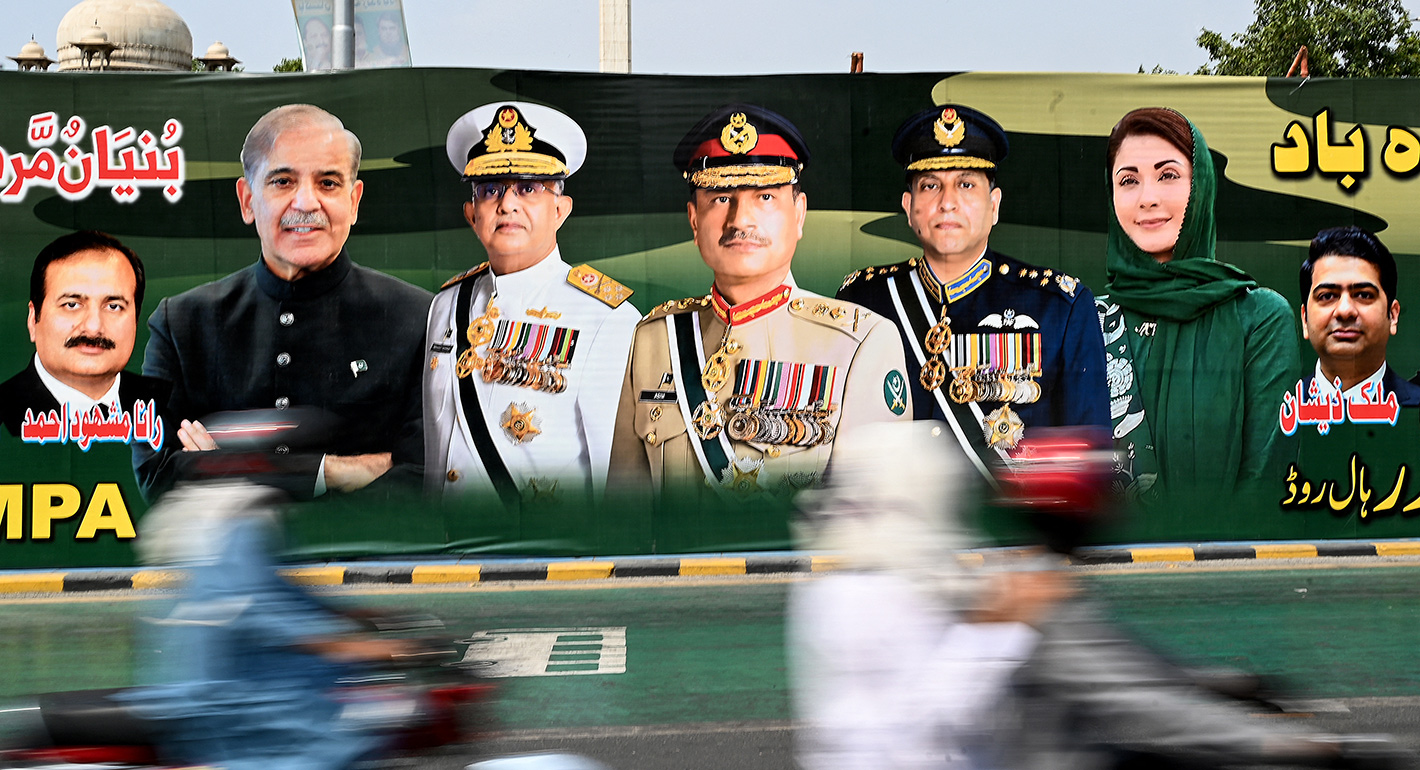
The regime bets that international legitimacy can be translated into domestic stability. But that depends upon whether it can leverage international goodwill to manage grievances and the economy at home.

Zoha Waseem, Yasser Kureshi

India’s demographic transition is underway, but its economic payoff remains far from guaranteed.

Apoorva Jadhav