

Commentary
Over the past decade, China has moved from marginal player to major producer of all things batteries. The United States, Europe, and others are aiming to balance the market.
Milo McBride
Source: Getty
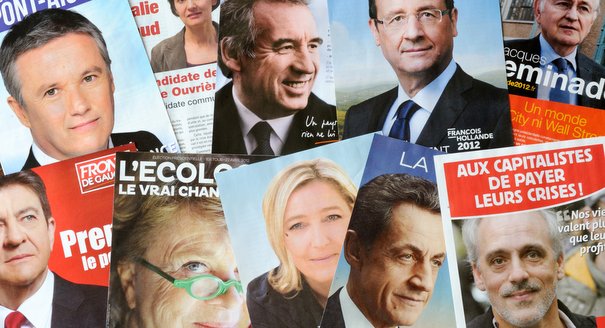
For those who like politics to be a substantive debate of real issues rather than noise and maneuvering, the French presidential election campaign has been a dull one indeed.
Daniel Cohn-Bendit, the maverick Green Party leader in the European Parliament, has once again summed up the feelings of many. The French electoral campaign is boring, so why not put an end to it, vote, and be done with it, he quipped. His outburst transmits an unease widely felt as observers try to distill a coherent five-year government program from the electioneering effort of the two main candidates, the Socialist François Hollande and the center-right Nicolas Sarkozy.
The task is not an easy one. Hollande, the likely victor if the opinion polls are to be believed, has done grievous bodily harm to his former incarnation as an amiable center-left politician with a penchant for rich desserts and mildly ironic jokes. The new firebrand Hollande sports a leaner waistline and a meaner rhetoric, threatening among other things to soak the rich with a marginal tax rate of 75 percent.
Yet those who know Hollande predict that the candidate, once elected, would soon enough find his way back to more familiar centrist territory—and Hollande himself has been busy emitting signals to that effect. The most recent and perhaps most striking one came in an interview with the French glossy magazine Paris Match. Asked to name four political leaders he finds particularly inspirational, François Hollande predictably mentioned Nelson Mandela, Lula, and Barack Obama—and then added Angela Merkel’s erstwhile political mentor, Germany’s reunification chancellor, Helmut Kohl, to this pantheon. A Socialist French presidential candidate singling out one of the grandees of German center-right politics as his one European hero—it can’t get much clearer than that, n’est ce pas?
A reality gap has opened up between Hollande the candidate and Hollande the likely president, the former quite clearly positioned to the left of the latter. Hollande has also been fairly coy about many issues he is likely going to have to deal with if elected, such as the further strengthening of the European Union’s and the eurozone’s common institutional framework. But Hollande’s partial refusal to engage with difficult aspects of France’s and Europe’s reality pales in comparison with the gyrations of the electoral campaign of his main opponent. Those in search of a coherent policy framework should hurry on their way. There is none to be found in Nicolas Sarkozy’s frantic campaign effort.
The French president-candidate has offered the public a breathtaking succession of political vignettes, starting with Sarkozy the reform-minded admirer of Angela Merkel in general and of Germany’s downsizing of the welfare state in particular. As that failed to energize the electorate, in came Sarkozy the Brussels-bashing firebrand, flirting, as his opponents charged, with rhetoric quite close to that usually used by the Far Right. Sarkozy the statesman then fittingly reappeared after the murderous jihadist attacks on Muslim French soldiers and Jewish schoolchildren—but the statesman was only a brief guest in his own campaign.
A mere week before the first round of the presidential election, Sarkozy, purloining a theme from his main opponent, surprised and irritated many European partners. Breaking an important Franco-German government pact to refrain from public criticism of the European Central Bank (ECB), Sarkozy launched an unexpected attack on the ECB’s allegedly insufficient support for growth in Europe—a rather transparent attempt to steal a bit of Hollande’s thunder by copying some of his economic argument.
With a president-in-waiting putting on what many suspect is something of a political act and a president in office seemingly conducting much of his campaign to the tune of “anything goes,” it is a small wonder that it is difficult these days to find Frenchmen who evince much enthusiasm about the looming reshuffling of France’s political landscape. An analytically and politically honest, comprehensive engagement with the issues at hand in France and Europe has been the missing link in the chain of political utterances. For those who like politics to be a substantive debate of real issues rather than noise and maneuvering, the campaign, to use the words of the man who used to be Danny le Rouge, has been a dull one indeed.
None of this means that France will be particularly poorly governed once the victor has crossed the threshold of the Elysée and appointed his team. But none of the leading candidates have staged the sort of campaign that will easily translate into a popular mandate for the kind of government France needs for the next five years: meaning one that reforms the country’s sclerotic labor market, gets serious about healthcare reform, and adapts schools and universities to the changing social fabric.
Both main contenders’ decision to let reality hover in the wings means that reality will come bursting on the scene with all the pent-up energy of a player who has been kept waiting too long. Whether Hollande or Sarkozy comes out top on May 6, the new French president and France with him will pay a price for the campaign he waged.
Thomas Klau is the head of the European Council on Foreign Relations in Paris.
Thomas Klau
European Council on Foreign Relations
Carnegie does not take institutional positions on public policy issues; the views represented herein are those of the author(s) and do not necessarily reflect the views of Carnegie, its staff, or its trustees.
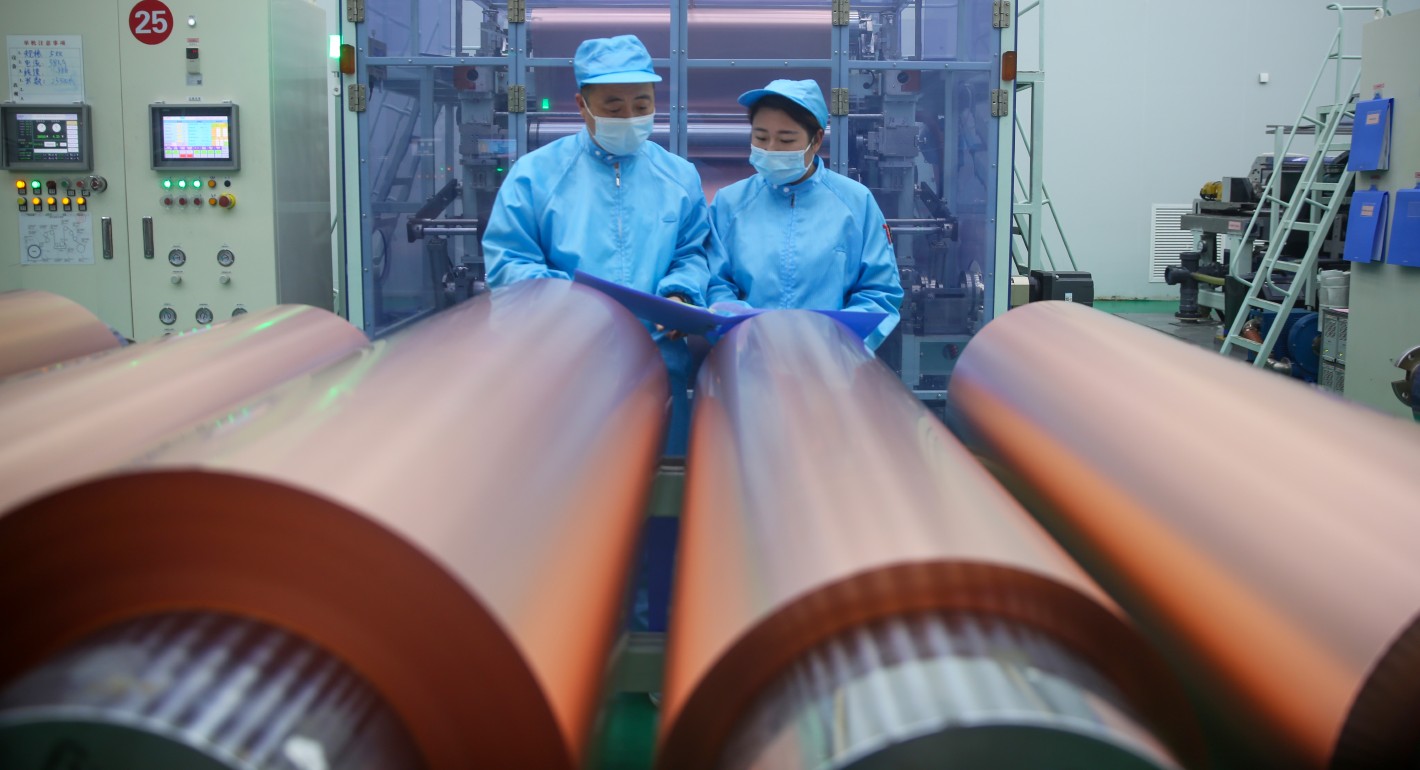
Over the past decade, China has moved from marginal player to major producer of all things batteries. The United States, Europe, and others are aiming to balance the market.

Milo McBride
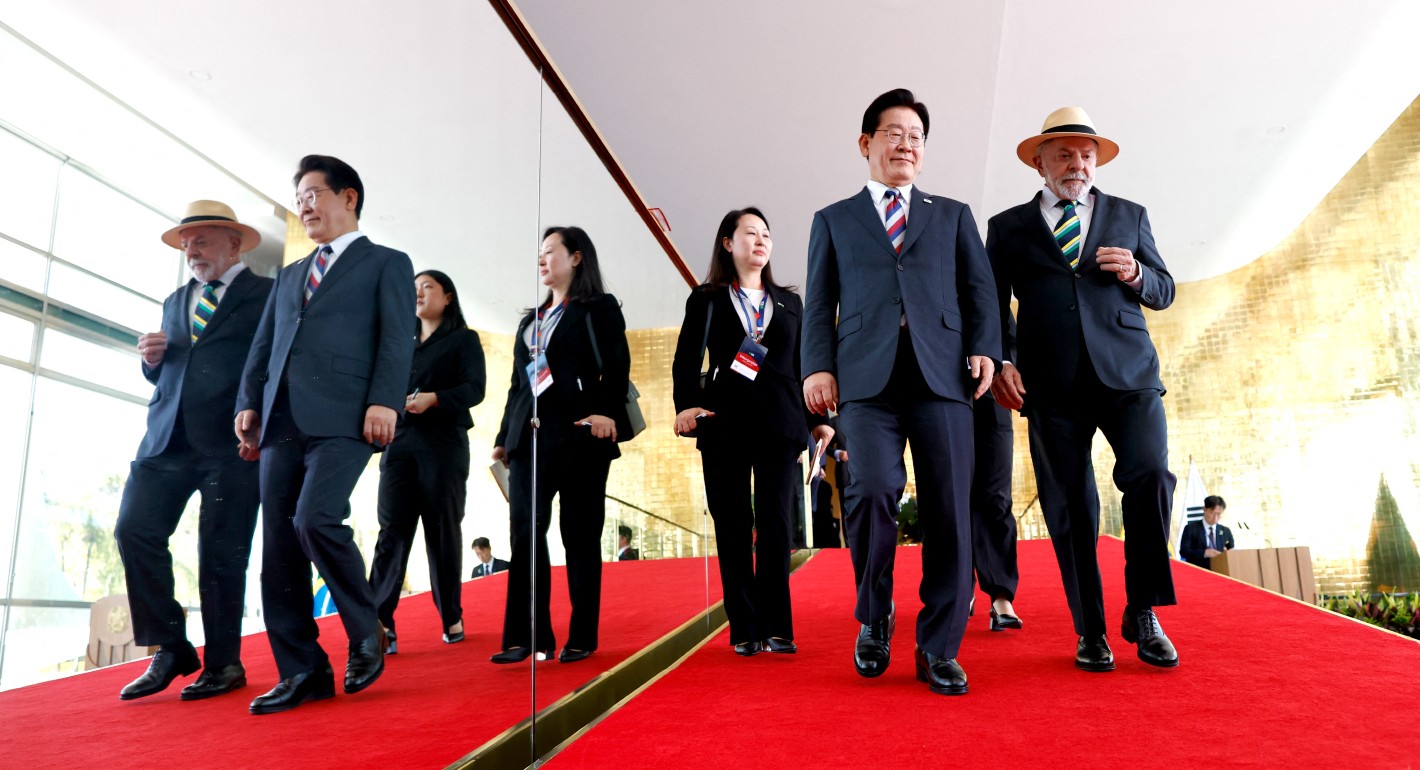
Lee’s tour shows how Seoul is reorganizing its diplomacy away from Pyongyang and toward industrial networks and the geography of the compute economy.

Darcie Draudt-Véjares
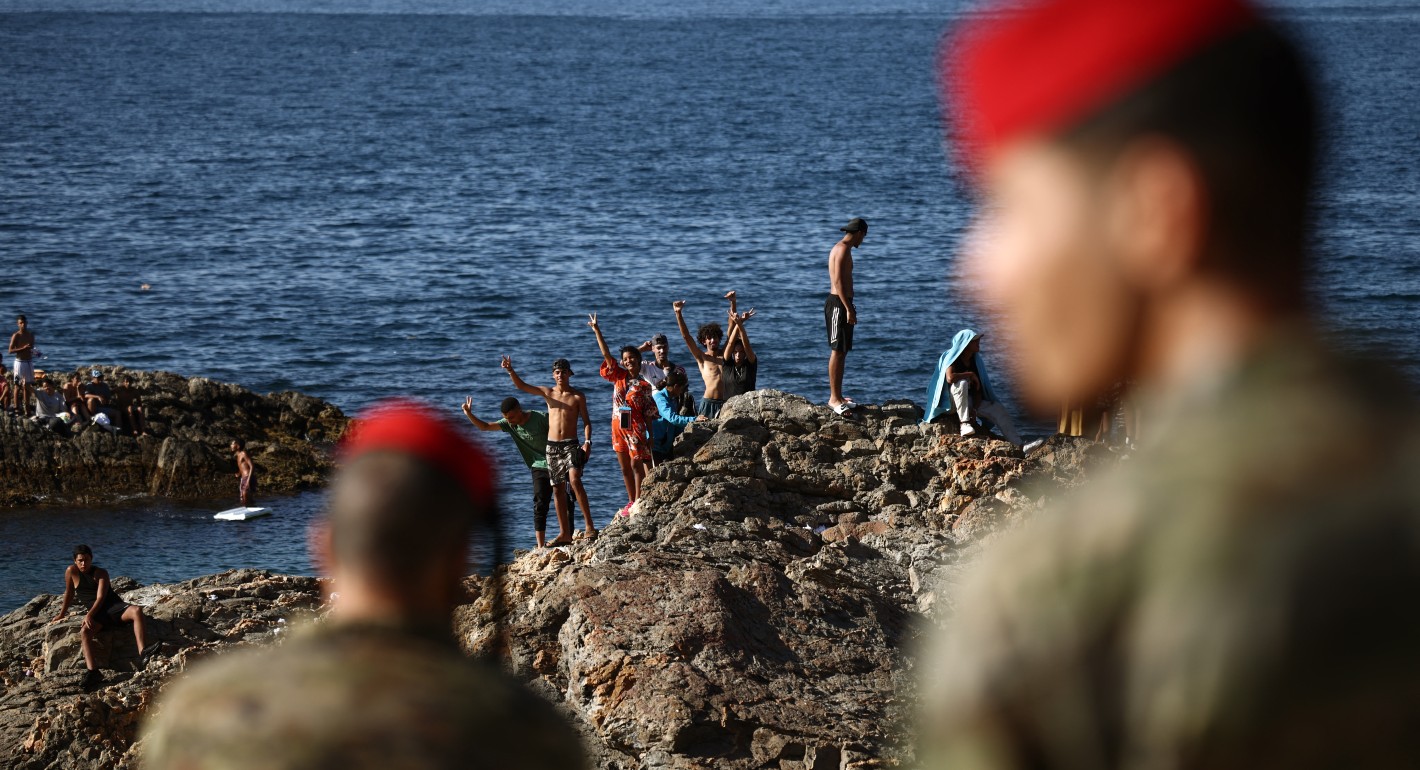
Most migrants may have left Ceuta, but the effects may linger.


Alejandro Martin Rodriguez, Sarah Yerkes
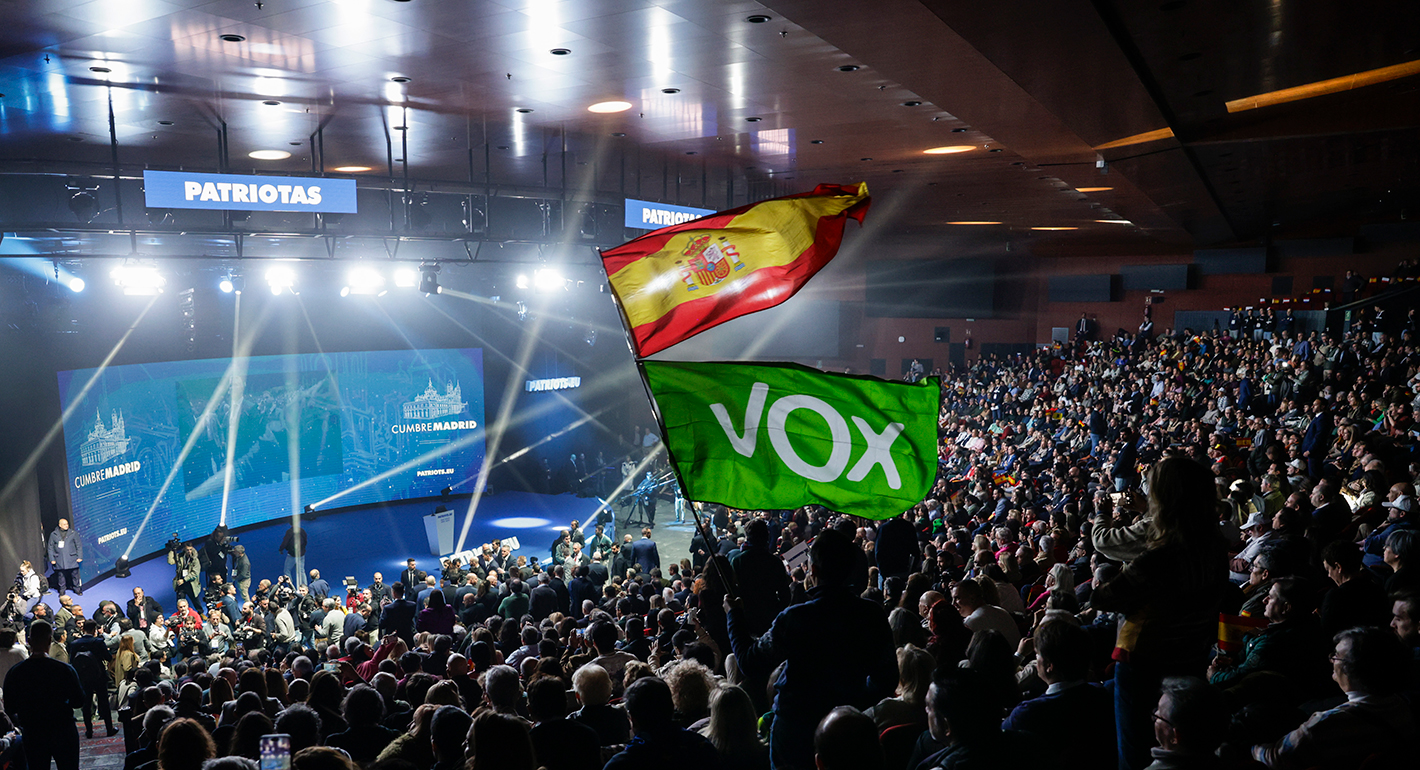
There is a transnational far-right populist movement that links middle powers in a global movement that extends well beyond Trump.

Christopher S. Chivvis, Rohan Mukherjee, Milan Vaishnav

When faced with fuel shortages in the past, Central Asian governments could always count on additional supplies from Moscow. That safety net no longer exists.

Galiya Ibragimova