

Article
Monitoring is essential so that policymakers and the public can understand—and have a say in—how AI systems affect politics.
Danaé Metaxa , Alex Engler

Political philosophy’s central task is to help people determine how to live together. But social relations are now infused with, sometimes even constituted by, computational systems.

Nonresident Scholar, Technology and International Affairs Program
Seth Lazar is a nonresident scholar in the Carnegie Technology and International Affairs Program.
Carnegie does not take institutional positions on public policy issues; the views represented herein are those of the author(s) and do not necessarily reflect the views of Carnegie, its staff, or its trustees.

Monitoring is essential so that policymakers and the public can understand—and have a say in—how AI systems affect politics.


Danaé Metaxa , Alex Engler

Chinese biotech companies have been on the receiving end of U.S. economic coercion. Yet their responses have differed significantly because firm and state interests are not uniformly aligned. For Washington, treating all Chinese tech firms the same, irrespective of their actual interests, risks pushing them farther into Beijing’s corner.

Xue Gong
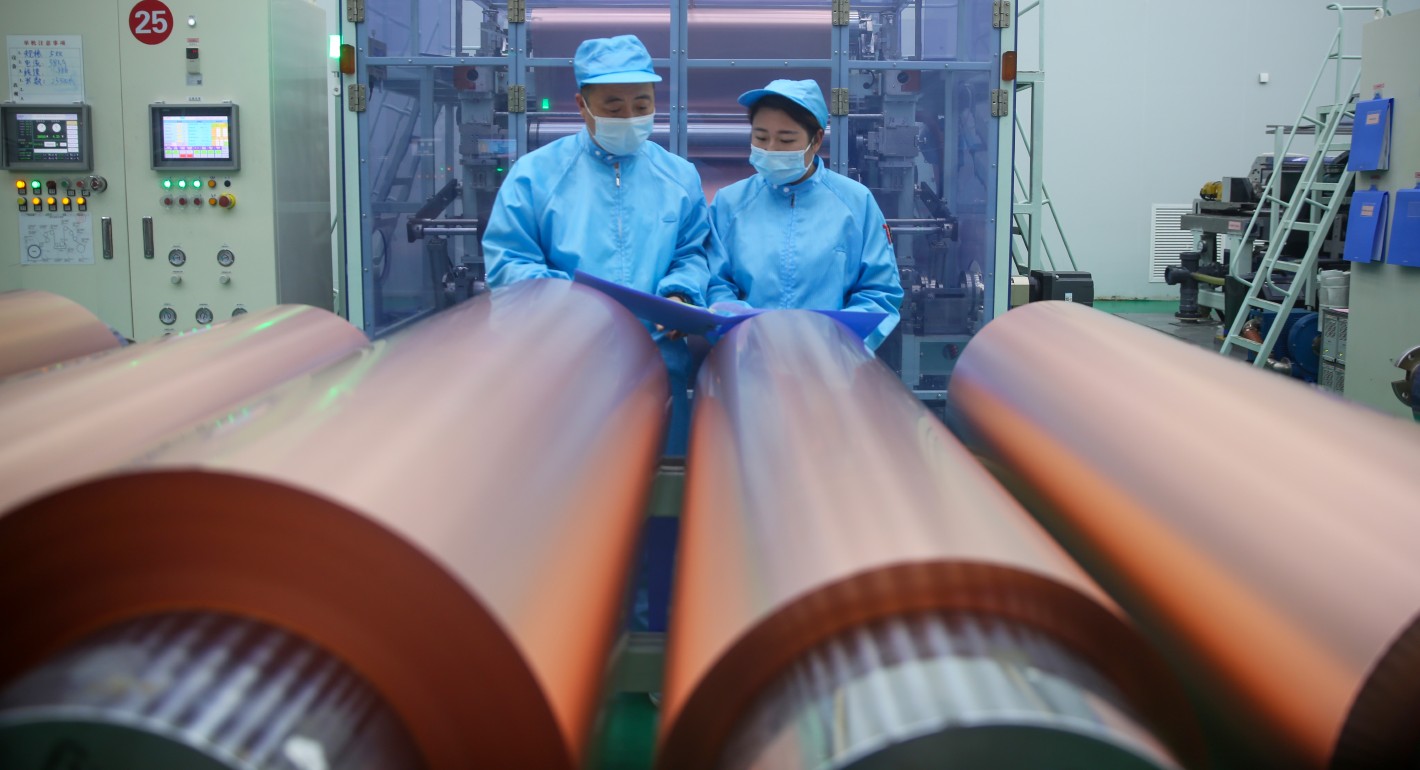
Over the past decade, China has moved from marginal player to major producer of all things batteries. The United States, Europe, and others are aiming to balance the market.

Milo McBride
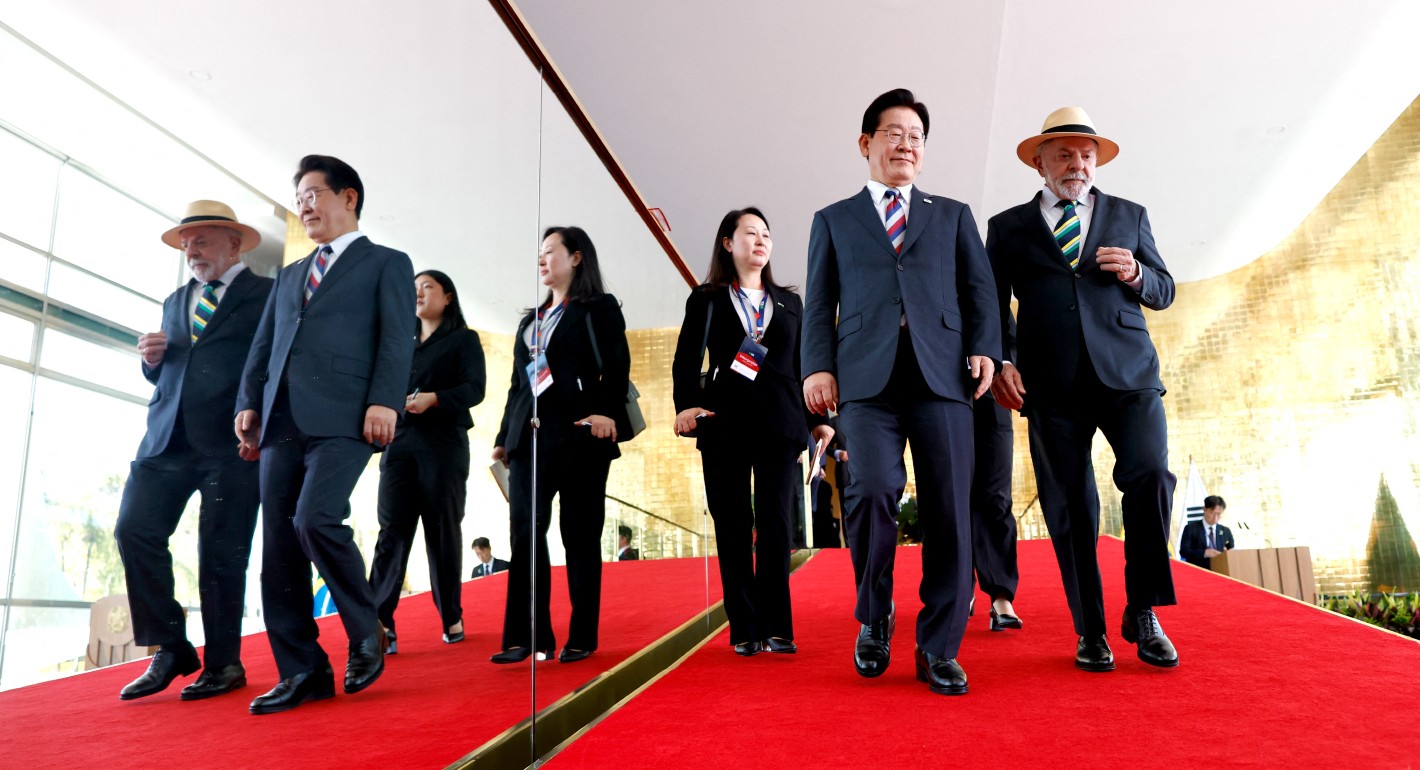
Lee’s tour shows how Seoul is reorganizing its diplomacy away from Pyongyang and toward industrial networks and the geography of the compute economy.

Darcie Draudt-Véjares
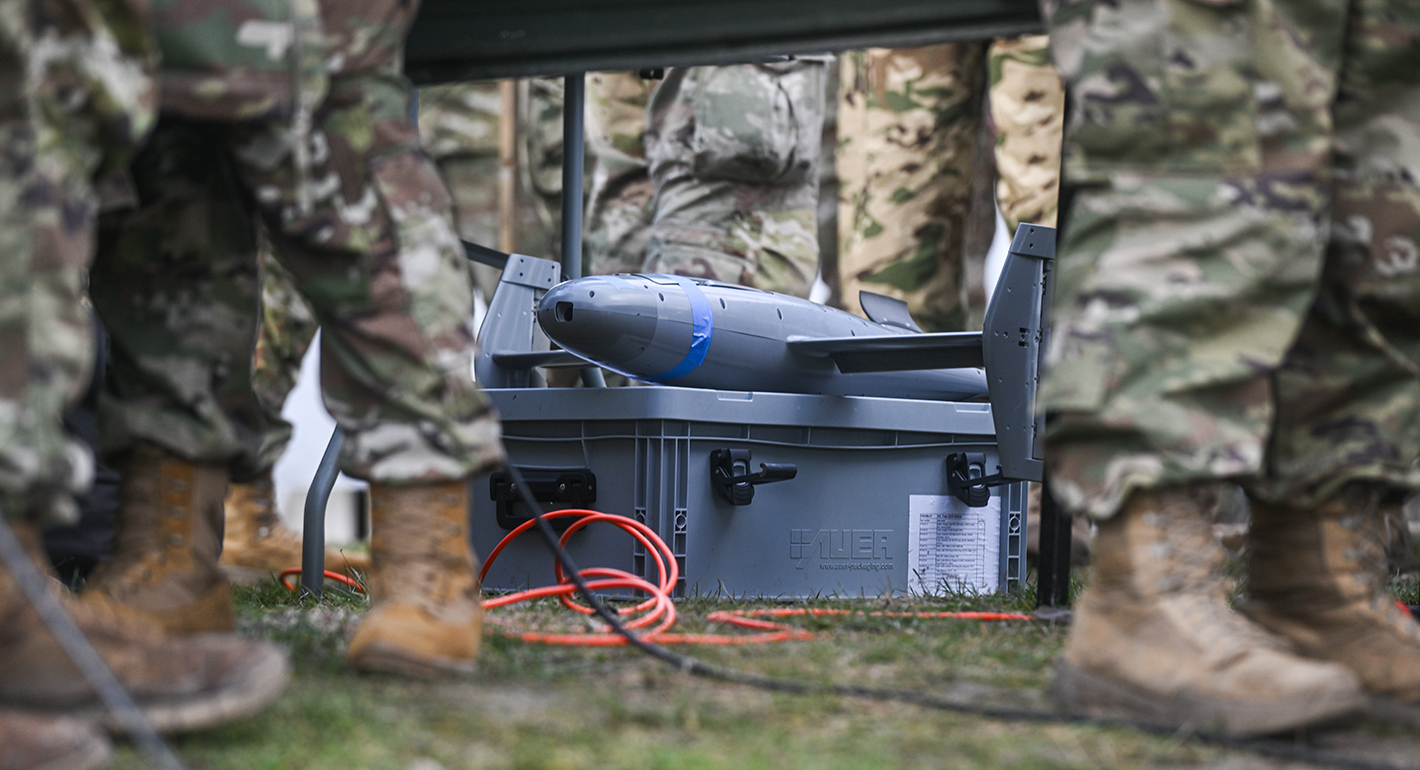
The Pentagon is calling for a rapid AI transformation. Autonomous drones offer a case study in the eight bottlenecks the U.S. military must navigate to realize that vision.
Jake Steckler