• Research
  • Emissary
  • About
  • Experts
Carnegie Global logoCarnegie lettermark logo
DemocracyIran
  • Donate
Subsea Communication Cables: Lessons from the Past
Research

Subsea Communication Cables: Lessons from the Past

Today, as Southeast Asia weighs its place in the expanding network of subsea fibre optic cables worldwide for the next few decades, it should recall its central role in linking the world two hundred years ago at the expense of its agency, independence, and sovereignty.

Link Copied
By Elina Noor
Published on Nov 25, 2025
Program mobile hero image

Program

Asia

The Asia Program in Washington studies disruptive security, governance, and technological risks that threaten peace, growth, and opportunity in the Asia-Pacific region, including a focus on China, Japan, and the Korean peninsula.

Learn More
Read the Publication

About the Author

Elina Noor

Nonresident Scholar, Asia Program

Elina Noor is a nonresident scholar in the Asia Program at Carnegie where she focuses on developments in Southeast Asia, particularly the impact and implications of technology in reshaping power dynamics, governance, and nation-building in the region.

    Recent Work

  • Commentary
    Malaysia’s Year as ASEAN Chair: Managing Disorder

      Elina Noor

  • Commentary
    When It Comes to Superpower Geopolitics, Malaysia Is Staunchly Nonpartisan

      Elina Noor

Elina Noor
Nonresident Scholar, Asia Program
Elina Noor
Southeast AsiaAsiaTechnology

Carnegie does not take institutional positions on public policy issues; the views represented herein are those of the author(s) and do not necessarily reflect the views of Carnegie, its staff, or its trustees.
More Work from Carnegie Endowment for International Peace

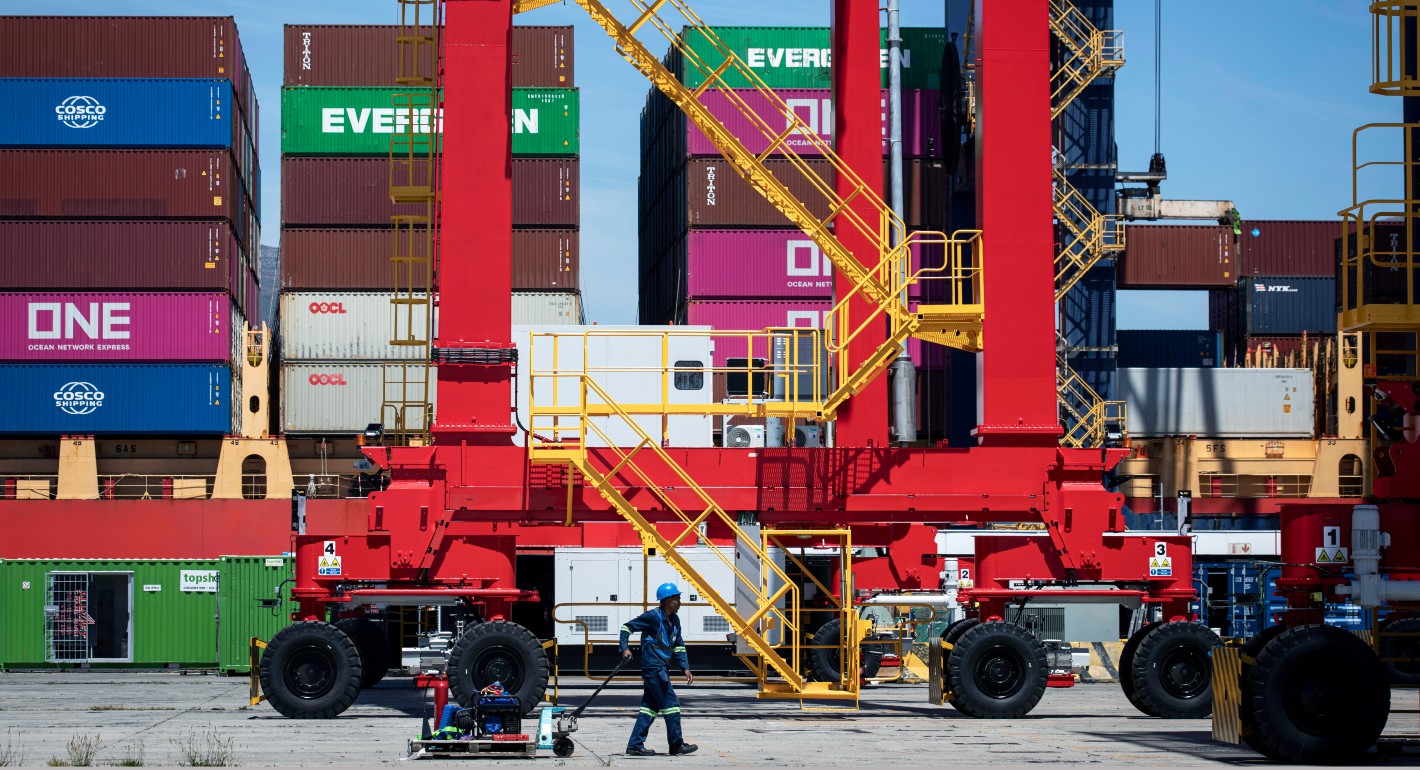
  • A Black man pulls a trolley. He is small in the bottom center of the frame; in the background are stacks of large, colorful shipping containers and the parts of a large crane or similar piece of equipment.
    Article
    Africa’s Global Economic Edge: Advancing Strategic Sectors

    In key sectors such as critical minerals, specialty agriculture, and fintech, Africa can become a global powerhouse by investing more in manufacturing, value-add, and scaling.
      • Kholofelo Kugler

      Kholofelo Kugler, Georgia Schaefer-Brown
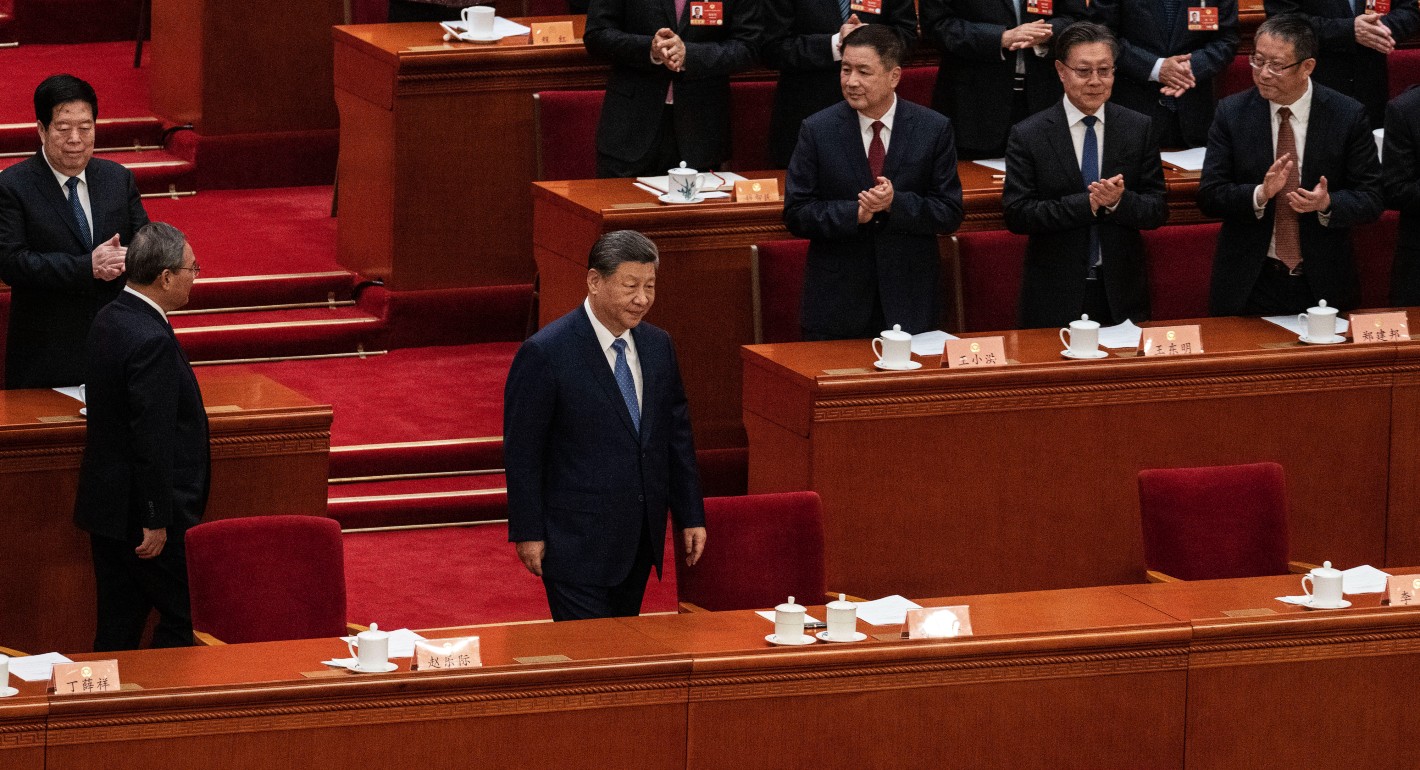
  • Xi walking into a room with people standing and applauding around him
    Commentary
    Emissary
    The Xi Doctrine Zeros in on “High-Quality Development” for China’s Economic Future

    In the latest Five-Year Plan, the Chinese president cements the shift to an innovation-driven economy over a consumption-driven one.

      • Damien Ma

      Damien Ma

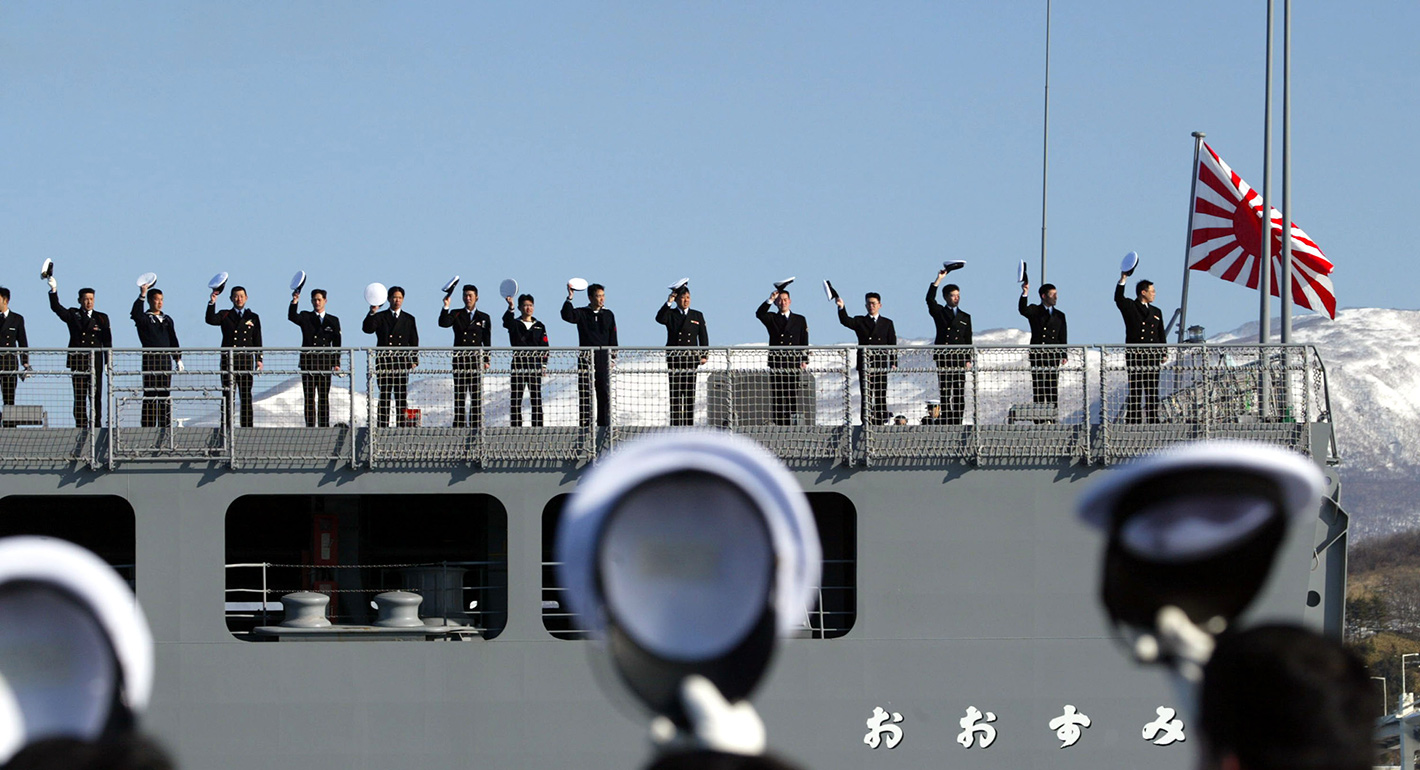
  • apan's 8,900-ton Maritime Self-Defense Force supply ship Oosumi leaves Muroran port escorted by the 4,550-ton destroyer Murasame bound for Kuwait February 20, 2004 in Muroran, Japan.
    Article
    Japan’s Security Policy Is Still Caught Between the Alliance and Domestic Reality

    Japan’s response to U.S. pressure over Hormuz highlights a broader dilemma: How to preserve the alliance while remaining bound by legal limits, public opinion, and an Asia-centered security agenda. Tokyo gained diplomatic space through an alliance-embracing strategy, but only under conditions that may not endure.
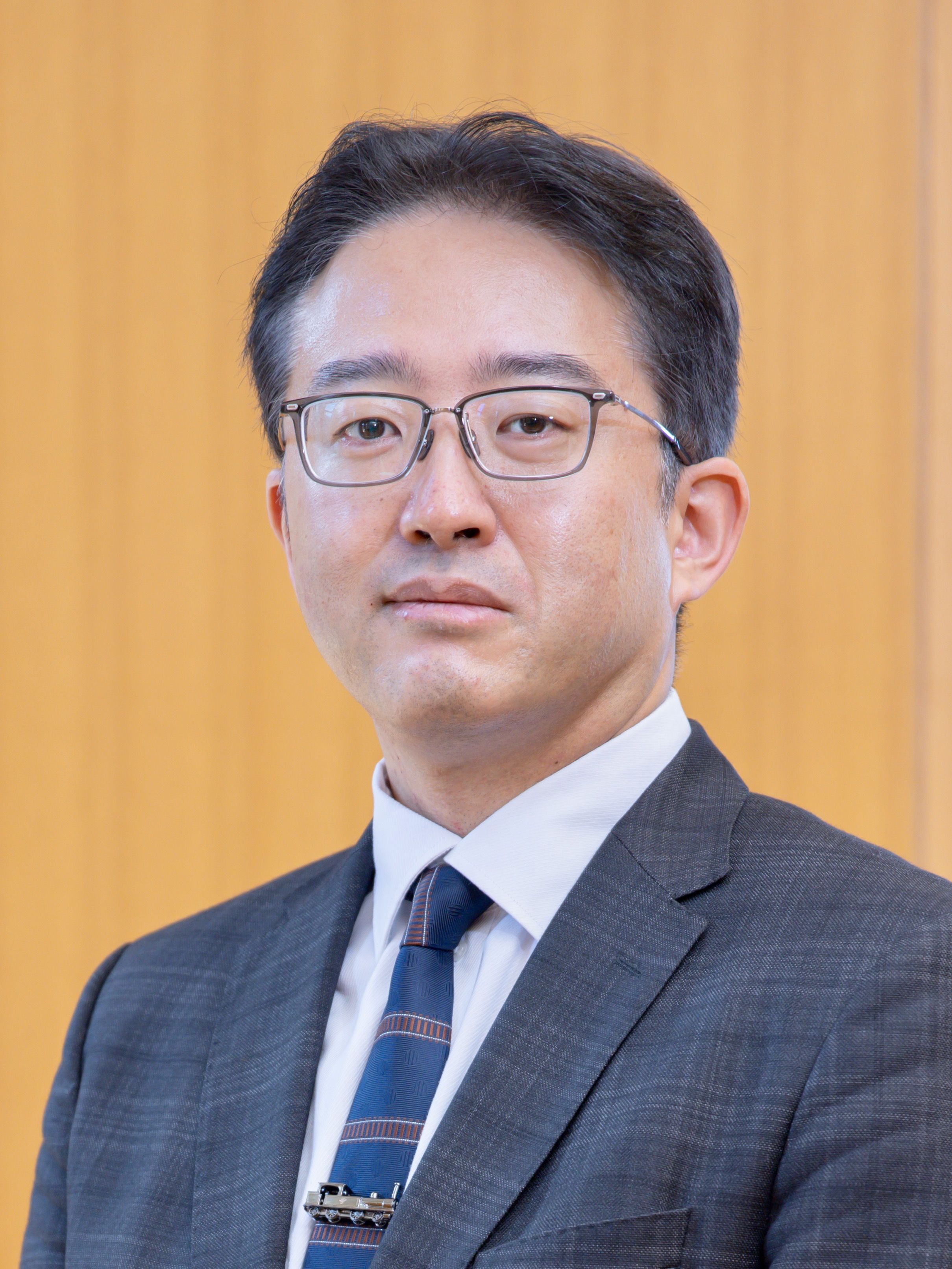
      • Ryo Sahashi

      Ryo Sahashi

  • Article
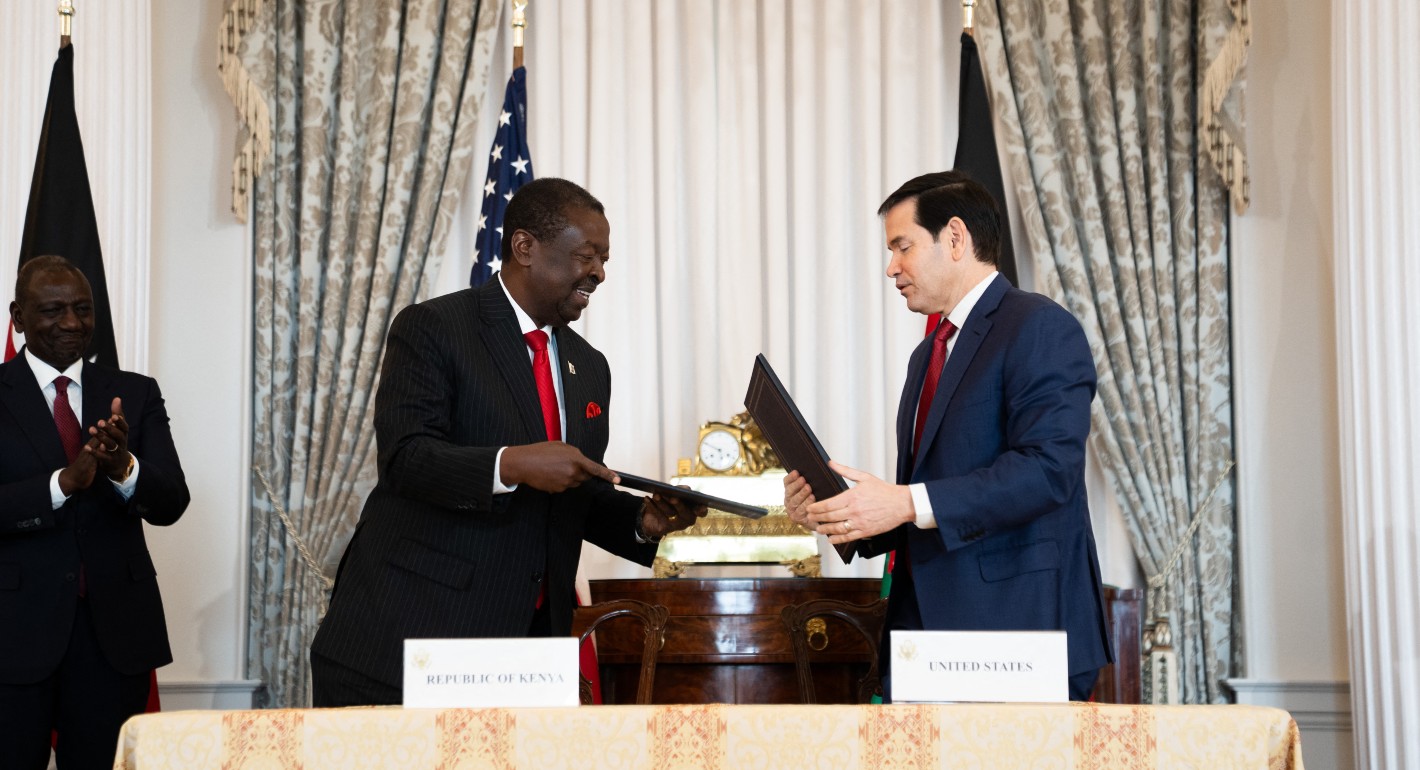
    Kenya’s Health Deal Is a Stress Test for the America First Global Health Strategy

    U.S. agreements must contend with national data protection laws to make durable foreign policy instruments.
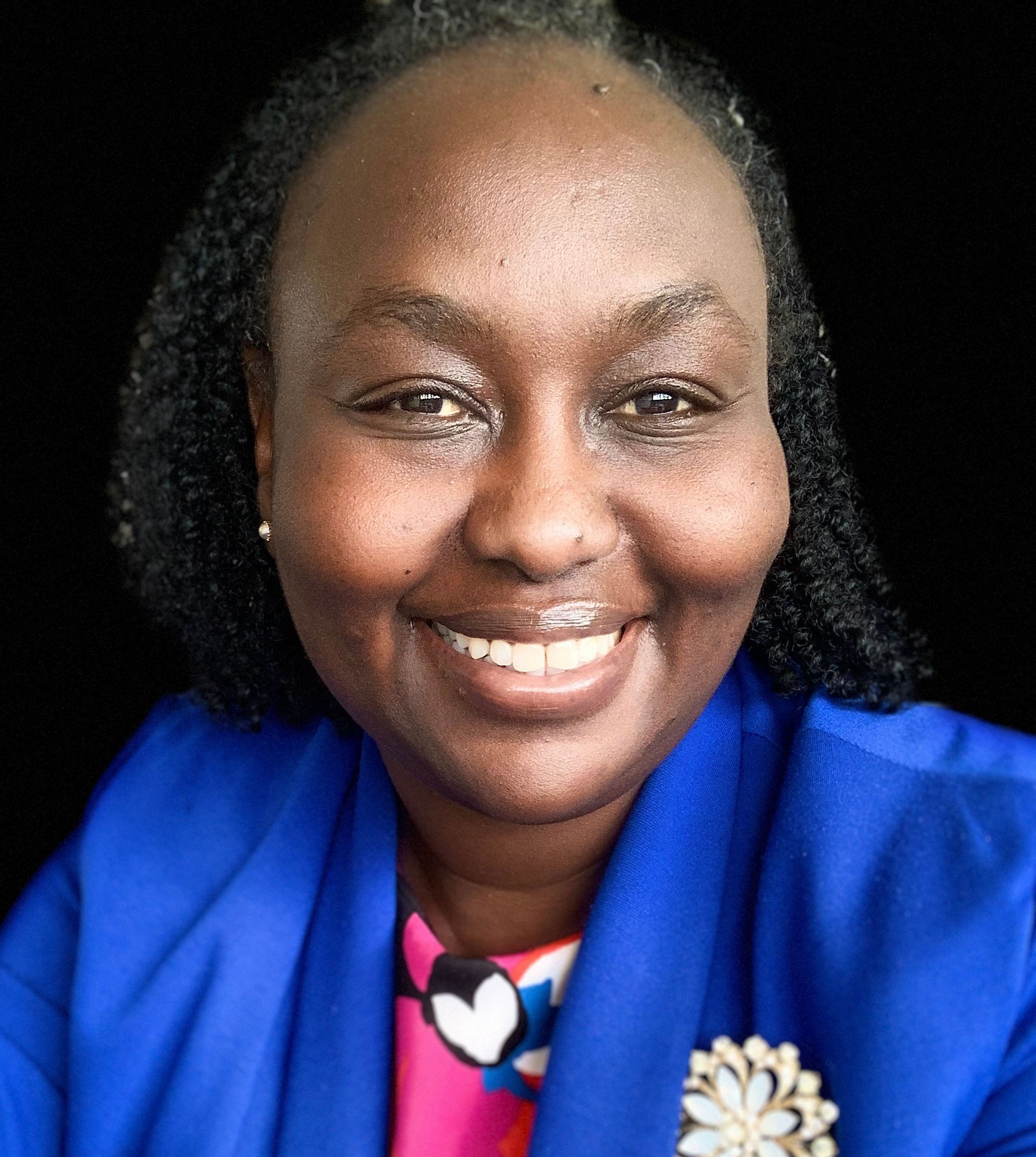
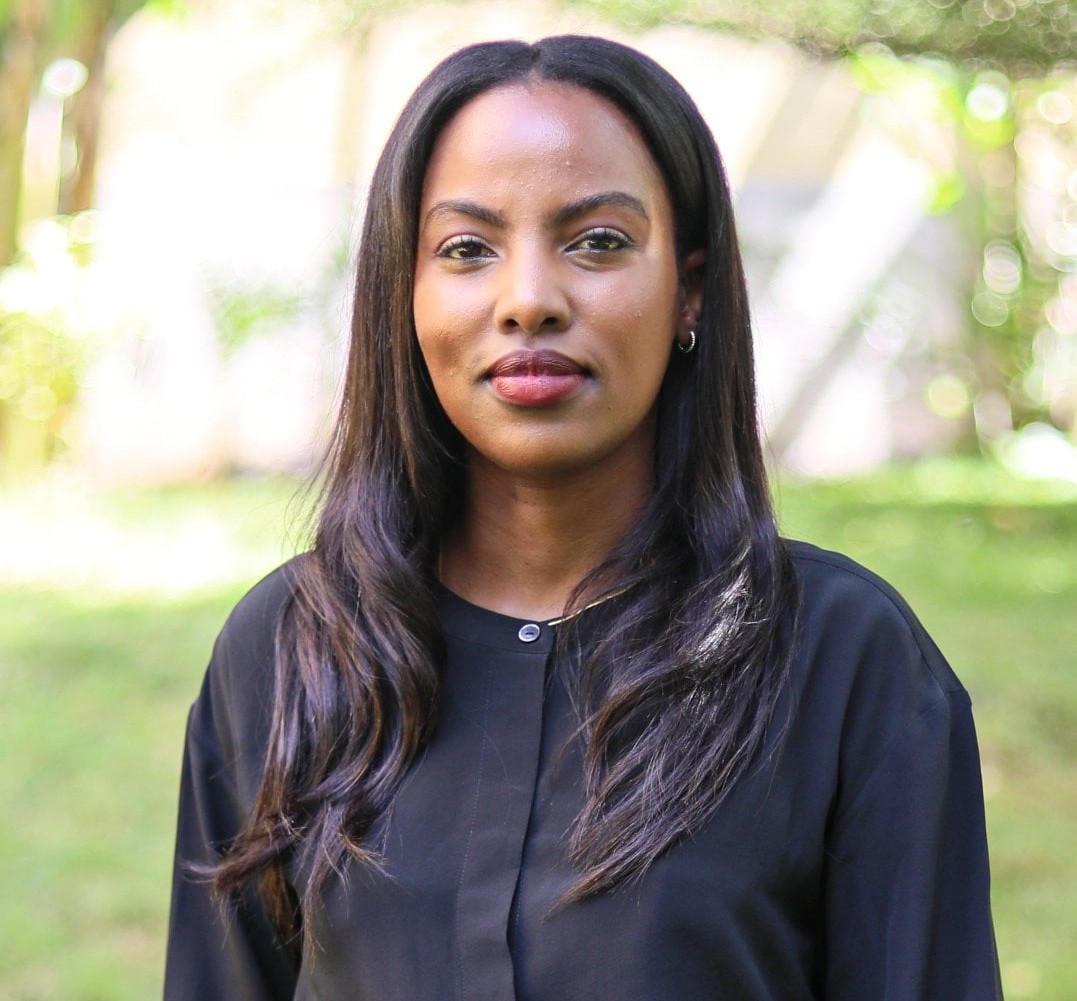
      • A Black woman with long hair wears a black blazer

      Jane Munga, Rose Mosero

  • illustration of AI chat bubbles
    Commentary
    California Sees Ways AI Can Support Policymaking. Here’s What It Needs to Succeed.

    For AI to capture the public’s policy concerns, people need to know that the models are elevating human concerns in human words, not generating their own.

      • Micah Weinberg headshot

      Micah Weinberg

Get more news and analysis from
Carnegie Endowment for International Peace
Carnegie global logo, stacked
1779 Massachusetts Avenue NWWashington, DC, 20036-2103Phone: 202 483 7600Fax: 202 483 1840
  • Research
  • Emissary
  • About
  • Experts
  • Donate
  • Programs
  • Events
  • Blogs
  • Podcasts
  • Contact
  • Annual Reports
  • Careers
  • Privacy
  • For Media
  • Government Resources
Get more news and analysis from
Carnegie Endowment for International Peace
© 2026 Carnegie Endowment for International Peace. All rights reserved.