

Commentary
Lucas Fluegel
Source: iStock
Biomanufacturing—the ability to deploy biotechnology for manufacturing—is rapidly emerging as a global economic and national security priority.
Biomanufacturing—the use of a living system or its parts to produce goods—is an emerging priority for national security and economic policymakers in advanced economies. As technological progress accelerates, applications for biomanufacturing are expanding beyond pharmaceuticals to include a wide range of economically lucrative and strategically important products, such as fuels, critical minerals, and fertilizers. Militaries, economic planners, and other decisionmakers increasingly see biomanufacturing as a critical technology area.
Yet, biomanufacturing itself remains poorly understood by policymakers. By comparison, they understand artificial intelligence better, including the core layers of the technology stack, basic industry paradigms, key nodes of the supply chain, and the technology’s major applications.
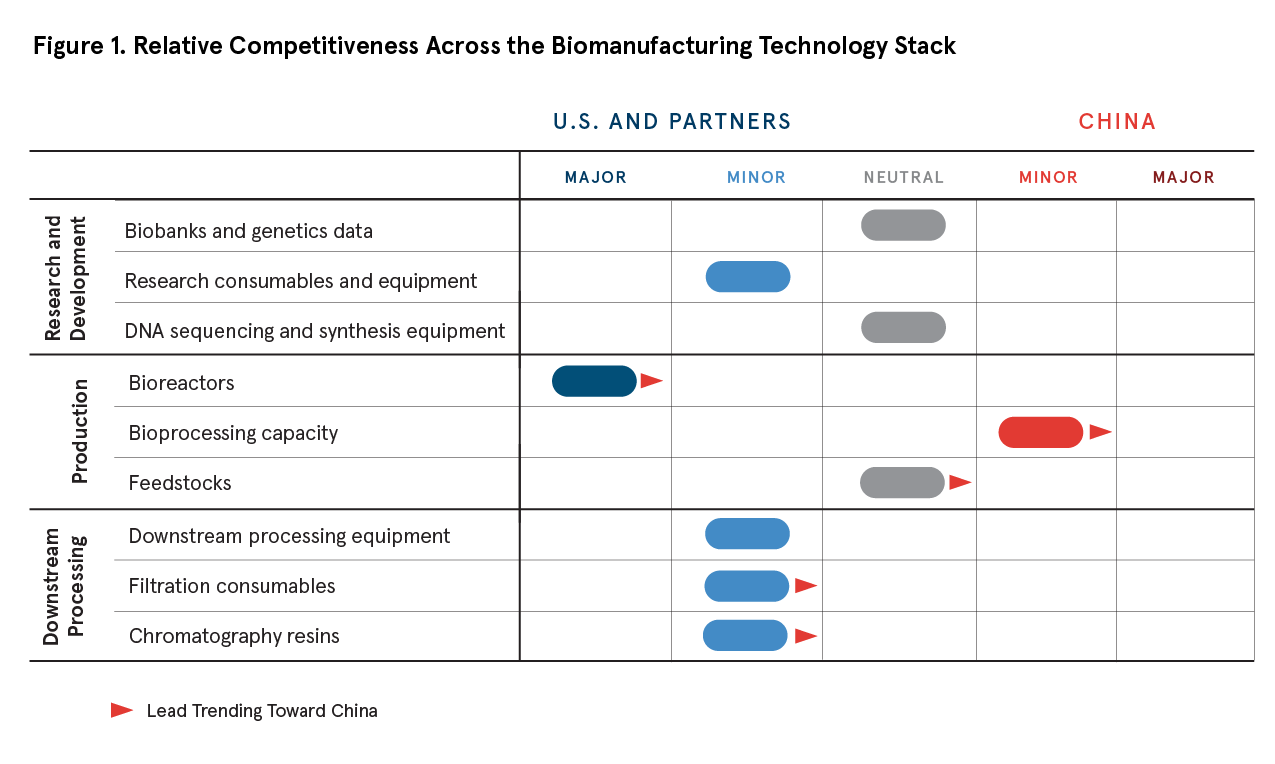
This paper presents the first detailed overview of the biomanufacturing technology stack and its strategic relevance for a policy audience. It divides biomanufacturing into three foundational phases (research and development, production, and downstream processing), each composed of key inputs, resources, or capacities. The paper explains these layers, assesses their strategic stakes, and benchmarks the competitiveness of the United States and its partners (particularly Germany, the UK, Japan, and South Korea) compared to China. Key findings include:
Receive research announcements and event invitations from the Carnegie Technology and International Affairs Program.
Biomanufacturing—the ability to deploy biotechnology for manufacturing—is rapidly emerging as a global economic and national security priority.1 Current biomanufactured products include both economically lucrative pharmaceuticals like monoclonal antibodies and gene therapies alongside more strategically salient items like amino acids and vitamins for livestock feed (see table 1). Powered by the accelerating pace of biotechnology development and the adoption of new digital tools, the portfolio of biomanufactured products is expanding rapidly.
In the short term, emerging products in personalized healthcare and nutrition will be complemented by fundamental applications in agriculture and mineral processing. Over time, advanced materials and bulk chemicals will increasingly be biomanufactured as well. Estimates have suggested that production of 60 percent of the global economy’s physical inputs could be impacted by biomanufacturing, affecting trillions of dollars’ worth of economic activity.2 Though these assumptions may be optimistic, there is no doubt that biomanufacturing will shift the production of economically and strategically important goods on a global scale. The perception that nations can seize this important manufacturing frontier is driving a dramatic increase in policy focus.
In the United States, the White House and the Department of Defense have recently crafted strategic guidance documents and invested financially in initiatives to bolster domestic biomanufacturing.3 The release of the National Security Commission on Emerging Biotechnology’s final report and the Department of Defense’s designation of biomanufacturing as a critical technology area have drawn further attention.4 Meanwhile, the People’s Republic of China has focused on biotechnology for decades.5 Biomanufacturing is the only key technology listed as both a “future industry” and a “core technology” during preparations for China’s current five-year plan.6
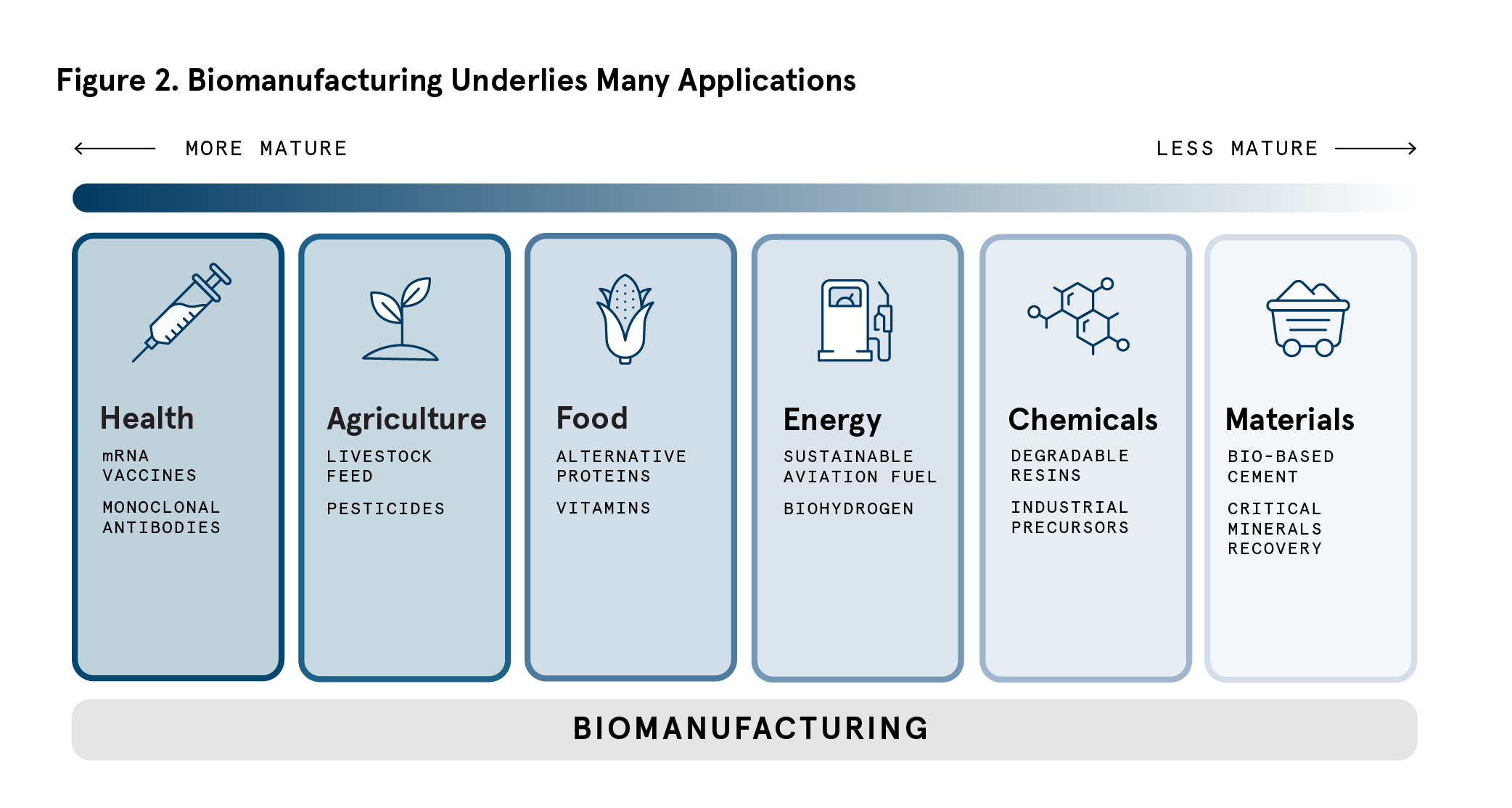
Clearly, geostrategic competition in this technology space is heating up, with major economic and security ramifications. As biomanufacturing expands to a wider portfolio of products, nations with strong domestic capacity will be able to capture a major portion of the subsequent economic benefits. However, there are challenges with developing policy toward this goal. Biomanufacturing does not fit into a single economic sector—it is not considered a separate economic vertical. It simultaneously undergirds the production of items as diverse as propellants,7 consumer cosmetics,8 cancer therapies,9 food sweeteners,10 animal feeds,11 and plastics12 (see figure 2). So, policies centered on specific products or economic sectors risk missing the wider picture. Instead, such efforts must focus on the underlying processes and technologies that unify biomanufacturing applications.
Some biomanufacturing processes are well known: Beer brewing, for example, uses yeast to transform sugars into alcohol and flavor compounds. Others are less so, like the use of a microbially derived enzyme to convert a petrochemical into an insecticide.13 What unifies them is not the nature of their products but the overall structure of the biomanufacturing process, which can be broken down into three general phases.
Research and development (R&D) is the first phase of biomanufacturing. This establishes the technological process to make the desired product. Historically, organism development and process design relied on empirical, trial-and-error strategies. However, the field is now quickly transitioning to an engineering paradigm with the emergence of new tools in synthetic biology, genomics, and in silico design. Digitized systems and artificial intelligence (AI) tools are likely to accelerate this transition further. Critically, this phase involves developing both the central biological system (such as a bacterium that produces an enzyme) and the physical processes that sustain it (like the equipment and methods used to grow those bacteria).
Next, during the production—or upstream—phase, the biological system transforms inputs into a raw version of the target product. The scale, physical environment, and regulatory standards vary dramatically between processes depending on the type of product. For example, the production of vaccines requires strictly controlled cleanrooms and specialized bioreactors to meet regulatory standards. Bioethanol fermentation, on the other hand, uses massive, stainless steel fermentation tanks to process bulk inputs at commercially competitive prices.
Finally, the downstream processing phase transforms the raw output into a useful finished product. The prior production phase leaves the target product mixed with cell debris, remaining feedstock, and other waste materials. Downstream processing encompasses the collection, purification, and reformatting of this crude material into the desired final form. Again, the details of this process depend on the scale and quality requirements of the producer.
Each phase of the biomanufacturing process is supported by a particular stack of technologies. If policymakers want to bolster domestic biomanufacturing in the face of geostrategic tension, they must understand domestic strengths and vulnerabilities across this stack. However, prior analyses have primarily focused on general concepts in biotechnology innovation,14 including assessments of workforce availability,15 financing and market status,16 or intellectual property.17
This paper provides the first focused assessment of competitiveness across the biomanufacturing technology stack. The concept of so-called competitiveness is poorly defined for biotechnology and biomanufacturing. Easy access to important bioproducts, supply chain resilience, effective exploitation of economic opportunities, or leadership in technology innovation could all be considered a competitive advantage. This paper takes an “all of the above” approach and attempts to merge these concepts into an overarching assessment of competitiveness. Though limited data prevented a uniform analysis across all layers of the technology stack, some general conclusions emerged.
The following sections analyze the current landscape for key inputs to each phase of biomanufacturing, including R&D (see figure 3), production (see figure 4), and downstream processing (see figure 5). While these inputs are neither comprehensive nor universal, they provide an analytical framework that enables more general conclusions about strategic competitiveness to be drawn. The analysis centers on competitive dynamics between the United States with its partners (particularly Germany, the UK, Japan, and South Korea) and China—the global leaders in this technology space.
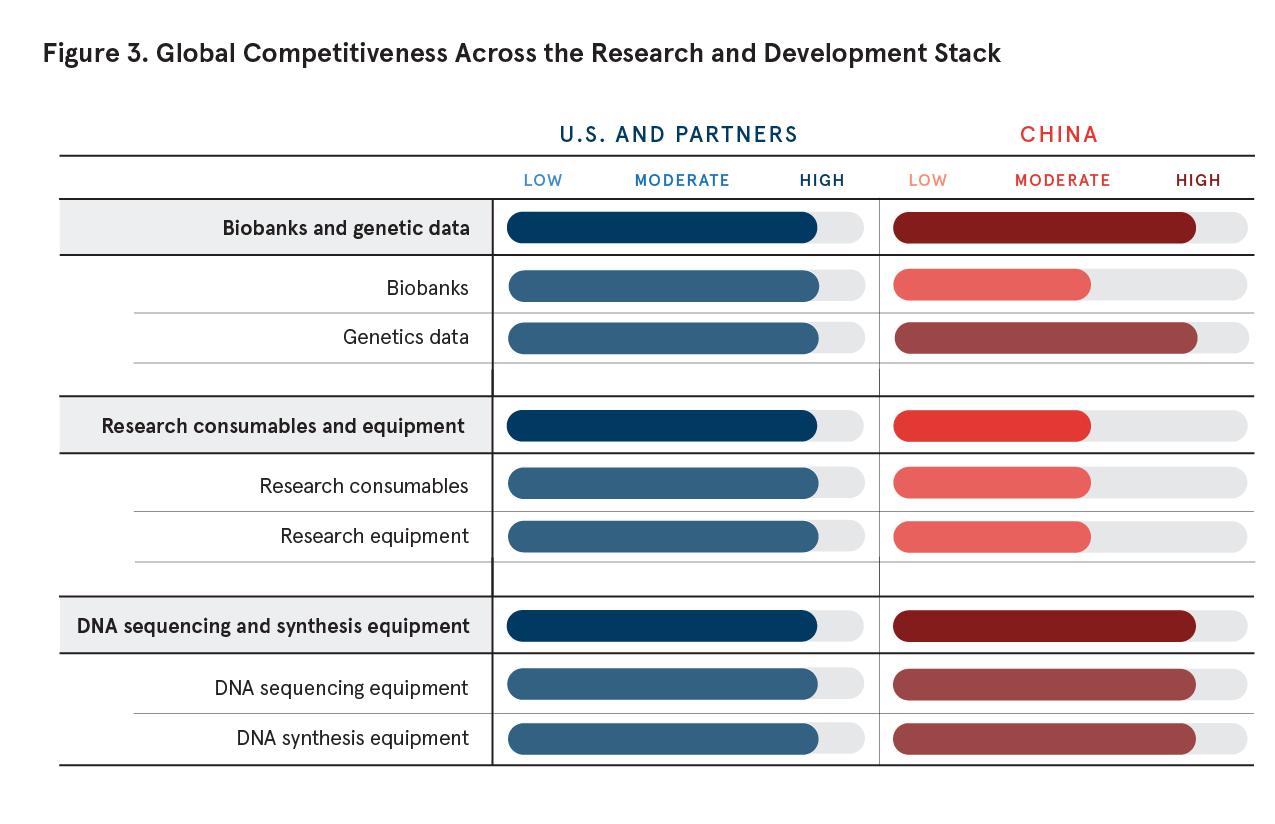
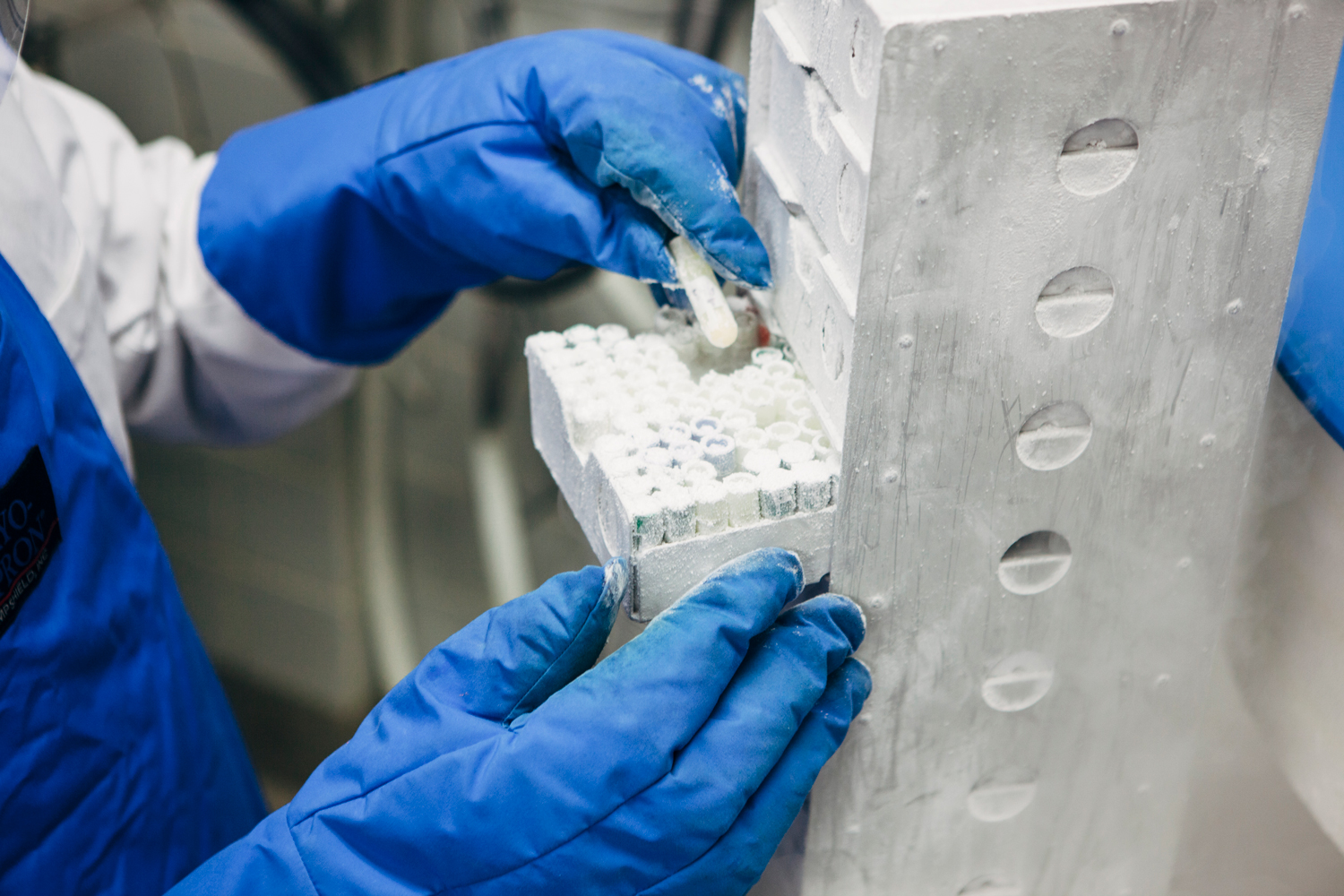
Photo by fotografixx via istock photo
Biomanufacturing is based on two fundamental resources: the lineages of biological cells (the organisms used for production) and the genetic data used to understand and manipulate them. Biobanks are the institutions that house these cell lineages, including public repositories and collections owned by private companies, while genetic data is stored in specialized databases.
Most current biomanufacturing uses only a handful of well-studied organisms. Therefore, immediate commercial demand for the diversity provided by biobanks and genetic databases is limited. However, developments in synthetic biology and bioinformatics are enabling the exploitation of a wider spectrum of biodiversity.18 A notable example is the proliferation of AI tools, which require greater and more varied data for training. As such, biobanks and genetic databases serve as a strategic foundation that enables access to a pool of untapped resources for identifying and developing the next generation of biomanufacturing breakthroughs.19
The United States and its partners control most of the world’s major public biobanks, like the American Type Culture Collection (ATCC) in the United States and the Leibniz Institute’s DSMZ in Germany.20 They are also home to the major commercial suppliers of common cell lines, including Thermo Fisher Scientific (United States) and MilliporeSigma (United States and Germany). China has been traditionally dependent on these foreign suppliers but has steadily mitigated this dependency via investment in resources like the China National GeneBank.21 These resources are probably sufficient for both sides’ medium-term biomanufacturing needs. Biobanks are only likely to become strategically impactful if the range of organisms used in commercialized biomanufacturing processes broadens dramatically and quickly enough that available resources cannot keep pace. Though plausible, this scenario seems unlikely for the foreseeable future.
Western countries also house the largest public genetic databases through the International Nucleotide Sequence Database Collaboration.22 Except for sensitive human data, which is more heavily compartmentalized due to privacy concerns, these repositories are mostly open and provide access to researchers across the globe. In contrast, China strictly controls access to its rapidly expanding domestic databases.23 Furthermore, its state-focused legal frameworks mandate that biotechnology firms share such data with the government,24 allowing it to be more easily consolidated and deployed. Recognizing the risks associated with this one-way imbalance,25 the United States has begun to implement its own restrictions on the transfer of genetic data to Chinese organizations.
As it stands, genetic data is not a strategically limiting factor for biomanufacturing for either the United States and its partners or China. Most processes use relatively traditional techniques to modify genetic parts sourced from nature. However, this picture could quickly shift as data- and computation-heavy approaches expand in importance. If advances in AI-powered tools transform the design of biological parts, access to the necessary data to train such tools will move from an area of niche research to a widespread commercial requirement. Therefore, though not currently a major source of competitive leverage, genetic data should be viewed as a strategic resource in the longer term, especially for applications that invest heavily in AI.
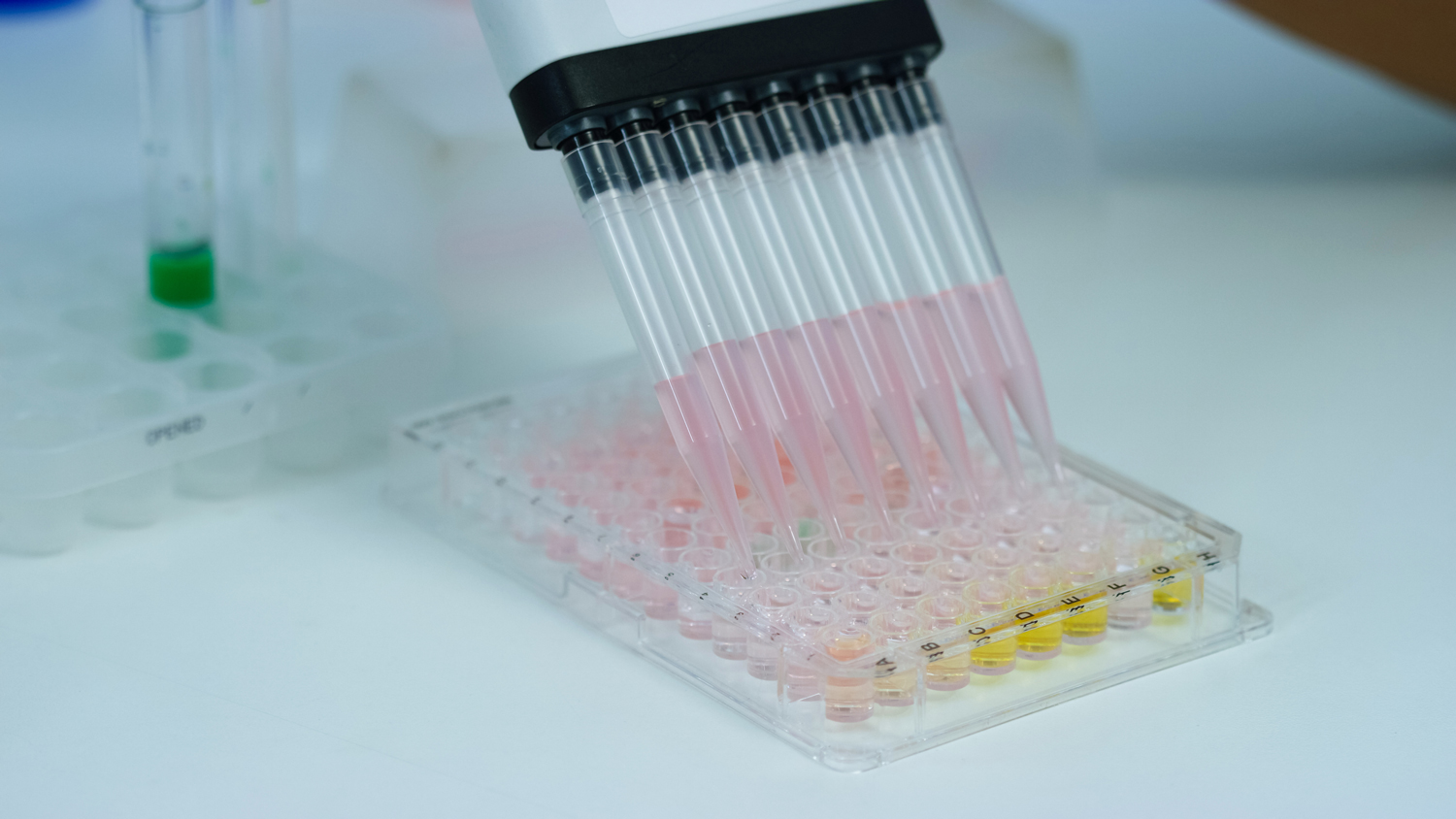
Research consumables and equipment are the variety of materials and tools used by laboratories to investigate and manipulate biological processes. Principally, these items are used during the initial R&D of a biological product or a biomanufacturing process. However, some materials may remain important after scale-up for quality control and process monitoring.
The United States and its partner nations occupy an advantageous position across the research consumables market,26 though China is expanding its capacity and slowly moving up the quality ladder. A combination of U.S., European, and Japanese firms dominates two of the most widespread consumables for biomanufacturing research: the molecular biology enzymes used to manipulate DNA (more than 65 percent market share by many analyses27) and the plasticware used to transfer liquids and house experiments.28 Though Chinese manufacturers do produce functional substitutes,29 China’s domestic market is still dominated by imports,30 especially in higher-end categories.31 Nevertheless, the overall strategic importance of this imbalance is low. The commoditized nature of these goods indicates that, outside of an occasional supply chain dependency for a specific firm or product, geostrategic leverage is limited.
Laboratory equipment shows a comparable trend. Leading producers of equipment like handheld pipettes,32 laboratory centrifuges,33 and biological shakers34 are mostly Western firms. These items are fundamental tools during the early stages of biomanufacturing-relevant research. Similarly, most major analytical instrument manufacturers are based in the United States or its partner countries.35 In subcategories like mass spectrometry, extreme consolidation among a few U.S. companies like Thermo Fisher Scientific, Agilent Technologies, and Waters Corporation skews the market further.36
Overall, while Chinese producers exist, they generally serve a more limited domestic market. As research equipment is often more specialized and capital intensive than research consumables, the value gained from controlling this element of the technology stack is clearer. Yet, such equipment is not easily weaponized: Because it is primarily used in early R&D, there would be a long lag between any loss of access and the ultimate impact on a nation, leaving time to seek alternative sources.

Photo by Geobacillus via istock photo
DNA sequencing and synthesis technologies enable reading and writing, respectively, of the genetic code that programs organisms used in biomanufacturing. As biological engineering becomes more digitized, these foundational capabilities are catalyzing process development and being deployed in all phases of biological research.
Most DNA sequencing is performed with short-read technologies. Historically, this sector was dominated by Western firms, especially Illumina (United States). However, aggressive support from the Chinese government enabled domestic champions like the BGI Group to rapidly achieve functional parity.37 The market for long-read sequencing technologies remains more nascent but is growing quickly. The main firms driving this sector are Western, particularly Pacific Biosciences (United States) and Oxford Nanopore Technologies (UK). DNA sequencing is highly dependent on specialized consumables that are a frequent supply chain bottleneck.38 Overall, though certain advantages belong to Western countries (advanced long-read sequencing) and China (scale and cost), both sides house sufficient sequencing capacity for their biomanufacturing needs.
DNA synthesis presents a nearly identical picture. After initial technological development and commercialization by Western companies, Chinese firms like GenScript have rapidly captured market share. Shifts to more advanced technologies are being pioneered by Western firms,39 which will dramatically expand the range of genetic parts that can be built at reasonable cost. As these tools mature, China will catch up quickly. As with DNA sequencing, it seems unlikely that DNA synthesis capabilities will impose any significant barrier on either side’s biomanufacturing R&D capacity in the short- to medium-term.
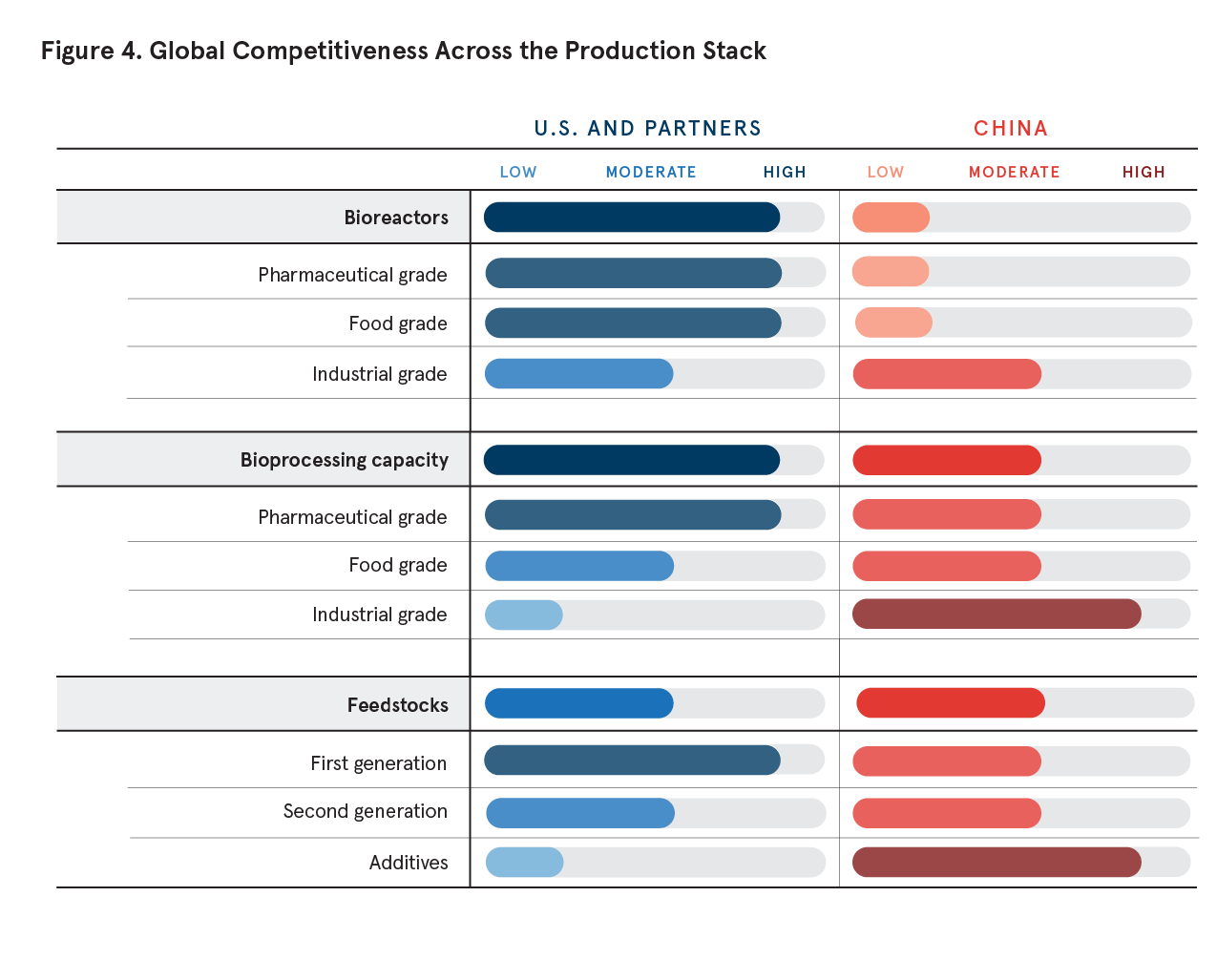
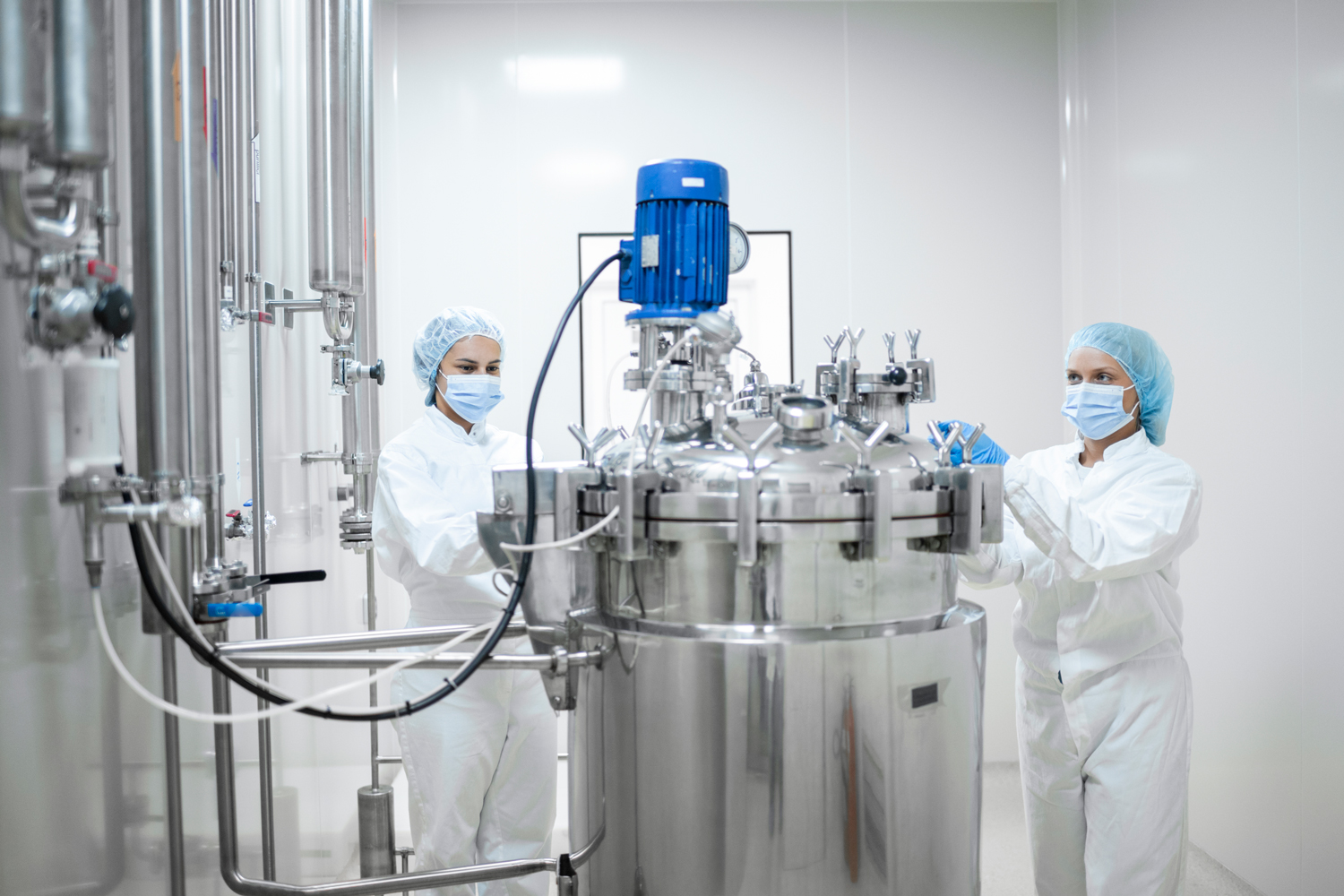
Photo by Extreme Media via istock photo
Bioreactors are the specialized vessels within which a biomanufacturing process occurs. Engineering innovations have led to a proliferation of forms, designs, and underlying technologies for bioreactors. Several geostrategically relevant subcategories can be defined based on grade and reusability. (This section addresses the design and construction of new bioreactors—the availability of already installed bioreactor capacity is analyzed in the next section.)
Bioreactors come in different grades based on the rigidity of manufacturing or regulatory standards for different applications:
Historically, bioreactors were large metal tanks. Systems designed with disposable elements—so-called single-use systems—are a recent phenomenon that is challenging that paradigm:
Most information on bioreactor manufacturing focuses on pharmaceutical-grade equipment, which is intensely consolidated within Western firms: One estimate suggests that 80 percent of the market is controlled by Sartorius (Germany), Thermo Fisher Scientific (U.S.), Danaher (United States), and Merck (Germany).44 This imbalance holds across fixed and single-use bioreactors.
The installation of single-use systems has outpaced fixed in recent years, reflecting an ongoing strategic shift in the pharmaceutical sector.45 Chinese companies like LePure Biotech are expanding their single-use portfolios to exploit this transition,46 but their market share remains mostly limited to domestic import substitution.47 With Western firms holding favorable positions for both the bioreactors themselves and single-use consumables, it is unlikely that this technological transition will quickly erode their lead.48 Because domination of pharmaceutical-grade bioreactor manufacturing imparts control over the infrastructure needed to expand pharmaceutical manufacturing capacity, this advantage is a major source of longer-term strategic leverage.
The definitional boundaries for food-grade bioreactors are unclear, meaning that data on their market landscape are highly fragmented. Sophisticated systems dedicated to cultured meat and related applications are relatively rare and less technologically mature.49 Their similarities with pharmaceutical-grade systems suggest at least a modest Western advantage in this sector. This conclusion is anecdotally supported by recent announcements and strategic commitments from firms like GEA (Germany) and Bühler (Switzerland).50 With rising demand and limited current capacity, this subcategory is poised to undergo significant growth.51
On the other hand, the bioreactors used for food-grade production of comparatively simple products like flavorings or vitamins are well established at large scale. This type of bioreactor is akin to generic industrial units but with additional regulatory standards. With food-grade biomanufacturing poised to substantially expand, leadership in the design and production of these bioreactors offers a major economic opportunity.
The competitive landscape of industrial-grade bioreactor manufacturers is murky, but it is reasonable to surmise rough parity between Western and Chinese firms. Construction of large-scale bioreactors requires heavy engineering knowledge, specialized metallurgy, and dedicated fabrication facilities. Due to their size, these bioreactors are usually not purchased as off-the-shelf units but are instead constructed and installed on site in a bespoke manner. The efficiency of centralized production is therefore limited.
In the industrial-grade category, Western firms have historically controlled the market for both prefabricated bioreactors and the parts—including impellers, plumbing, control systems, and more—used to construct them due to their experience in bioethanol production and pharmaceutical commercialization. Yet, Chinese engineering firms have advanced considerably by leveraging targeted state support and the country’s massive heavy manufacturing capacity. These trends suggest that Chinese manufacturers are at least competitive with, if not outpacing, their Western counterparts in this category. As demand grows for bulk biomanufactured products, the ability to build the industrial-scale bioreactors necessary to achieve economies of scale will be a key enabler underpinning the strategic competition in biomanufacturing.
Though often simplified as a static class of infrastructure assets, bioreactors are undergoing rapid technological advancement. Innovations in continuous manufacturing, precision monitoring, and AI-enabled process management are unlocking substantial efficiency gains and cost reductions. Consequently, leadership in bioreactor technology will be a key accelerant of global biomanufacturing competitiveness. While both the U.S. and Chinese governments have recently supported technological development,52 China’s industrial policies are more consistent and coordinated.53 This focus will likely yield an advantage in the long term, especially as biomanufacturing expands further beyond the pharmaceutical sector. Nevertheless, because frontier applications are currently concentrated in the Western-leaning biopharmaceutical sector, U.S. and partner firms will retain their lead in the shorter term.
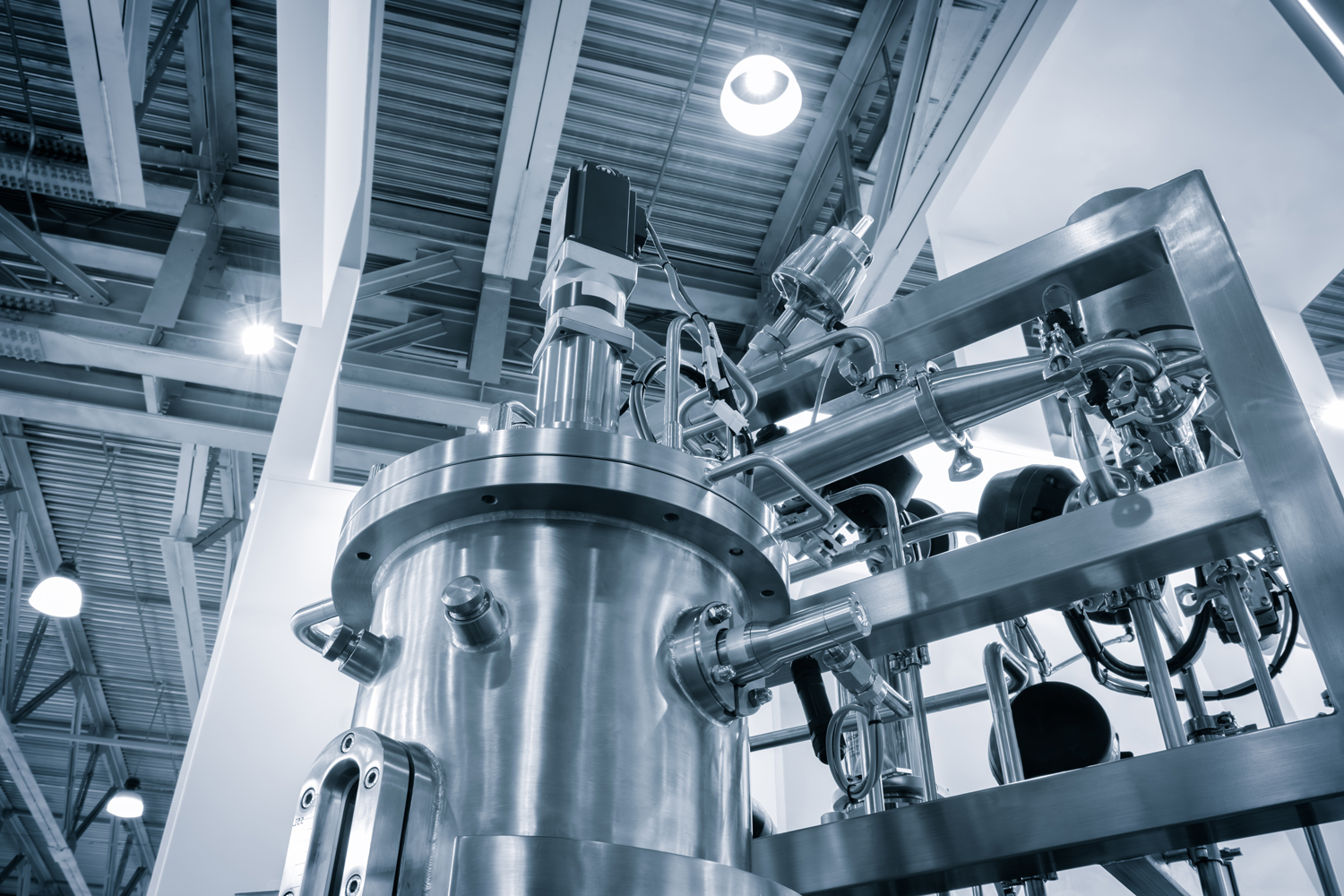
Photo by Daria Matveeva via istock photo
Bioprocessing capacity—the available volume of installed bioreactor infrastructure—is key for the at-scale commercialization of a biomanufactured product. It can be understood as, essentially, the stock built up over time through the installation of new bioreactors. Given the cost and time required to install new bioprocessing capacity, current stock is a major constraint on biomanufacturing production in the shorter term.
Multiple terms are used to describe bioprocessing capacity—“cultivation” and “fermentation” capacity are common—but their meanings subtly differ. In place of these narrower phrases, this paper uses the more general term “bioprocessing.” Bioprocessing capacity can be generally categorized by the grades (pharmaceutical grade, food grade, or industrial grade) described in the previous section.
Most analyses indicate that U.S.- and Europe-based firms retain a lead in pharmaceutical- and food-grade bioprocessing capacity.54 Estimates place both regions’ individual market shares in the 30–40 percent range,55 with Asian countries lagging behind but rapidly expanding. Notably, though, much of this data reflects disproportionately low input from non-Western sources. Western countries’ preeminence in these higher-end categories is a consequence of their dominant legacy in the pharmaceutical sector. Their position benefits from regulatory lock-in, where changes in manufacturing procedures require expensive revalidation by regulatory agencies. However, the increasing success of Chinese pharmaceutical start-ups and the rise of contract manufacturers like WuXi Biologics indicate a clear shift.56 Indeed, recent massive expansions by firms like WuXi suggest that Chinese firms have already gained considerable ground.57
In contrast, global industrial-grade capacity is led by China. Some estimates suggest that Chinese companies control up to 70 percent of the global bioprocessing capacity, though major data gaps remain.58 Nonetheless, Chinese firms now maintain near monopolies over many biomanufactured bulk products,59 with their dominance over lower-value commodities like animal feed additives being frequently cited.60 This imbalance also extends to more advanced materials like drug precursors and biomaterials.61 China’s domination of global production capacity gives it control over a key chokepoint in the supply chain for these economically and strategically important products. Given the combination of relatively low profit margins on these products and the massive infrastructure investments needed to produce them at scale, all signs point to continued Chinese control of this sector.
Intermediate-scale bioprocessing capacity is required for biomanufactured products to cross the so-called valley of death between laboratory testing and commercialization.62 A lack of these facilities is a major obstacle for biomanufacturing.63 While U.S. initiatives, including several congressional proposals and agency programs like BioMADE,64 have facilitated the expansion of pilot- and demonstration-scale capacity, these investments are insufficient for a transformational shift.65 The Chinese Ministry of Science and Technology has recently announced plans for dozens of new plants,66 but details are still emerging.67 If successful, these efforts would be a substantial boost for Chinese capacity; nevertheless, it is likely that the global supply of intermediate-scale bioprocessing capacity will remain highly constrained in the short term.68
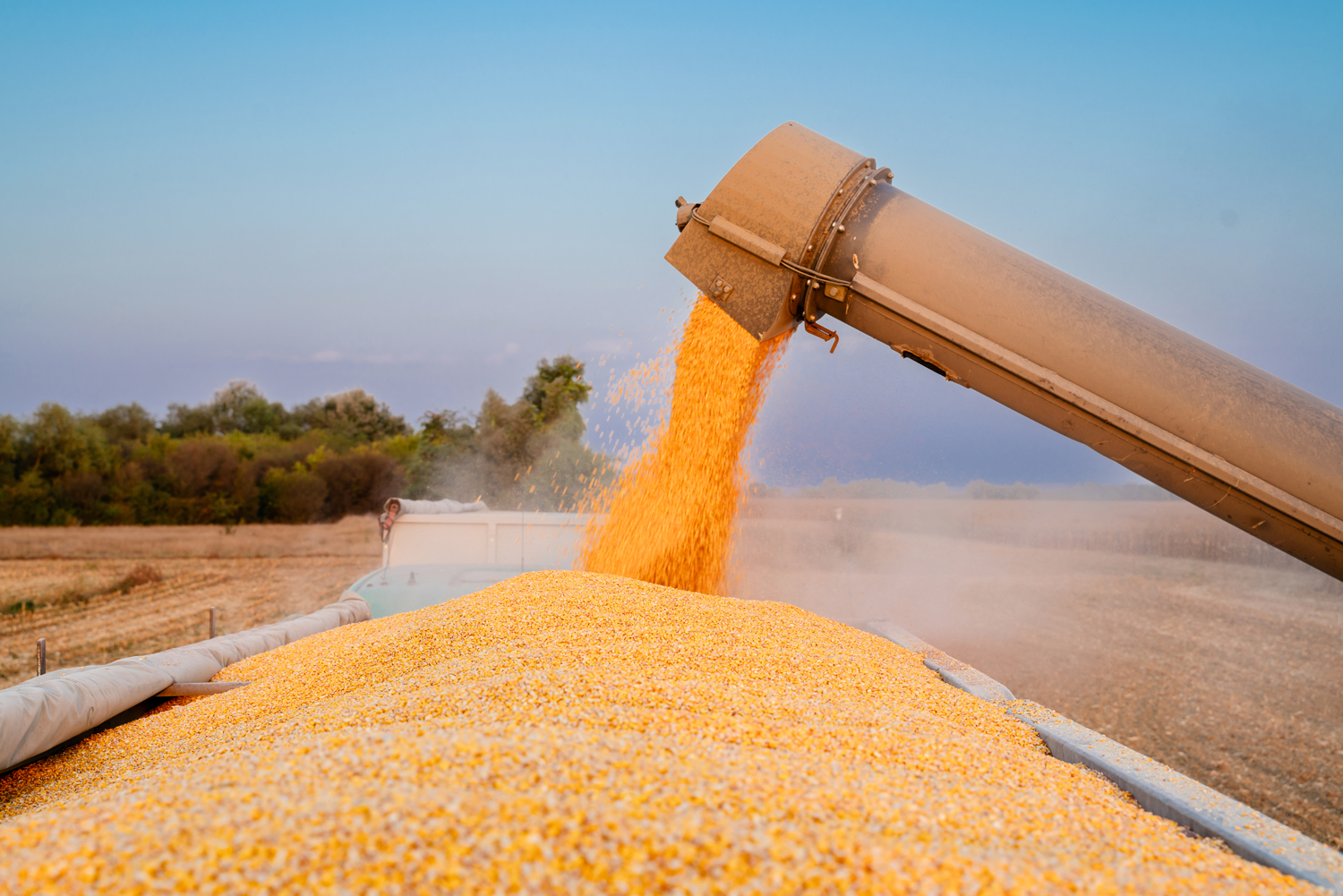
Photo by YorVen via istock photo
Feedstocks are biomass that feed the cells powering a biomanufacturing process.69 In almost all applications, raw feedstocks are not used directly and are instead processed into more refined states. Several generic categories can be established:
The United States, home to an immense agricultural sector, is a primary global exporter of feedstock-relevant crops like corn, soybeans, and wheat. In fact, U.S. producers frequently produce more than they can sell, leading to a strong desire for alternative markets—like biomanufacturing—to increase demand. This massive production signals a secure and stable source of biomass for first-generation feedstocks.71 The United States is also home to established industries that use these commodities as inputs for products like sweetened beverages or biofuels. The availability of the associated facilities eases logistics and processing, which can be major hindrances.72 China is also a strong agricultural producer, but its output is insufficient for its domestic food needs, leading to a reliance on imports.73 Given the tension between using these materials for food or as first-generation feedstocks, this dependence suggests a significant long-term vulnerability for China.
Both the United States and China produce substantial quantities of raw second-generation feedstocks, but transforming these materials into convenient forms for biomanufacturing remains economically challenging. U.S. policy pushes have found limited success developing the required facilities and technologies.74 Lagging investment is probably a result of the cheap and abundant nature of its first-generation feedstocks. Conversely, China has prioritized second-generation feedstocks to reduce pressure on its food needs.75 These efforts have included buildouts of treatment facilities, subsidies for operators, and calls to develop second-generation feedstock–based routes to specific products.76 Though China is far from fully substituting first-generation feedstocks, there is clearly more of an emphasis than in the United States. Such development will be critical to Chinese feedstock resilience.
China maintains near-complete control over the supply of many biomanufacturing additives such as vitamins and amino acids.77 China is, for example, the only country that domestically produces all of the principal commercial vitamins.78 Many of these products are biomanufactured themselves, suggesting the beginning of a bioprocess feedback loop. The United States, on the other hand, has no domestic production of many important additives. Chinese firms are continuing to expand production, indicating that this control will persist.79 Given their clear imbalance and widespread importance, these additives probably represent China’s greatest point of short-term strategic leverage throughout the technology stack.
The ability to use more exotic feedstocks like waste gases (such as carbon dioxide and methane) or food waste for biomanufacturing has been identified as a next-generation technology to reinforce supply chains and empower a circular bioeconomy.80 Despite promising early-stage technologies,81 major economic and technological barriers remain.82 Gas utilization, for example, still requires extensive organism engineering to overcome the low efficiency of natural organisms.83 Currently, firms must co-locate these processes with industrial or agricultural facilities to ensure a sufficient supply of gas feedstock, complicating process engineering and limiting generalizability. Consequently, next-generation feedstocks will require significant development before they can support biomanufacturing at scale.
Source: © Merck KGaA, Darmstadt Germany and/or its affiliates. All rights reserved.
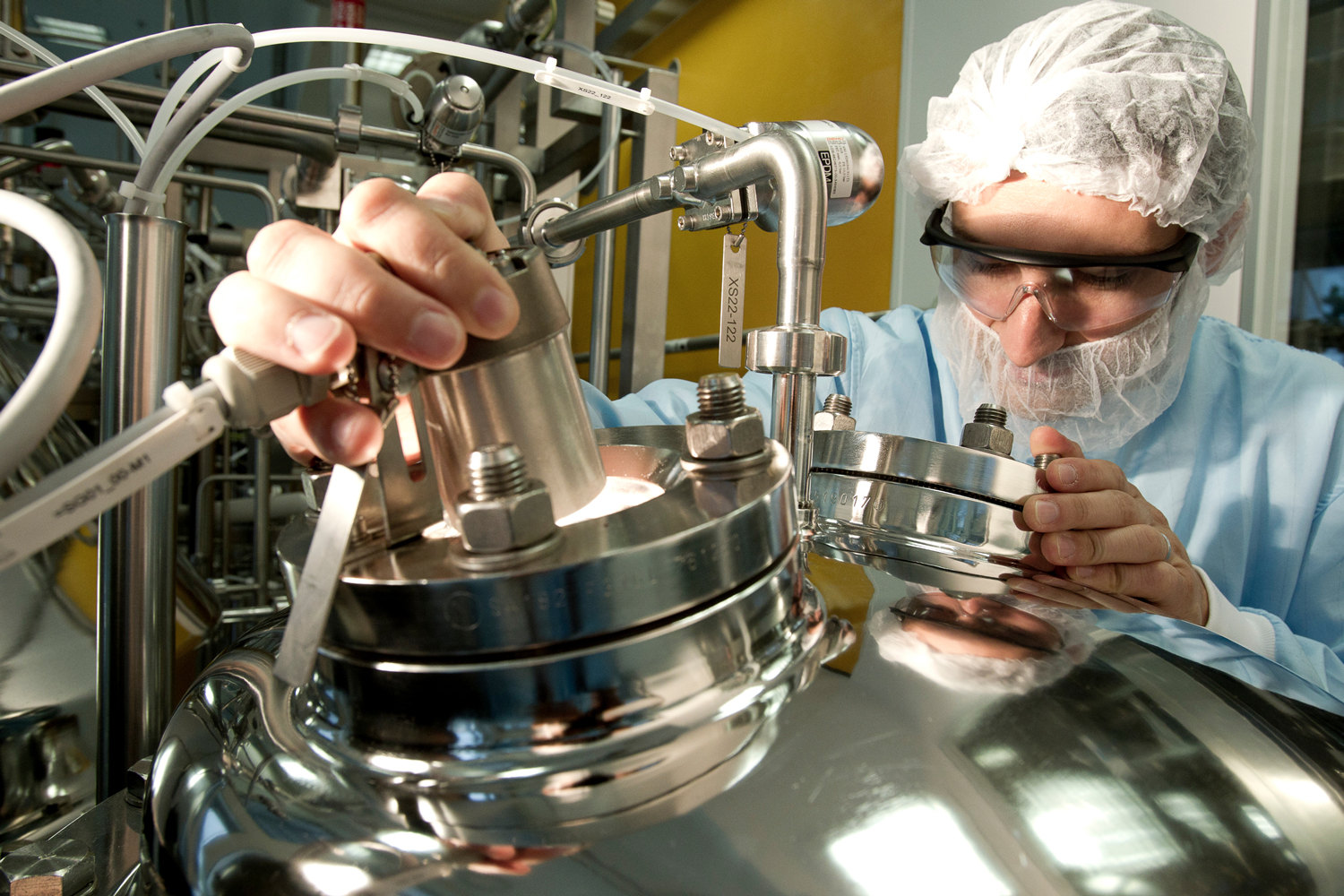
Downstream processing hardware is the capital equipment that transforms crude biomanufacturing output into a final product. This layer of the technology stack includes equipment like centrifuges, chromatography columns, filtration units, and spray- or freeze-dryers.
This step represents a primary manufacturing bottleneck, a major portion of a facility’s upfront capital expenditure, and a substantial ongoing cost in the form of energy and consumables. It also dictates long-term supply chain dependencies, as vendors frequently lock consumers into their ecosystem for associated consumables (some of which are discussed in the next sections).
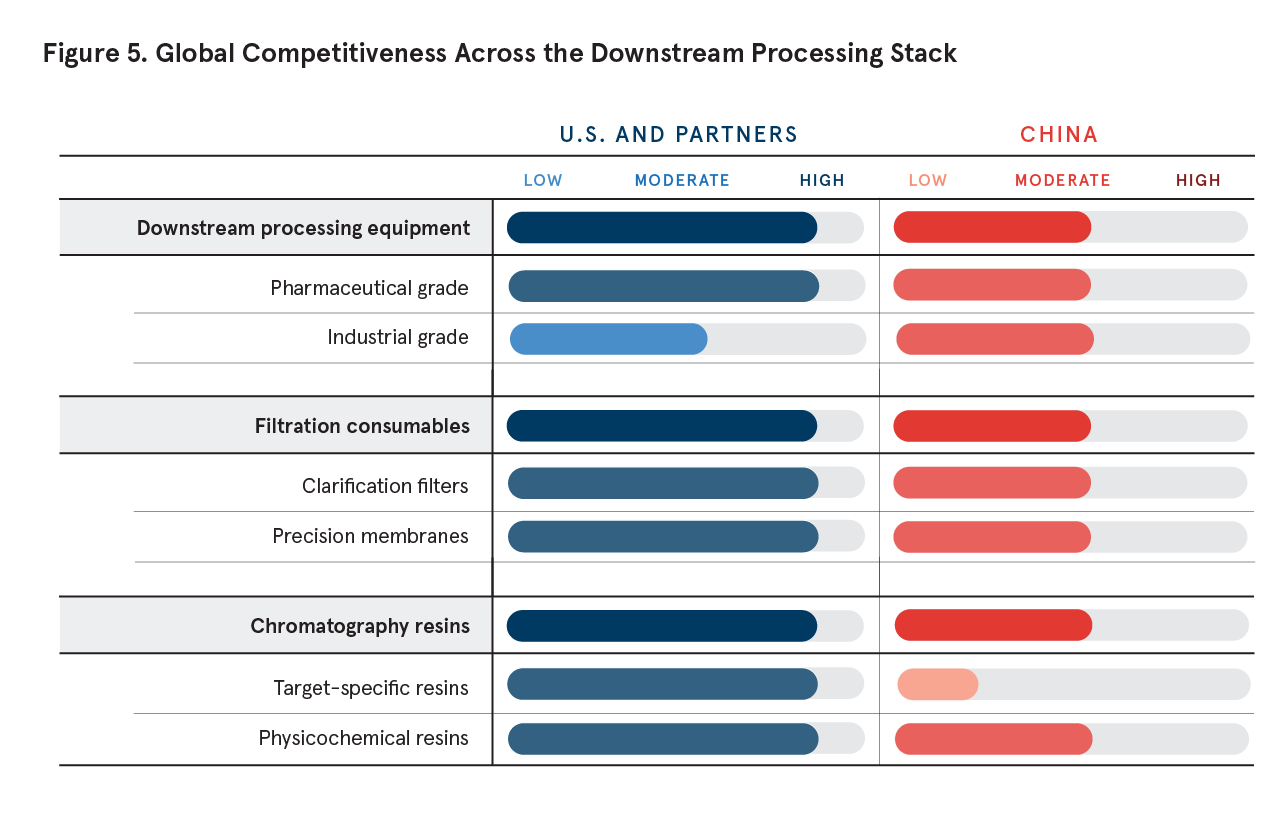
Most market analyses of downstream processing hardware consider U.S. and European firms as leaders in the field.84 However, nearly all publicly available data focus only on pharmaceutical applications. Within this sector, leadership is consolidated in manufacturers like Thermo Fisher Scientific (United States), Cytiva (United States), Merck (Germany), and Sartorius (Germany), many of whom are leaders in high-end bioreactor manufacturing as well. This multifaceted leadership indicates that a small group of Western companies are the key providers of foundational biomanufacturing hardware, at least for pharmaceutical applications. As this market segment is under the most pressure to innovate technologically, it is likely that firms based in the United States and its partner countries will remain the vanguard for innovating in areas like continuous processing or single-use integration.85 Therefore, this category is a meaningful, if narrow, source of competitive leverage for the United States and its partners.
The lack of equivalent data for industrial applications prevents clear conclusions. The technology needs for these applications differ from pharmaceuticals, often sacrificing precision or purity for scale and efficiency. Therefore, competitive advantage results less from technological innovation than from fabrication knowledge and industrial manufacturing excellence. The fragmented data that is available suggests that the legacy of U.S. leadership likely persists in a diminished capacity, while China’s manufacturing might has enabled explosive growth. Recent industrial biomanufacturing successes in China support this vision.86 Overall, a rough competitive parity between the two regions seems likely, but Chinese firms are probably accelerating faster.
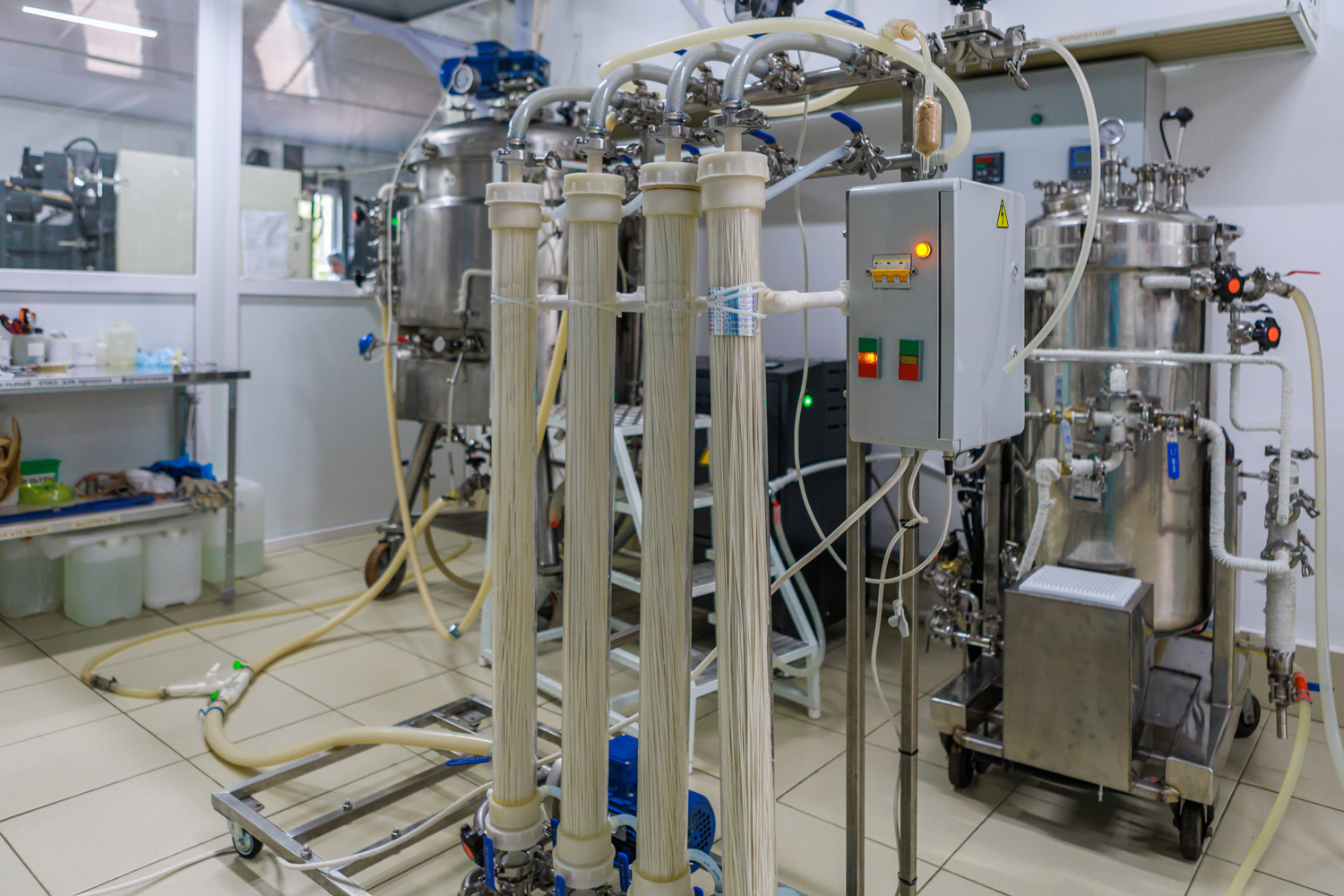
Photo by Elena Bionysheva-Abramova via istock photo
Filtration consumables remove unwanted contaminants and waste products from biomanufactured products. They range from simple sieves that catch large particles to nanoengineered materials that screen molecules based on size. Importantly, these filters also find use in non-biomanufacturing sectors like water treatment. Though filtration products are very diverse, two general categories can be used to illustrate the landscape:
Market analyses indicate that Western firms commercially dominate the clarification filter market,87 with one estimate putting the combined share of North American and European companies at 75 percent.88 Again, most analyses center on pharmaceutical applications. Though the intellectual property lead held by the United States and its partners will remain a significant advantage, Chinese manufacturers are expected to expand in regional markets and lower-end uses.89 Some Chinese companies like Cobetter are also launching new product portfolios targeting advanced applications.90
The precision membrane category presents a similar picture. Quantitative market assessments indicate that U.S., European, and Japanese corporations control several technology types.91 Chinese firms have developed expertise in related membrane technologies and are actively seeking to capture regional market share, incentivized by state support aimed at supply chain localization.92 Producers like LePure and Cobetter have fielded competitive products in several technology areas.93 However, because precision membranes are disproportionately deployed in pharmaceutical processes, there are major regulatory hurdles and high switching costs. Consequently, the intellectual property advantage held by Western firms is better insulated in this subcategory. They are likely to maintain appreciable control over these higher-end materials, posing a supply chain vulnerability for Chinese firms.94

Source: photographed by Adam Smith
Chromatography resins are process consumables that help capture a target product from a crude production mixture. While there is immense variation, chromatography resins broadly fall into two categories:
The overall market for chromatography resins is heavily consolidated and is dominated by the United States and its partners. The largest firms, which control more than 60 percent of the total market,95 are located in the United States, Europe, and Japan.96 While the market share of the Asia-Pacific region—including China but also India, Japan, and South Korea—is projected to grow quickly, overall displacement by Chinese firms appears unlikely.97
However, the competitive landscape is bifurcated by type of resin. Target-specific resins are the highest-value portion of the market, driven by their use in the lucrative biopharmaceutical sector.98 In this category, Western firms enjoy overwhelmingly lopsided market dominance, with firms such as Cytiva (United States) or Merck (Germany) benefiting from portfolios of advanced intellectual property and regulatory lock-in.99 Chinese competitors like NanoMicro Technology and Smart-Lifesciences primarily act as import substitutes for a limited segment of the Chinese domestic market, amid persisting reliance on foreign products.100 Given pharmaceutical firms’ everyday need for these materials, the difficulty of substitution, and the magnitude of leading producers’ advantage, this element of the technology stack is likely one of the highest-impact sources of shorter-term leverage available to the United States and its partners. However, this advantage will fade slowly as Chinese state support promotes supply chain resilience via further domestic development.
For physicochemical resins, Chinese firms are catching up due to their ability to mobilize massive production. While precise data are limited due to the commodity nature of these materials, Chinese firms have developed a strong presence by exploiting their industrial scale. Sunresin, a leading Chinese manufacturer, exemplifies this trend. The firm has reported substantial growth in biomanufacturing-relevant divisions (roughly 30 percent revenue growth in life sciences and food and plant processing101), buoyed by its established presence in mining and water treatment. Sunresin aims to leverage this growth to “systematically expand” in international markets.102 While Western firms like Bio-Rad or Mitsubishi Chemical remain globally competitive—particularly in high-end sectors like pharmaceuticals—they face increasing pressure in the mid-tier market.
The United States and its partner nations maintain a strong position across the biomanufacturing technology stack for now, but their lead is disappearing quickly (see figure 6). The West’s current advantage is a result of its dominant legacy in fundamental biotechnology research and pharmaceutical commercialization. However, China is emerging as a capable competitor throughout the biomanufacturing landscape. This ascent has been steered by focused and sustained state support that has aimed to bolster domestic competencies and capture key nodes of the supply chain. In most areas, Chinese growth is markedly faster and directed at particularly weak links.
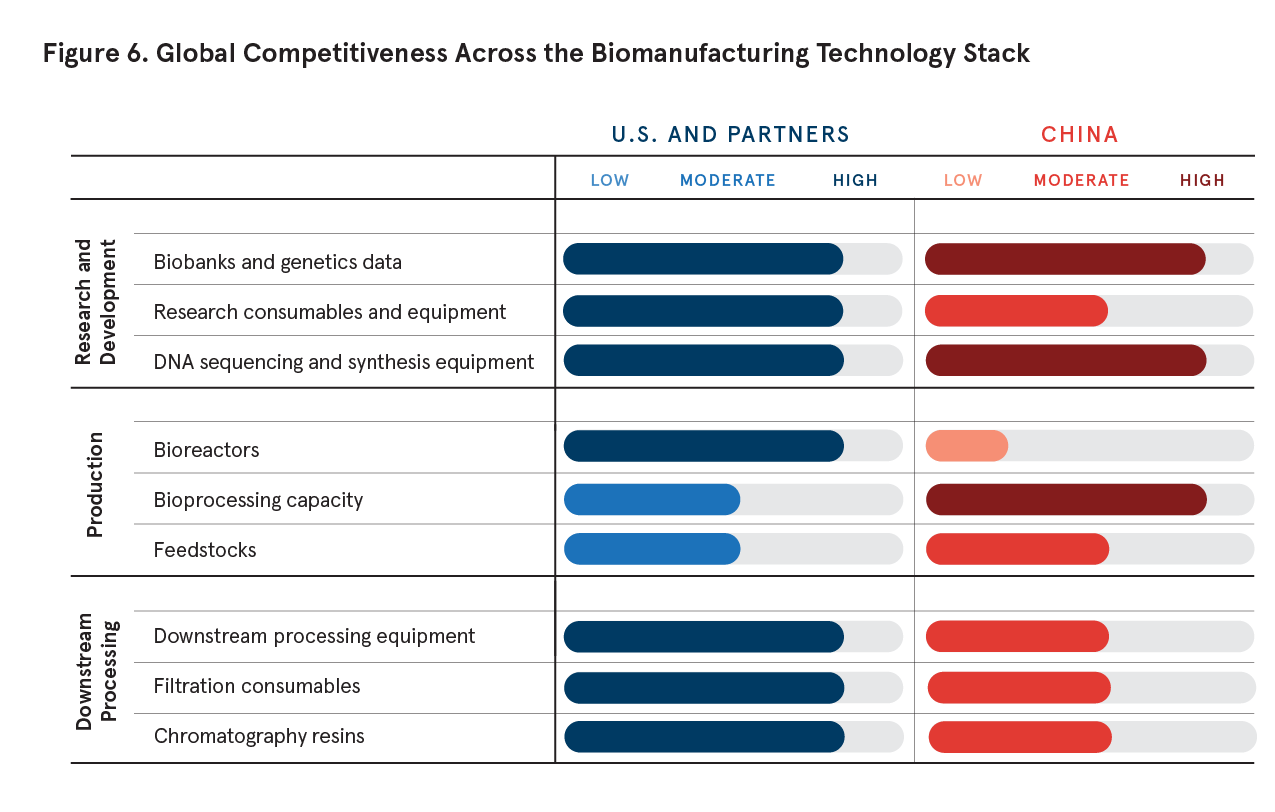
The United States and its partners are strongest in regulated and lucrative sectors like pharmaceuticals, while China is most competitive in bulk industrial biomanufacturing. This split reflects a fundamental divergence in focus between the two sides: Western markets tend to prioritize products with high profit margins, while China has focused on more strategic and high-volume manufacturing capacity, often with a view toward developing supply chain leverage.
This bifurcation indicates a major vulnerability for the United States. If the global bioeconomy continues to transition beyond specialty healthcare markets toward commodity materials and products, economic needs will shift heavily toward industrial-scale production infrastructure.103 Because Chinese firms already possess the necessary infrastructure and expertise, they are significantly better positioned to capture value from these emerging non-pharmaceutical sectors.
Critically, the United States’ current advantages rely on the integration of technological, commercial, and manufacturing networks with partner nations across Europe and Asia, particularly Germany, the United Kingdom, Japan, and South Korea. When considered together, the United States and these nations often maintain a major lead across several layers of the technology stack. However, when isolated, the U.S. position is far less dominant. Therefore, any efforts to leverage U.S. competitiveness must build upon this international network to be effective.
Strategic leverage across the biomanufacturing technology stack will manifest in different ways (see table 2). In the short term, the most impactful assets are those that require constant high-volume supply and whose producers are highly consolidated. Prominent examples in this category are feedstock additives (nearly monopolized by China) and target-specific chromatography resins (dominated by U.S. and European firms). For these items, customers’ need for an ongoing supply of specific formulations represents a major supply chain vulnerability. Loss of access would immediately halt business activity.
Longer-term leverage comes from control of the infrastructure that will support future biomanufacturing applications. Bioreactors and downstream processing equipment, both of which are markets that advantage a few Western companies, fit this description well. By controlling the design and supply of this equipment, regions with leading firms are positioned to regulate the global expansion of biomanufacturing. On the other hand, those countries who lack domestic producers will be dependent on foreign suppliers to build out their internal capacity.
The importance of some sources of competitive leverage depends on certain technological developments. Genetic data and DNA synthesis technology are illustrative. Currently, neither substantially influences biomanufacturing competitiveness. However, if the role of informatics and high-throughput DNA design becomes fundamental to the early-stage development of biomanufacturing processes, controlling these elements of the technology stack will become strategically critical to establishing a competitive advantage.
Going forward, policy development for industrial biomanufacturing will be hampered by data gaps and other analytical obstacles. While market and supply chain data for pharmaceutical applications is somewhat accessible, information on non-pharmaceutical biomanufacturing remains limited and fragmented. Much of this paper’s analysis was predicated on financial metrics, which are imperfect proxies for competitiveness. This imprecision is especially problematic when Chinese firms are often incentivized to pursue production scale or supply chain control over profit.104 Yet, in most cases, no other meaningful data was available. To unlock the national and economic security benefits promised by this sector of biomanufacturing, policymakers will need to invest in concerted efforts to overcome these data deficits.

Visiting Scholar, Technology and International Affairs Program
Lucas Fluegel is a visiting scholar in the Technology and International Affairs Program at the Carnegie Endowment for International Peace, where he explores the implications of advanced biotechnologies for international governance and global stability.
Recent Work
Lucas Fluegel
Carnegie does not take institutional positions on public policy issues; the views represented herein are those of the author(s) and do not necessarily reflect the views of Carnegie, its staff, or its trustees.

Germany, India, and other middle powers can’t build frontier AI alone, and they risk being cut off if they depend on the United States or China. The way through is to build the capacity for a frontier sprint while hoping never to use it.


Anton Leicht, Sam Winter-Levy

Why governance of rapidly evolving technology will be distributed and complex.


Stewart Patrick, Scott Singer

AI capabilities are moving fast. Most institutions—including governments—can’t keep up.
Anton Leicht, Scott Singer
The Bureau of Industry and Security needs to adjust its focus and practices to maintain its position as the U.S. government’s primary champion of international technological competition.

Geoffrey Irving

Moscow is testing Europe’s defenses with drone incursions and could decide to use drones against the continent on a much larger scale once the war in Ukraine pauses. European countries will need Kyiv to help them prepare for such a possibility.

Pavlo Zvenyhorodskyi