

Article
Marina Ottaway, Omar Hossino
{
  "authors": [
    "Marina Ottaway"
  ],
  "type": "other",
  "centerAffiliationAll": "dc",
  "centers": [
    "Carnegie Endowment for International Peace",
    "Malcolm H. Kerr Carnegie Middle East Center"
  ],
  "collections": [],
  "englishNewsletterAll": "menaTransitions",
  "nonEnglishNewsletterAll": "",
  "primaryCenter": "Malcolm H. Kerr Carnegie Middle East Center",
  "programAffiliation": "MEP",
  "programs": [
    "Middle East"
  ],
  "projects": [],
  "regions": [
    "Middle East",
    "Iran",
    "Israel",
    "Türkiye",
    "Saudi Arabia",
    "Egypt",
    "Gulf",
    "Levant",
    "Maghreb"
  ],
  "topics": [
    "Political Reform",
    "Security",
    "Foreign Policy"
  ]
}
Source: Getty
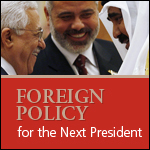
President-elect Obama emphasizes the need for greater diplomacy and a willingness to engage with hostile regimes. This commitment to “return to diplomacy” will not be enough to end the deadlock in the Middle East. Obama should break from traditional U.S. posture and support peace initiatives originating with Arab countries.
During the campaign, President-elect Obama emphasized the need for greater diplomacy and a willingness to engage with hostile regimes. This commitment to “return to diplomacy” will not be enough to break the deadlock in the Middle East. Obama should break from traditional U.S. posture and support peace initiatives originating with Arab countries, urges a new paper by the director of the Carnegie Middle East Program.
Marina Ottaway explains that the United States lacks the legitimacy and capacity to monopolize leadership in the peace process. The new administration should signal its support for three key Arab undertakings: Syrian–Israeli negotiations under Turkish leadership, Hamas–Fatah talks brokered by Egypt, and the Arab–Israeli initiative most recently proposed by Saudi Arabia.
Key Conclusions:
Ottaway concludes:
“The new administration needs to rethink the U.S. role in the politics of the Middle East, abandon the assumption that it must be at the center of every initiative, build on what the regional countries are trying to do, and, in the process, encourage them to take more responsibility. At a time when American solutions appear deadlocked and the new president will have to concentrate his attention on the economy, sharing the burden provides a way forward.”
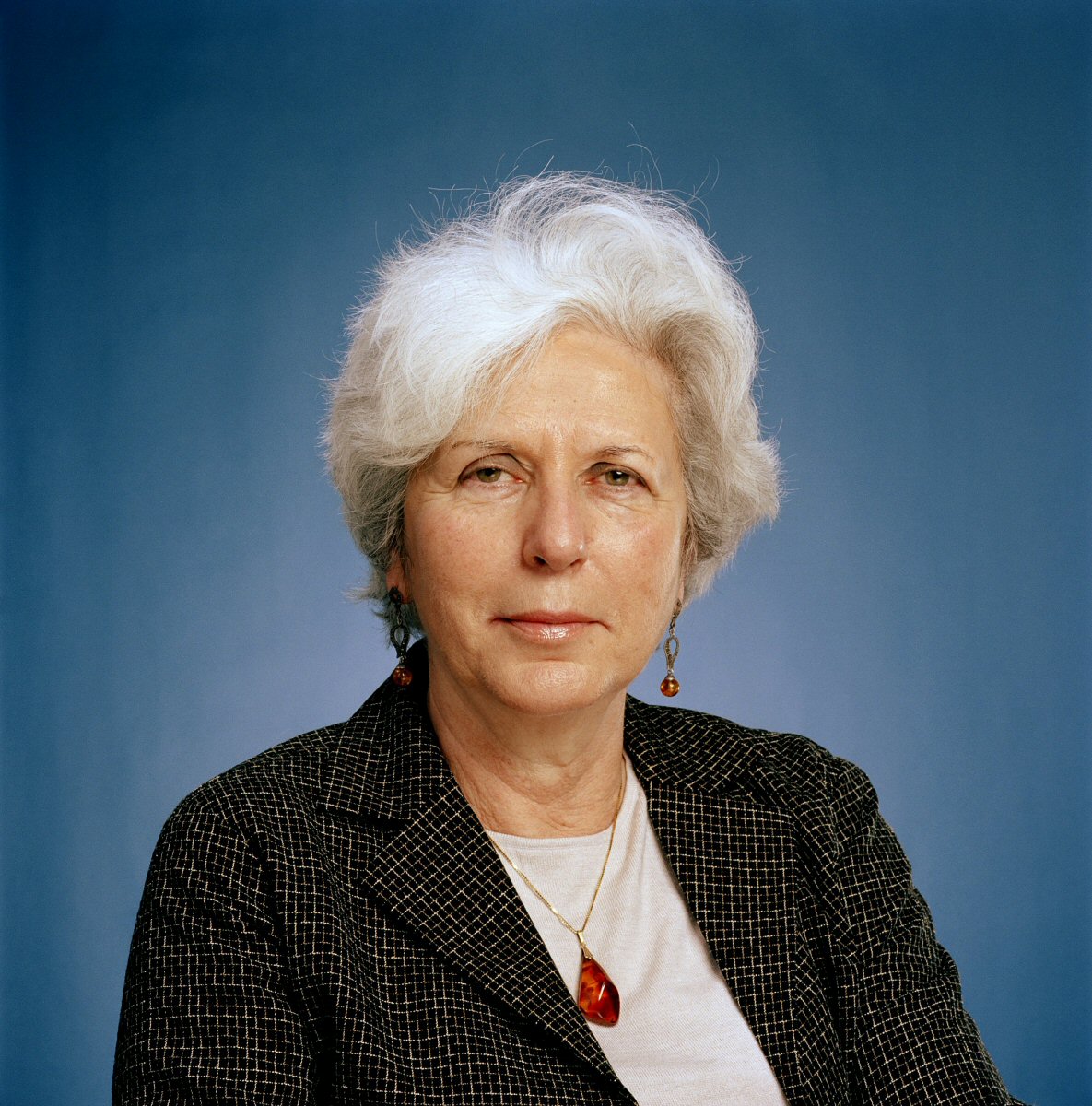
Former Senior Associate, Middle East Program
Before joining the Endowment, Ottaway carried out research in Africa and in the Middle East for many years and taught at the University of Addis Ababa, the University of Zambia, the American University in Cairo, and the University of the Witwatersrand in South Africa.
Recent Work
Marina Ottaway, Omar Hossino
Marina Ottaway
Carnegie does not take institutional positions on public policy issues; the views represented herein are those of the author(s) and do not necessarily reflect the views of Carnegie, its staff, or its trustees.

Japan’s long-term security policy is driven by concerns about China, and there is little appetite for (or interest in) pursuing a confrontation with Moscow.

James D.J. Brown
The truth of the strategic situation is that Europe and Russia are extremely unlikely to be able to “turn the page” on their confrontation within the next two decades.
Arkady Moshes

Putin’s conservative staffing policies and search for ever greater control have cemented parliament’s transformation into a bureaucratic appendage of the executive branch.

Andrey Pertsev

Russia’s AI-driven propaganda campaigns operate in a fragmented, chaotic, and often illogical manner. That’s not necessarily a problem for the Kremlin, though: It’s much easier to mimic genuine public debate that way.

Ilya Klishin

Without a ceasefire with Ukraine on attacking each other’s energy infrastructure—to which the Kremlin is unlikely to agree—the diesel agreement between Putin and Trump is largely for show, rather than representing a genuine increase in the volumes of Russian diesel on the global market.

Sergey Vakulenko