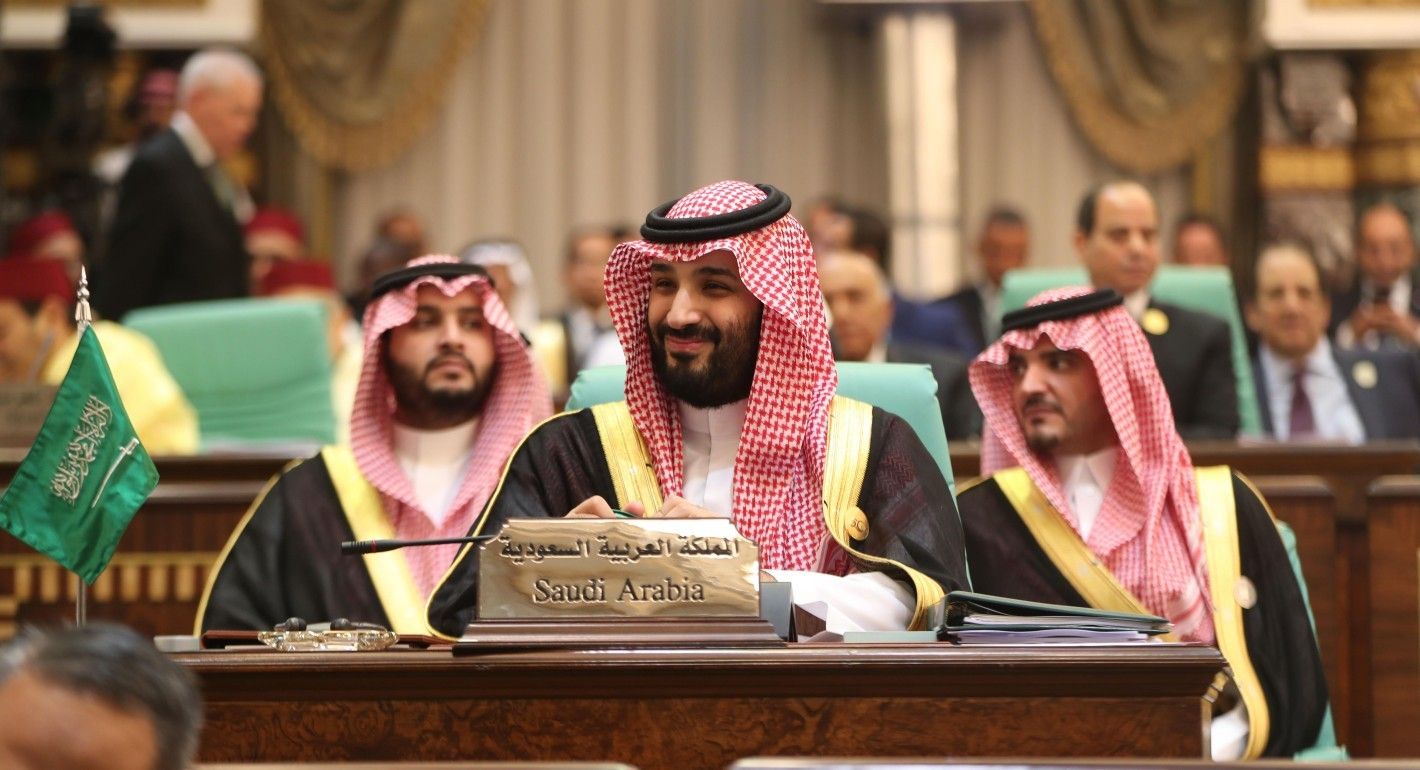
In a lavish ceremony in November in the remote port town of Thuwal, a three-hour drive from Mecca, King Abdullah of Saudi Arabia laid the cornerstone for a new Western-style science and technology university. "Based on Islam's eternal values, which urge us to seek knowledge and develop ourselves and our societies, and relying on God Almighty, we declare the establishment of King Abdullah University of Science and Technology, and hope it will be a source of knowledge and serve as a bridge between people and cultures," he told the crowd of over 1,500 national and foreign dignitaries. Observers, however, are skeptical about the viability of such new institutions.The King Abdullah University of Science and Technology (KAUST) is at the forefront of Saudi Arabia's new efforts to reform an antiquated higher education system. The country’s Ministry of Higher Education—established in 1975—has been mainly controlled by the Wahhabi elite, who emphasize religious instruction over liberal arts or sciences. As recently as 2003, Saudi Arabia had only eight universities for a population of over 22 million people—75 percent of them under 30—and spent less than a quarter of one percent of its GDP on research, as opposed to 10 percent spent on the military.
Under the leadership of reform-minded King Abdullah, the country has begun a massive overhaul of its higher education system. The Ministry of Higher Education has opened more than 100 new universities and colleges in the past four years, funded by a $15-billion budget, which has tripled since 2004. KAUST's $10-billion endowment makes it the sixth richest university in the world before even opening its doors. King Saud University, the nation's largest, recently announced the hiring of twenty-four Nobel laureates. The government has also lifted its ban on private universities, and will be providing $10-million toward scholarships and building costs for the half-dozen private institutions already in the works.
As a personal project of the King—and under the aegis of the relatively secular Saudi oil company Aramco rather than the Ministry—KAUST will push social boundaries by becoming the Kingdom’s first co-educational university. Some of the new private universities are hoping to follow in its path. Among KAUST's advisors are high-ranking administrators from Cornell University, Imperial College of London, and the National Academy of Sciences. Private universities have already teamed up with consultants from Harvard University, the Massachusetts Institute of Technology, and the University of Cambridge.
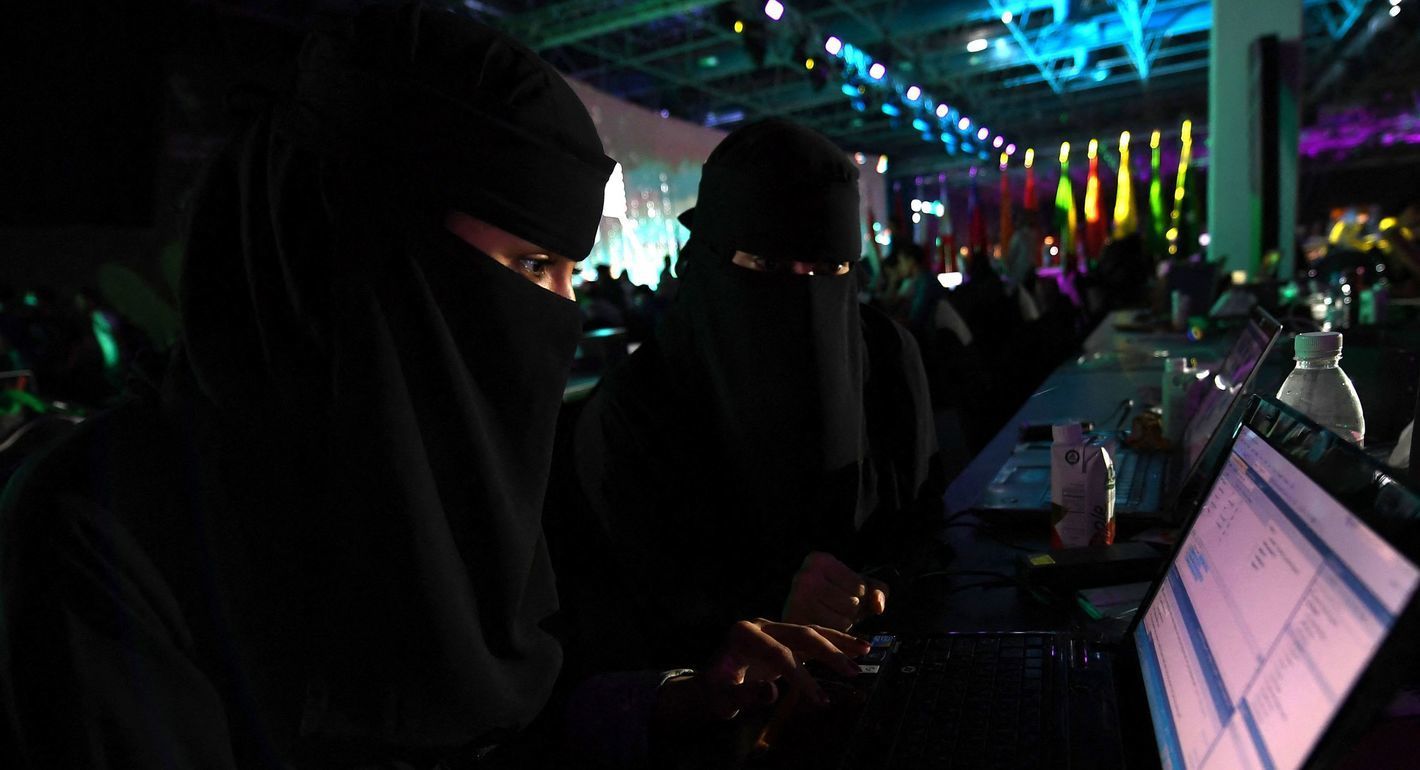
Education reform is also part of a set of broader efforts to diversify the Saudi economy and “Saudify” the Kingdom's companies, a strategy to address the staggering youth unemployment rate of 30 percent. In turn, most of the reforms are directed toward the sciences, high-tech, and other lucrative fields. "We've tailored most of out new programs—I'd say close to 80 percent of them—to the labor market needs," says Mohammed al-Ohali, deputy minister of higher education. Many university administrators also admit that focusing on the sciences—rather than politics, literature or history—will help them escape the scorn of the Saudi religious elite.
One of the primary challenges facing these new universities will be attracting Western faculty to a country known for its severe social restrictions, such as the ban on alcohol, most public entertainment, and women’s driving as well as restrictions on women's dress. To overcome these challenges, KAUST is planning on spending $100-million a year on international research grants and academic prizes, and will shoulder the costs of jointly hiring professors at foreign universities who will split their time between the partners. The university also hopes to create a steady pipeline of graduate students by funding 250 undergraduates every year to complete their studies abroad in exchange for commitments to enroll in KAUST as graduate students.
But critics both inside and outside the Kingdom are skeptical that these new universities, even with Western faculty and Western-designed curricula, will be able to flourish in the restrictive Saudi environment. "It's not only about buildings and labs and big names and throwing money at everything," says Khalid al-Dakhil, a former professor at King Saud University who was forced to retire early because of his controversial research about Saudi history. "If you want to build a Western-style university in Saudi Arabia, you have to remember that these institutions prospered because of the freedom of those societies. You have to be comfortable asking questions."
Even the special status accorded to KAUST by the King's sponsorship may not be enough to protect it from adversarial forces in Saudi society. Hassan al-Husseini, a former administrator at the King Fahad University of Petroleum and Minerals, which was Saudi Aramco's first attempt at starting a Western-style university, cautions that "when something is established by royal edict, then that same thing can be reversed by another royal edict. It's not like you have legal protection for such things in Saudi Arabia."
Zvika Krieger is a special correspondent for Newsweek and Middle East correspondent for the Chronicle of Higher Education.