

Commentary
Six months into the conflict, Hamas continues to challenge the Israeli army—raising questions about Israel’s ability to eradicate the group.
Reham Owda
{
  "authors": [
    "Giorgio Cafiero"
  ],
  "type": "commentary",
  "blog": "Sada",
  "centerAffiliationAll": "dc",
  "centers": [
    "Carnegie Endowment for International Peace"
  ],
  "collections": [
    "The Gaza War and Regional Reverberations"
  ],
  "englishNewsletterAll": "menaTransitions",
  "nonEnglishNewsletterAll": "",
  "primaryCenter": "Carnegie Endowment for International Peace",
  "programAffiliation": "MEP",
  "programs": [
    "Middle East"
  ],
  "projects": [],
  "regions": [],
  "topics": []
}
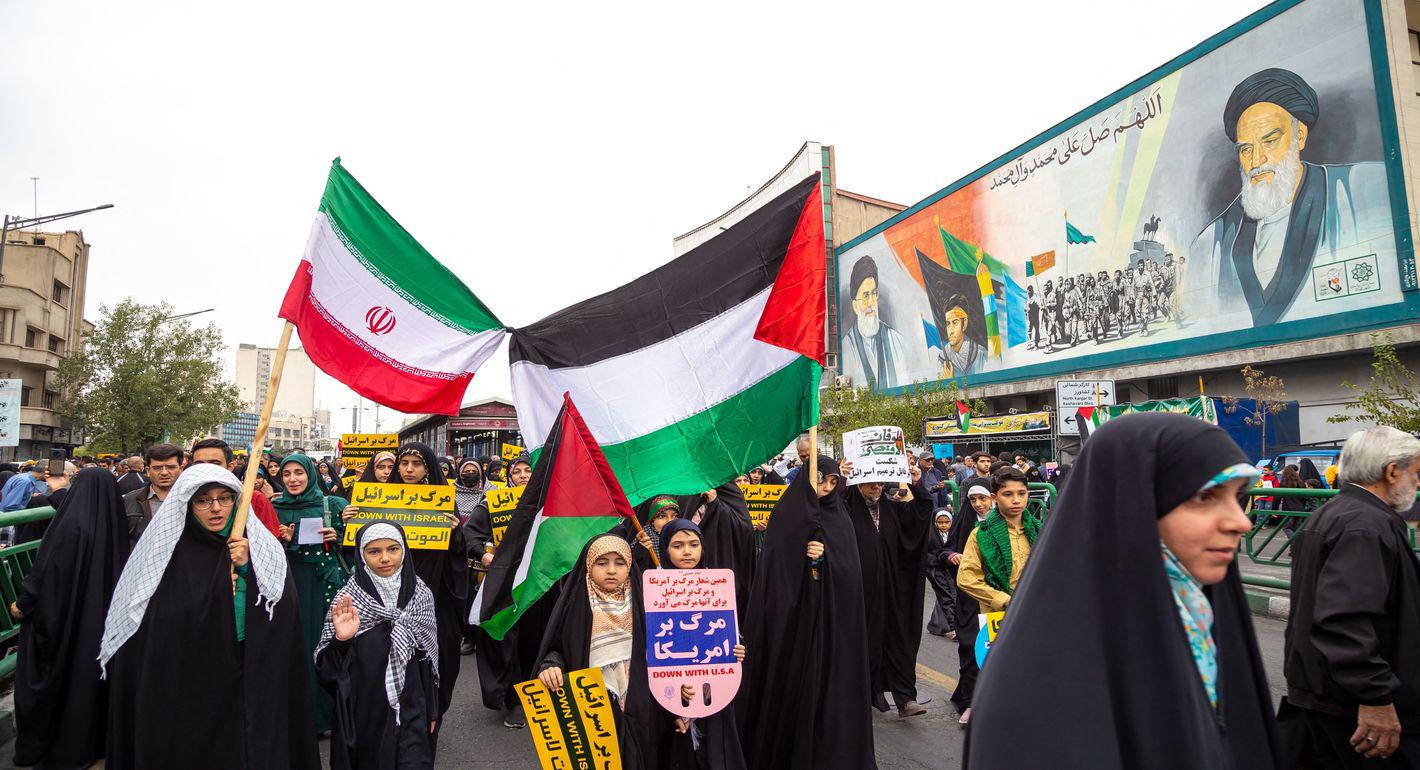
Source: Getty
Following the October 7 attacks, the Islamic Republic has pledged to unify its “axis of resistance” in support of Hamas, but the crisis may escalate out of Iran’s control.
After Hamas launched Operation Al-Aqsa Flood, the group’s unprecedented incursion into Israel on October 7 that left 1,400 Israelis dead, there were conflicting reports about the extent of Iran’s involvement. On October 8, the Wall Street Journal reported that Iranian security officials helped to plan Hamas’s surprise attack and “gave the green light for the assault.” But officials in Israel, the U.S., and Iran, as well as the Hamas leadership itself, joined together in denying the report’s claims. Other experts suggested that evidence for such claims was “slim and contradictory.”
Yet despite this, officials in Tehran glorified the incursion. Rahim Safavi, an adviser to Supreme Leader Ali Hosseini Khamenei, congratulated the Palestinian fighters and affirmed Tehran’s support “until the liberation of Palestine and Jerusalem.” According to Ali Bahadori-Jahromi, a spokesperson for Iran’s government, the incursion “proved that the Zionist regime is more vulnerable than ever and that the initiative is in the hands of Palestinian youth.”
Hamas’ surprise attack is a strategic win for Tehran and the Iranian-led “axis of resistance” because it has shattered Israelis’ sense of security in a heavily militarized country, removed the possibility of Saudi-Israeli normalization for the foreseeable future, and demonstrated the cohesion of various Iran-backed non-state actors that challenge the regional status quo.
At this point, Iran is preparing for what may come next. Tehran’s message is that an Israeli ground invasion in Gaza would cross a redline: Iran is recruiting volunteer fighters and Quds Force commander Esmail Qa'ani was recently in Syria coordinating militias operating within Tehran’s “axis of resistance.” Iran’s Foreign Minister Hossein Amir-Abdollahian has been discussing this escalating crisis with his counterparts in Malaysia, Pakistan, and Tunisia, seeking to rally the wider Islamic world against Israel.
Nonetheless, Iran has not specified what it would do if Israel crosses its redline. At no point has Tehran indicated plans for any Iranian military intervention in this crisis and it seems unlikely that Iran would directly engage the Israel Defense Forces. A more likely scenario is that Tehran would boost support for Iran’s regional partners, surrogates, and proxies such as Fatemiyoun Brigade, Lebanese Hezbollah, and Iraqi Shi’a militias and pressure them to act against Israel.
Although predicting the outcome of this Hamas-Israel crisis is a fool’s errand, so far, Iran appears to be a benefactor. This fighting has derailed the White House’s efforts to bring Saudi Arabia into the Abraham Accords, which the Islamic Republic perceives as a grave threat. In fact, four days after Hamas launched its surprise attack, Iran’s President Ebrahim Raisi had his first conversation with Saudi Crown Prince and Prime Minister Mohammed bin Salman, where they affirmed their common goal to “end war crimes against Palestine.” Whereas the Biden administration has sought to bring Riyadh and Tel Aviv closer and unify Middle Eastern states against Iran, this conversation between the two leaders highlighted some degree of alignment, especially as popular protests across the Arab world erupt against the collective punishment of 2.3 million Palestinians in Gaza.
Ongoing violence in Israel-Palestine also helps tighten the unity of Iran’s regional “axis of resistance”. Lebanese Hezbollah’s strong support for Hamas this month has demonstrated how the tension between the two groups over the Syrian crisis has essentially become water under the bridge, ultimately strengthening Iran’s hand.
Nonetheless, neither Iran nor any single actor in the Middle East can control this crisis. Even if both Lebanese Hezbollah and Israel seek to avoid an all-out war, events could spiral out of control and drag them into military conflict, with or without Iran’s consent. Under such circumstances, Tehran might conclude that it has no choice but to involve itself directly, which could be a costly sacrifice in the long term. Despite Iran’s initially praise of and support for Hamas’s incursion on October 7, then, an escalation of this crisis may ultimately backfire against the Islamic Republic.
Giorgio Cafiero is the CEO and founder of Gulf State Analytics, a Washington-based geopolitical risk consultancy, and an adjunct fellow at the American Security Project. Follow him on X @GiorgioCafiero.
Giorgio Cafiero
Carnegie does not take institutional positions on public policy issues; the views represented herein are those of the author(s) and do not necessarily reflect the views of Carnegie, its staff, or its trustees.
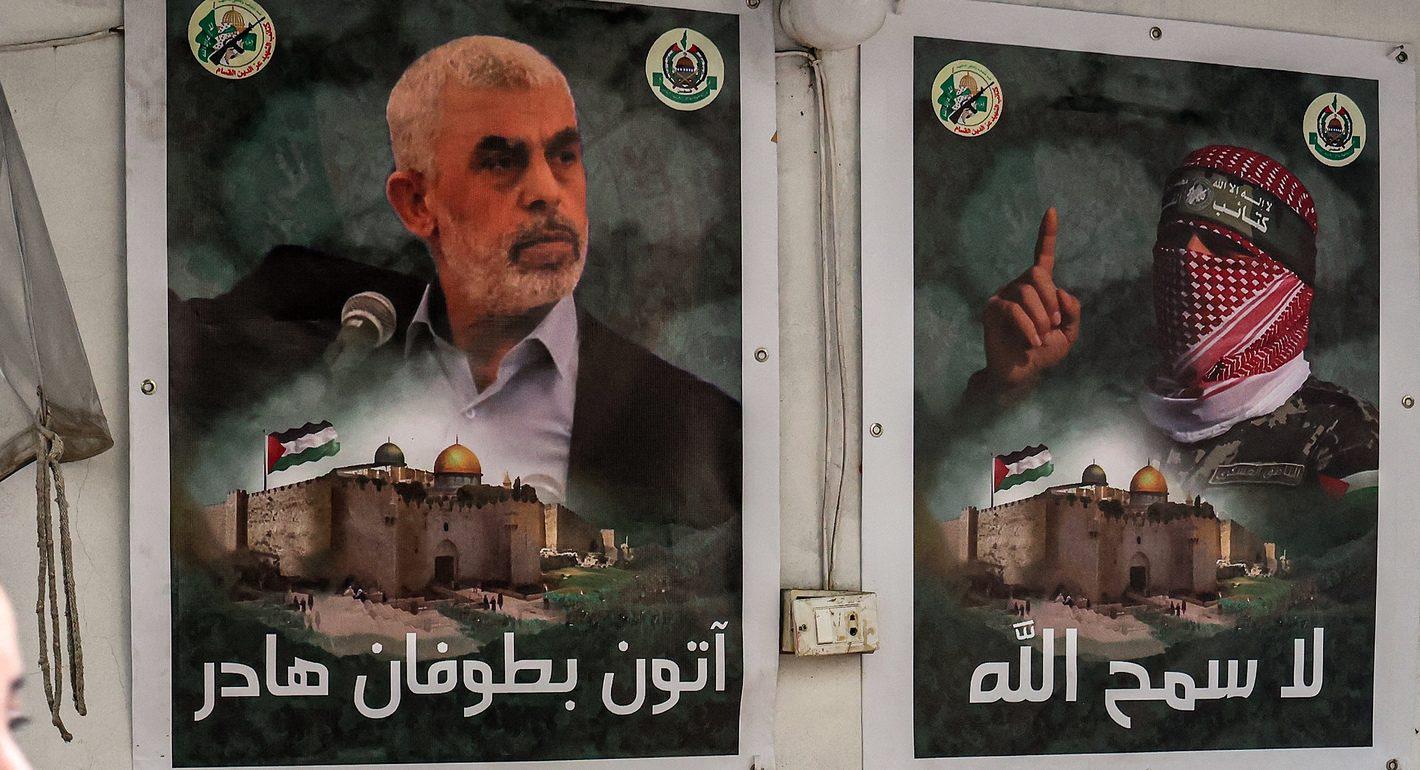
Six months into the conflict, Hamas continues to challenge the Israeli army—raising questions about Israel’s ability to eradicate the group.
Reham Owda
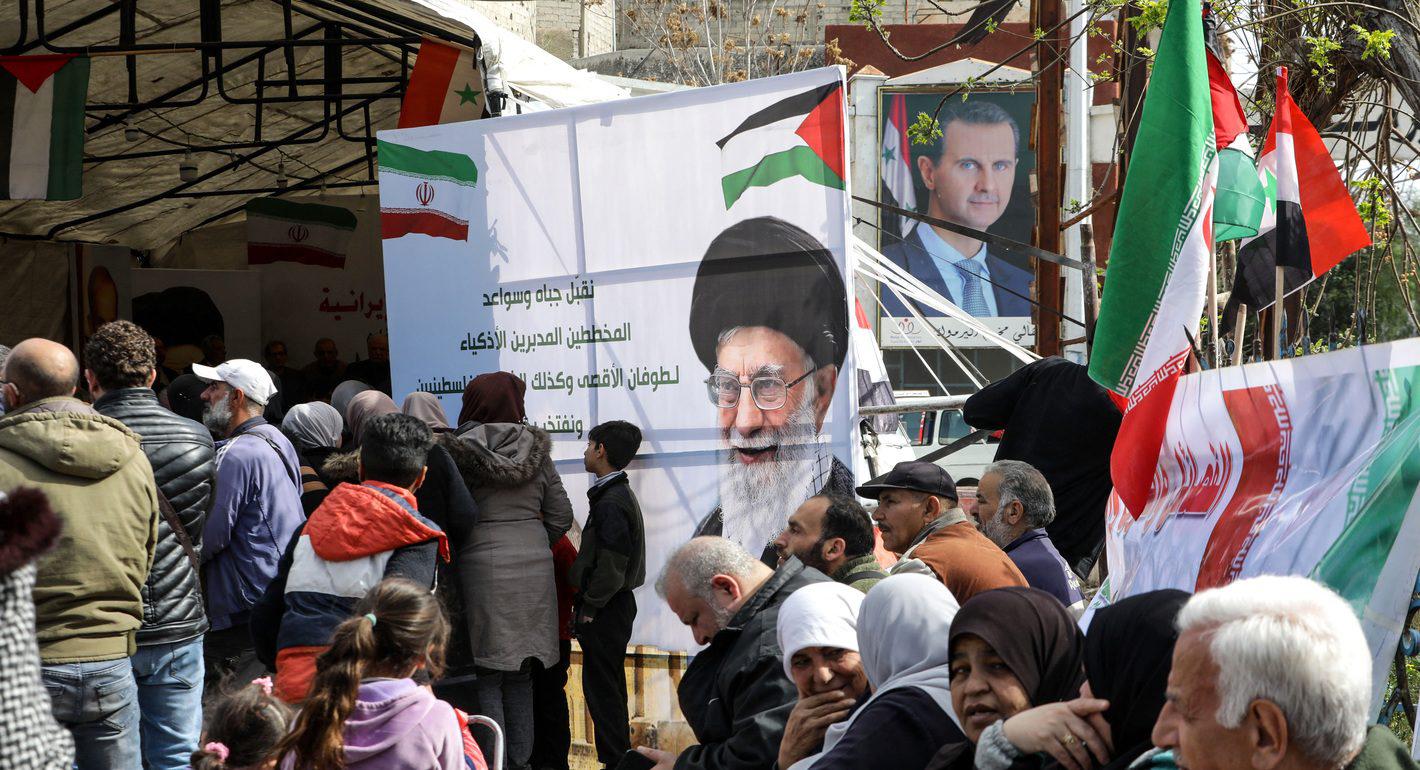
Iran’s adventurism may push Damascus to commit to Saudi-led efforts and reintegrate into the Arab fold.
Faysal Abbas Mohamad
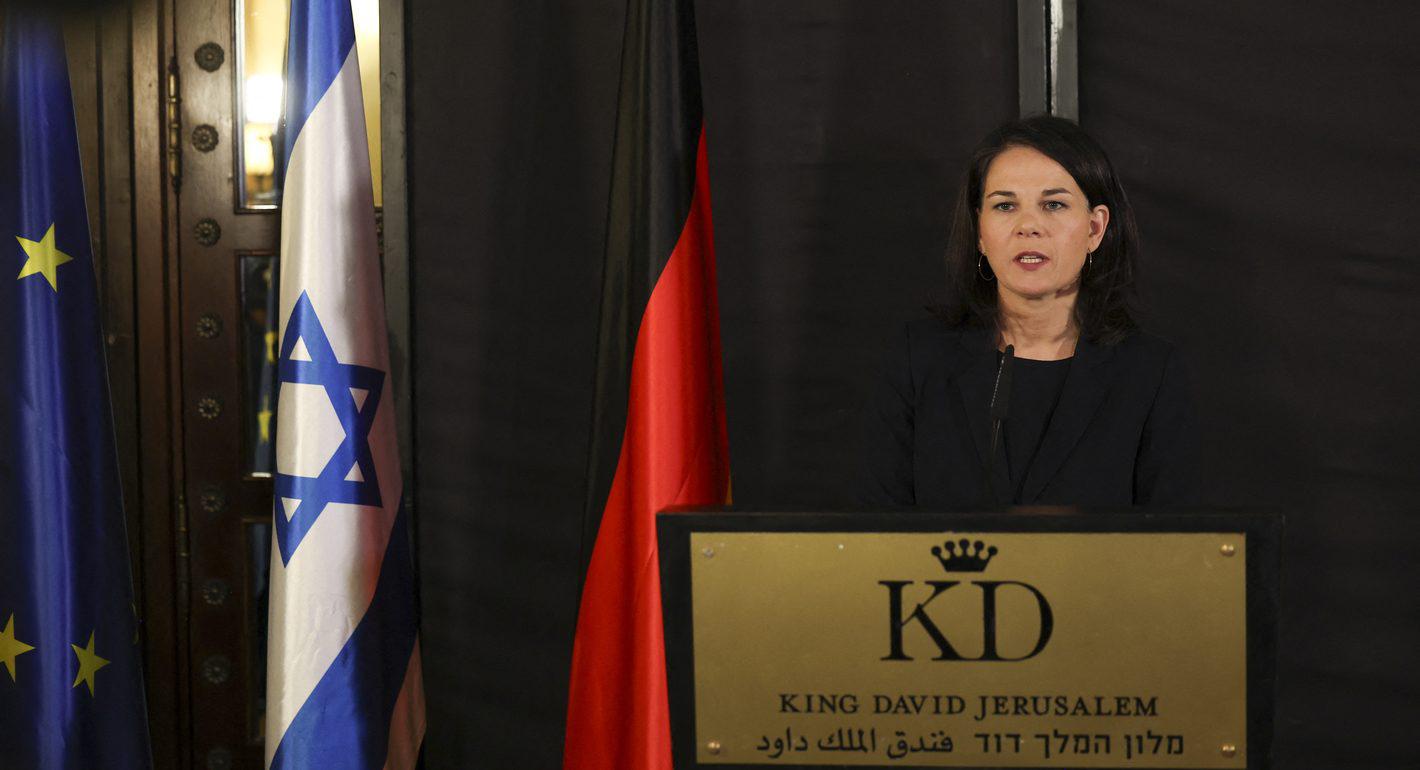
By unconditionally supporting Israel’s war, Germany is increasingly isolating itself on the global stage.
Lena Obermaier
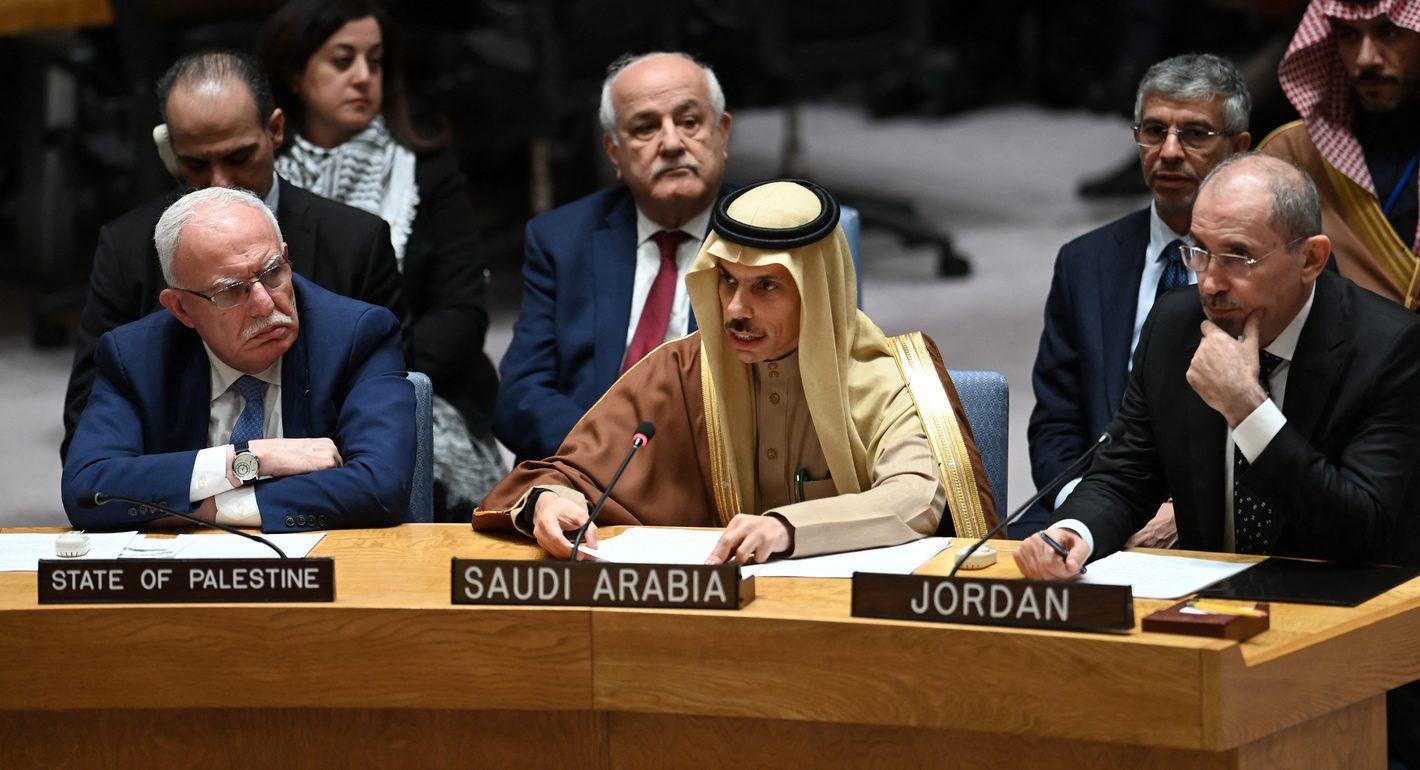
Saudi Arabia has long been perceived in the Arab world as a champion of the Palestinian cause, but developments over the past two decades suggest an imminent transformation.
Safa Nasser
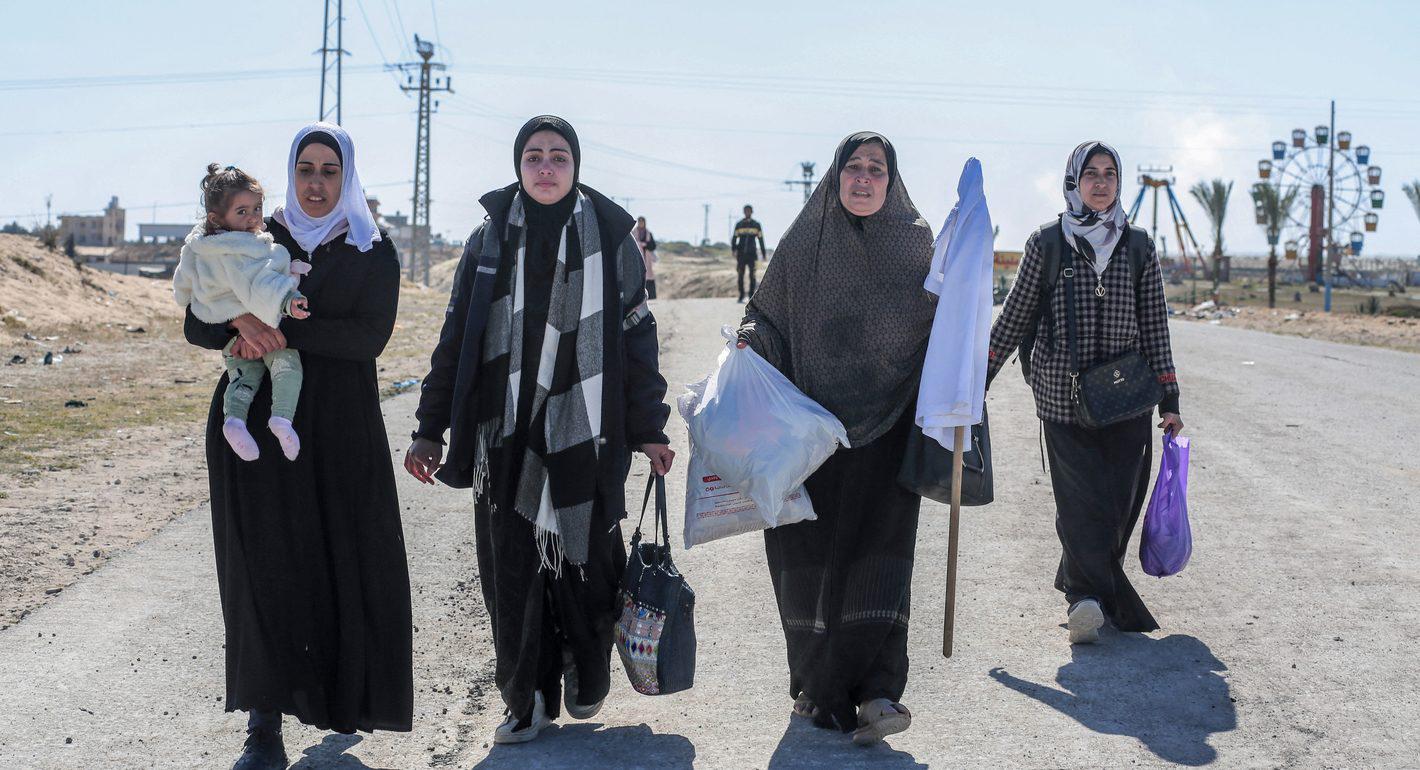
The story of Reham, a young mother sheltering in Rafah, illustrates the impact of Israel’s war on women and families.
Shahd Safi