

Commentary
Six months into the conflict, Hamas continues to challenge the Israeli army—raising questions about Israel’s ability to eradicate the group.
Reham Owda
{
  "authors": [
    "Mariam Shah"
  ],
  "type": "commentary",
  "blog": "Sada",
  "centerAffiliationAll": "dc",
  "centers": [
    "Carnegie Endowment for International Peace"
  ],
  "collections": [
    "The Gaza War and Regional Reverberations"
  ],
  "englishNewsletterAll": "menaTransitions",
  "nonEnglishNewsletterAll": "",
  "primaryCenter": "Carnegie Endowment for International Peace",
  "programAffiliation": "MEP",
  "programs": [
    "Middle East"
  ],
  "projects": [],
  "regions": [],
  "topics": []
}
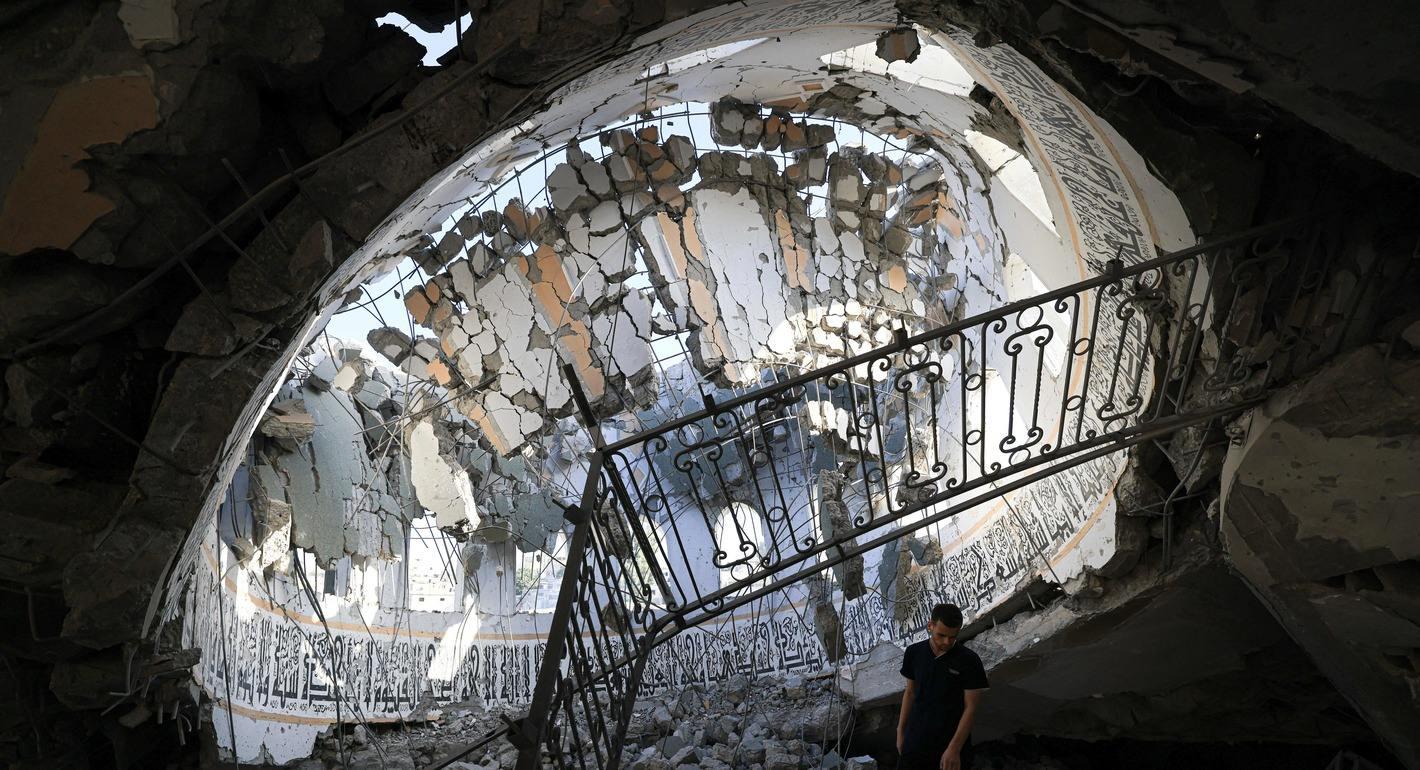
Source: Getty
Israel’s military campaign represents a calculated effort to sever cultural continuity, leaving a lasting mark on Palestinian collective identity.
Since October 7, Israel’s ongoing military campaign has torn the cultural fabric of Palestinian life in Gaza apart. From the destruction of Rashad Al-Shawwa Cultural Center and the Al-Qarara Museum to the deaths of at least twenty-eight Palestinian artists and writers—poets and academics like Refaat Alareer and Dr. Sufyan Tayeh and young talents like Sham Abu Obeid and Leila Abdel Fattah Al-Atarsh—the relentless bombings have scarred Gaza’s artistic and literary community. As Dr. Atef Abu Saif, the current Minister of Culture in Palestine, reflects in the ministry’s latest report on cultural sector damage in Gaza, “the war on culture has always been at the heart of the aggressors’ war on our people.”
What’s happening in Gaza is a multi-layered act that extends far beyond the physical destruction of artifacts or the killing of individuals. These actions are part of broader destructive processes that undermine a community's heritage, identity, and existence—with profound symbolic and psychological implications for Palestinians not only in Gaza but globally.
The physical destruction of cultural sites in Gaza has severe ramifications for the study and production of Palestinian historical narratives. Through the eradication of universities and archives, Palestinians have lost centuries-old manuscripts and other invaluable resources for understanding Gaza's cultural evolution and history. Artifacts and archeological treasures have been severely damaged, including a Byzantine-era pottery collection and a newly found Roman cemetery with rare lead caskets.
But just as important is the symbolic impact of this widespread destruction. Israel has targeted ancient mosques and churches, which are symbols of both historical and religious significance. These sites transcend physicality; they are vessels of faith and tradition, preserving local architectural legacies and representing the long history of interfaith coexistence in Gaza.
This destruction, both physical and symbolic, serves a larger political agenda—the erasure of Palestinian identity and collective memory, which may amount to cultural genocide. Importantly, cultural genocide is often studied as a component within the broader framework of genocide. Since 1944, when Polish lawyer Ralph Lemkin coined the term, it has encompassed more than mere killings; genocide includes efforts to erase the culture, language, and religious aspects of targeted groups. Genocide is not a sudden event; as many scholars have argued, it is a systematic progression with several interlinked stages.
While cultural genocide can be understood on its own terms, so too should it be seen as part of this larger process. Eradicating the rich cultural and literary scenes in Gaza is itself an act of dehumanization, a key stage of genocide, that aligns with the more familiar examples to emerge from the war—Israeli politicians, for instance, referring to Palestinian civilians as “human animals.” In fact, South Africa's recent application to the International Court of Justice (ICJ), instituting proceedings against the Israeli regime under the Genocide Convention, highlighted the destruction of “the official memory and records of Palestinians in Gaza,” as well as “private memories, histories and futures.”
For those in Gaza that survive the war—and for Palestinians outside of the strip—the devastation will have a profound and enduring psychological impact. By erasing their cultural identity and removing links to their past, Israel is creating new traumas that may persist for generations. As Palestinian artist Bashar Murad argues, in addition to the war on the ground, “there’s also a mental war and a war on our identities.”
In times of conflict, pens wield the power to shape change and advance the struggle for justice. It is incumbent upon the global literary and artistic community to preserve Gaza's silenced voices and amplify the ones that can still speak.
Mariam Shah is an independent researcher and a PhD scholar in Peace and Conflict Studies.
Mariam Shah
Carnegie does not take institutional positions on public policy issues; the views represented herein are those of the author(s) and do not necessarily reflect the views of Carnegie, its staff, or its trustees.
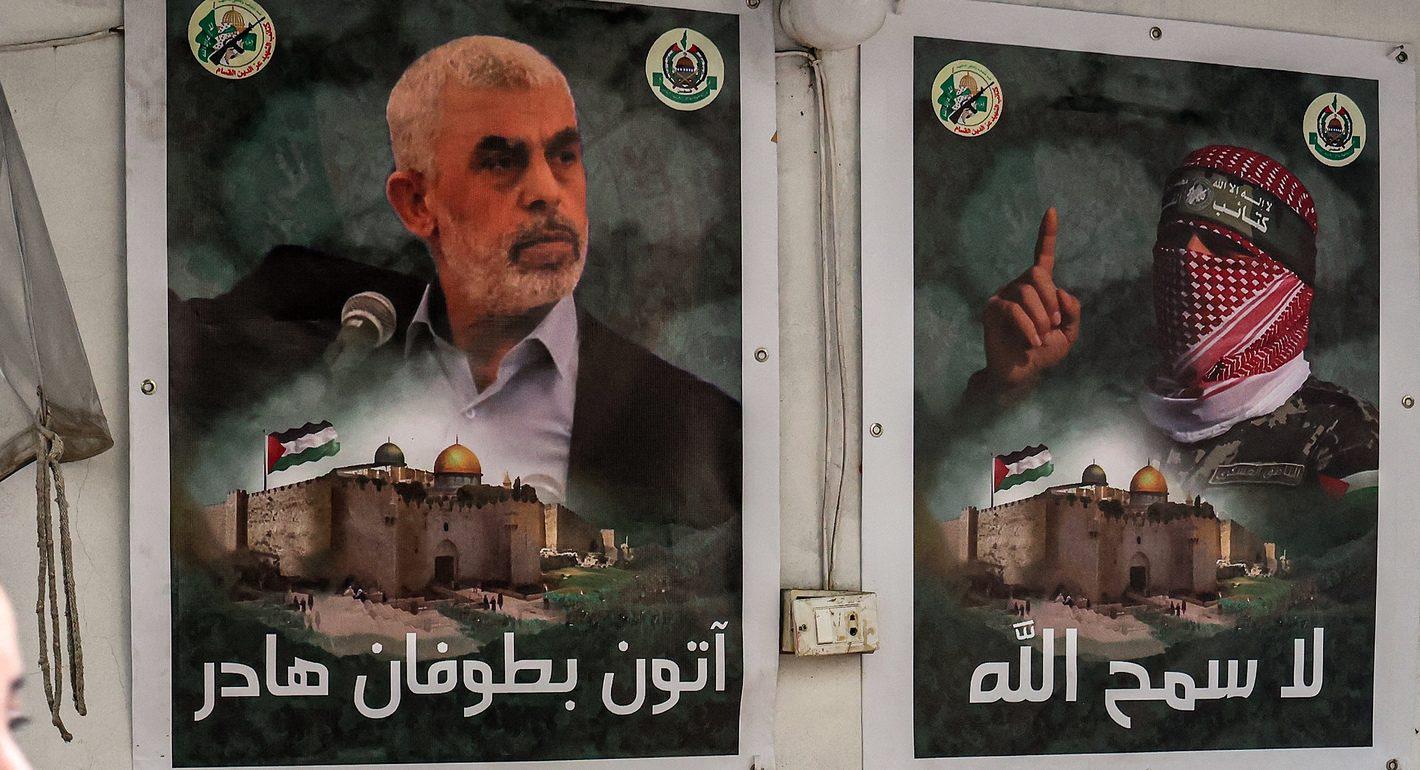
Six months into the conflict, Hamas continues to challenge the Israeli army—raising questions about Israel’s ability to eradicate the group.
Reham Owda
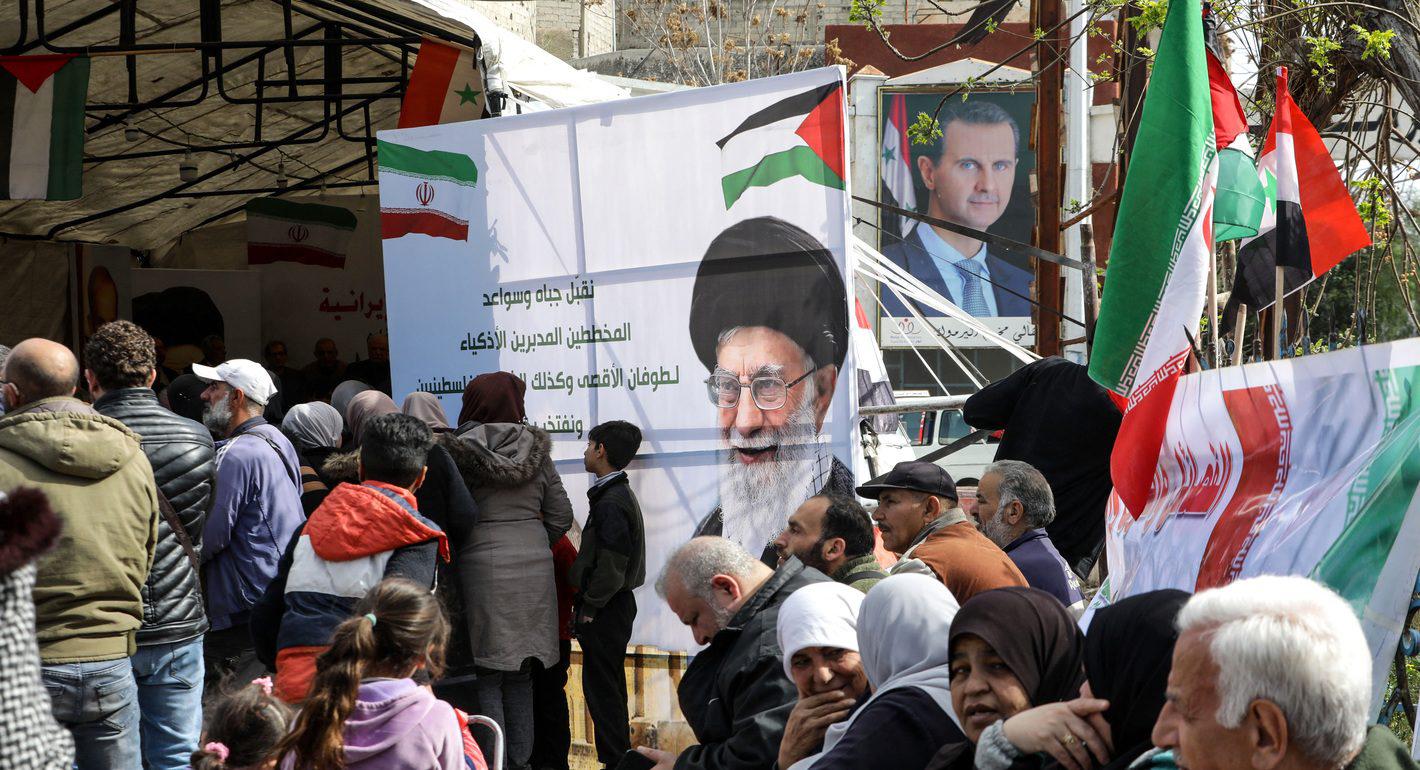
Iran’s adventurism may push Damascus to commit to Saudi-led efforts and reintegrate into the Arab fold.
Faysal Abbas Mohamad
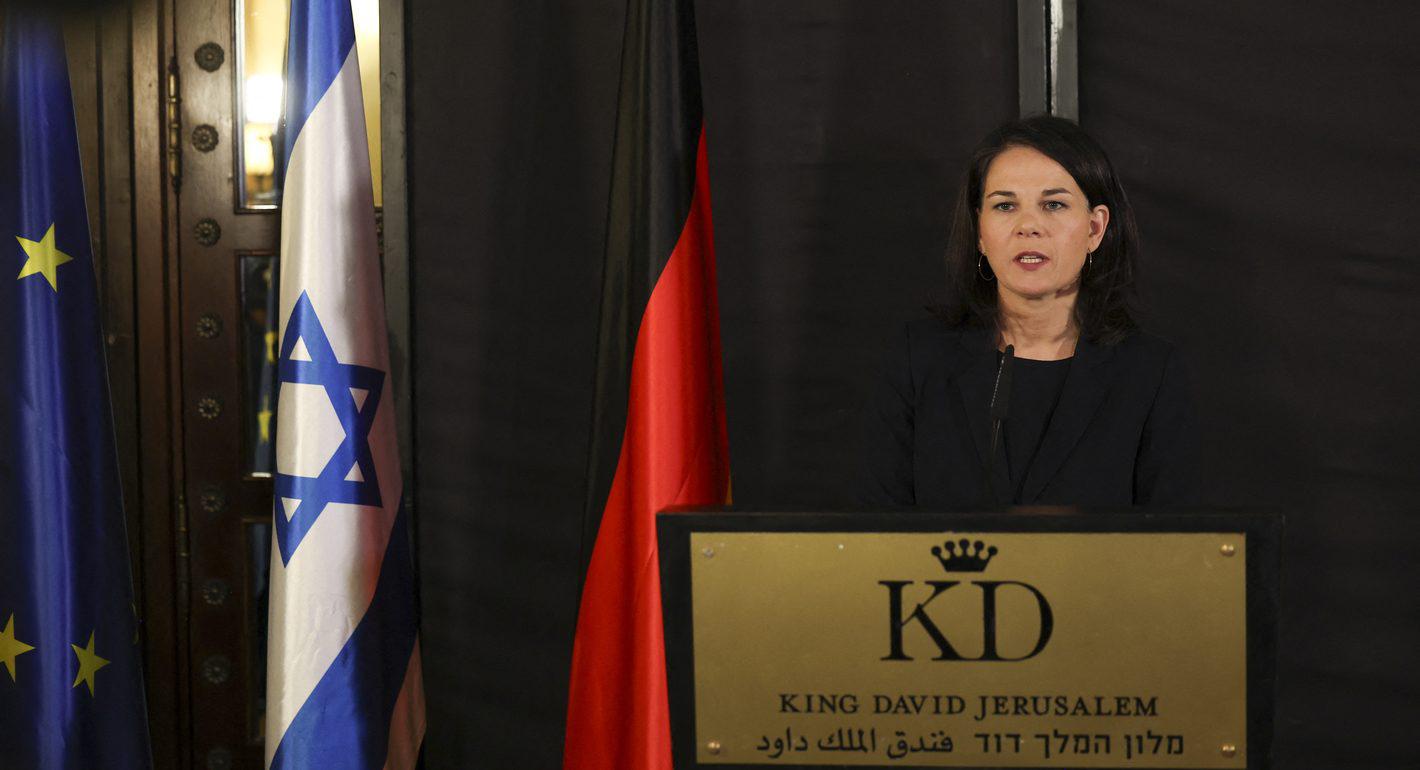
By unconditionally supporting Israel’s war, Germany is increasingly isolating itself on the global stage.
Lena Obermaier
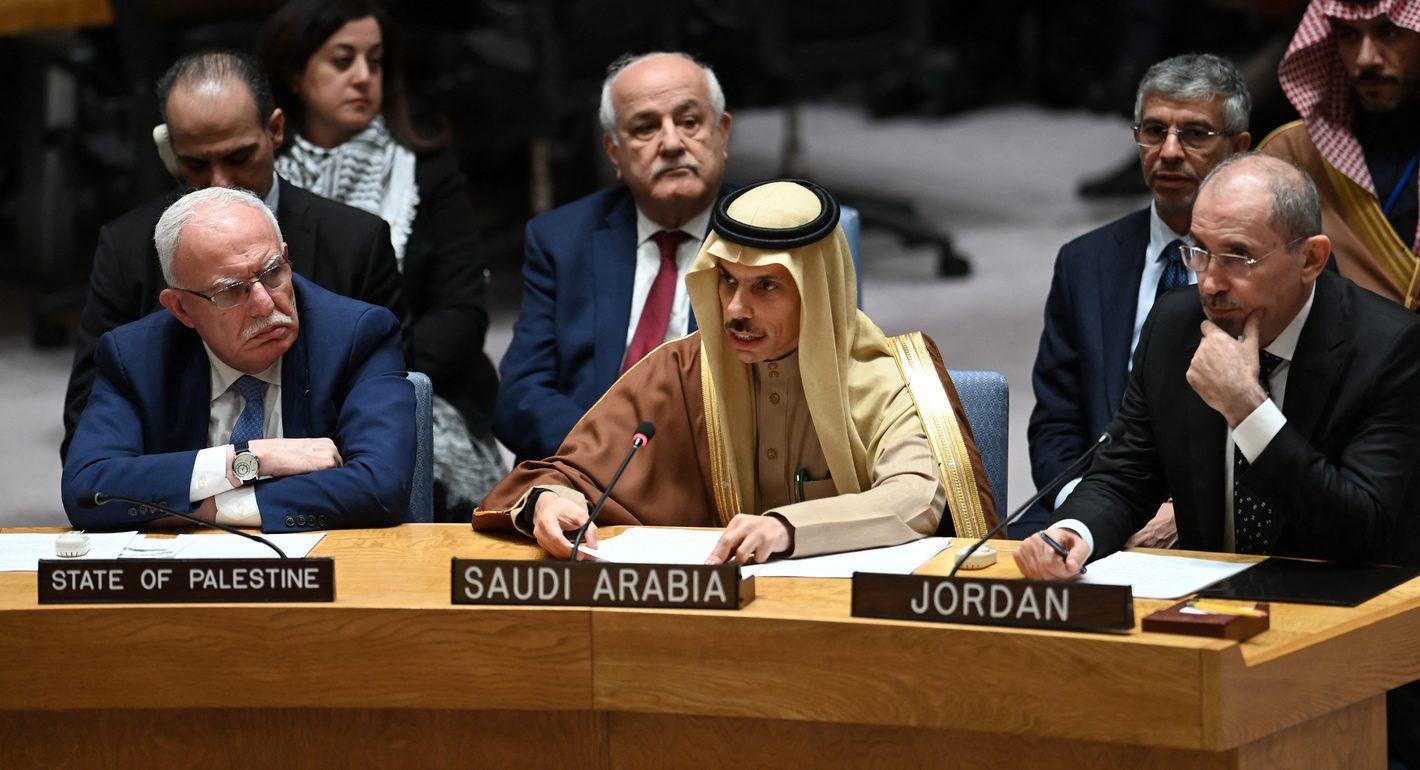
Saudi Arabia has long been perceived in the Arab world as a champion of the Palestinian cause, but developments over the past two decades suggest an imminent transformation.
Safa Nasser
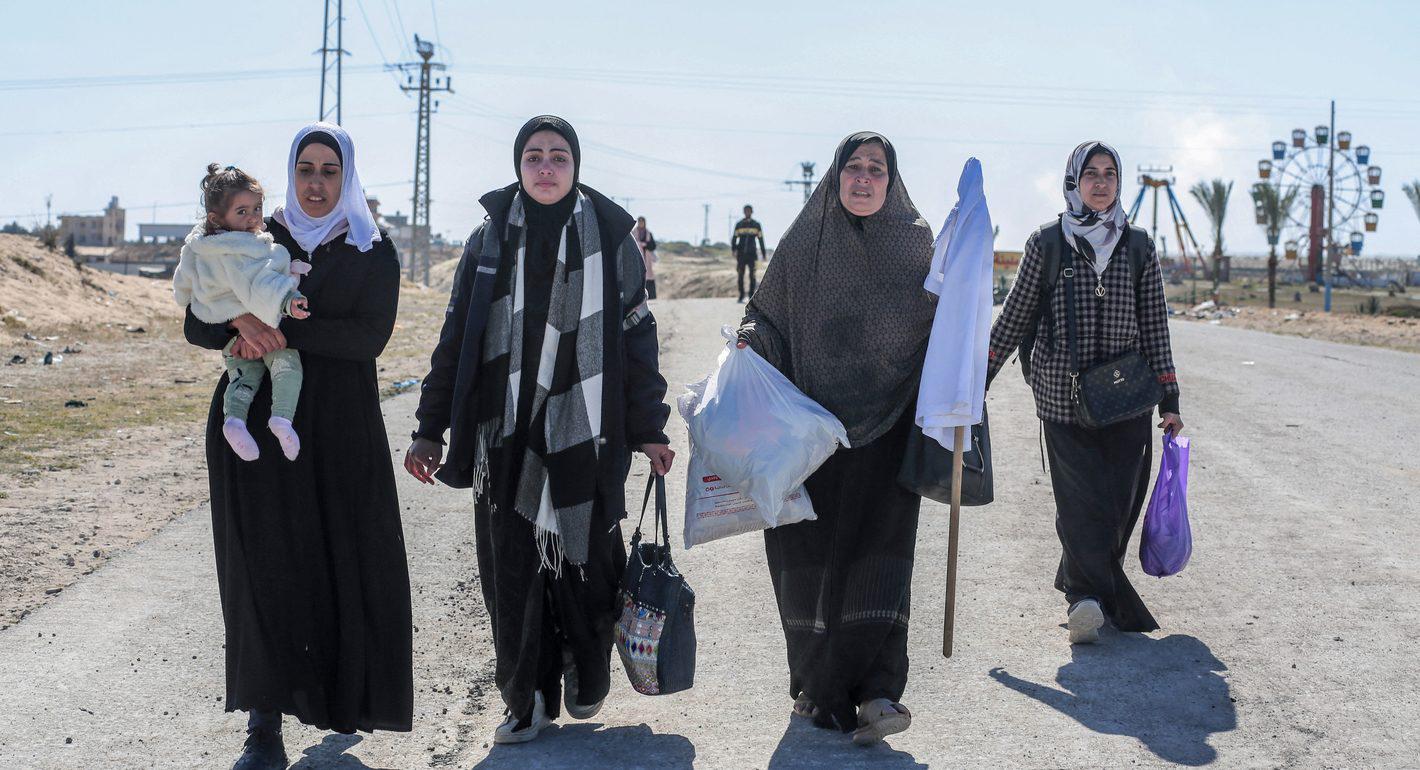
The story of Reham, a young mother sheltering in Rafah, illustrates the impact of Israel’s war on women and families.
Shahd Safi