

Article
Pierre Goldschmidt
{
  "authors": [
    "Pierre Goldschmidt"
  ],
  "type": "other",
  "centerAffiliationAll": "dc",
  "centers": [
    "Carnegie Endowment for International Peace"
  ],
  "collections": [],
  "englishNewsletterAll": "ctw",
  "nonEnglishNewsletterAll": "",
  "primaryCenter": "Carnegie Endowment for International Peace",
  "programAffiliation": "NPP",
  "programs": [
    "Nuclear Policy"
  ],
  "projects": [],
  "regions": [],
  "topics": [
    "Nuclear Policy",
    "Nuclear Energy"
  ]
}
REQUIRED IMAGE
In this paper presented at a high-level seminar on weapons of mass destruction in Brussels, Belgium, Pierre Goldschmidt discusses ways to increase IAEA verification authority in cases of non-compliance and how the international community should respond when a state decides to withdraw from the NPT.
Source: March 17
In this paper presented at a high-level seminar on weapons of mass destruction in Brussels, Belgium, Pierre Goldschmidt discusses ways to increase IAEA verification authority in cases of non-compliance and how the international community should respond when a state decides to withdraw from the NPT.
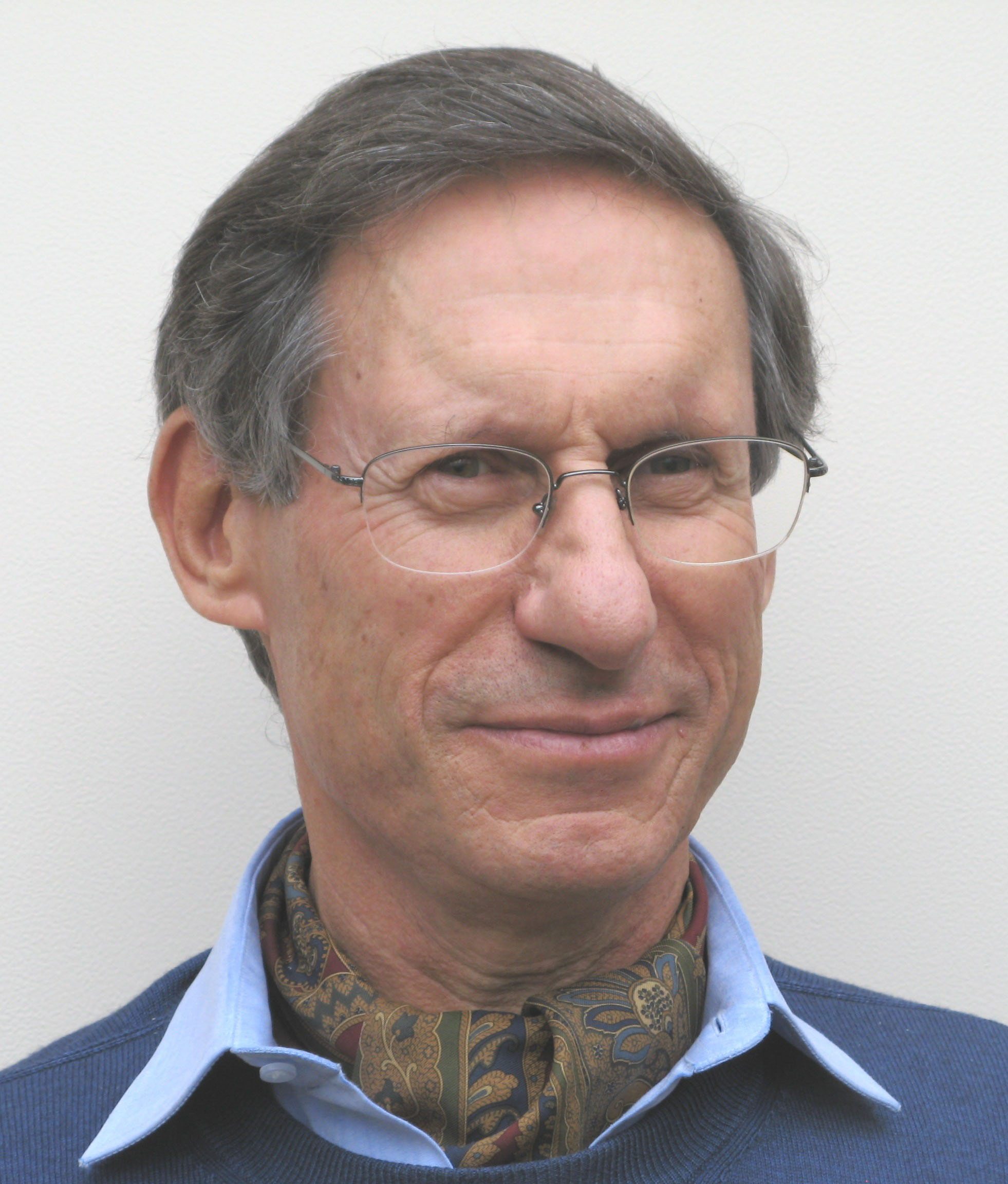
Former Nonresident Senior Associate, Nuclear Policy Program
Goldschmidt was a nonresident senior associate at the Carnegie Endowment.
Recent Work
Pierre Goldschmidt
Pierre Goldschmidt
Carnegie does not take institutional positions on public policy issues; the views represented herein are those of the author(s) and do not necessarily reflect the views of Carnegie, its staff, or its trustees.
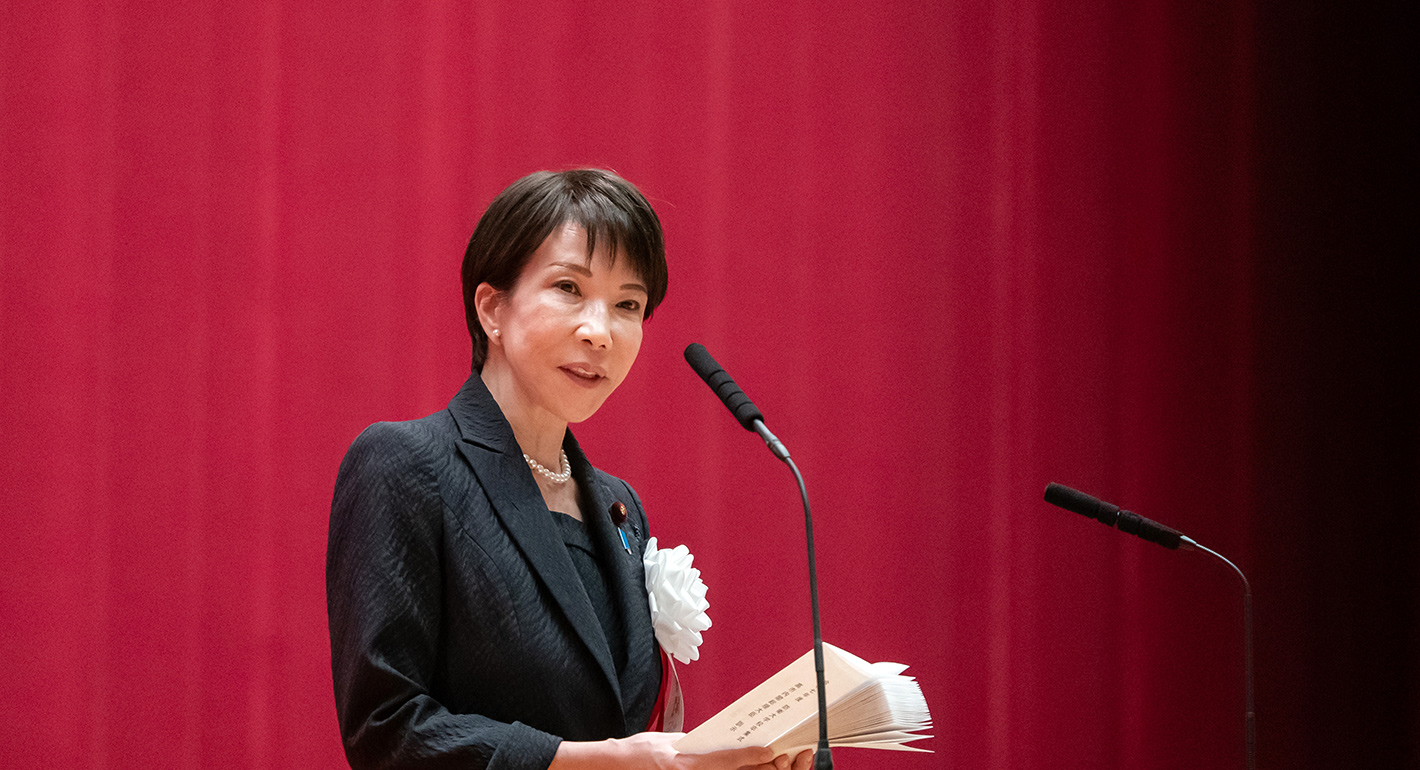
Japan’s prime minister, Takaichi Sanae, may kickstart a discussion on Japan’s non-nuclear principles.
Shizuka Kuramitsu
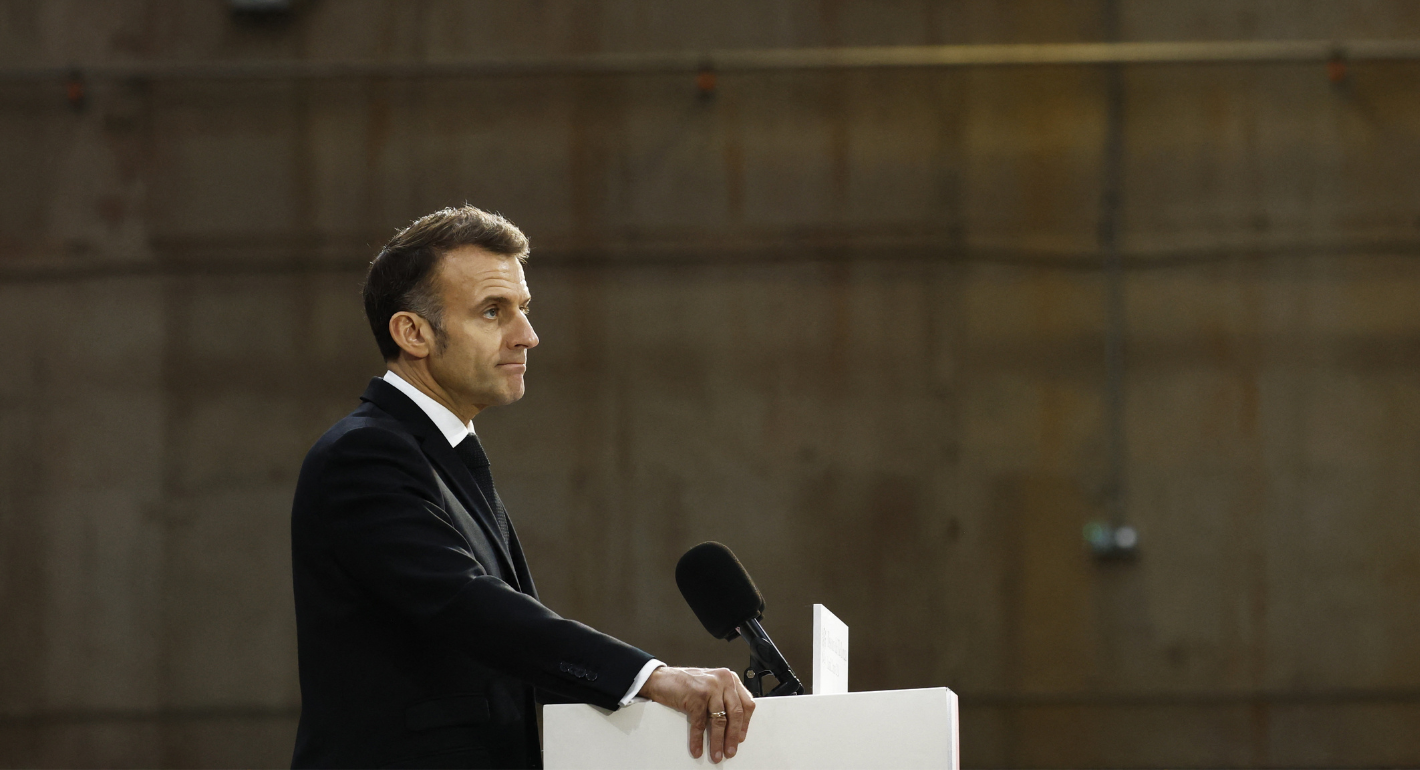
French President Emmanuel Macron has unveiled his country’s new nuclear doctrine. Are the changes he has made enough to reassure France’s European partners in the current geopolitical context?

Rym Momtaz, ed.
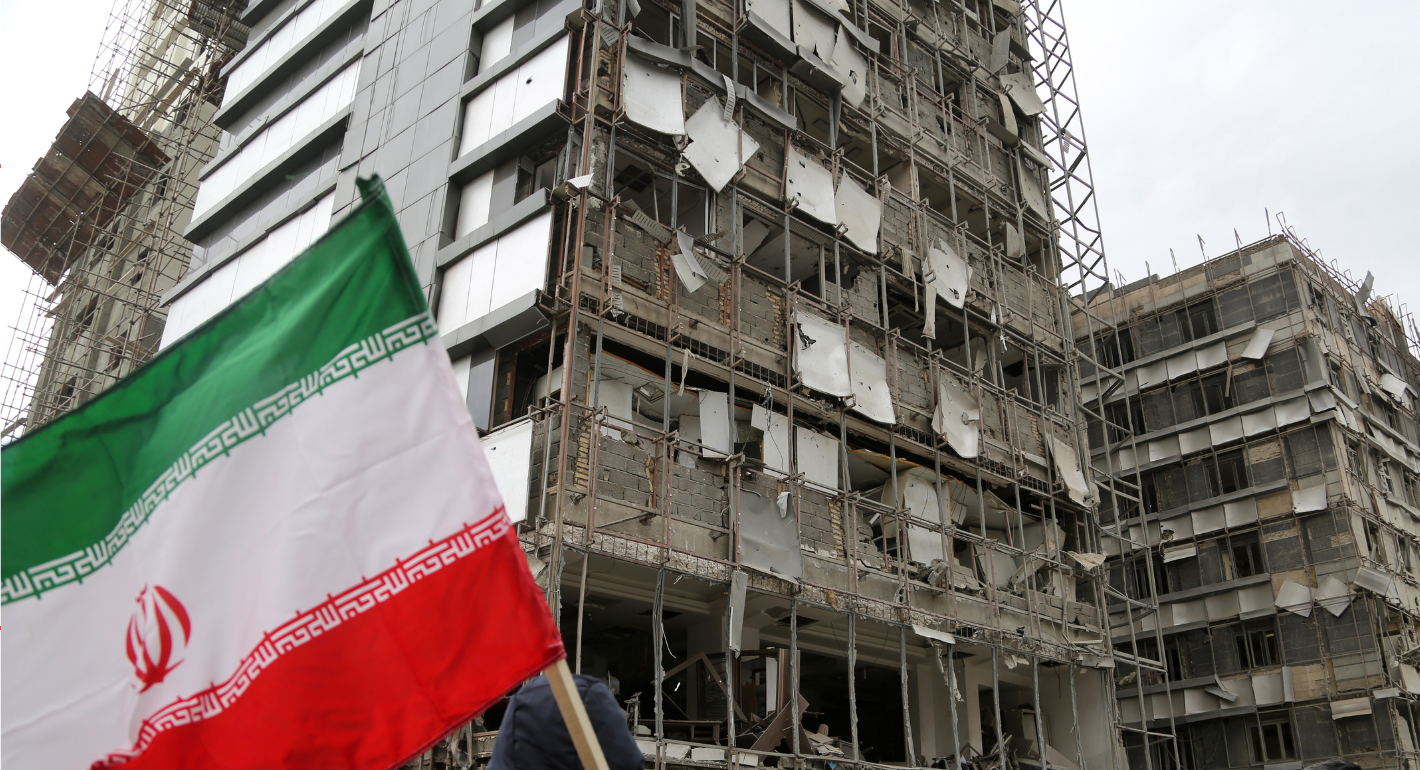
Europe’s reaction to the war in Iran has been disunited and meek, a far cry from its previously leading role in diplomacy with Tehran. To avoid being condemned to the sidelines while escalation continues, Brussels needs to stand up for international law.

Pierre Vimont
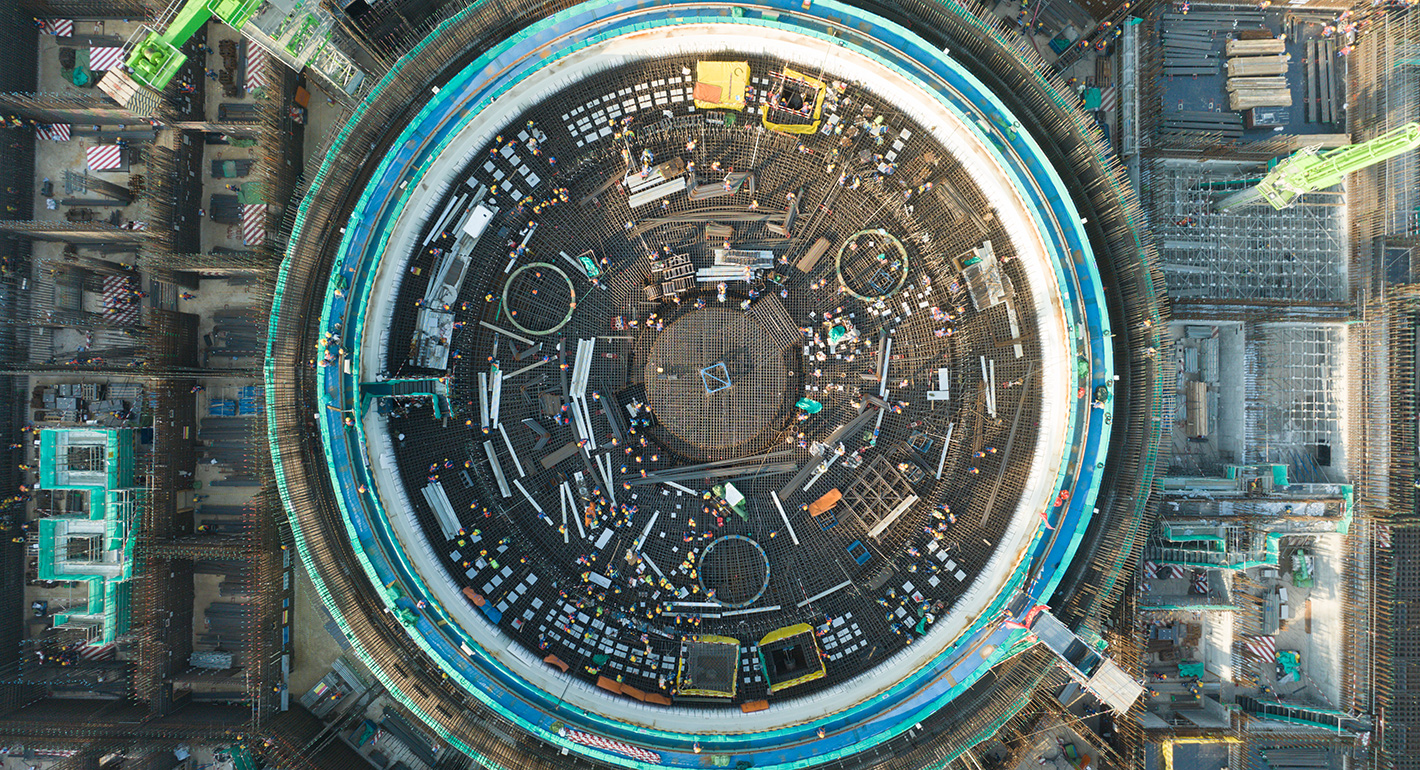
These principles aim to codify core responsible practices and establish a common universal platform of high-level guidelines necessary to build trust that a nuclear energy resurgence can deliver its intended benefits.


Ariel (Eli) Levite, Toby Dalton

Germany's sometimes ambiguous nuclear policy advocates nuclear weapons for deterrence purposes but at the same time adheres to non-proliferation. This dichotomy can turn into a formidable dilemma and increase proliferation pressures in Berlin once no nuclear protector is around anymore, a scenario that has become more realistic in recent years.

Ulrich Kühn