

Article
Pierre Goldschmidt

REQUIRED IMAGE
While the world consumption of electricity rises, the share of total electricity produced by nuclear power plants worldwide will, until 2030, likely remain at its present level of about 15 percent, given the time it takes to build new reactors and the number of aging reactors that will be decommissioned. Yet, as competition for oil and gas supplies increase over the next two decades, more countries will need to meet their electricity needs through alternative means. While not a panacea, nuclear energy can be part of the solution. It is important to ensure that future nuclear expansion is as safe and secure as possible, and now is the time to put stronger barriers to proliferation in place, says Pierre Goldschmidt, former deputy director general of the IAEA and a visiting scholar at the Carnegie Endowment for International Peace, in a speech at the 24th Conference of the Nuclear Societies in Israel.
In light of the current debate about the merits and risks associated with nuclear energy, Goldschmidt focuses on several key measures needed to strengthen the non-proliferation regime, among them:
Drawing from the cases of non-compliance with North Korea and Iran and the "special case" of India--as unilaterally defined by the United States--Goldschmidt concludes that the global spread of nuclear power plants is an inescapable reality, but that "healthy competition should not be done at the expense of stringent safety, security and non-proliferation standards." Otherwise, he says, "the non-proliferation regime will be weakened precisely at a time when it should be strengthened" and "for sure, there will be a renaissance of nuclear weapons proliferation in the future."
Click on the link above for full text of the speech.
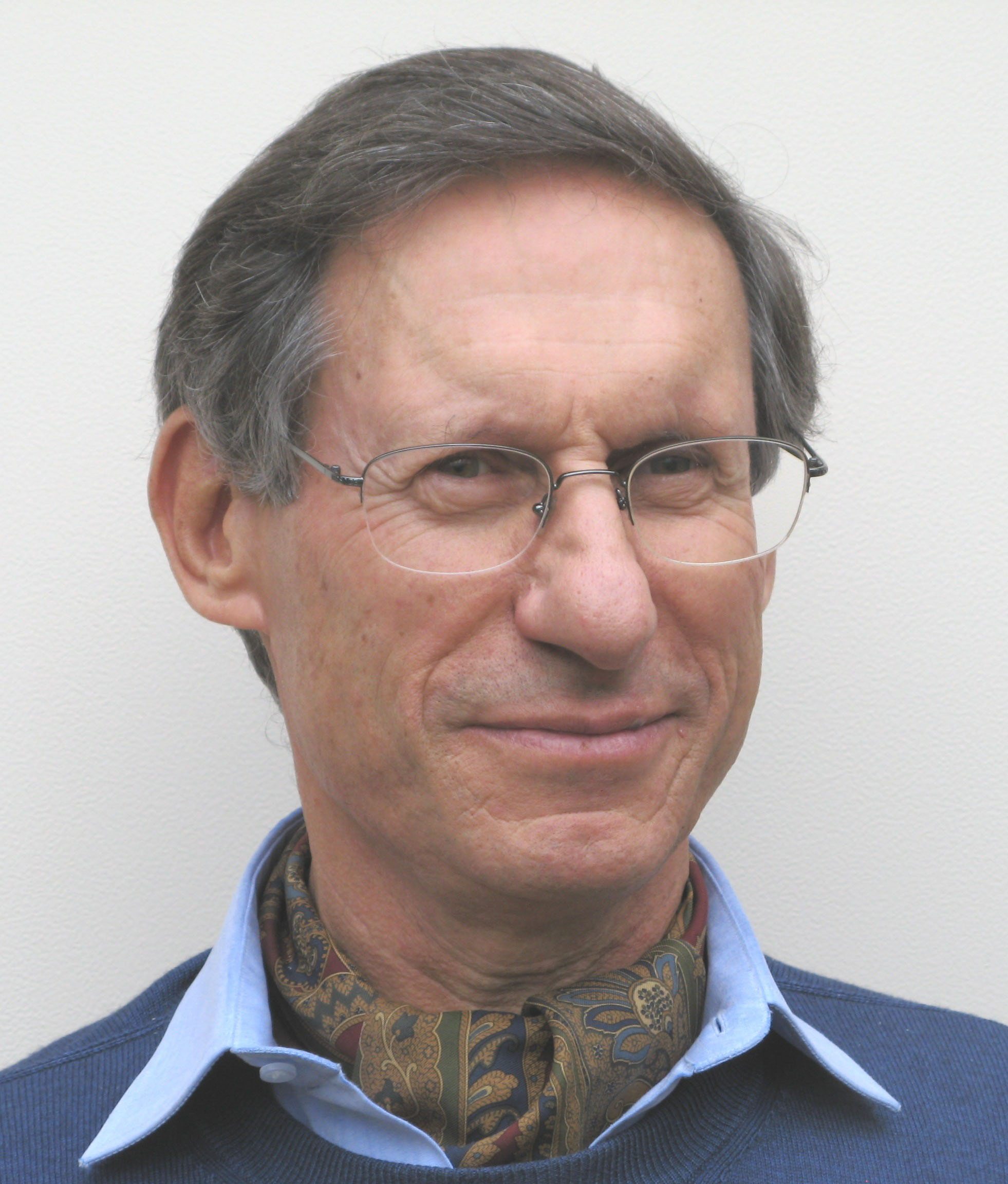
Former Nonresident Senior Associate, Nuclear Policy Program
Goldschmidt was a nonresident senior associate at the Carnegie Endowment.
Recent Work
Pierre Goldschmidt
Pierre Goldschmidt
Carnegie does not take institutional positions on public policy issues; the views represented herein are those of the author(s) and do not necessarily reflect the views of Carnegie, its staff, or its trustees.
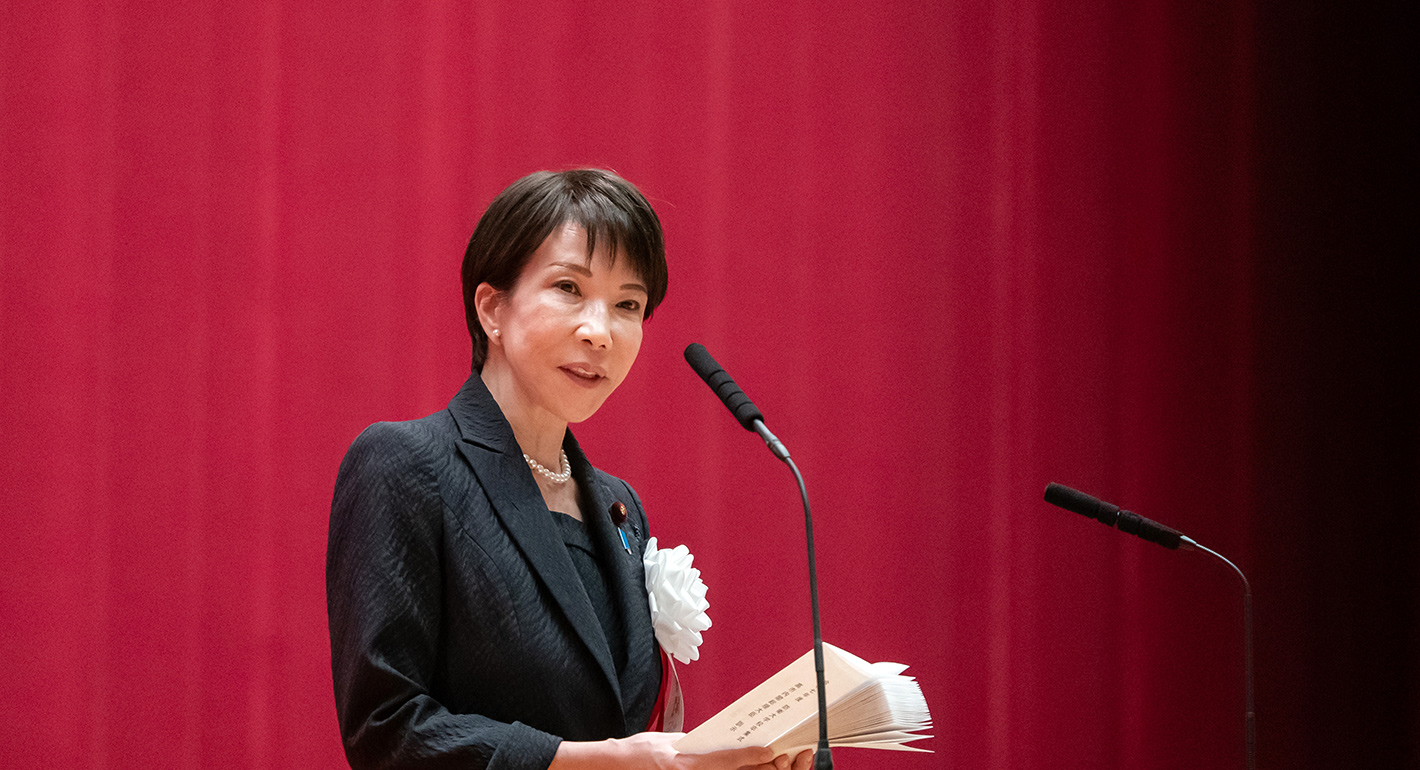
Japan’s prime minister, Takaichi Sanae, may kickstart a discussion on Japan’s non-nuclear principles.
Shizuka Kuramitsu

French President Emmanuel Macron has unveiled his country’s new nuclear doctrine. Are the changes he has made enough to reassure France’s European partners in the current geopolitical context?

Rym Momtaz, ed.
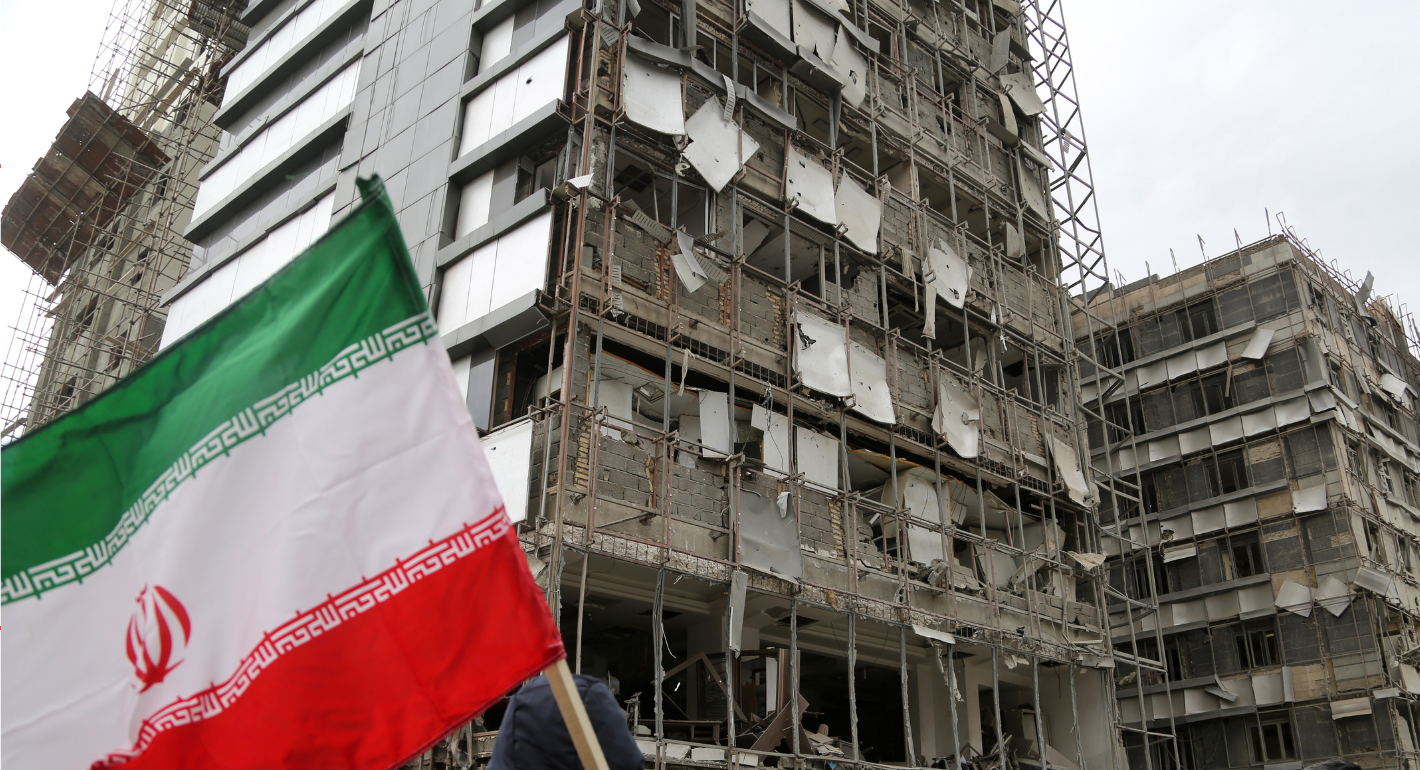
Europe’s reaction to the war in Iran has been disunited and meek, a far cry from its previously leading role in diplomacy with Tehran. To avoid being condemned to the sidelines while escalation continues, Brussels needs to stand up for international law.

Pierre Vimont
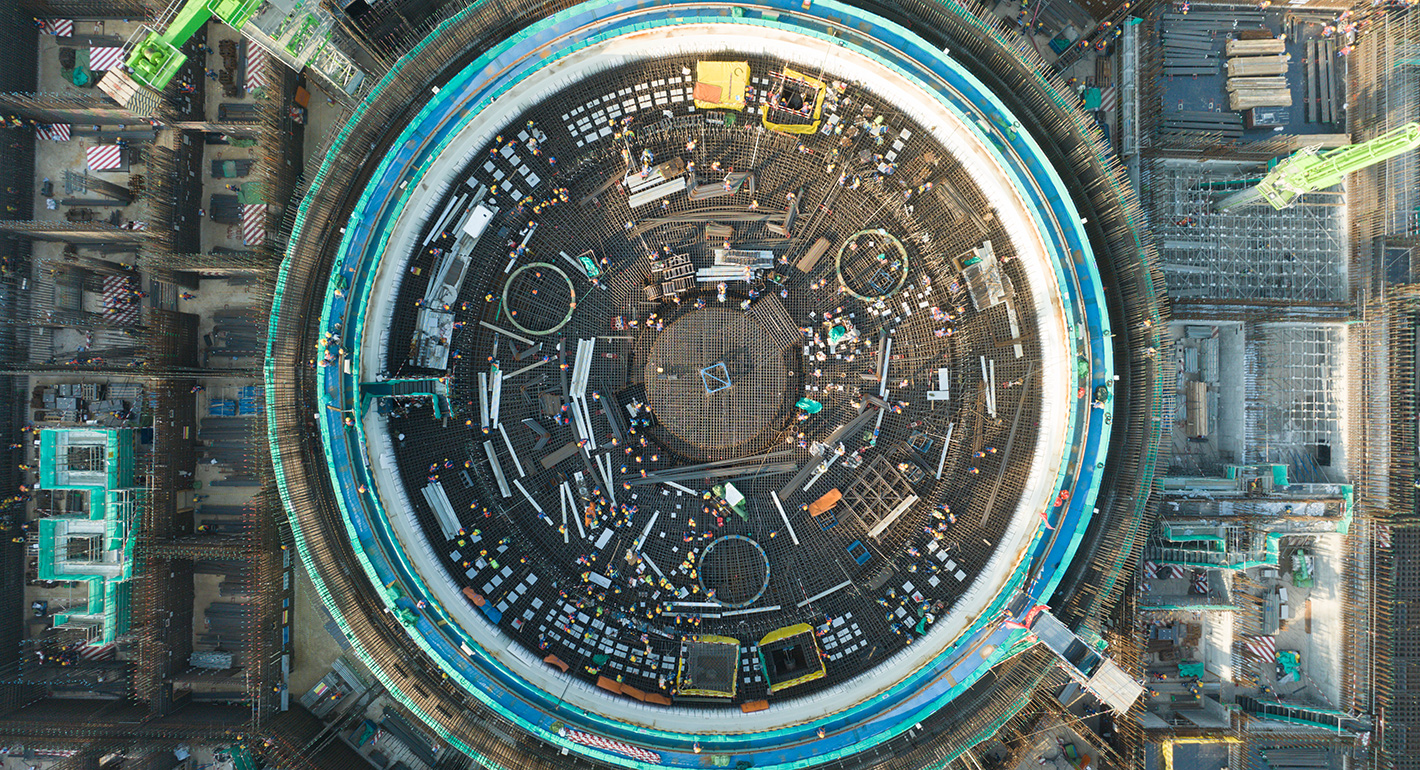
These principles aim to codify core responsible practices and establish a common universal platform of high-level guidelines necessary to build trust that a nuclear energy resurgence can deliver its intended benefits.

Ariel (Eli) Levite, Toby Dalton

Germany's sometimes ambiguous nuclear policy advocates nuclear weapons for deterrence purposes but at the same time adheres to non-proliferation. This dichotomy can turn into a formidable dilemma and increase proliferation pressures in Berlin once no nuclear protector is around anymore, a scenario that has become more realistic in recent years.

Ulrich Kühn