Commentary
Uri Dadush
Source: Getty
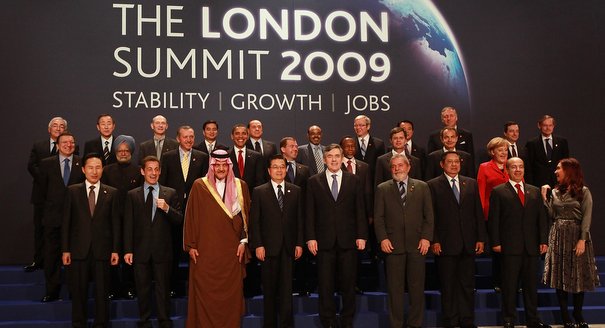
The G-20 fell well short of an adequate response to the grave global economic situation at its summit in London this week, but took a big step in recognizing the increasing significance of developing economies in the global economy and reflecting their interests.
The G-20 fell well short of an adequate response to the grave global economic situation at its summit in London this week, but took a big step in recognizing the increasing significance of developing economies in the global economy and reflecting their interests.
In a striking departure from past G-8 summits, the G-20 affirmed conclusions that placed developing country interests front and center. Developing countries are the greatest likely beneficiaries of the large planned increases in IMF and Multilateral Development Bank resources. The group set dates for reviewing governance of international financial institutions (IFIs) and rebalancing it in their favor. It pledged that leaders of the IFIs would be selected on merit, which means candidates from developing countries can now be considered. G-20 members will now all be part of the newly-created Financial Stability Board, which replaces the more select Financial Stability Forum, and with expanded monitoring and coordination roles. The summit also pledged modest increases in financial assistance to the poorest countries.
Yet the world economic situation is dire. The Organization for Economic Cooperation and Development predicted on Thursday that world GDP would decline by 2.7% in 2009, and world trade would essentially collapse, falling 13%. And while the G-20’s headline commitment on fiscal stimulus -- $5 trillion, or 4% of world GDP to the end of 2010 -- impresses, it essentially reflects preexisting plans and omits any mention of spending targets for specific countries, which diffuses responsibility and provides an alibi to those who could do more but are reluctant to do so.
The statements on the other crucial aspects of a recovery program, monetary stimulus and quantitative easing, and relieving banks of toxic assets, were very general, and implied no new commitments, even to adhere to what countries are already planning.
But there are two other essential aspects of a recovery program on which the G-20 made important progress. First is the recapitalization of the IMF. The G-20 will contribute $250 billion immediately, and agreed to add $250 billion more eventually by borrowing from members. Crucially, details on the latter are still to be defined, including the conditions under which China and Saudi Arabia, among others, will contribute. For the first time, the communiqué also sanctions IMF borrowing on the open market. Additionally, the issuance of $250 billion in Special Drawing Rights -- effectively IMF credits that countries can trade for hard currency -- increases G-20 members’ financial reserves. The total potential expansion of IMF resources, to $750 billion, goes a long way towards assuring developing countries that the expected financing gaps in 2009 and 2010 can be filled from official sources. This reduces an important element of risk that has unsettled investors, which is one reason why the summit’s conclusion sparked or helped sustain a market rally.
The G-20 agreement on containing protectionism is in line with Carnegie’s recommendations earlier this month. It includes an important commitment to extend the moratorium on new trade measures to 2010 and to report all changes in trade policy to the WTO and sanction their publication. The renewed commitment to concluding the Doha Round trade negotiations offers no timeline, and represents the minimum that could have been said, confirming what everyone already knows, that the process is stuck for the foreseeable future.
Although redesigning regulations is not the main priority at a time when world economic activity is in freefall - nor should it be - the communiqué allows equal space for regulation and recovery. The agreement relating to regulation is general (at the time of this writing, more detailed documentation is not yet available) but enshrines important principles. These include: extending regulation to all systemically important financial entities, including hedge funds; allowing for sanctions on tax havens (“the era of Bank secrecy is over”); and extending regulatory oversight to credit rating agencies. These principles will provide a useful umbrella as national authorities move forward on the long process of regulatory overhaul. Insofar as they are respected, they should reduce the risk of regulatory arbitrage and make national reforms more effective.
Compared to past G-8 declarations, the G-20 summit went much farther, and offered more concrete steps. By acknowledging the growing importance of developing economies and giving them a platform to press their concerns, the G-20 summit has cemented its claim as the new, legitimate forum for global economic governance. But the crisis that gave it birth is still very much with us, and in the year ahead will challenge it to deliver more than it did in London.

Former Senior Associate, International Economics Program
Dadush was a senior associate at the Carnegie Endowment for International Peace. He focuses on trends in the global economy and is currently tracking developments in the eurozone crisis.
Recent Work
Uri Dadush
Uri Dadush
Carnegie does not take institutional positions on public policy issues; the views represented herein are those of the author(s) and do not necessarily reflect the views of Carnegie, its staff, or its trustees.
As the war between the United States, Israel, and Iran continues, Carnegie scholars contribute cutting-edge analysis on the events of the war and their wide-reaching implications. From the impact on Iran and its immediate neighbors to the responses from Gulf states to fuel and fertilizer shortages caused by the effective shutdown of the Strait of Hormuz, the war is reshaping Middle East alliances and creating shockwaves around the world. Carnegie experts analyze it all.
Donald Trump has repeatedly bashed NATO and European allies, threatening to annex Canada and Greenland and deploring their lack of enthusiasm for his war of choice in Iran. Is this latest round of abuse the final straw?

Rym Momtaz, ed.

The future looks bleak for independent media worldwide, but there is a robust infrastructure of knowledge, organizations, and people to build upon.


Daniel Sabet, Susan Abbott
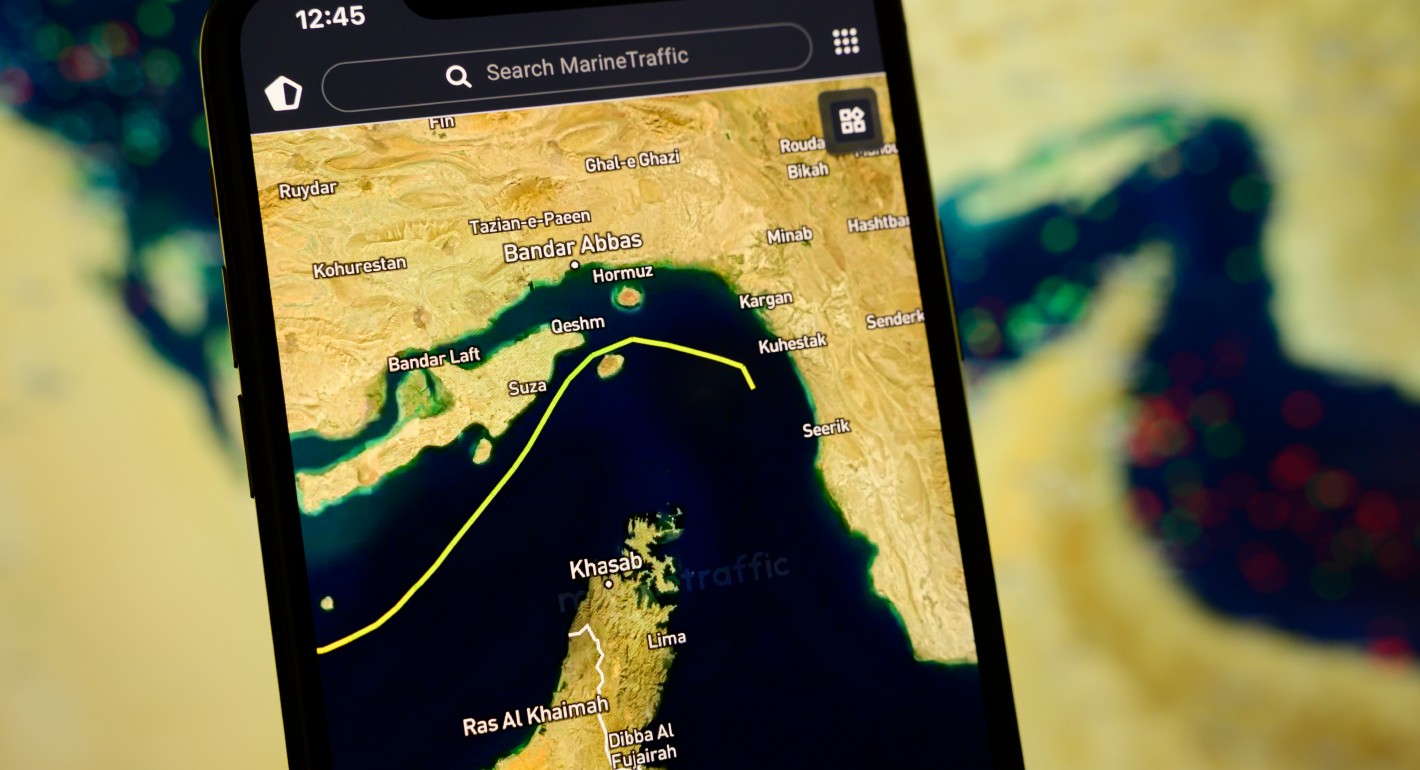
Why the Iran ceasefire isn’t a quick fix to the Strait of Hormuz energy crisis.


Helima Croft, Aaron David Miller
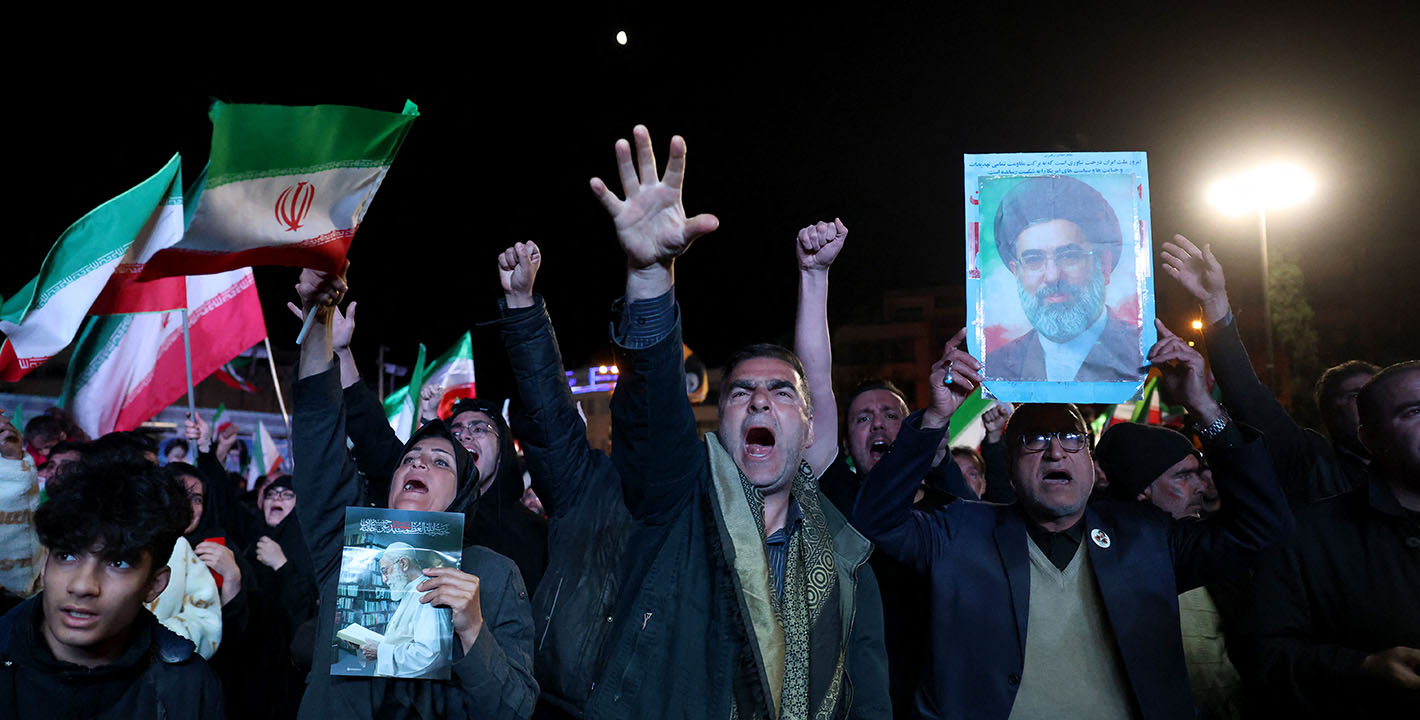
Spot analysis from Carnegie scholars on events relating to the Middle East and North Africa.

Michael Young